
Reviewed · FOOD & DRINK
Walking Food Tour in Hidden Local Eateries of Kathmandu
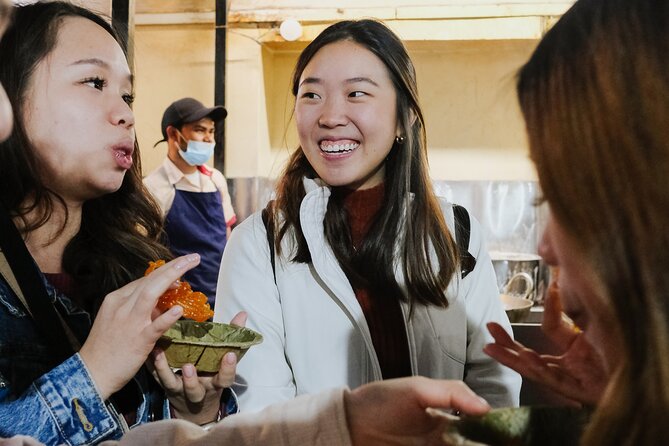
Kathmandu’s best food discoveries may be behind an unmarked door or down a narrow alley, not on a restaurant sign. This two-hour walk takes you through Indra Chowk and Kathmandu Durbar Square, with stops at small local eateries for Nepali and Indian snacks you might not find on your own.
I like the mix of food and city exploring, and I like that guides such as Shazia, Fahid, and Dhuksang explain what you are eating instead of simply handing you a plate. The main thing to consider is that some food is eaten standing up, and the eateries are informal rather than polished.
Key points at a glance
- Local food in hard-to-find places: You visit small eateries and alleyway spots that are easy to miss without a local guide.
- A full two-hour tasting walk: The food is substantial enough that you should arrive hungry, even though it is described as a snack tour.
- A useful route through old Kathmandu: The walk links Indra Chowk’s old market with Kathmandu Durbar Square.
- Nepali and Indian flavors: Expect a mix of sweet and savory tastes, with food selected from places used by local residents.
- Small groups: No more than 12 people take part, which gives you a better chance to ask questions and keep up in crowded streets.
- Good for vegetarians: Vegetarian food can be arranged without trouble, according to the experience details.
Why this food walk works so well in Kathmandu
I see this tour as an easy way to get oriented in central Kathmandu while learning how people eat between meals. Food is the reason for the walk, but the route also puts you in the middle of old market streets, courtyards, small shops, and historic city spaces.
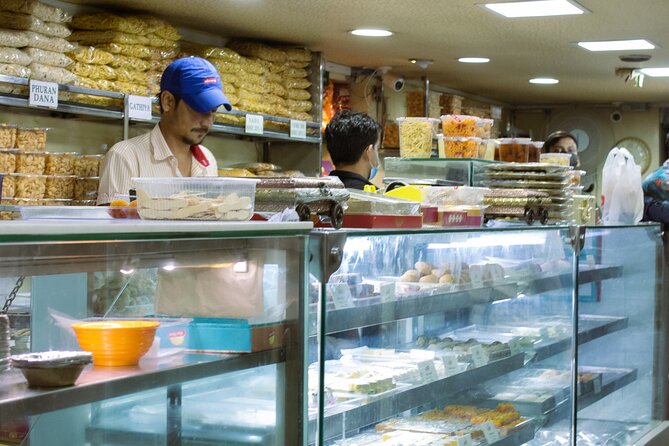
The strongest feature is the access. You are not simply walking past restaurants and hearing a general description of Nepali cuisine. You stop at places that can be difficult to locate by yourself, including eateries tucked into narrow lanes and doors that do not look like entrances to a full food business.
That matters in Kathmandu. From the street, a tiny opening may reveal a busy room or a kitchen serving food to local customers. Without someone who knows the area, you could easily pass it by.
The guides also add useful context. Shazia has been praised for explaining Nepali food and culture, while Fahid is described as friendly, patient, funny, and careful with the group. Dhuksang has led guests through places that were not even easy to find on Google Maps. Names and guides may vary on your date, but the format is built around personal guidance rather than a recorded commentary.
At $36 per person, the price is fair if you want several tastings and a local introduction to Kathmandu’s food culture. You are paying for the guide, the route, and the included snacks, not just for two hours of walking. It is less attractive if you prefer to order one large meal in a comfortable restaurant, since the food stops are simple and some eating is done while standing.
A few more Kathmandu trips to weigh up
- Kathmandu Food and Drink Walking Tour
★ 5.0 · 266 reviews - Kathmandu: Food and Drink Walking Tour
★ 4.9 · 119 reviews - Walking Street Food Tour in Kathmandu
★ 5.0 · 111 reviews
Starting at Akash Bhairab Temple and Indra Chowk
The meeting point is Akash Bhairab Temple, at P845+9PQ in Kathmandu. This is in the central old-city area, and the activity ends back at the same meeting point, so you do not need to arrange a separate pickup afterward.
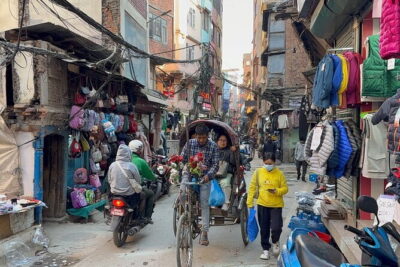
The first hour centers on Indra Chowk, an old market area and a natural place to begin a food walk. You move through the neighborhood while trying several small bites. The point is not to sit down for a formal meal. It is to sample as you go and see how food fits into the rhythm of the market streets.
I like this opening because it gets you eating quickly and puts you in a part of Kathmandu where the setting is as important as the food. The market route also helps you understand the city through ordinary activity rather than through a list of monuments alone.
Your guide can explain what each item is, how it is usually eaten, and why the stop matters. The exact dishes are not specified in advance, so you should think of the menu as a tasting route rather than a fixed restaurant menu.
That flexibility can be useful. A guide can choose from what is available and point you toward food that fits the group. It also means you should not book this tour expecting a printed dish-by-dish itinerary.
Walking from the old market to Kathmandu Durbar Square
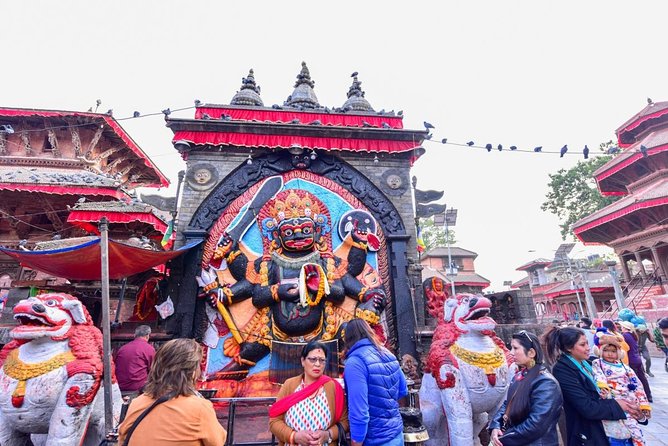
The second hour carries on toward Kathmandu Durbar Square. This gives the tour a stronger sense of place. You are not eating in an isolated food district, then taking transport somewhere else. The snacks are tied to a walk through one of Kathmandu’s central cultural areas.
The Durbar Square portion combines local food with the surrounding city life. You visit small, informal eateries and taste food that locals eat regularly. This is useful if you want more than a standard restaurant meal, since you can compare the food, the setting, and the way people use these places.
The route should suit you if you enjoy walking slowly through busy streets and stopping often. It may be less comfortable if you need a seat at every food stop or want a quiet dining room. Some food is eaten standing up, and the small businesses may not offer the space or finish of a tourist restaurant.
The tour lasts about two hours, which is long enough to visit several stops without taking up an entire afternoon or evening. The timing also makes it a practical first-day activity. You can use the walk to learn which foods and neighborhoods you may want to revisit later.
What you will eat, and how much
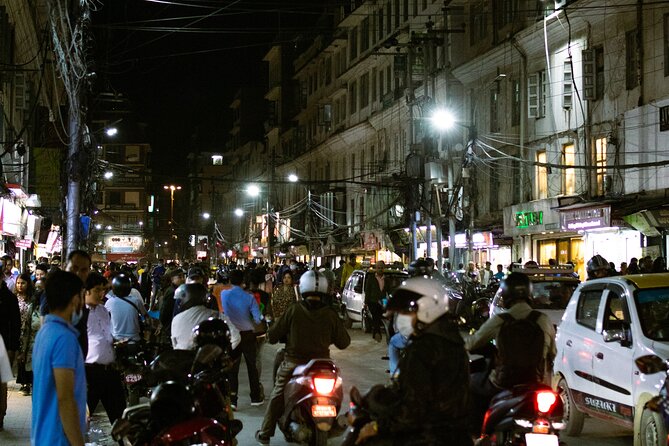
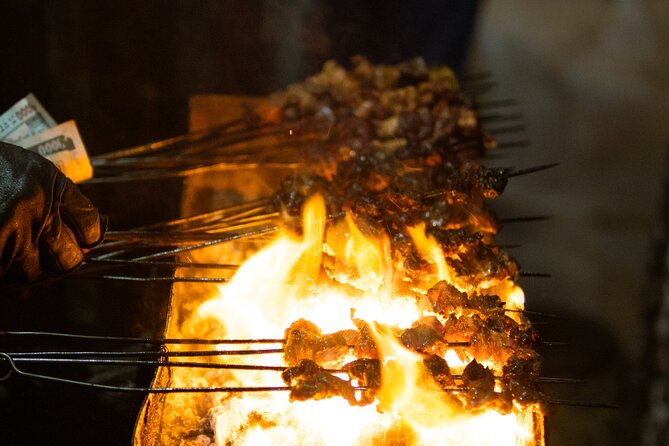
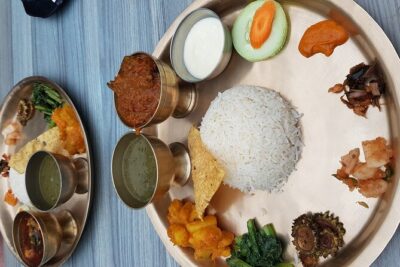
The food includes Nepali and Indian snacks, with a mixture of sweet and savory tastes. The tasting selection is not limited to one type of dish, so you can expect variety rather than several versions of the same item.
You should arrive with an empty stomach. The portion of food can add up to something close to a full meal, even though the activity is presented as a snack tour. Several people found themselves very full by the end, so avoid scheduling this immediately after lunch.
The spice level appears to be manageable for a broad range of tastes. One food stop may not suit everyone, but the overall selection offers enough variety that a single less-successful bite should not define the walk.
If you are vegetarian, this is a strong option. Vegetarian food was handled without difficulty, making the activity suitable for a mixed group. Still, tell the guide about your needs at the start so the food choices are clear.
The tour includes the tastings, but not private transportation. Since the walk begins and ends in central Kathmandu and public transportation is nearby, you are responsible for getting to Akash Bhairab Temple and back to your hotel afterward.
Same mountains, a completely different kind of day:
- Everest Base Camp Trek – 14 Days
★ 5.0 · 1,499 reviews - Private Kathmandu Sightseeing Tour | UNESCO World Heritage sites
★ 5.0 · 756 reviews - Everest Base Camp Helicopter Tour landing at Everest View Hotel
★ 5.0 · 668 reviews - Half day cooking class in Thamel kathmandu
★ 5.0 · 607 reviews
The informal eateries are part of the point
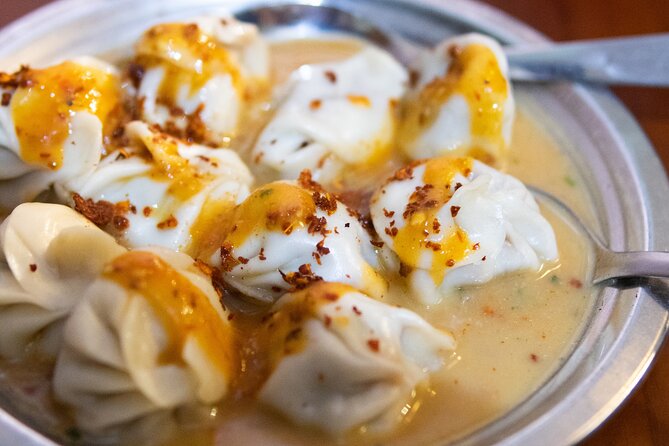
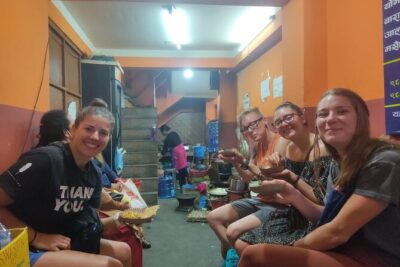
Do not book this expecting spotless counters, matching plates, or restaurant-style service. The appeal is the opposite: small places, local customers, simple surroundings, and food that is served as part of everyday city life.
That setting can be a little rough around the edges. One stop may appeal less than the others, and some people may find the surroundings less clean than they prefer. This is worth taking seriously if you have a sensitive stomach or strongly prefer controlled dining conditions.
At the same time, the informal setting is why a guide is useful. You have someone who can direct you to the right door, explain the food, and manage the sequence of stops. Several eateries are easy to overlook, and some are located in places you would not identify as food businesses from the outside.
I would bring hand sanitizer and keep an open mind, though the tour information does not promise any particular hygiene standard. The best approach is to see this as a street-food introduction, not as a fine-dining outing.
Guides who make the difference
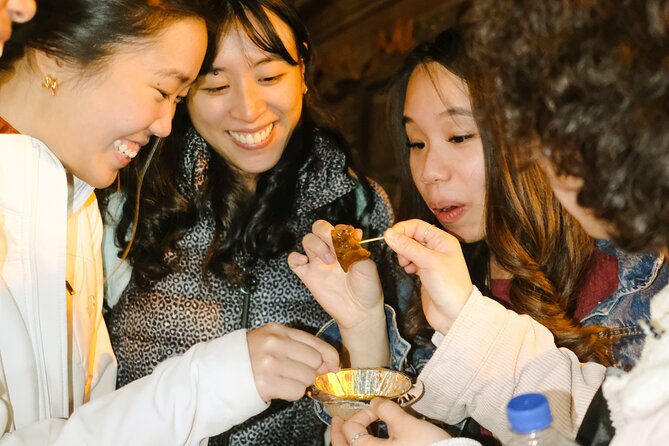
A food tour can be ordinary if the guide only names each dish. Here, the guide’s role is more important because the food businesses are small and the route depends on local knowledge.
Shazia has been praised for giving useful explanations about Nepali food and culture. Fahid is described as polite, enthusiastic, patient, and attentive, with a good sense of humor. Dhuksang has been noted for taking groups to places that are difficult to locate online and for being friendly and helpful throughout the walk.
You may have a different guide, but these details show what to value on the day: clear explanations, care with food preferences, and the ability to lead you through narrow lanes without confusion. With a maximum of 12 people, the group is small enough for questions and conversation.
The guide also helps you decide how much to eat at each stop. Since the total amount can be surprisingly large, you do not need to rush through the first few tastings. Ask questions, pace yourself, and save room for the later stops.
A good first activity in Kathmandu
I would choose this walk early in a Kathmandu visit. It gives you a practical introduction to local flavors and places you might otherwise miss. It also helps you identify foods you can seek out later, when you are on your own.
The route through Indra Chowk and Kathmandu Durbar Square adds more value than a food tasting held in one restaurant. You get moving, see how the old market works, and connect the snacks to the surrounding neighborhoods.
It is also a good choice for people who want a guided introduction without committing to a full-day tour. Two hours is manageable, and the return to the starting point keeps the logistics simple.
The walk is not aimed at someone seeking a polished historical tour. The emphasis is food, with cultural and local context added along the way. If your main goal is a detailed architectural explanation of Durbar Square, you should allow separate time for that.
Group size, timing, and practical comfort
The maximum group size is 12 people. That is small enough to keep a conversation going, but it is not a private tour. If the full group attends, you may still need to stay close to the guide in crowded streets and wait briefly while everyone receives food.
The experience is available with a mobile ticket, and confirmation is provided when you book. It is near public transportation, but private transportation is not included.
Comfortable shoes are sensible because the activity is a walking tour through market streets and old-city areas. You should also plan for standing during some tastings. The tour requires good weather, and if poor weather forces a cancellation, you are offered another date or a full refund.
You can cancel for a full refund up to 24 hours before the start time. Cancellations or changes made within 24 hours are not refunded or accepted. A minimum number of participants is required, so if that minimum is not reached, you are offered another date or experience, or a full refund.
The activity is suitable for most participants. No special fitness level is listed, but you should be comfortable walking for about two hours and eating at informal stops.
Is $36 a fair price?
The value depends on how you normally explore food. If you would spend an afternoon trying several snacks, paying for each item, and possibly getting lost while looking for small eateries, $36 is a reasonable package price.
You also receive interpretation. That is the part you cannot easily buy by yourself. A guide can explain the difference between dishes, answer questions, and point out places that are not obvious to a first-time visitor.
The price includes snacks but not transportation. Since the walk starts and ends at the same central meeting point, that exclusion is not a major problem if you are already staying in Kathmandu’s central areas.
I would consider it good value for first-time visitors, food-focused visitors, and anyone who wants a social activity in a small group. It is weaker value for people who already know Kathmandu’s food streets or who want one large, seated meal.
Who should book this Kathmandu food tour?
You should book it if you want to:
- Try a range of Nepali and Indian snacks in one outing
- Find small local eateries without spending time searching
- Learn about food and culture from a guide
- Walk through Indra Chowk and the Kathmandu Durbar Square area
- Eat vegetarian food as part of a mixed group
- Start your Kathmandu visit with a useful local orientation
Think twice if you dislike standing while eating, need formal restaurant conditions, or prefer to know the exact menu before booking. The route is intentionally informal, and one stop may suit you more than another.
Should you book it?
Yes, if you arrive hungry and want a personal introduction to Kathmandu’s everyday food scene. The combination of old market streets, small eateries, local explanations, and a manageable two-hour route makes this a smart early-trip choice.
Book it with realistic expectations. You are paying for access and guidance, not luxury dining. If you can handle simple surroundings and a little uncertainty about the exact snacks, $36 buys a useful, tasty look at Kathmandu that is difficult to reproduce on your own.
FAQ
Where does the walking food tour start?
It starts at Akash Bhairab Temple, at P845+9PQ, Kathmandu 44600, Nepal.
Where does the tour finish?
The activity ends back at the meeting point, Akash Bhairab Temple.
How long does the food tour last?
The tour lasts approximately two hours.
How much does the tour cost?
The listed price is $36 per person.
What food is included?
Snacks are included, with tastings of Nepali and Indian cuisine at local eateries.
Is transportation included?
No. Private transportation is not included.
How many people can join the tour?
The activity has a maximum of 12 participants.
Is the tour suitable for vegetarians?
Yes. Vegetarian food can be provided without difficulty.
Will I have to stand while eating?
Yes. Some of the food must be eaten standing up.
Can I cancel for a full refund?
Yes. You can cancel at least 24 hours before the start time for a full refund. Cancellations within 24 hours are not refunded.
More Walking Tours in Kathmandu
- Kathmandu Walking Tour
★ 5.0 · 36 reviews - Old Kathmandu Walking Tour, Historic World Heritage Durbar Square
★ 5.0 · 22 reviews - Kathmandu: Guided Walking Tour with Monkey Temple
★ 5.0 · 18 reviews - Kathmandu Walking Tour
★ 4.3 · 15 reviews
Just added around Kathmandu
- Namobuddha Monastery Hiking Day Tour via Panauti from Kathmandu★ 5.0 · 15 reviews
- Private Half-Day Tour of Boudhanath and Pashupatinath Temples in Kathmandu★ 4.5 · 9 reviews
- Private Half-Day Tour of Kathmandu Durbar Square and Swayambhunath Temple★ 4.5 · 11 reviews
- Private Full-Day Kathmandu City Tour★ 5.0 · 9 reviews
- Private Day Tour in Kathmandu Valley Rim with Bhaktapur Sightseeing★ 5.0 · 3 reviews
- Private Half Day Budhanilkantha Tour★ 5.0 · 6 reviews
- Private Day Tour: Patan and Bhaktapur from Kathmandu★ 4.5 · 6 reviews
- Private Day Tour – Sacred Journey to Namo Buddha★ 5.0 · 5 reviews
Food & Drink, compared.
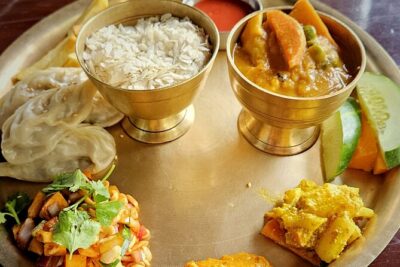
Secret Food Tour – Food Bites and Sights Kathmandu 14+ Testings
Read our review →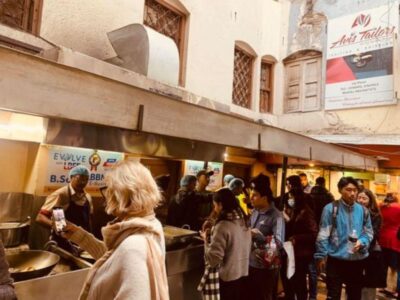
Kathmandu Food & Drink and Shopping Rickshaw Tour
Read our review →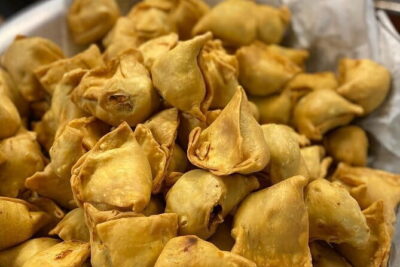
Browse the lists this tour appears in