
Reviewed · FULL-DAY
Pokhara: Group Joining Full Day Highlights Tour With Sunrise
Sarangkot’s sunrise is the prize here. Leave Pokhara before dawn, reach the hilltop, and watch light spread across the Annapurna and Dhaulagiri ranges before moving through temples, caves, museums, and Phewa Lake. I like the wide sweep of sights and the fact that the day includes both Hindu and Buddhist places.
I also like the helpful guide-and-driver team, with guides such as Moti Thapa and Kiran praised for clear explanations, patience, photography, and flexible timing. The main caution is the pace. You cover a lot in one day, and mountain weather can hide the sunrise completely.
Key points at a glance
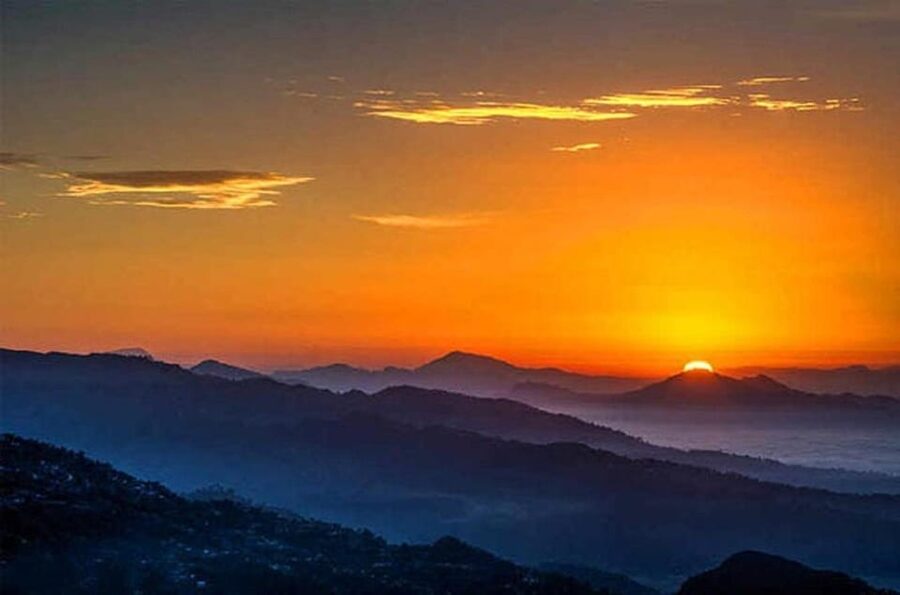
- Sarangkot before breakfast: Reach one of Pokhara’s best sunrise viewpoints before the crowds and morning haze build.
- A broad mix of Pokhara: See temples, a waterfall, a cave, a museum, a Tibetan settlement, a hilltop stupa, and the lake.
- Strong guide service matters: Moti Thapa and Kiran have been singled out for useful explanations and a friendly approach.
- Boat ride on Phewa Lake costs extra: Tal Barahi Temple is reached by boat, but the ride is not included.
- Entry tickets are separate: Budget for admission fees at the attractions, along with breakfast, lunch, drinks, and personal purchases.
- Expect a long day: The advertised duration is six to ten hours, but this many stops can make it feel like a full day out.
Why this Pokhara day tour works
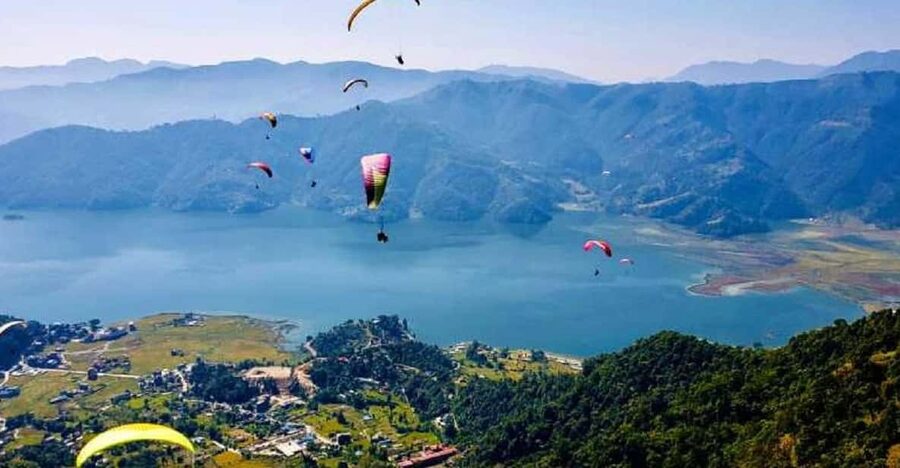
Pokhara is easy to enjoy at a slow pace, but its sights are spread across the valley and surrounding hills. Sarangkot is north of the city, Davis Falls and Gupteshwor Cave are south of Lakeside, and the World Peace Pagoda sits across the lake on a forested ridge. Add Pumdikot, the Tibetan Refugee Camp, the International Mountain Museum, and Tal Barahi Temple, and a map starts to look like a full day of zigzags.
That is where this tour earns its keep. You sit in an air-conditioned vehicle while a local guide handles the route. Pickup and drop-off are offered around Lakeside Road, including Lakeside Rd 6. For a first day in Pokhara, this saves you from arranging several separate rides and working out which stops fit together.
The experience is listed at $43 per person. That is a reasonable price for a private-group format that includes transport and a guide, but it is not an all-inclusive admission price. You still pay entrance fees, breakfast, lunch, the Phewa Lake boat, and your own drinks or purchases. If you compare the price with hiring a vehicle independently, count those extras before deciding.
A few more Pokhara trips to weigh up
- From Pokhara: Sarangkot Sunrise Himalayas Tour
★ 4.7 · 218 reviews - Pokhara: Sarangkot Sunrise with Half or Full-Day City Tour
★ 4.8 · 100 reviews - The Best of Pokhara: Full-Day Private Tour with Sarangkot Sunrise
★ 5.0 · 66 reviews
Sarangkot sunrise before the city wakes
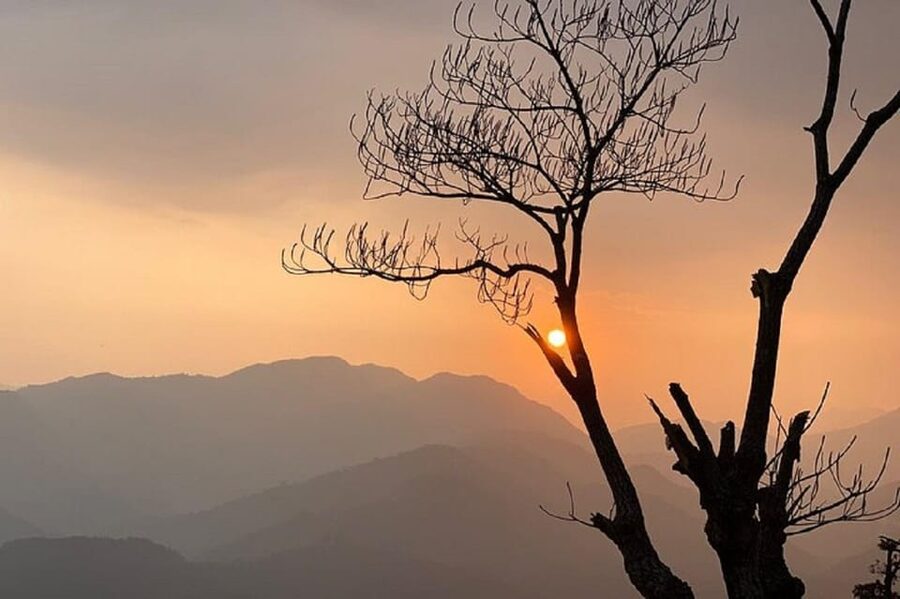
The day begins around 5 a.m. or another early starting time selected when you book. Your first stop is Sarangkot, a hill station famous for views toward Annapurna and Dhaulagiri. The drive and viewing period take about an hour and a half, although the exact timing depends on pickup, traffic, and how long you stay at the viewpoint.
This is the most weather-dependent part of the day. On a clear morning, you can see the mountains change color as the sun rises. On a cloudy morning, the view may be limited to the hills and valley below. One booking began at 5:30 a.m. and reached a good viewing position in time for a memorable sunrise, while another early start produced clouds instead. That is simply the risk of making sunrise the opening act.
Take warm clothing even if Pokhara feels mild at the hotel. You may be standing outside before dawn, and the hilltop can feel cooler than Lakeside. If the sky is clear, use this first stop for your best mountain photographs. Later viewpoints are attractive, but Sarangkot gives you the strongest chance of seeing the distant ranges in morning light.
Bindhyabasini Temple and the spiritual side of Pokhara
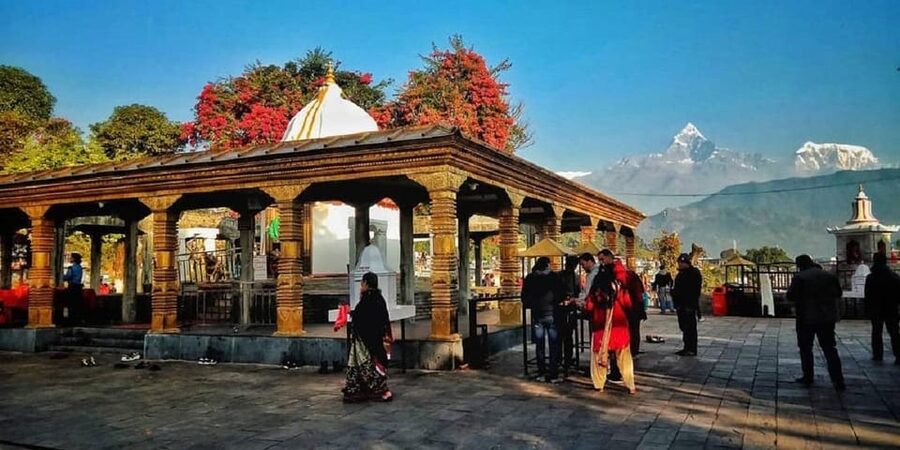
After Sarangkot, the route turns toward Bindhyabasini Temple. Allow about 30 minutes here. This Hindu temple is dedicated to Bhagwati, and the stop gives you a useful introduction to the religious life of the valley rather than treating Pokhara as only a scenic base for trekking.
The temple also has views over the surrounding area. Your guide can add context about the shrine and local practice, though the amount of explanation depends on the guide and the questions you ask. Guides Moti Thapa and Kiran have been praised for making the cultural stops easy to understand, so do not hesitate to ask about what you are seeing.
Dress and behave with care at religious sites. The itinerary includes several sacred places, so this is not a day for rushing in, snapping a photograph, and leaving without noticing where you are.
Davis Falls and Gupteshwor Mahadev Cave
Davis Falls, also called Patale Chhango, is a short stop of about 30 minutes. Water drops through a dramatic channel, creating a compact but striking natural attraction. The falls are best understood as part of a pair with Gupteshwor Mahadev Cave, which is nearby.
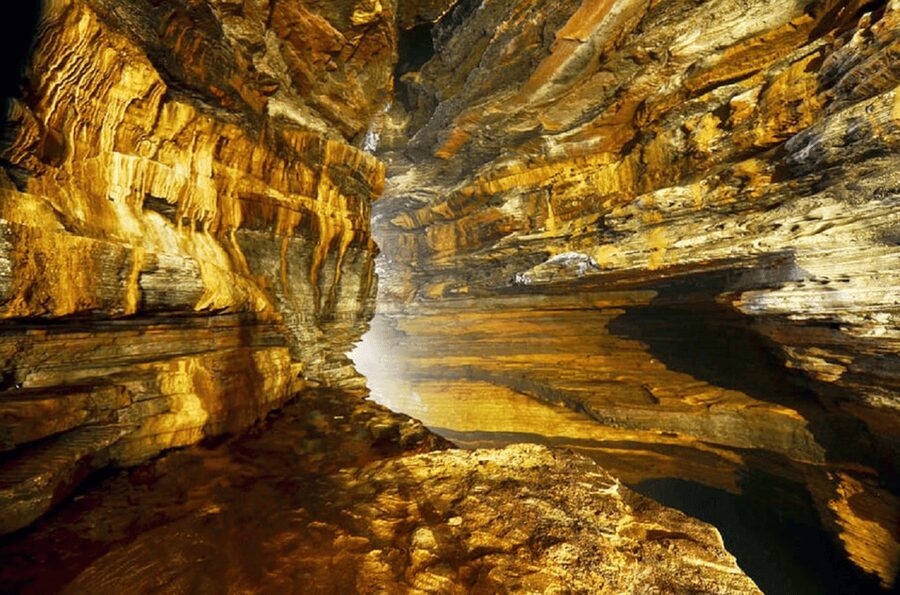
Gupteshwor takes about 45 minutes and involves walking. The cave contains a sacred Shiva lingam and natural rock formations. The underground setting gives the day a change of mood after the open mountain views and temple courtyards. The cave is also associated with a concealed waterfall, adding another connection between Pokhara’s religious places and its water system.
You should wear shoes you can walk in. The itinerary includes several walking stops, and the cave is not a place to visit comfortably in delicate footwear. This part of the tour is also less suitable for anyone who prefers a day with almost no stairs or uneven surfaces, though the supplied details do not specify accessibility conditions.
Same mountains, a completely different kind of day:
- ZipFlyer Nepal – The World’s Steepest Zip-line
★ 5.0 · 608 reviews - Bungee Pokhara by HighGround Adventures
★ 5.0 · 366 reviews - ATV Adventure Tour in Pokhara, Nepal
★ 5.0 · 194 reviews - Full-Day Tibetan Cultural Tour to Tibetan Settlements Pokhara
★ 5.0 · 184 reviews
Pumdikot’s huge Shiva statue
The itinerary places a visit to the Statue of Lord Shiva after the cave. This is the Pumdikot Mahadev Temple area, a hilltop site with a large Shiva statue and broad views. Plan about 45 minutes for the stop, including the walk and time for photographs.
Pumdikot works well as a visual counterpoint to the smaller sacred spaces earlier in the day. The statue is easy to recognize from a distance, while the hilltop setting opens the view across Pokhara and toward the mountains when the weather cooperates.
This is one of the places where a guide can help connect the sight to local religious practice. Without that context, you may remember the statue but miss why the site matters. With a good guide, the stop becomes more than a quick photo break.
World Peace Pagoda above Phewa Lake
The World Peace Pagoda, also called the Peace Stupa, gets roughly an hour and a half. It sits on a hill above Phewa Lake and looks back toward the city, water, and mountain ranges. The stop includes sightseeing, photographs, and walking.
The tour may include a short hike from Phewa Lake if everyone in the group agrees. Otherwise, the vehicle takes you toward the stupa. This flexibility is useful, but it also means you should clarify the plan with your guide. A walk from the lake changes the feel of the visit and adds effort, while the vehicle option keeps the schedule more predictable.
The Peace Pagoda is one of the day’s best viewpoint stops. Still, do not count on a clear mountain panorama every time. Pokhara’s weather can shift, and clouds that spoil Sarangkot may also cover the peaks here. The lake and city views remain worthwhile even when the mountains disappear.
Tibetan Refugee Camp and the mountain museum
The Tibetan Refugee Camp is scheduled for about 30 minutes. It offers a look at Tibetan culture and traditional handicrafts, along with an opportunity to understand more about the lives of Tibetan refugees in Pokhara. This is a compact stop, so it is best treated as an introduction rather than a long cultural program.
If you are interested in crafts, leave enough time to look carefully rather than treating the camp as another quick photograph. Personal purchases are not included in the tour price.
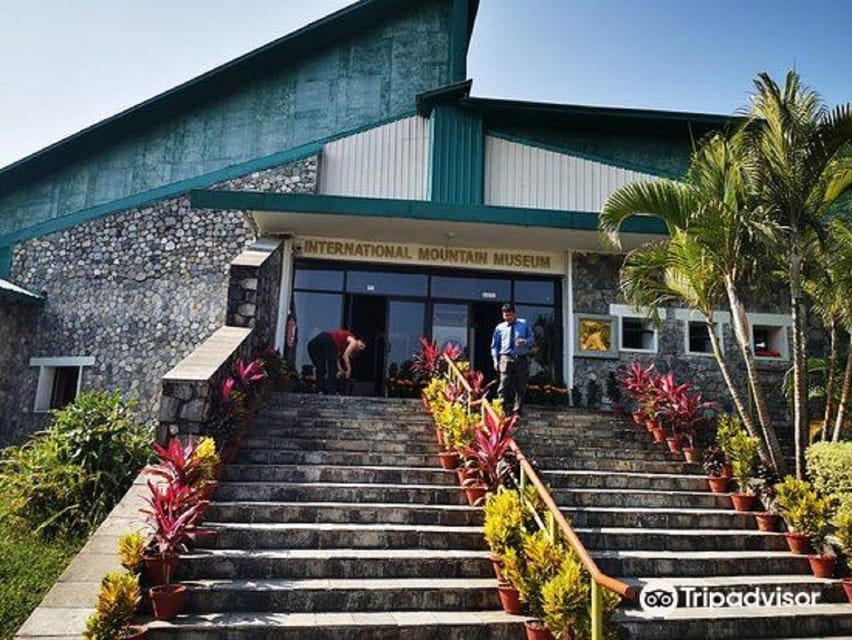
The International Mountain Museum follows, with about an hour inside. This is the place to slow down and learn about Nepal’s mountains and the mountaineers who have climbed them. It adds useful context to the peaks you saw from Sarangkot and the Peace Pagoda. Even when clouds block the view, the museum keeps the mountain theme going through exhibits and mountaineering history.
The order of these two stops may shift. The day has many moving parts, and guides may adjust the route to suit traffic, timing, or the group’s interests.
A boat across Phewa Lake to Tal Barahi Temple
The Phewa Lake section gives you a break from the vehicle. The boat cruise takes about an hour and includes a visit to Tal Barahi Temple, a small island shrine dedicated to the Hindu goddess Barahi.
The lake changes the rhythm of the day. After hours of hill roads, courtyards, caves, and museums, you get open water and views back toward Pokhara. Tal Barahi also shows how religious life is woven into the lake itself, not confined to a single urban temple.
The boat fee is not included, so carry extra Nepalese rupees or confirm the accepted payment method with the operator. This is one of the most important budget details. Breakfast and lunch are also self-paid. Breakfast is planned after Sarangkot, at a local restaurant or cafe in Sarangkot or Pokhara, and lunch is generally in the Lakeside area.
Guides, drivers, and the value of local help
The guide can make or break a day with this many stops. Moti Thapa received especially warm praise for his explanations, flexibility, photography, and ability to communicate in English and Japanese according to one booking. Kiran was also praised for patience, detailed information, helpful photographs, and a warm manner. The advertised tour languages are English and Hindi.
The driver matters just as much. One driver named Rajkumar was specifically praised for safe driving, and the overall vehicle service was described as comfortable and punctual. Another booking appreciated the team’s willingness to move stops around to suit the group.
You should still take an active role. Ask what comes next, how long you have at each stop, and which costs are still ahead. One disappointing day involved confusion about the program, little explanation while walking, and a missed portion of the lakeside plan. That is a useful warning: a flexible schedule is good, but you need to confirm that flexibility does not quietly remove a promised stop.
Timing, comfort, and what to budget
The stated duration is six to ten hours, with early starts available. Given the number of listed attractions, I would plan mentally for the longer end of that range. Sunrise, traffic, temple visits, walking, the boat ride, and two meal breaks can easily stretch the day.
The air-conditioned vehicle is a real advantage in Pokhara’s warmer periods and after walking around the hilltop sites. Scheduled comfort breaks also help, especially because this is not a simple sightseeing loop. The tour is listed as a private group, although the product is framed as a group-joining day tour, so confirm the exact group arrangement when booking if that distinction matters to you.
At $43, the tour is best value for someone who wants an organized introduction to Pokhara without arranging transport and a guide separately. It is less attractive if you want long visits at each site, a leisurely lakeside walk, or control over every meal and stop.
Keep money aside for:
- Admission fees at the attractions
- The Phewa Lake boat ride
- Breakfast and lunch
- Drinks, snacks, souvenirs, and other personal expenses
Free cancellation is available up to 24 hours before the start for a full refund, and you can reserve now and pay later. Those terms help if your Pokhara plans depend on weather or changing transport.
Who should book this day out?
I would recommend it to first-time visitors with one free day, people staying around Lakeside, and anyone who wants both mountain viewpoints and cultural sites. It also suits you if arranging several local rides feels like work. The mix of nature, Hindu temples, Buddhist sites, Tibetan culture, mountaineering, and boating gives you a useful sense of Pokhara beyond the hotel strip.
It is less suitable if you dislike early starts, want a quiet day, or need a strong guarantee of mountain views. The sunrise is weather-dependent, and the schedule is ambitious. Families and older visitors should ask about walking requirements, especially at Gupteshwor Cave and the Peace Pagoda, since exact access details are not provided.
Should you book the Pokhara highlights tour?
Book it if you want to see a great deal in one organized day and value a local guide who can explain what you are seeing. The strongest parts are the Sarangkot sunrise, the range of viewpoints, the guide service associated with Moti and Kiran, and the easy air-conditioned transport.
Before paying, confirm the start time, the exact group setup, which stops will be included that day, and the extra costs for tickets and boating. If the forecast is heavily cloudy, you may prefer to skip a sunrise-focused plan or choose a later start. On a clear morning, though, this is an efficient way to connect Pokhara’s mountains, lake, faith, and local culture in one long, rewarding circuit.
FAQ
Where does the tour pick up and drop off?
Pickup and drop-off options include Lakeside Rd 6 and Lakeside Road.
How long does the tour last?
The stated duration is six to ten hours. Because the day includes many stops, the actual timing can vary.
What time does the sunrise portion begin?
An early start is required, with one available plan beginning at 5:30 a.m. Starting times should be checked when booking.
Which mountain viewpoint is visited at sunrise?
The tour visits Sarangkot, known for sunrise views toward the Annapurna and Dhaulagiri ranges.
Is breakfast included in the price?
No. A breakfast stop is scheduled, but breakfast is paid for by you.
Is lunch included?
No. Lunch is also self-paid, usually in the Lakeside area.
Is the Phewa Lake boat ride included?
No. The boat fee is an additional cost.
Are attraction entry fees included?
No. You pay the entry fees at the attractions separately.
What languages does the guide speak?
The advertised guide languages are English and Hindi.
Can I cancel for a refund?
You can cancel up to 24 hours in advance for a full refund. The tour also offers reserve-now, pay-later booking.
Just added around Pokhara
- Seti George and Thrilling Suspension Bridge Tour at Pokhara★ 4.5 · 3 reviews
- Tandem Paragliding in Pokhara★ 4.8 · 8 reviews
- Pokhara: Sunrise Tour to Sarangkot★ 5.0 · 3 reviews
- Pokhara: Suspension Bridge Private Tour- 30 Min Village Walk★ 4.8 · 9 reviews
- Pokhara: Visit Best Seven Tourist Destination by Sharing Bus★ 3.4 · 10 reviews
- Pokhara Sightseeing By Bus: Day Trip★ 4.6 · 7 reviews
- Pokhara Sightseeing By Bus – Day Trip★ 3.2 · 8 reviews
- Pokhara: Sarangkot Sunrise & Panoramic Annapurna View Tour★ 4.8 · 10 reviews
Full-Day, compared.
Full Day 7 UNESCO Tour with Lunch – Private/Group
Read our review →
Full Day Top 4 UNESCO Tour with Lunch – Private/Group
Read our review →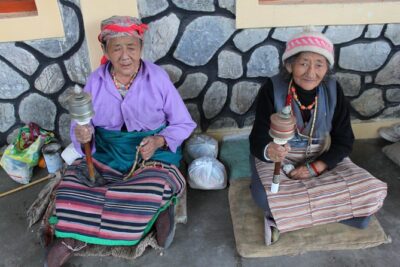
Full-Day Tibetan Cultural Tour to Tibetan Settlements Pokhara
Read our review →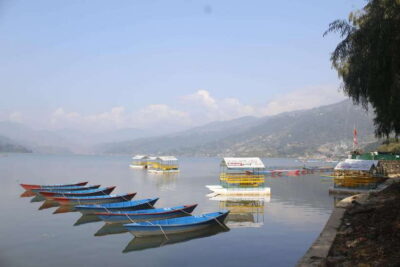
Full-Day Sharing Bus Tour on 7 Iconic Destination
Read our review →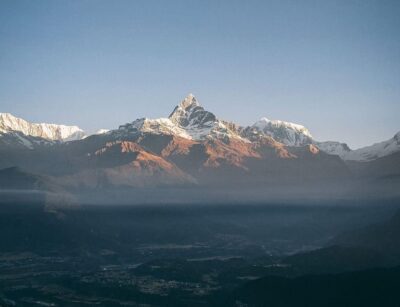
Full Day 7 UNESCO Tour with Lunch – Private/Group
Read our review →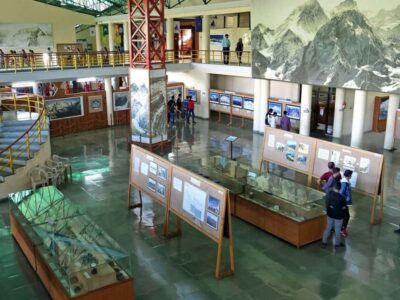
Sarangkot Sunrise with Half or Full-Day City Tour
Read our review →
Full Day Private Top 4 UNESCO Heritage Tour W/Lunch.
Read our review →Browse the lists this tour appears in