
Reviewed · AUSTRALIAN CAMP HIKES
Pokhara: Day Hike to Australian Camp
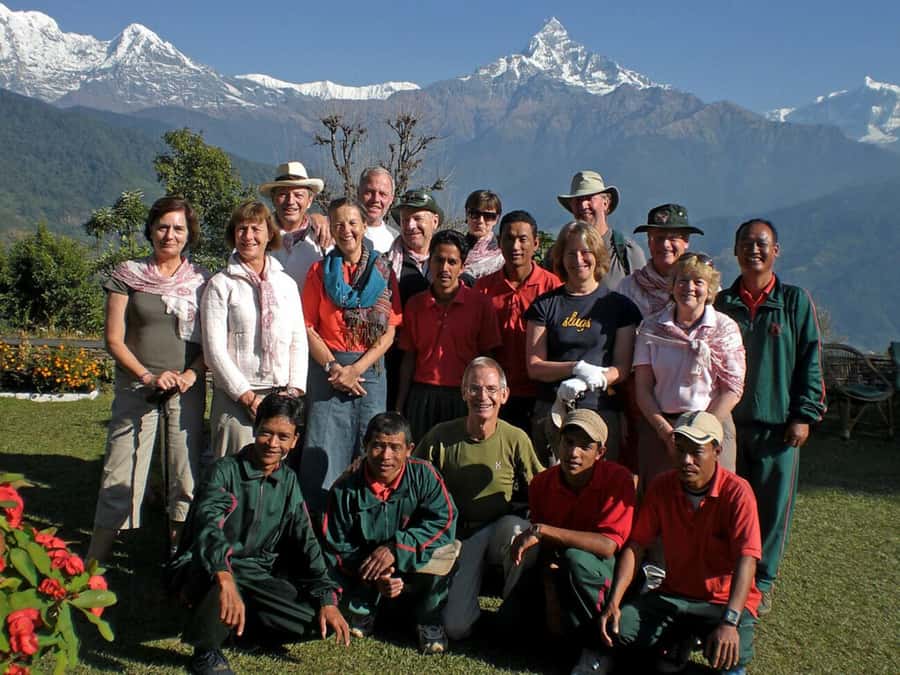
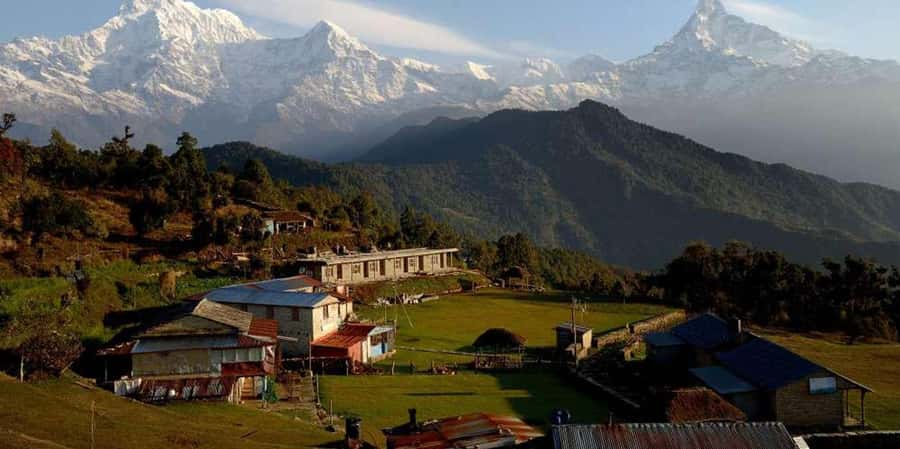
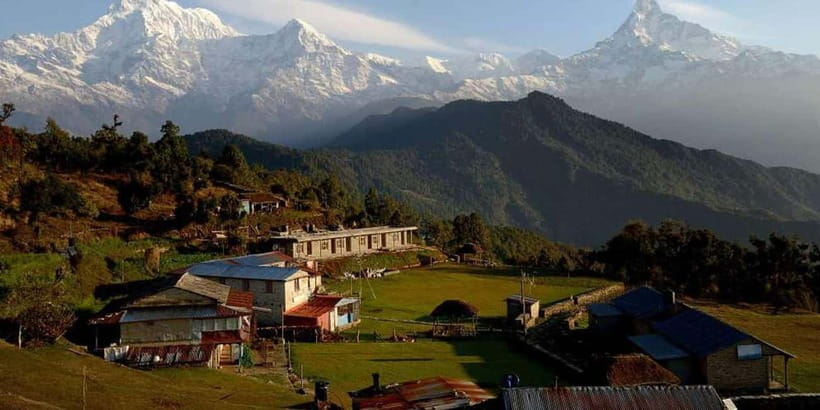
Australian Camp gives you the big Himalayan payoff without a long trek. From the Gurung village of Dhampus, the trail climbs through terraced fields and rhododendron forest to a ridge at about 2,100 meters, with views toward Machhapuchhre, Annapurna South, Hiunchuli, Lamjung Himal, and the Dhaulagiri range. The drive from Pokhara takes about 1.5 hours, and the walk to camp takes roughly one to two hours.
I like two things especially: the mix of mountain views and village life, and the fact that the hike is short enough to fit into a single day. Guide Moti has helped solo hikers feel safe, explained Nepali customs and mountain routes, and even made conversation with people living along the trail. The main consideration is cost clarity: the $30 tour price does not include the car, so you should budget another $20 paid directly to the driver.
Key Points
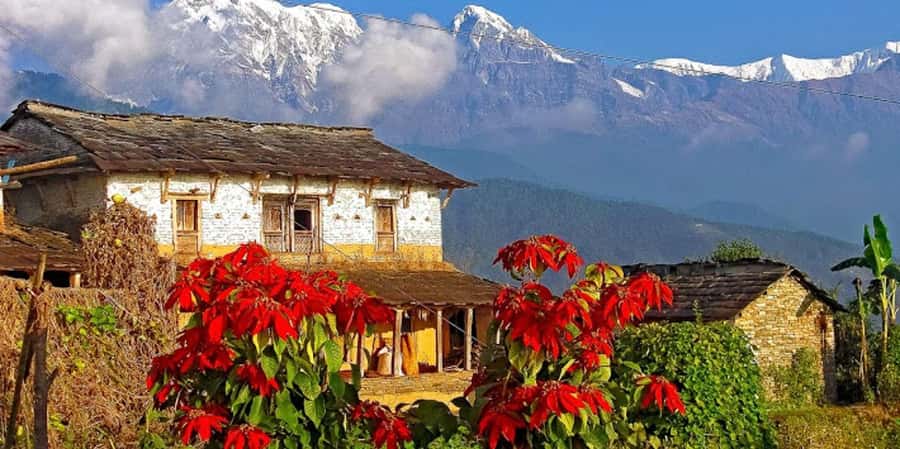
- Gurung culture in Dhampus: Walk through a traditional village before the trail begins.
- Short Himalayan hike: Reach Australian Camp after about one to two hours of walking.
- Mountain views: Look for Machhapuchhre, Annapurna South, Hiunchuli, Lamjung Himal, and Dhaulagiri.
- Best forest season: Rhododendrons are especially colorful from March to April.
- Helpful guiding: Moti can explain Nepal, local life, and the hiking routes in English.
- Extra transport charge: The listed $30 price requires an additional $20 car payment to the driver.
Why Australian Camp Works as a Pokhara Day Hike
Pokhara is famous for its lake, cafés, and mountain backdrop, but the city itself does not give you much time on foot in the hills. This trip fixes that neatly. You get a village start, a real trail, terraced farming country, forest, and a high ridge with Himalayan views, all within one day.
The appeal is not a strenuous summit. It is the variety packed into a manageable route. You can leave the city in the morning, walk at a steady pace, stop for views and conversation, and return to your hotel the same afternoon.
The walk is described as easy to moderate. That makes it a good choice if you want to try a Himalayan trail without committing to a multiday trek. Still, easy does not mean completely effortless. You will walk on a hill trail, and weather can alter the footing. During the monsoon, shoes may get wet and slippery, so proper hiking shoes matter.
The trip is also a good fit if you are traveling alone. Guide Moti has led solo hikers from Kande toward the final point, explained the route and Nepali life along the way, and helped create a reassuring experience. The supplied route description begins in Dhampus, so confirm the exact trailhead when you book. Kande and Dhampus are connected with local hiking routes, but they are not the same starting point.
More Australian Camp Hikes in Pokhara:
- 2-Day Private Trekking Tour to Australian Camp & Dhampus
★ 5.0 · 42 reviews - 1-Day Private Dhampus Trekking Tour
★ 5.0 · 35 reviews - Pokhara: Easy Day Hike to Australian Camp & Dhampus Village
★ 5.0 · 24 reviews
The Drive From Pokhara to Dhampus
The day begins with hotel pickup in Pokhara and a scenic drive of about 1.5 hours to Dhampus. The drive is not just a transfer. It shifts you from the city to a ridge village where the mountain views begin almost at once.
Dhampus is a traditional Gurung settlement with views toward the Annapurna and Manaslu ranges. Take a little time before walking to look at the village architecture and get a feel for daily life in the hills. This pause matters because the trip is not only about reaching a viewpoint. It gives you a short introduction to the communities that make the mountain region feel lived-in.
Your guide can add useful context here. Moti has explained how people hike in Nepal, discussed local customs, and helped visitors speak with people living in the mountain villages. That kind of conversation gives the scenery a human setting. You are not simply passing through fields and houses on the way to a photograph.
The village stop also helps you ease into the day. After sitting in the car, you can walk around, adjust your pack, check your water, and make sure your shoes are secure before the trail begins.
Dhampus and the Gurung Village Setting
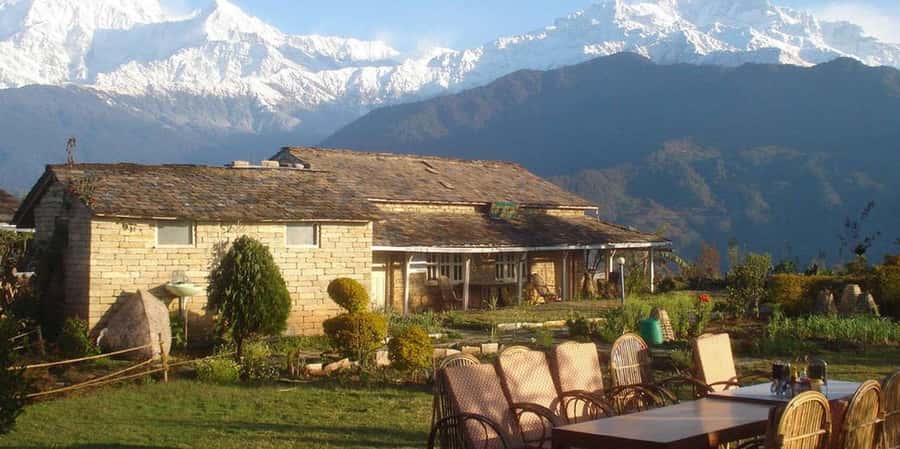
Dhampus is one of the most appealing parts of this outing because it provides culture without requiring a separate village tour. The Gurung character of the village comes through in its traditional buildings, local hospitality, and position along the hillside.
Keep your expectations practical. This is not presented as a long guided cultural program with a set of formal demonstrations. Instead, the cultural element comes through naturally as you walk, observe the architecture, and speak with your guide about Nepal and local people.
That informal approach suits the short length of the excursion. You still see a working mountain community, but the focus remains the trail and the views. If you want hours of detailed cultural visits, this will feel limited. If you want a taste of village life paired with a half-day walk, it hits the right balance.
Through Rhododendron Forest and Terraced Fields
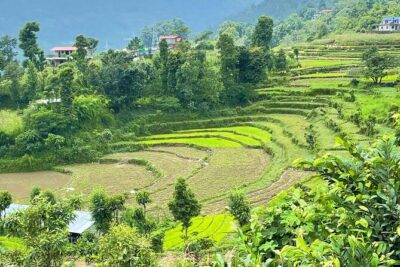
From Dhampus, the trail heads through terraced farmland and forest. The terraces show how carefully people use the steep hillsides for agriculture. They also break up the walk with open sections where you can look back toward the surrounding peaks.
Rhododendron forest covers sections of the route. March and April are the strongest months for flowers, when the forest can add bright color to the hike. Outside that period, the trees still provide shade and a pleasant change from the open fields, but you should not expect peak blooms year-round.
The trail is described as easy to moderate, though rain changes the equation. A wet route can make the ground slick, and your footwear may become soaked during the monsoon. Bring shoes with solid grip and enough protection to handle wet conditions. Sunglasses, a hat, sunscreen, and a light layer are sensible because the day moves between exposed viewpoints and cooler forest.
You should also carry water and snacks. Drinking water is included, but a small snack gives you flexibility if you want to pause at a viewpoint or if lunch timing does not suit your appetite. Meals and other drinks are not included.
A few more Pokhara trips to weigh up
- Poon hill Trek 3 days
★ 5.0 · 176 reviews - Trekking in Annapurna/Langtang/Everest/Upper Mustang regions
★ 5.0 · 161 reviews - Pokhara: 4-Day Ghorepani, Poonhill & Ghandruk Mountain Trek
★ 5.0 · 132 reviews - Ghorepani – Poon Hill Trek 3N-4D
★ 5.0 · 125 reviews
The Ridge Views at Australian Camp
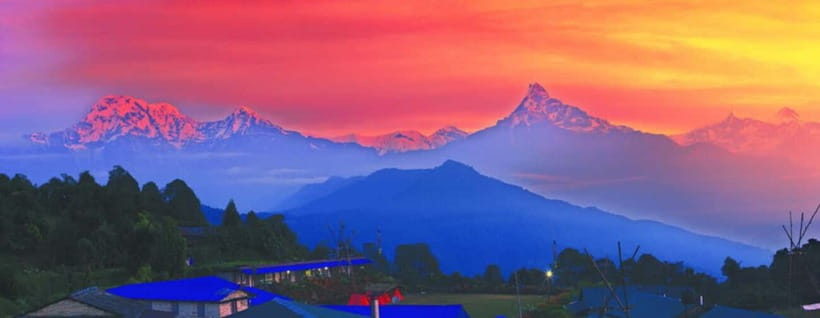
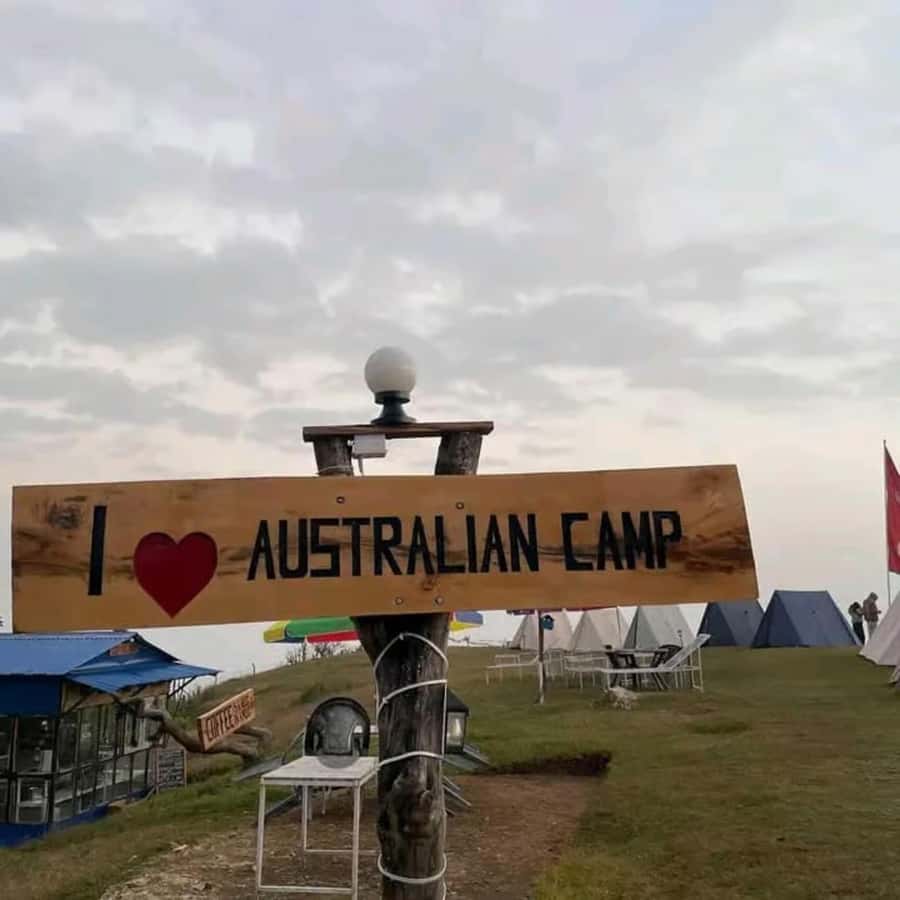
After about one to two hours of hiking, you reach Australian Camp, also called Australian Base Camp. At roughly 2,100 meters, it is high enough to give you wide mountain views while remaining realistic for a day outing from Pokhara.
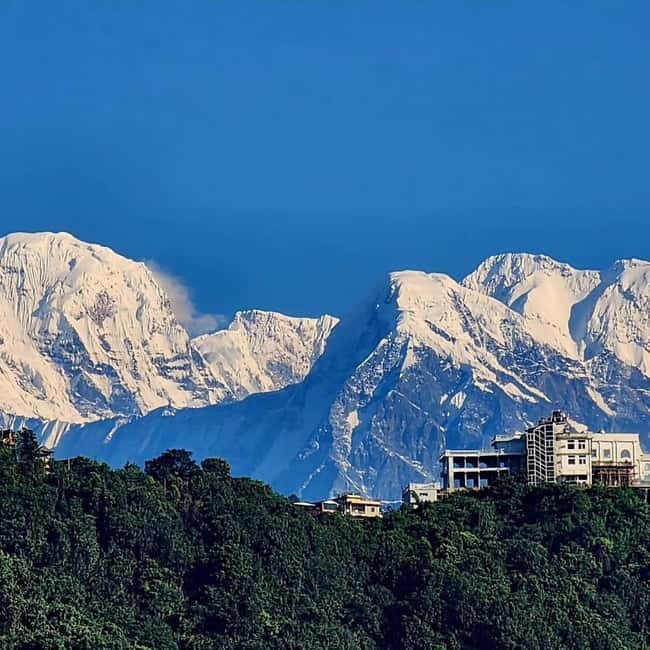
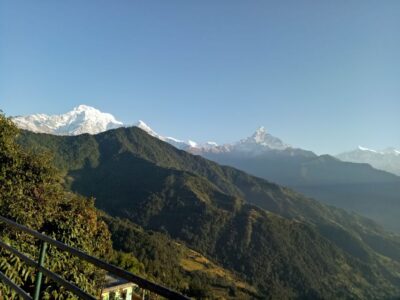
The viewpoint is known for broad views toward the Annapurna and Dhaulagiri ranges. Along the way, you may see Machhapuchhre, the distinctive Fishtail peak, along with Annapurna South, Hiunchuli, and Lamjung Himal. The appeal is the range of peaks rather than one single lookout.
Australian Camp is also promoted as a sunrise and sunset spot. That is worth knowing, but the standard day schedule does not appear designed for both. One organized day ran from an 8 a.m. hotel pickup to a return around 3:30 p.m., and the described plan returns after relaxing at the camp. For sunrise or sunset, ask specifically about a different departure or overnight arrangement rather than assuming the usual day trip includes either one.
Weather is the great variable. Clear skies can give you the dramatic Himalayan views shown in the trip description. Cloud, rain, and strong wind can block the peaks. A rainy day does not ruin the walk, but it changes the reward. One outing continued through rain and strong wind, with a stop at a local home for tea and roasted corn. That sort of unplanned pause can become a memorable part of the day, but you should book with flexible expectations about visibility.
What the Guide Adds to the Walk
The guide is important here because the route itself is not the only product. Moti has been singled out for kindness, steady help, and clear explanations from the trailhead to the final viewpoint.
For you, that can mean several practical benefits. A guide can help set a comfortable pace, explain what you are seeing, handle local questions, and make conversation easier in the villages. If you are hiking alone, having someone with you can also make the day feel more secure.
The cultural value is strongest when the guide turns a passing scene into a conversation. A terraced field becomes part of a discussion about mountain farming. A village home becomes a chance to understand local hospitality. A peak becomes more than a name on a photograph.
Languages listed for the experience are English, Japanese, and Chinese. Confirm your preferred language when booking. The clearest individual guiding details available concern Moti and English-language support, so do not assume every departure will have the same guide.
Timing, Transport, and the Real Price
The activity price is $30 per person. That includes hotel pickup and drop-off in Pokhara, an English-speaking trekking guide, drinking water, local taxes, and entry permits such as ACAP or TIMS when required.
The important catch is the vehicle charge. A car for the transfer is arranged separately, and you pay $20 directly to the driver with no commission. Factor that into your budget before comparing this with other Pokhara hikes. For a solo participant, the extra car cost has a much larger effect than it would for a small group sharing transport.
The practical value is still good if you want a private or small-scale day in the hills and prefer not to arrange transport, permits, and a guide on your own. The value is weaker if you are comparing only the advertised $30 with the total amount you will actually spend.
Meals and drinks are not included. Bring water and snacks, and carry some cash for personal purchases or an informal stop. A local house may offer tea or roasted corn, but you should not treat that as a guaranteed part of the program.
The schedule can run from morning until midafternoon. One reported plan picked up at 8 a.m. and returned around 3:30 p.m. That leaves most of the evening free in Pokhara, which is useful if you are fitting this between other activities.
Weather, Footwear, and Trail Comfort
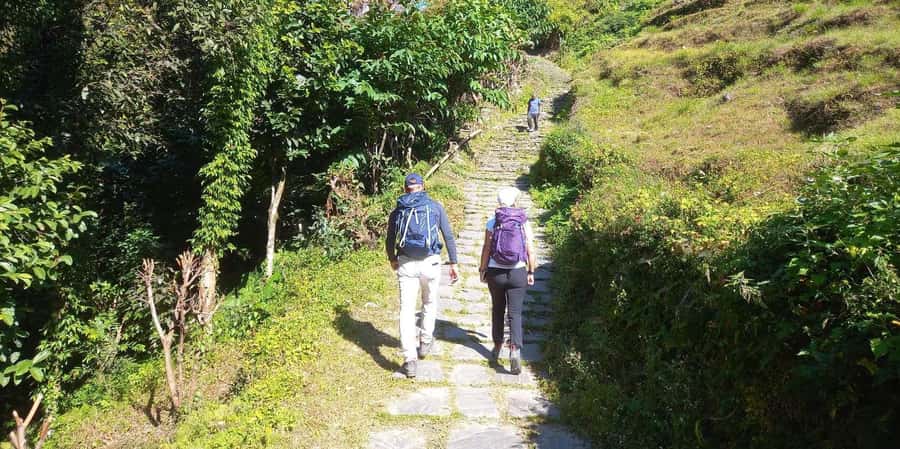
The best preparation is simple: wear shoes you trust on uneven, wet ground. Comfortable walking shoes may be enough in dry weather, but sturdy hiking shoes are a better choice if rain is possible.
Monsoon conditions deserve special attention. Wet shoes and slippery sections can make an otherwise gentle walk less pleasant. Bring a rain layer if the forecast calls for showers, and keep your camera and spare clothing protected.
Temperatures can change during the day. The forest may feel cooler, while open sections and the viewpoint can bring sun, wind, or both. Sunglasses, a hat, sunscreen, and an extra layer cover the basic changes without adding much weight.
Smoking is not allowed. You should also respect local customs and traditions, especially when walking through villages or stopping near homes. Ask before taking close photographs of people or private buildings.
The outing is not suitable for wheelchair users or people with back problems. The trail involves hill walking, and the vehicle ride and uneven route may be uncomfortable if your back is sensitive.
Who Should Book This Hike
I would choose this trip if you want a first taste of trekking near Pokhara, especially if you have only one free day. It suits people who want mountain views but do not want a long, punishing route.
It is also a strong choice for solo hikers who prefer a guide. Moti’s support, local explanations, and help with conversations can add much more than route-finding alone.
Families with older children or adults at a basic fitness level may find the distance manageable, but the trail condition and weather should guide your decision. Anyone expecting a flat walk, guaranteed snow-peak views, or a fully inclusive price should reconsider.
Strong photographers should watch the forecast closely. The setting offers excellent mountain subjects and changing light, but clouds can hide the peaks. If the mountains are your main reason for going, flexibility is more valuable than a fixed promise of perfect views.
Booking Details and Cancellation
You can reserve now and pay later, which helps if your Pokhara plans may change. Cancellation is allowed up to 24 hours before departure for a full refund.
Confirm three points before you finalize the booking: the exact trailhead, since Dhampus is the stated start but Kande appeared in one guided outing; the language and guide assigned; and the separate $20 car payment.
Should You Book Australian Camp?
Book it if you want a short, varied mountain day with a real village setting, terraced fields, forest, and a strong chance of wide Himalayan views. The guide service, especially with Moti, adds useful local contact and can make a solo outing feel much more comfortable.
Skip it if you need wheelchair access, have back problems, dislike wet or uneven trails, or want sunrise and sunset on the same standard day schedule. Also skip it if the separate car payment would make the true price uncomfortable.
For most fit visitors based in Pokhara, this is a sensible introduction to Nepalese hill walking. Just bring proper shoes, check the forecast, carry snacks, and treat the $20 transport charge as part of the real cost.
FAQ
How much does the Australian Camp day hike cost?
The listed price is $30 per person. A car transfer is arranged separately, and you pay an additional $20 directly to the driver.
What is included in the $30 price?
Hotel pickup and drop-off in Pokhara, an English-speaking trekking guide, entry permits when required, drinking water, and local taxes are included.
Are meals and drinks included?
No. Meals and drinks are not included. Bring water and snacks for the hike.
Where does the hike start?
The described route starts in Dhampus after the drive from Pokhara. One guided outing used Kande, so confirm the exact starting point before departure.
How long is the drive from Pokhara to Dhampus?
The scenic drive takes about 1.5 hours.
How long does the hike to Australian Camp take?
The walk from Dhampus to Australian Camp takes about one to two hours. You then retrace the route to Dhampus for the return drive.
How high is Australian Camp?
Australian Camp sits at approximately 2,100 meters, or 6,889 feet.
Which mountains can you see?
Possible views include Machhapuchhre, also called Fishtail, Annapurna South, Hiunchuli, Lamjung Himal, Annapurna, Manaslu, and Dhaulagiri ranges.
Is the hike difficult?
The route is described as easy to moderate. Wet weather can make the trail slippery, so comfortable hiking shoes with good grip are important.
Can I cancel for a full refund?
Yes. You can cancel up to 24 hours in advance for a full refund.
Just added around Pokhara
- Seti George and Thrilling Suspension Bridge Tour at Pokhara★ 4.5 · 3 reviews
- Tandem Paragliding in Pokhara★ 4.8 · 8 reviews
- Pokhara: Sunrise Tour to Sarangkot★ 5.0 · 3 reviews
- Pokhara: Suspension Bridge Private Tour- 30 Min Village Walk★ 4.8 · 9 reviews
- Pokhara: Visit Best Seven Tourist Destination by Sharing Bus★ 3.4 · 10 reviews
- Pokhara Sightseeing By Bus: Day Trip★ 4.6 · 7 reviews
- Pokhara Sightseeing By Bus – Day Trip★ 3.2 · 8 reviews
- Pokhara: Sarangkot Sunrise & Panoramic Annapurna View Tour★ 4.8 · 10 reviews
Australian Camp Hikes, compared.
2-Day Private Trekking Tour to Australian Camp & Dhampus
Read our review →
1-Day Scenic Australian Camp & Dhampus Guided Hike
Read our review →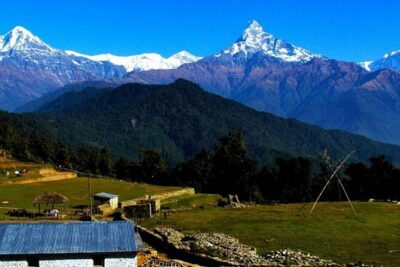
Easy Day Hike to Australian Camp & Dhampus Village
Read our review →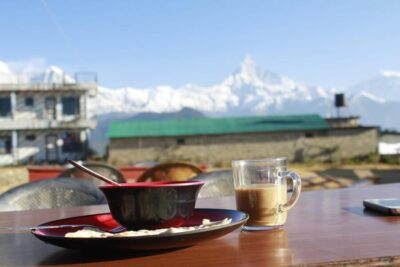
1 N 2 Days easy Dhampus,Australian camp trek from Pokhara
Read our review →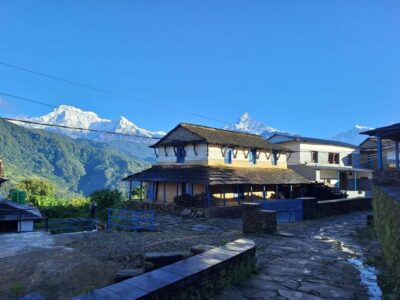
2-Day Australian Camp & Dhampus Village Easy Hike
Read our review →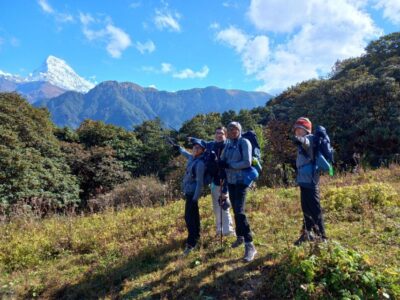
Browse the lists this tour appears in