
Reviewed · POKHARA TOURS
Pokhara Day Bus Sightseeing 8 points
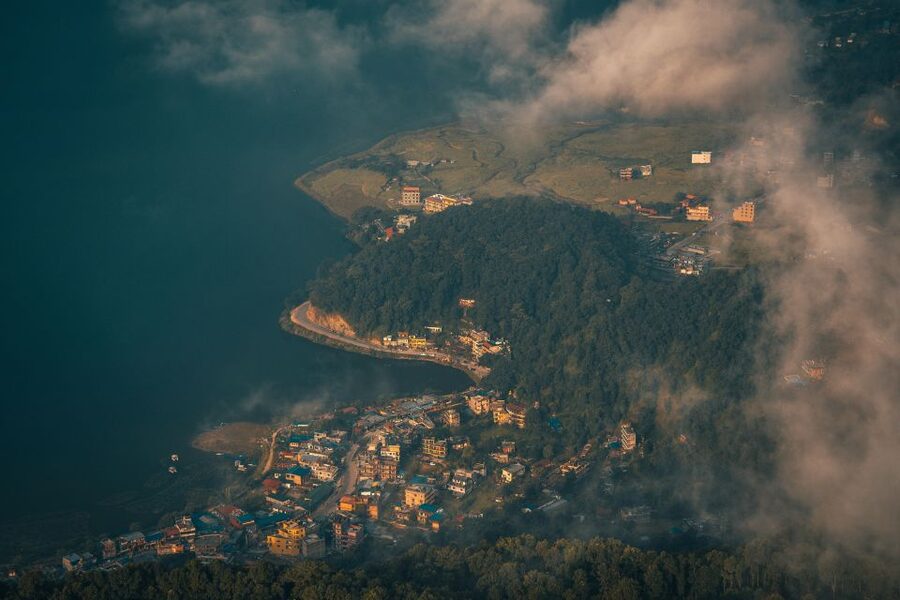
Pokhara packs mountain views, sacred places, caves, waterfalls, and a peaceful lake into one busy outing. This $19 bus tour gives you a low-cost way to see the city’s main sights without arranging several taxis, though the stated four-hour duration does not match the long list of stops and visit times.
I like the easy pickup from Lakeside and the range of sights, especially Pumdikot Shiva Statue and World Peace Pagoda, where you can look across Pokhara and toward the Annapurna range. I also like that fuel, taxes, the driver, and hotel drop-off are included. The tradeoff is simple: the bus may be old, English guidance can be limited, and entrance fees and food cost extra.
Key points to know before booking
- Pumdikot starts the day with broad valley and mountain views, making it one of the strongest photo stops.
- World Peace Pagoda adds a quiet spiritual pause above Phewa Lake.
- Davis Falls and Mahendra Cave provide Pokhara’s most dramatic natural sights, but cave access may feel tight.
- This is a bus outing, not a polished private tour, and one account described the vehicle as old and dirty.
- English support is not guaranteed, so your phone, meeting times, and clear pickup details matter.
- The $19 fare covers transport and service costs, not entry tickets or meals, so budget for those separately.
What this $19 Pokhara bus tour is really like
This is a sightseeing circuit built for coverage. You move from a high viewpoint to a Buddhist peace monument, then to a waterfall, cave, gorge, temple, and lake. It is less about spending a long, quiet hour at one place and more about collecting a broad picture of Pokhara in one day.
The tour starts around 9:00 in the morning, with hotel pickup from the Lakeside area. You are asked to be ready around 8:40 and to send the hotel name, street address, and phone number in advance. That advice matters. Pokhara has many hotels and small lanes, and a vague pickup point can waste the first part of your morning.
The published schedule says four hours, but the listed stops add up to much more than four hours. Several places are assigned 30 to 60 minutes, and the route includes a repeat entry for Mahendra Cave. Treat the timing as a general outline rather than a promise of four hours at every stop. Ask for the exact plan before departure.
The group setup also matters. You ride in a shared bus or coach with an experienced driver and a host or greeter who may speak Nepali, Hindi, or English. One account praised the organization, transport, guide, and fellow participants. Another found that the guide spoke very little English and mainly indicated when it was time to return to the bus. If you need detailed explanations at every sight, this may feel thin.
Other Pokhara days worth booking alongside this:
- ZipFlyer Nepal – The World’s Steepest Zip-line
★ 5.0 · 608 reviews - Bungee Pokhara by HighGround Adventures
★ 5.0 · 366 reviews - From Pokhara: Sarangkot Sunrise Himalayas Tour
★ 4.7 · 218 reviews
Pumdikot Shiva Statue and the first big view
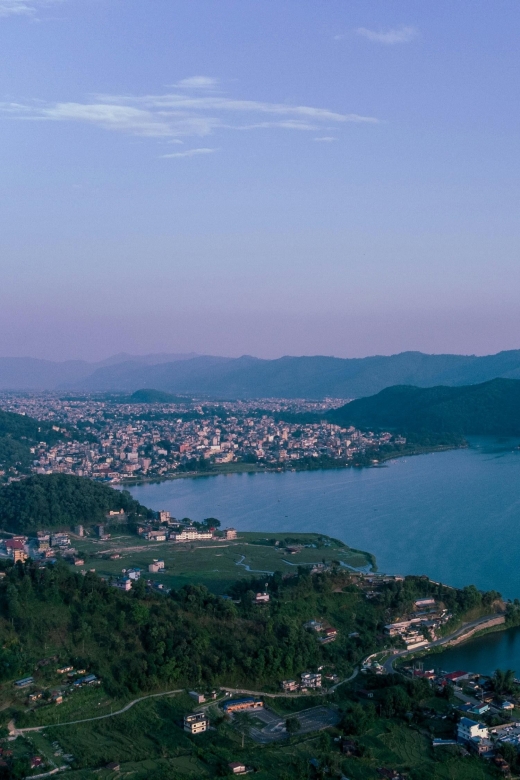
The first major stop is Pumdikot, known for its large Shiva statue and its position above Pokhara Valley. You have about an hour here according to the schedule, with guided sightseeing.
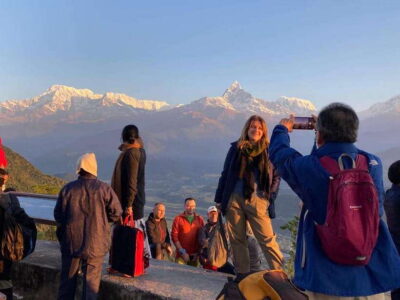
The reward is the view. From this height, you can take in the valley, the city, and surrounding mountain country in one glance. If the air is clear, this is a good place to use your phone camera because the open setting gives you a much wider frame than you get in the city below.
The statue also sets the tone for the day. Pokhara is not only a base for mountain trips. Religious sites are part of daily life here, and Pumdikot gives you a quick introduction to that side of the city.
You should expect some walking and standing. The tour is not designed for wheelchair users or people with mobility impairments, and it is also not recommended for people with back problems, heart problems, high blood pressure, low fitness, or motion sickness. Those warnings are worth taking seriously when a route combines bus travel, stairs, viewpoints, and caves.
World Peace Pagoda above Phewa Lake
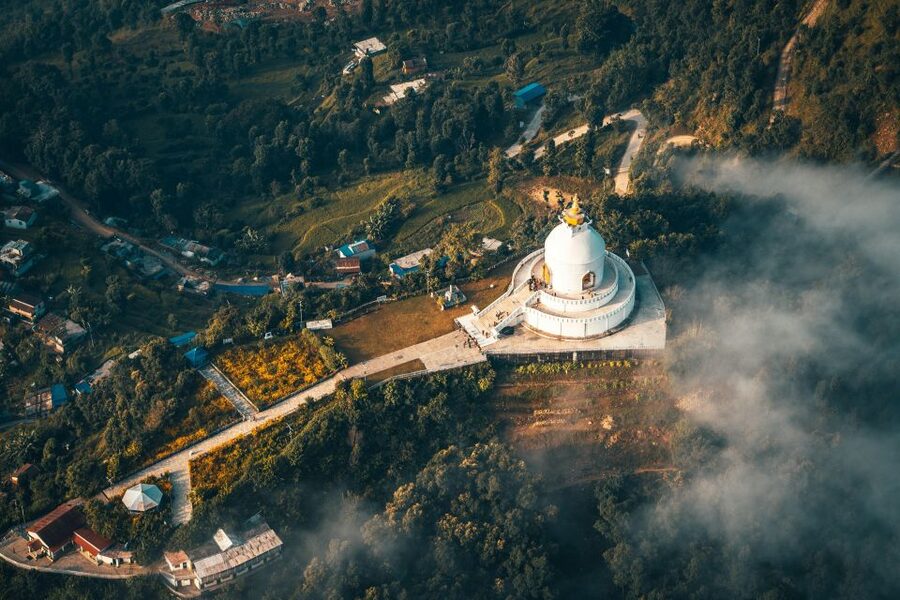
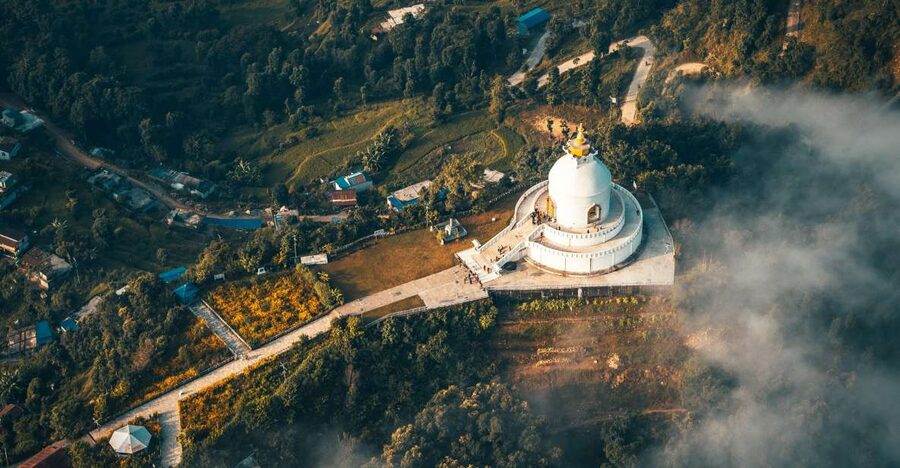
World Peace Pagoda is the most peaceful stop on the route. The white monument looks across Phewa Lake and toward the Annapurna range, giving you a broad view that balances the closer city scenes at Pumdikot.
The schedule allows about an hour here. Use it for photos, a quiet look around, and a chance to slow down before the bus circuit becomes more crowded with stops. The spiritual purpose of the pagoda is clear, so keep your behavior calm and respectful.
Weather can shape this stop. The tour promises panoramic mountain views, but mountains are not guaranteed on every visit. Clouds, haze, and changing light may hide the range. Even then, the lake and valley views make the stop worthwhile, but you should not book the tour only for a perfect Annapurna photograph.
This is one of the places where a basic guide can be enough. You can appreciate the monument, the setting, and the views without needing a long lecture. If you want detailed religious or architectural background, ask questions early and be ready for short answers.
Davis Falls and the force of underground water
Davis Falls brings a sharper change of mood. Water drops into a narrow channel and disappears into an underground passage, creating one of Pokhara’s best-known natural sights.
The visit is listed at 30 minutes. That is enough for a look, a few photographs, and a walk around the viewing area, but not enough for a slow exploration. Watch your footing and keep close to the meeting instructions, since the bus will not wait indefinitely if the group has a fixed return time.
The unusual feature here is not simply the waterfall. It is the way the water vanishes below ground. The combination of falling water, rock, and tunnel gives the site a bit more character than a standard viewpoint.
The attraction can feel busy and practical rather than untouched. That is part of the deal with a low-cost city circuit. You get to see the feature without arranging separate transport, but you do not get a private, unhurried visit.
Same mountains, a completely different kind of day:
- ATV Adventure Tour in Pokhara, Nepal
★ 5.0 · 194 reviews - Full-Day Tibetan Cultural Tour to Tibetan Settlements Pokhara
★ 5.0 · 184 reviews - Pokhara: Full-Day Sharing Bus Tour on 7 Iconic Destination
★ 4.1 · 179 reviews - Poon hill Trek 3 days
★ 5.0 · 176 reviews
Mahendra Cave and Gupteshwor Mahadev
Mahendra Cave is the most enclosed stop. It is known for stalactites and stalagmites, and the tour also refers to the sacred Gupteshwor Mahadev Cave within the complex.
The planned visit is about an hour. You will want shoes with a good grip and clothes that allow easy movement. A charged phone helps with photos, although cave lighting can make phone pictures difficult.
This is where the health warnings become especially relevant. The experience is not suitable for people with claustrophobia, and the tour also excludes wheelchair users and people with mobility problems. The listing specifically asks you to bring comfortable shoes, which is sensible advice for uneven cave surfaces.
The schedule names Mahendra Cave twice, once before Seti River Gorge and again later in the day. That may be a scheduling error, or it may reflect a return to the same area. Ask about this before you board. You do not want to spend valuable time repeating a stop when you expected another temple or a longer lake visit.
For many people, the cave is more memorable than the bus ride itself. It adds texture to a day otherwise filled with open views and religious sites. Just keep your expectations realistic. This is a short organized visit, not a technical cave trip.
Seti River Gorge in a short 30-minute stop
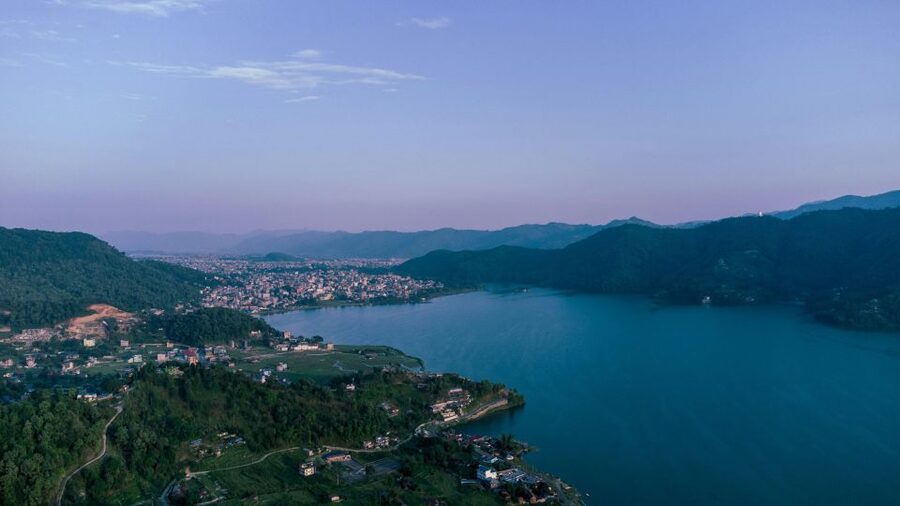
The Seti River Gorge shows a different side of Pokhara. The Seti River has cut a narrow channel through limestone rock, leaving a deep gorge in the middle of the city.
The stop lasts about 30 minutes. You may spend much of that time at or near a bridge, looking down into the cut and taking photographs. The attraction works because it is easy to reach and contrasts strongly with the wide views from Pumdikot and the pagoda.
Do not expect a long riverside walk. The schedule gives you a quick visit, so the value comes from seeing the geological feature and understanding how dramatically the river has shaped the city. A guide who only manages the clock can still get you here, but you may need to read the site information or use your own guidebook for more context.
Bindabasini Temple and Pokhara’s spiritual center
Bindabasini Temple brings the tour back to a living religious setting. It is an ancient temple with strong cultural and religious importance, and the listed visit lasts about 45 minutes.
Dress and act respectfully. Keep noise down, follow any instructions at the temple, and remember that this is a place of worship rather than just a photo stop. The tour rules also prohibit loud behavior, smoking, alcohol, drugs, and intoxication.
This visit is useful because it shows you how spirituality fits into ordinary Pokhara life. The World Peace Pagoda offers a calm hilltop setting, while Bindabasini gives you a more direct look at temple worship and local tradition.
The tour data does not identify a specific guide by name. Instead, the host may speak Nepali, Hindi, or English. If English explanation is important to you, confirm that point when booking rather than assuming the word English means fluent commentary.
Phewa Lake, the gentle finish
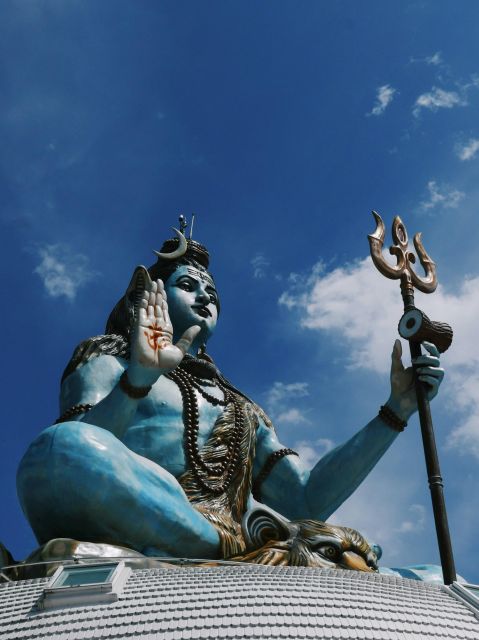
Phewa Lake is the natural place to end the route. The schedule allows up to an hour, and you may take a boat ride or simply rest beside the water.
The lake gives the day a softer finish after the cave, gorge, waterfall, and temple visits. If you have already spent time in Lakeside, this stop may feel familiar, but arriving as part of the circuit helps connect the lake with the viewpoints and religious sites you saw earlier.
A boat ride is not included in the listed fare, so expect to pay separately if you choose one. Food is also excluded, as are personal expenses. Carry some money for entry tickets, refreshments, and any optional activity.
The plan also includes a 15-minute break in Lakeside before returning to the starting area. Confirm whether the lake visit and the break are separate portions of the day. The schedule contains some repeated or overlapping details, so a quick question at pickup can prevent confusion.
Shared transport, guide quality, and the real value
At $19 per person, this tour is priced for convenience rather than comfort. Pickup and drop-off, fuel, taxes, service charges, the tour operator, and the driver are included. That is useful if you do not want to negotiate with several taxi drivers or build the route yourself.
The cost becomes less clear once you add entrance fees and food. The total price will be higher than $19, and you should compare it with the cost of hiring a taxi for a private day. A private vehicle may give you more control, but the bus spreads transport costs across the group and removes much of the planning work.
The bus itself is a key consideration. One detailed account described it as old and dirty. Other feedback praised the transportation and organization, so conditions may vary. I would choose this tour if low price and a fixed route matter more to you than a polished vehicle.
The social side can be a plus. One positive account described meeting a friendly group and enjoying the people on the outing. Another noted that the group was mostly local or Indian rather than Western. That is not a problem unless you are expecting an English-focused international group. The atmosphere may feel more like a local shared excursion than a high-end foreign-language tour.
English is the biggest practical question. One person rated the experience highly for organization, guide, and transportation, while another said the guide did not really speak English. Prepare for basic instructions about where to meet and when to return, not necessarily detailed interpretation at each sight.
Who should book this Pokhara day circuit?
You are a good fit if you want to see many major sights at a low starting price, are comfortable with shared transport, and can enjoy places without needing a long explanation. It also suits a first visit when you have limited time and want an overview before deciding where to return independently.
You may want another option if you have back, heart, mobility, blood pressure, or motion problems. Claustrophobia is a serious concern at Mahendra Cave. The experience is also not suitable for babies under one, people over 95, people over 150 kilograms, wheelchair users, visually impaired people, or people with very low fitness.
The listing also marks the tour as unsuitable for vegans, though it does not explain why. If that affects you, ask the operator for clarification before booking. You should also bring a passport or ID copy, comfortable clothes, comfortable shoes, a charged smartphone, and a garbage bag. Littering is prohibited, and the garbage bag helps you keep personal waste with you.
Free cancellation is available up to 24 hours before departure, and you can reserve now and pay later. That gives you some flexibility, but the more important step is confirming your pickup address one day before the trip, or at least one hour before pickup.
Should you book the Pokhara bus tour?
Book it if you want maximum sightseeing for a modest transport fee and can accept a basic shared-bus experience. Pumdikot, World Peace Pagoda, Davis Falls, Mahendra Cave, Seti Gorge, Bindabasini Temple, and Phewa Lake give you a strong spread of Pokhara’s views, faith, geology, and city life.
Skip it if you need a clean modern vehicle, fluent English commentary, exact timing, or a slow visit at each stop. Before paying, ask three direct questions: Is the tour really four hours, which entrance fees must you pay, and who will provide the English guidance? If the answers suit you, this is a useful budget introduction to Pokhara, with enough variety to make the day worthwhile.
FAQ
How much does the Pokhara bus sightseeing tour cost?
The listed price is $19 per person. Entry fees, food, and personal expenses are not included.
How long does the tour last?
The advertised duration is four hours. The listed stop times add up to longer than four hours, so you should confirm the actual schedule with the operator before departure.
Where does pickup take place?
Pickup is included from your hotel in the Lakeside area of Pokhara. You need to provide the hotel name, street address, street number, and contact number to confirm the meeting point.
What languages are available?
The host or greeter may speak Nepali, Hindi, or English. English fluency is not guaranteed, so ask about the level of English guidance before booking.
What sights are included?
The route includes Pumdikot Shiva Statue, World Peace Pagoda, Davis Falls, Mahendra Cave, Seti River Gorge, Bindabasini Temple, Mahadev Temple, and Phewa Lake. The schedule also lists Mahendra Cave twice, so confirm that detail with the operator.
Can I cancel the booking?
You can cancel up to 24 hours in advance for a full refund. The reserve-now-and-pay-later option lets you hold a place without paying at the time of booking.
Just added around Pokhara
- Seti George and Thrilling Suspension Bridge Tour at Pokhara★ 4.5 · 3 reviews
- Tandem Paragliding in Pokhara★ 4.8 · 8 reviews
- Pokhara: Sunrise Tour to Sarangkot★ 5.0 · 3 reviews
- Pokhara: Suspension Bridge Private Tour- 30 Min Village Walk★ 4.8 · 9 reviews
- Pokhara: Visit Best Seven Tourist Destination by Sharing Bus★ 3.4 · 10 reviews
- Pokhara Sightseeing By Bus: Day Trip★ 4.6 · 7 reviews
- Pokhara Sightseeing By Bus – Day Trip★ 3.2 · 8 reviews
- Pokhara: Seti River Rafting Adventure with Hotel Pickup★ 5.0 · 5 reviews
Pokhara Tours, compared.
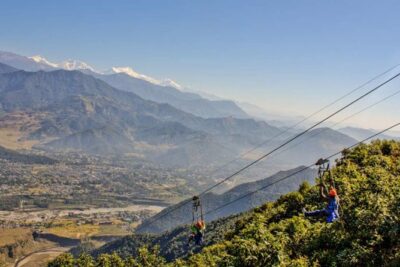
ZipFlyer Nepal – The World’s Steepest Zip-line
Read our review →

Full-Day Tibetan Cultural Tour to Tibetan Settlements Pokhara
Read our review →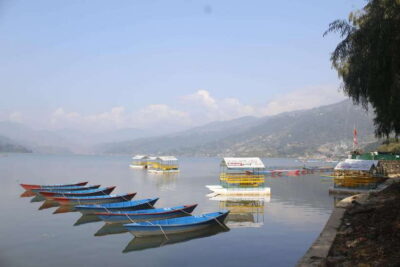
Full-Day Sharing Bus Tour on 7 Iconic Destination
Read our review →
4-Day Ghorepani, Poonhill & Ghandruk Mountain Trek
Read our review →Browse the lists this tour appears in