
Reviewed · HIKING & TREKKING
Pikey Peak Trek
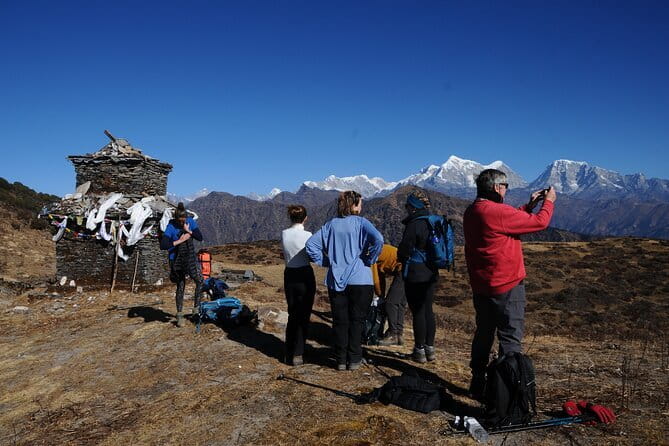
Pikey Peak gives you a rare Himalayan prize: wide Everest views without the Lukla flight or crowded Everest Base Camp route. The seven-day trip runs from Kathmandu through Dhap, Jhapre, Pikey Peak, Junbesi, and Phaplu, mixing mountain walking with quiet villages and monastery visits.
I like the peaceful trail and the chance to walk through blooming rhododendron forest with very few other people around. I also like the human touch: guides such as Sabin and Raj are praised for care, energy, and clear English, while the local tea-house welcome adds warmth to basic mountain accommodation.
The main catch is the long road travel. Day seven can take about 10 hours by vehicle, and the sunrise hike reaches 4,066 meters, so this is accessible but not effortless for every age or fitness level.
What makes this trek worth your week
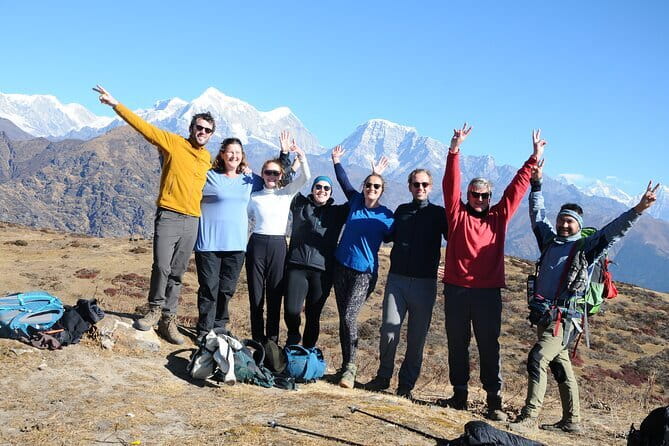
- Everest views from Pikey Peak: The summit viewpoint offers a panorama that includes seven of the world’s highest mountains.
- No flight to Lukla: You reach the trailhead by road from Kathmandu, avoiding one costly and weather-sensitive part of many Everest-area trips.
- A quiet Himalayan route: The path is far less busy than the Annapurna and Everest Base Camp trails.
- A sunrise worth the early alarm: The final one-hour climb to Pikey Peak is timed for morning light over the mountains.
- Tupten Choling Monastery: Day six includes a visit to one of the region’s largest nunneries, home to about 20 nuns.
- Small-group feel: The maximum group size is 20 people, with meals, transport WiFi, and a local guiding team included.
Why Pikey Peak feels different from Everest Base Camp
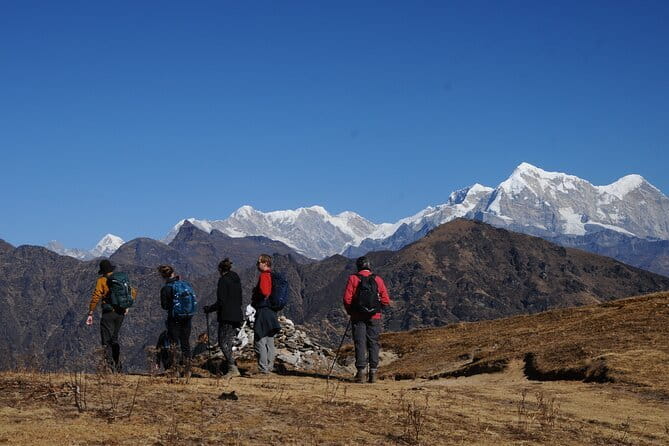
If you want to see Mount Everest but do not want to spend two weeks on a famous high-altitude route, Pikey Peak makes good sense. The journey is shorter, the trail is quieter, and you avoid flying into Lukla. That last point matters to anyone who dislikes small-aircraft travel or wants a simpler start and finish from Kathmandu.
This is not an Everest Base Camp substitute in the strict sense. You do not walk to the foot of Everest, and the main reward is the view from a mountain ridge rather than a famous base camp. Still, for seven days, the scenery is unusually generous.
You get Himalayan sunrise views, village life, forest, open ridges, tea-house nights, and a monastery visit. The route also follows part of the historic Hillary Trail, tying the walk to the early Everest era without turning the trip into a museum visit.
The route has a useful mix of walking days. Some sections are easy and follow a newly built road. Others climb steadily toward Pikey Peak Base Camp and the summit. That variety helps explain why the trek appeals to families, older hikers, and beginners, though the height and uphill sections still deserve respect.
A few more Kathmandu trips to weigh up
- Everest Base Camp Trek – 14 Days
★ 5.0 · 1,499 reviews - Everest Base Camp Trekking
★ 5.0 · 485 reviews - Nagarkot Sunrise View and Day Hiking from Kathmandu
★ 5.0 · 471 reviews
Day 1: Kathmandu to Dhap beside the Sunkoshi River
Your 6:15 a.m. start at Breeze Adventure’s office on Thamel Marg gets the road journey moving early. The drive to Dhap takes about five hours, with views of Himalayan ridges, villages, and everyday rural life along the way.
The Sunkoshi River is listed as the day’s stop, but the real value of this first day is the transition from Kathmandu’s busy streets to the quieter mountain districts. You see homes, farms, and traditional village routines from the vehicle rather than from a walking trail.
This is a scenic drive, not a trekking day. That distinction matters if you are counting active days. You will spend a good part of the morning and early afternoon seated, so keep water and a small snack within reach.
The drive also gives you time to meet the guide and group. Breeze Adventure’s team has included guides such as Kishwor, Sabin, Geli, and Raj, along with porters such as Amrit. The exact guide assigned to your departure should be confirmed before you go.
Day 2: Dhap to Jhapre on an easy start
Day two begins with a sunrise view and breakfast before the walk to Jhapre. The route takes about five hours and is described as an easy day, with much of the walking on a newly constructed road.
That road makes this a friendly introduction for first-time trekkers and families. You can settle into the pace without facing a hard climb on the first walking day. It is also a good chance to learn how your body feels at altitude before the more demanding sections begin.
The tradeoff is obvious. Road walking is less scenic and less satisfying than a narrow forest path for some people. If you are seeking a completely remote wilderness route, the road sections may feel ordinary.
Still, the mountain views and village scenes keep the day worthwhile. The best part is the gradual change in rhythm: breakfast with a mountain view, several hours on foot, and a night in a tea house rather than a city hotel.
Day 3: The climb toward Pikey Peak Base Camp
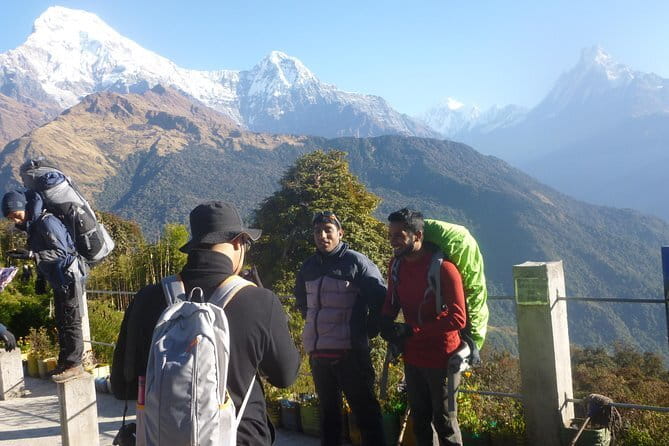
After another mountain sunrise and breakfast, you set out toward Pikey Peak Base Camp. This is a roughly six-hour walking day, mostly uphill, with some downhill sections mixed in.
The steady climb is where the trek begins to feel like a real mountain journey. You leave the easiest road walking behind and work toward the ridge that makes Pikey Peak famous. The route passes through scenic high-country terrain and, at the right time of year, blooming rhododendron forest.
The forest is one of the route’s strongest details. The walk is not only about distant white peaks. You also get color and texture close to the trail, with trees, village paths, and changing views as you gain height.
You should pace yourself here. The route is considered suitable for beginners and older people, but a six-hour uphill day is still a six-hour uphill day. Take the guide’s pace seriously and do not treat the word easy as a promise that the route will feel easy to everyone.
Tea-house accommodation keeps the evening simple. Expect the kind of mountain lodging associated with Nepal’s trekking routes: useful, social, and basic rather than luxurious. The supplied details describe the accommodation as similar to tea houses on other Nepal routes, but they do not spell out room arrangements or bathroom standards, so ask Breeze Adventure if those details matter to you.
Same mountains, a completely different kind of day:
- Private Kathmandu Sightseeing Tour | UNESCO World Heritage sites
★ 5.0 · 756 reviews - Everest Base Camp Helicopter Tour landing at Everest View Hotel
★ 5.0 · 668 reviews - Half day cooking class in Thamel kathmandu
★ 5.0 · 607 reviews - Kathmandu: Full Day 7 UNESCO Tour with Lunch – Private/Group
★ 5.0 · 415 reviews
Day 4: A 4,066-meter sunrise at Pikey Peak
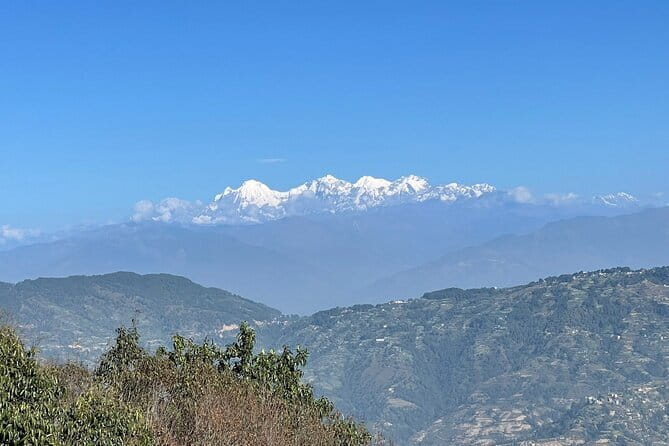
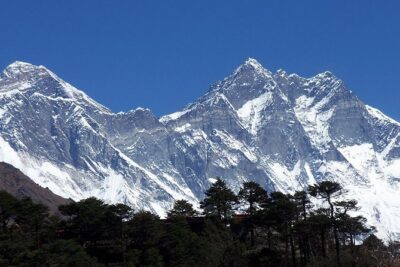
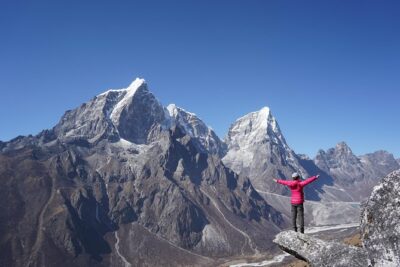
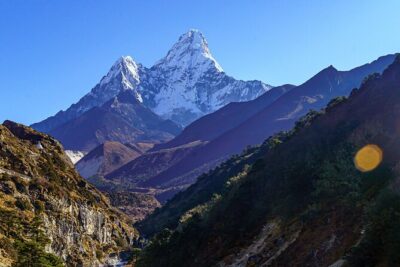
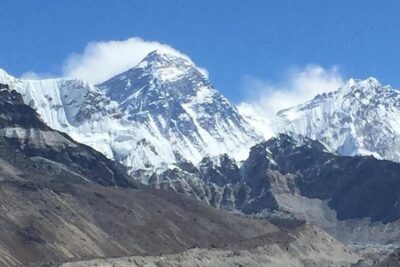
This is the centerpiece of the week. You wake early and hike for about one hour to Pikey Peak for sunrise. At 4,066 meters, the viewpoint gives you a sweeping Himalayan panorama, including Mount Everest and six other very high mountains.
The timing is the point. Sunrise turns the summit into more than a lookout. You watch the light move across the peaks, and the early start gives the day a clear purpose. Bring warm layers, since the walk begins before the sun has had time to soften the cold.
The route is not simply a quick viewpoint stop. The full day takes about six hours, so there is more walking after the sunrise visit. The summit climb may be short, but altitude can make even a one-hour uphill hike feel harder than expected.
This is also where the trek’s promise and its limitation meet. Pikey Peak is lower than many famous Himalayan destinations, and the route avoids the higher Everest Base Camp approach. But 4,066 meters is still high. The experience may suit beginners and seniors in good walking condition, yet nobody should assume that age alone determines ease.
The payoff is a peaceful viewpoint rather than a packed one. The route’s low visitor numbers are a major part of its appeal. You get room to look, take photographs, and enjoy the silence without the steady traffic found on Nepal’s best-known trekking corridors.
Day 5: Down toward Junbesi and Sherpa country
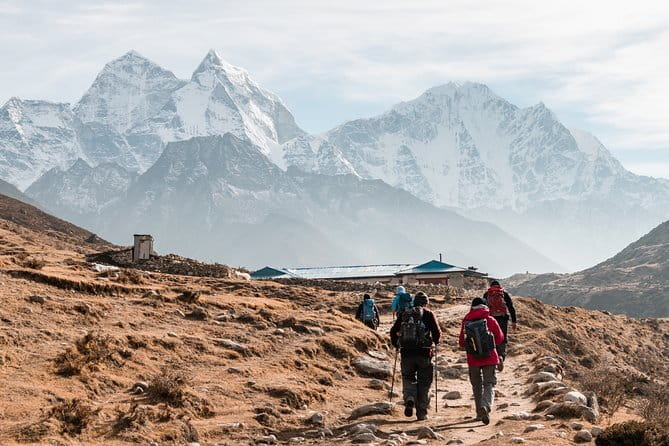
After breakfast, you walk toward Junbesi for about five hours. If your overnight stop is Jasmane Bhanjyang, the route first heads to Taktor, a walk of roughly three and a half hours, before continuing onward.
This day changes the feel of the trek. The hard work toward the summit is behind you, and the route begins to turn toward villages and lower ground. Junbesi is a natural place to slow down, enjoy the Himalayan air, and appreciate the cultural side of the journey.
The itinerary allows for more than one overnight arrangement on this section, so confirm the exact village and walking plan before departure. That small check can help you understand how much descent and how many hours you will have on foot.
The route is especially appealing in spring, when rhododendrons bloom. The forest, mountain air, and quiet trail give this section a calm quality that is hard to find on Nepal’s busiest routes.
Day 6: Tupten Choling Monastery and Phaplu
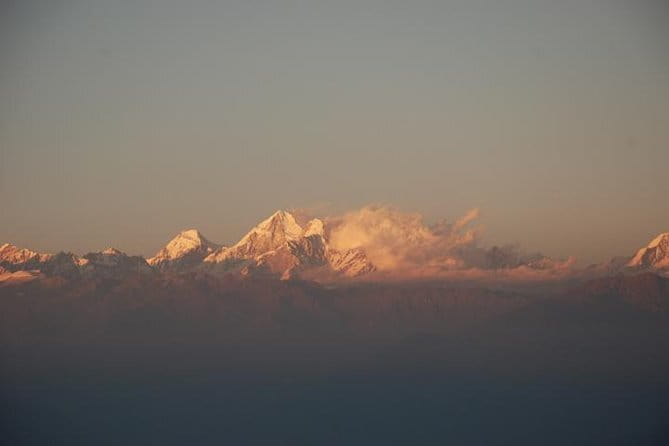
Day six combines walking with one of the trek’s most unusual cultural stops. After breakfast, you head to Tupten Choling Monastery, described as one of the largest nunneries in the region.
The monastery sits at the foot of a mountain and is home to around 20 nuns. That makes it more than a quick photograph stop. You get a look at a living religious community in a mountain setting, and the visit gives the trek a wider purpose than mountain scenery alone.
The day ends around Phaplu Airport and takes about six hours. The airport name is useful even if you are not flying. Phaplu is the road end for the final return journey, and its location gives the route a clear finish after Junbesi.
The monastery visit also rewards travelers who enjoy cultural detail. The experience does not promise a major museum or a long guided history lesson, so keep expectations grounded. Its value comes from the setting and the chance to visit an active nunnery along a quiet trekking route.
Day 7: The long road back to Kathmandu
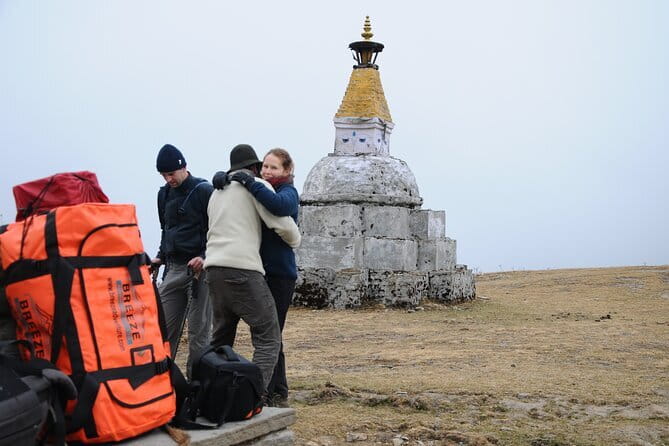
The return from Phaplu to Kathmandu starts early and takes about 10 hours. After roughly two hours, the vehicle stops at Dhap Thade for breakfast and a mountain view.
This is the least romantic day, but it is an honest part of the package. A road return lets you finish in Kathmandu without another flight, yet it takes most of the day. If you have an international flight that evening, leave plenty of extra time and confirm the road schedule with the operator.
The breakfast stop at Dhap Thade breaks up the journey and gives you one final look at the high country. After that, expect a long vehicle ride rather than more walking or sightseeing.
I would treat this as a travel day, not as a final tour day. You may be tired after the trek, and the duration is the main practical drawback of choosing the road-based version.
Tea houses, meals, guides, and group size
The package includes breakfast for all seven days, seven lunches, and six dinners. That covers the main food needs during the trip, though a fuel surcharge is not included and should be checked before booking.
Tea-house accommodation is part of the route experience, but lodging does not appear in the stated inclusions. Since the description refers to tea houses, ask exactly what is covered in the $899 price, including room type and any extra charges.
WiFi on board is included. That is useful during the road sections, though you should not expect a strong connection in every mountain village unless the operator confirms otherwise.
The group limit is 20 people. That is small enough for a more personal feel than a large coach tour, but the experience can vary depending on the final group size. A smaller departure usually makes walking pace and guide contact easier.
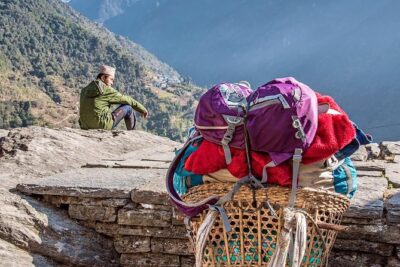
Guide quality matters on a trek. The team connected with this route includes Kishwor in the office and guides such as Sabin and Raj. Sabin is described as professional, fun, and energetic, while Raj is noted for speaking English well and paying attention to physical condition. Those are valuable traits when the trail gets steep or the day begins before sunrise.
Is $899 a fair price?
At $899 per person, this is not a bargain road trip, but it can offer solid value if the price includes the guiding, transport, porter support, tea-house stays, and meals described for the route. The seven-day length also gives you a shorter way to experience the Nepal Himalayas without paying for a longer Everest Base Camp itinerary.
The value is strongest for you if you want:
- A guided trek with Kathmandu transport
- Everest views without flying to Lukla
- Meals arranged throughout the trip
- A quieter route
- A small-group departure
- A cultural stop at Tupten Choling Monastery
The fuel surcharge is extra, and accommodation details need confirmation. Ask Breeze Adventure for a current breakdown before paying, especially if you want to compare this with other seven-day Nepal treks.
Who should choose this trek?
I would recommend Pikey Peak to you if you want a manageable introduction to Himalayan trekking, prefer quiet paths, and care as much about villages and monasteries as summit photographs. It also suits people who want Everest views but do not want the length, crowds, or Lukla flight connected with the classic route.
Families and older hikers may find the shorter duration and moderate route appealing. The tour information says most people can participate, and the route has easy sections. Still, the summit reaches 4,066 meters, and the uphill day toward base camp calls for reasonable fitness.
You may want another route if you dislike long road journeys, need private accommodation, or want a trek made entirely of wilderness footpaths. The 10-hour return drive is a serious consideration, not a minor footnote.
Booking is flexible because free cancellation is available up to 24 hours before the 6:15 a.m. start time. Changes or cancellations inside that window are not accepted for a refund.
Should you book the Pikey Peak Trek?
Book it if your ideal Nepal trip includes quiet trails, a sunrise summit, Everest views, and meaningful village stops rather than a famous name on your hiking résumé. The route gives you a lot in seven days, and the lack of crowds may be its greatest strength.
Before booking, confirm the tea-house accommodation, fuel surcharge, exact guide, and final walking schedule. If those details suit you, this is a practical and rewarding way to see the Himalayas without flying to Lukla or committing to the longer Everest Base Camp route.
FAQ
Where does the Pikey Peak Trek start?
The trek starts at Breeze Adventure Pvt. Ltd. on Thamel Marg in Kathmandu, Nepal.
What time does the experience begin?
The scheduled start time is 6:15 a.m.
How long does the Pikey Peak Trek last?
The experience lasts approximately seven days.
What is the price?
The listed price is $899 per person.
Is Mount Everest visible on the trek?
Yes. Pikey Peak is promoted as a viewpoint for Mount Everest and panoramic views of seven of the world’s highest mountains.
How high is Pikey Peak?
Pikey Peak reaches 4,066 meters.
Is a Lukla flight required?
No. The route begins with a road journey from Kathmandu and returns by road from Phaplu, so a flight to Lukla is not required.
What meals are included?
The package includes seven breakfasts, seven lunches, and six dinners.
Can I cancel for a full refund?
Yes. You can cancel at least 24 hours before the experience start time for a full refund. Cancellations or changes made less than 24 hours before the start are not accepted for a refund.
Just added around Kathmandu
- Private Half-Day Tour of Boudhanath and Pashupatinath Temples in Kathmandu★ 4.5 · 9 reviews
- Private Half-Day Tour of Kathmandu Durbar Square and Swayambhunath Temple★ 4.5 · 11 reviews
- Namobuddha Monastery Hiking Day Tour via Panauti from Kathmandu★ 5.0 · 15 reviews
- Private Full-Day Kathmandu City Tour★ 5.0 · 9 reviews
- Private Day Tour in Kathmandu Valley Rim with Bhaktapur Sightseeing★ 5.0 · 3 reviews
- Private Half Day Budhanilkantha Tour★ 5.0 · 6 reviews
- Private Day Tour: Patan and Bhaktapur from Kathmandu★ 4.5 · 6 reviews
- Private Day Tour – Sacred Journey to Namo Buddha★ 5.0 · 5 reviews
Hiking & Trekking, compared.
Nagarkot Sunrise View and Day Hiking from Kathmandu
Read our review →
Browse the lists this tour appears in