Reviewed · KATHMANDU TOURS
Live like Monk: Stay in the Nomobuddha Monastry
Namobuddha is best approached slowly, on foot, along a three-hour hill walk from Dhulikhel. The reward is a quiet Buddhist setting, vegetarian meals, monastery prayers, and time away from the noise of Kathmandu. Just know that you sleep near the monastery, not necessarily inside it, and formal meditation with monks is not guaranteed.
I like the gentle pace and the chance to eat beside resident monks, a small but meaningful window into daily monastic life. I also like guide Anoj, who brings the history, religion, and local setting to life and has taken good care of people when plans or health problems got in the way. The main drawback is that the advertised program promises more direct participation than the monastery may actually provide.
Key points to know before booking
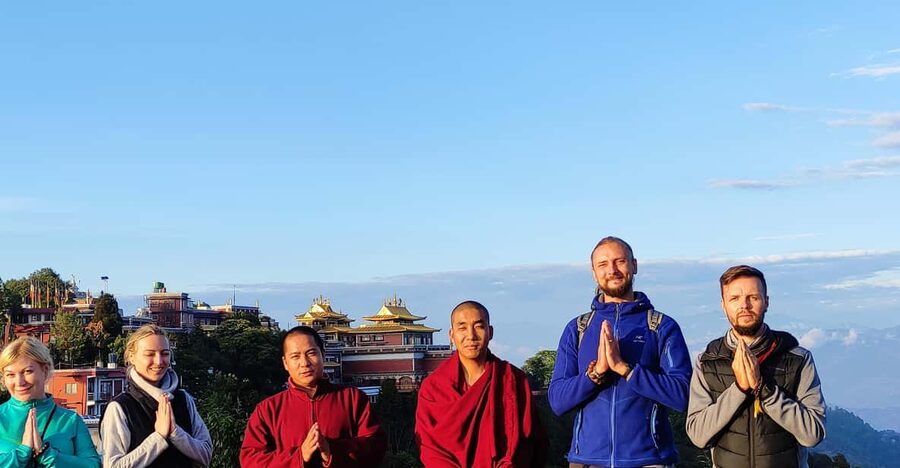
- The three-hour hike from Dhulikhel passes through hills and small local villages before reaching Namobuddha.
- Accommodation is usually in a nearby guesthouse, roughly 100 to 400 meters from the monastery, with twin-sharing rooms and basic facilities.
- Prayer sessions may be available, often around 6 in the morning and 11 in the morning, but the schedule can change.
- Anoj is the guide to look for, offering patient explanations about Buddhist practice, Nepalese culture, nature, and the monastery.
- All main meals are vegetarian, with breakfast, lunch, and dinner included during the two-night stay.
- The experience suits open-minded visitors who value quiet, simplicity, and cultural contact more than a tightly controlled retreat.
The walk from Dhulikhel to Namobuddha
Your day begins with pickup in Kathmandu, Lalitpur, or Bhaktapur. Private transport takes you toward Dhulikhel, a hill town about 30 kilometers from Kathmandu. From there, you set off on foot for roughly three hours.
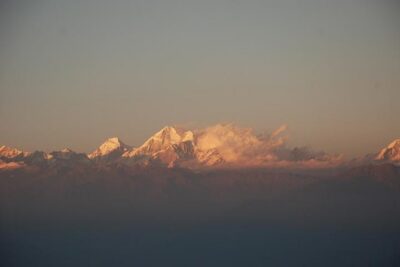
This walk is not just a transfer between two points. It gives you time to leave the city behind and notice the smaller details of rural Nepal: hillside paths, local villages, and broad views across the surrounding hills. The route is described as scenic, but it is still a real hike, so comfortable shoes and a reasonable level of fitness matter.
I like this start because it gives the visit a sense of arrival. You do not simply step from a vehicle into a monastery compound. You walk there, gradually changing pace and attention. That fits the purpose of the stay better than a quick drive would.
Still, the walk is worth treating seriously. The program describes it as a three-hour hike, and the route can feel long if you are not used to walking on hilly paths. Bring water, wear shoes with a firm grip, and keep your day pack light. The price includes private transport to Dhulikhel and onward transport back toward Kathmandu, but the Dhulikhel to Namobuddha section is on foot.
Other Kathmandu days worth booking alongside this:
- Everest Base Camp Trek – 14 Days
★ 5.0 · 1,499 reviews - Private Kathmandu Sightseeing Tour | UNESCO World Heritage sites
★ 5.0 · 756 reviews - Everest Base Camp Helicopter Tour landing at Everest View Hotel
★ 5.0 · 668 reviews
What your two nights near the monastery are really like
The title suggests a stay inside Namobuddha Monastery. In practice, accommodation has been in a guesthouse close to the monastery, not within the main monastic buildings. One room option is around 100 meters away, while another may be about 400 meters away.
That distinction matters. If you picture sleeping in a monk’s cell, sharing every daily routine, or being surrounded by prayer rooms at all hours, adjust your expectations. You are staying in a simple place connected to the monastery experience, but not necessarily living in the same quarters as the monks.
Rooms are twin sharing, and facilities are basic. Shared amenities and a simple setup are part of the deal. This will suit you if you can manage without hotel-style comfort for two nights. It will not suit you if privacy, polished rooms, or a full range of conveniences are central to a good holiday.
The nearby guesthouse also has one practical advantage: you have a little separation from the monastery’s religious schedule. You can rest after the hike, spend quiet time alone, and return for scheduled activities. Just keep in mind that the distance and arrangement should be confirmed before departure, especially if the exact location matters to you.
Morning prayers, meditation, and the important fine print
The daily rhythm is meant to include morning and evening chanting, guided meditation, and time for reflection. The stated schedule includes an early morning chanting session, meditation, breakfast, a monastery tour, lunch, quiet time, evening chanting, and another meditation period.
The reality can be less predictable. Some stays have included attendance at prayer sessions, or puja, rather than meditation led directly by monks. Sessions have often been described as taking place around 6 in the morning and 11 in the morning, but timing and access can change. Monks may be occupied with preparations, examinations, or other duties, and an important religious teacher may be away.
I see this as the central issue when deciding to book. If your main goal is to watch Buddhist prayer, hear chanting, sit quietly in a sacred setting, and learn from a guide, this can be rewarding. If your main goal is hands-on meditation with resident monks, the program may disappoint.
You should also understand that formal monastic rituals are not a performance arranged solely for a tour. The monastery’s own calendar comes first. That is part of the authentic setting, but it also means the operator cannot promise every activity at every departure unless communication is very clear.
Anoj appears to be especially useful here. He has made an effort to find out when puja or other activities are taking place, and he explains Buddhist ideas, monastery customs, Nepalese history, and local nature along the way. His role is important because he helps bridge the gap between what you see and what it means.
Eating simply with the monks
Three vegetarian meals a day are included. Breakfast, lunch, and dinner are served through the monastery kitchen, with simple food built around the practical rhythm of monastic life.
The meals are not a side detail. Eating beside monks can be one of the most direct cultural moments of the stay. You are not merely touring architecture and taking photographs. You are sharing the dining space and following a quieter pattern of eating.
The food has been described as tasty and fresh, though you should expect straightforward vegetarian cooking rather than a restaurant menu. Additional snacks and personal food are not included, so bring or buy anything you may need outside the scheduled meals.
A quiet meal also asks you to pay attention. You may notice how different the pace feels when nobody is rushing between attractions. For me, that kind of ordinary contact can say more about a community than a staged demonstration.
Same mountains, a completely different kind of day:
- Half day cooking class in Thamel kathmandu
★ 5.0 · 607 reviews - Everest Base Camp Trekking
★ 5.0 · 485 reviews - Nagarkot Sunrise View and Day Hiking from Kathmandu
★ 5.0 · 471 reviews - Kathmandu: Full Day 7 UNESCO Tour with Lunch – Private/Group
★ 5.0 · 415 reviews
Touring the monastery grounds
The guided tour covers the monastery grounds, its architecture, its place in Buddhist culture, and its history. The walk around the site is included on more than one day, which may sound repetitive, but a second look can be useful after you have attended a prayer session or learned more about the setting.
Namobuddha is presented as an ancient and sacred Buddhist site in the hills near Dhulikhel. The appeal is not only the buildings. It is the combination of quiet surroundings, religious activity, hillside views, and the chance to observe a working monastic community.
Your guide is important during this part of the program. Without context, a visitor may see a prayer hall, hear chanting, and leave with only a general impression. With explanations, you can better understand the customs and symbols you encounter.
The schedule also allows personal reflection, quiet contemplation, gardening, scripture study, and other monastery activities when available. These options should be treated as possibilities rather than guaranteed workshops. The program is strongest when you are comfortable with unfilled time.
That may be exactly what you need after Kathmandu. There is no pressure to keep moving, collect sights, or fill every hour. You have permission to sit, walk, think, and listen. For some people, that will be the point of the trip. For others, two nights may feel too quiet, especially if formal sessions are canceled.
Day three and the return to Kathmandu
The final morning follows the same pattern: morning prayer or meditation, breakfast, a further tour or walk around the grounds, and lunch before departure.
The return is by private transport toward Kathmandu, with drop-off in Kathmandu, Lalitpur, or Bhaktapur. Since the program lasts three days and two nights, you get enough time to settle into the setting rather than rushing through a single overnight visit.
The last day can also expose the program’s weakness. If the scheduled practices have not taken place, there may be less structured content than expected. You should be ready to make your own use of the quiet hours, rather than expecting a full timetable of teaching and ceremonies.
Is $294 a fair price?
At $294 per person, this is not a budget overnight excursion. The cost includes private transportation, the Dhulikhel hike, two nights of twin-sharing accommodation, three vegetarian meals per day, monastery activities, guided tours, an English-speaking guide, and return transport.
That package has real value if you want a small-group cultural experience with transport handled for you. The group is limited to 10 people, and a private vehicle removes some of the uncertainty that can come with arranging hill transport independently. Having Anoj or another guide explain the setting also adds value that you would not get from simply visiting the monastery on your own.
The price becomes harder to justify if the advertised meditation and ritual schedule is not delivered. A nearby guesthouse is not the same as sleeping inside the monastery, and attending prayer is not the same as taking part in monk-led meditation. Those differences should be clear before you pay.
I would ask two questions before booking: Where exactly will I sleep, and which prayer or meditation sessions are confirmed for my dates? I would also ask what happens if a scheduled practice is canceled. The activity allows cancellation up to 24 hours in advance for a full refund and offers reserve-now, pay-later booking, but those policies do not solve the disappointment of learning about changes after the cancellation window.
Who will enjoy this three-day stay?
I would choose this experience if you want a quiet break from city sightseeing and are curious about Buddhist practice without needing to share the faith. The program welcomes people from all backgrounds, but it asks you to respect dress rules, behavior guidelines, non-violence, mindfulness, and the monastery’s daily customs.
It is a good match for you if you:
- Enjoy walking and simple accommodation
- Can accept a flexible religious schedule
- Want vegetarian meals and quiet time
- Prefer a small group to a large coach tour
- Value explanation and cultural context
- Are interested in prayer and observation, not just sightseeing
I would hesitate if you need guaranteed meditation with monks, hotel-level facilities, or a packed schedule. I would also think twice if you are uncomfortable with shared rooms, shared facilities, early morning sessions, or the possibility that activities change without much warning.
Alcohol and drugs are not allowed. More broadly, this is a place where respectful conduct matters. Dress modestly, follow instructions, and remember that the monastery is a functioning religious site, not a theme park.
My booking advice
Book this if you want a peaceful hill walk, a simple stay near Namobuddha, vegetarian meals, monastery prayers, and a guide who can help you understand what you are seeing. The strongest parts are the walk from Dhulikhel, the calm setting, shared meals, and Anoj’s care and explanations.
Do not book it on the assumption that you will sleep inside the monastery or receive guaranteed daily meditation with monks. The more accurate picture is a two-night guesthouse stay near the monastery, with prayer sessions and cultural guidance when the monastic schedule permits.
For the right person, the uncertainty is manageable and may even feel fitting. For a tightly organized spiritual retreat, $294 is too much to leave key details unresolved. Get confirmation about accommodation and scheduled practices first, then decide.
FAQ
How long does the experience last?
The program lasts three days and includes two nights of accommodation near Namobuddha Monastery.
Where does pickup take place?
Pickup is available in Bhaktapur, Kathmandu, or Lalitpur.
Where does the hike begin?
Private transportation takes you to Dhulikhel, where the hike to Namobuddha begins. The walk takes about three hours.
Do I sleep inside Namobuddha Monastery?
Accommodation is described as being inside the monastery, but stays have also been arranged in nearby guesthouses roughly 100 to 400 meters from the monastery. Confirm the exact accommodation before booking.
Are meditation and chanting included?
Daily meditation and chanting sessions are part of the planned experience, but their availability can depend on the monastery schedule. Some departures have included attendance at prayer sessions rather than direct meditation with monks.
Are meals included?
Yes. Breakfast, lunch, and dinner are included each day, and the meals are vegetarian.
Is the tour suitable for people who do not practice Buddhism?
Yes. People from all backgrounds are welcome, but you are expected to respect the monastery’s customs, dress code, behavior guidelines, and religious practices.
Just added around Kathmandu
- Private Half-Day Tour of Boudhanath and Pashupatinath Temples in Kathmandu★ 4.5 · 9 reviews
- Private Half-Day Tour of Kathmandu Durbar Square and Swayambhunath Temple★ 4.5 · 11 reviews
- Namobuddha Monastery Hiking Day Tour via Panauti from Kathmandu★ 5.0 · 15 reviews
- Private Full-Day Kathmandu City Tour★ 5.0 · 9 reviews
- Private Day Tour in Kathmandu Valley Rim with Bhaktapur Sightseeing★ 5.0 · 3 reviews
- Private Half Day Budhanilkantha Tour★ 5.0 · 6 reviews
- Private Day Tour: Patan and Bhaktapur from Kathmandu★ 4.5 · 6 reviews
- Private Day Tour – Sacred Journey to Namo Buddha★ 5.0 · 5 reviews
Kathmandu Tours, compared.
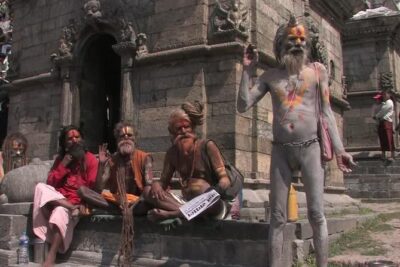
Private Kathmandu Sightseeing Tour | UNESCO World Heritage sites
Read our review →
Everest Base Camp Helicopter Tour landing at Everest View Hotel
Read our review →
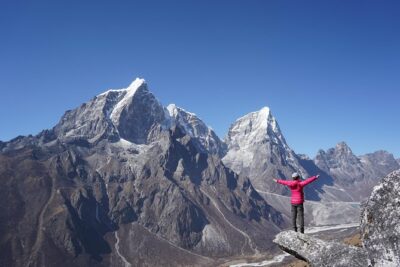
Nagarkot Sunrise View and Day Hiking from Kathmandu
Read our review →
Full Day 7 UNESCO Tour with Lunch – Private/Group
Read our review →