
Reviewed · HIKING & TREKKING
Kathmandu: 14-Day Everest Base Camp with Kala Patthar Trek
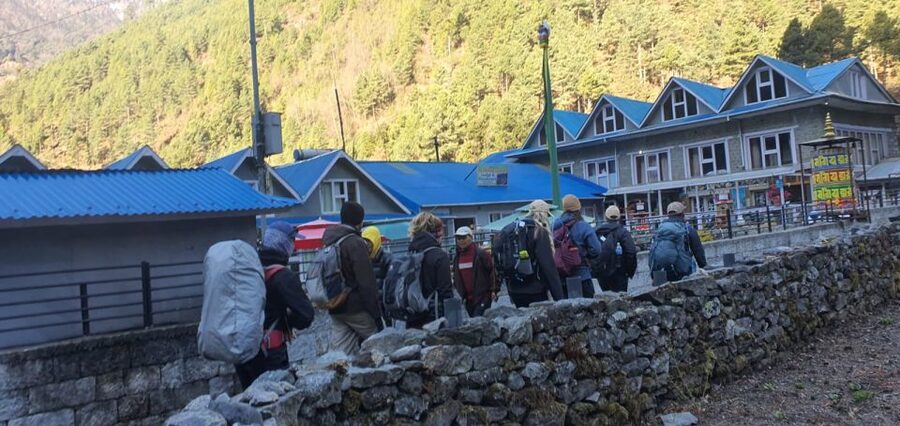
The real prize here is not simply reaching Everest Base Camp. It is the slow approach through Sherpa country, where prayer flags, stone villages, mountain lodges, and huge peaks become part of your daily walk. The flight into Lukla adds a memorable jolt of adventure before the trail even begins.
I like the built-in acclimatization days at Namche Bazaar and Dingboche, and I like that the price includes the Kathmandu to Lukla flights, permits, tea-house lodging, guide, airport transfers, and useful loan gear. The main caution is altitude: Kala Patthar reaches 5,545 meters, and the daily walks can last six or seven hours.
- Lukla flight: Begin with the famous mountain airport experience before walking to Phakding.
- Sherpa heartland: Spend time in Namche Bazaar, the key settlement on the Khumbu route.
- Two acclimatization stops: Rest days at Namche and Dingboche give your body time to adjust.
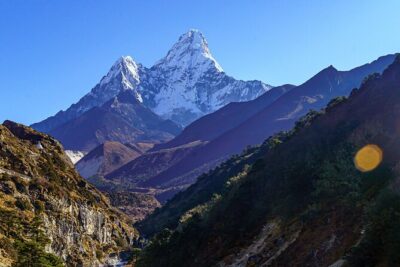
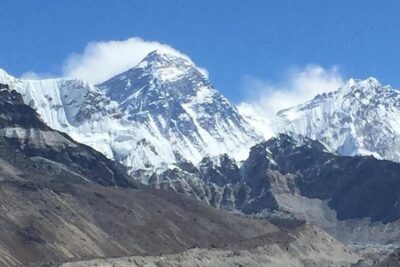
- Four Himalayan giants: Look for Everest, Lhotse, Nuptse, and Ama Dablam from the trail.
- High-point finish: Hike to Kala Patthar at 5,545 meters for one of the route’s best mountain views.
- Practical package: Flights, permits, tea-house accommodation, guide costs, and airport transfers are included.
Why this 14-day Everest trek works
This is a serious mountain journey, but it is not a technical climbing trip. You walk established trails from village to village, sleep in lodges and tea houses, and carry what you need for a high-altitude trek. The route is designed around gradual gains in elevation rather than a rush to Base Camp.
At $1,296 per person, the package offers good value if you want the main logistics handled for you. Kathmandu accommodation, domestic flights, national park permits, a guide, trek lodging, airport transfers, and several pieces of equipment are covered.
The price does not cover your meals during the trek, drinks, hot showers, or travel insurance. It also lists porters separately, with one porter for two people, so you should ask exactly how porter costs and arrangements are handled before paying. That detail matters when you are comparing the total price with other Everest trips.
The English-speaking guide is central to the experience. The provider has been praised for attentive organization and guides such as Anjan and Padam, while Hari is noted as a responsive contact for trip arrangements. Your exact guide may differ, but you should expect help with the route, lodging, transfers, and daily practical decisions.
The overall rating is 4.2 from 21 ratings. The strongest praise centers on friendly guides, clear English, organization, and the feeling that someone is keeping an eye on the details. That is exactly what you want on a trek where weather and altitude can upset tidy plans.
Day 1: Kathmandu arrival and a soft landing
Your first day is deliberately easy. A representative meets you at Tribhuwan International Airport and takes you by private car, van, or bus to your hotel.
You have two nights of standard accommodation in Kathmandu with breakfast included. This gives you a buffer before the mountain section, which is useful because the Lukla flight is weather-dependent and the capital is your base for the return.
Lunch and dinner in Kathmandu are not included. Airport pickup and drop-off are included, but you should still keep your arrival information handy so the representative can find you without confusion.
A few more Kathmandu trips to weigh up
- Everest Base Camp Trek – 14 Days
★ 5.0 · 1,499 reviews - Everest Base Camp Trekking
★ 5.0 · 485 reviews - Nagarkot Sunrise View and Day Hiking from Kathmandu
★ 5.0 · 471 reviews
Day 2: The Lukla flight and the walk to Phakding
The Kathmandu to Lukla flight is one of the defining moments of the trip. The experience is often described as involving one of the world’s most extreme airports, and the short runway and mountain setting make this more than an ordinary domestic transfer.
Once you reach Lukla at about 2,850 meters, the trek begins. You walk for roughly four to five hours to Phakding, at 2,640 meters. This first day introduces the rhythm of the route without immediately pushing you to a higher sleeping altitude.
Phakding is a sensible first stop. You are already in the mountains, but the day is shorter than some of the long stages ahead. Use it to settle into your boots, test your day pack, and learn how your body reacts to the thinner air.
The weak point is the flight. Bad weather can cancel or delay it. One July departure was unable to fly to Lukla, despite several attempts, and an alternative Base Camp trek was arranged instead. That example shows both the risk and the value of having a reachable operator, but you should still allow flexibility around the flight.
Day 3: Phakding to Namche Bazaar
The walk from Phakding to Namche Bazaar takes about six to seven hours. You climb toward 3,440 meters, and this is where the trek begins to feel like a real test of your legs.
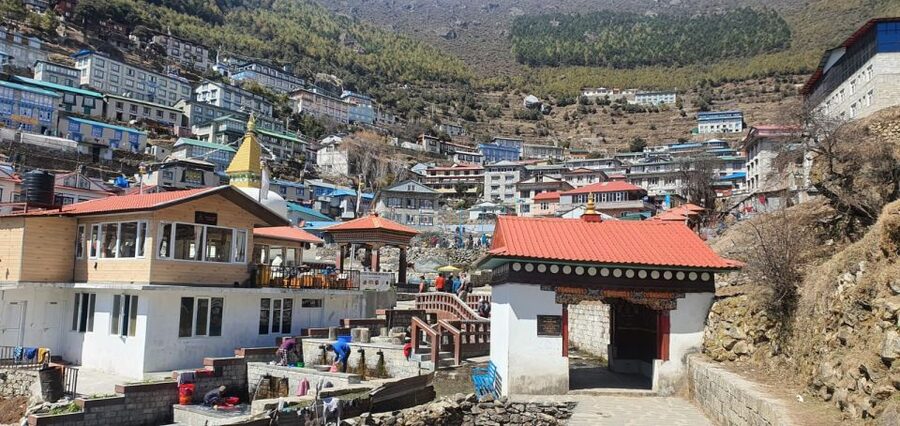
Namche is the Khumbu’s best-known Sherpa settlement and an important rest point on the route. Its position makes it a natural place to pause, organize supplies, and adjust to the altitude.
I like that the program does not treat Namche as just another overnight stop. You get a full acclimatization day here, with a two to three-hour excursion. The goal is to move a little higher, look around, and return to sleep at the same altitude.
That short excursion matters. At this height, a slower schedule is not wasted time. It gives you a better chance of continuing safely rather than forcing your body to adjust during a long walking day.
Day 4: Acclimatizing around Namche
Namche is your first real chance to experience the Sherpa heartland rather than simply pass through it. The planned two to three-hour excursion keeps the day active without turning it into another major trekking stage.
You will want layers, water, sunglasses, sunscreen, and a hat. The supplied packing advice also calls for hiking shoes or trekking shoes, long pants, shorts, socks, T-shirts, toilet paper, and insect repellent.
Do not judge your fitness only by how you feel in Kathmandu. Altitude can make an easy walk feel oddly hard. If you develop serious concerns, tell your guide early. This is one of the most useful reasons to travel with an experienced guide rather than treating the route as a simple point-to-point walk.
Same mountains, a completely different kind of day:
- Private Kathmandu Sightseeing Tour | UNESCO World Heritage sites
★ 5.0 · 756 reviews - Everest Base Camp Helicopter Tour landing at Everest View Hotel
★ 5.0 · 668 reviews - Half day cooking class in Thamel kathmandu
★ 5.0 · 607 reviews - Kathmandu: Full Day 7 UNESCO Tour with Lunch – Private/Group
★ 5.0 · 415 reviews
Day 5: Namche to Tengboche at 3,870 meters
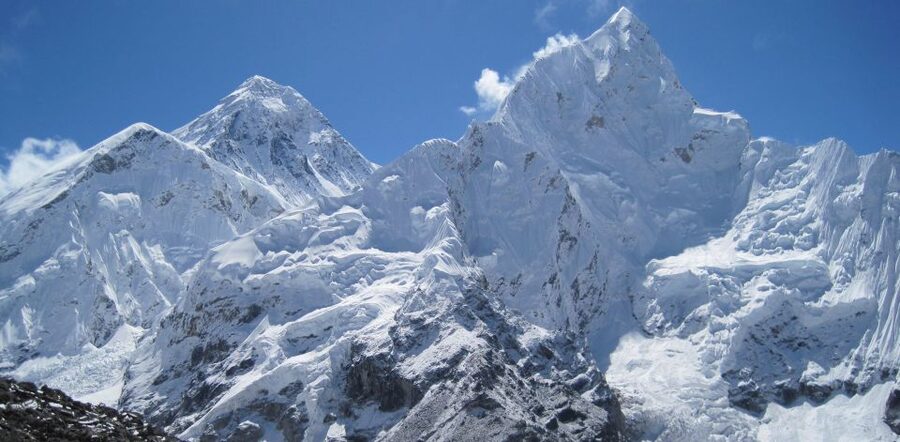
The trail continues from Namche to Tengboche in about five to six hours. The sleeping altitude rises to 3,870 meters, so this is a meaningful step up.
Tengboche is known for its mountain setting and its place in the region’s Buddhist culture. The route description emphasizes Sherpa culture throughout the trip, and Tengboche is one of the stops where that cultural side becomes especially important.
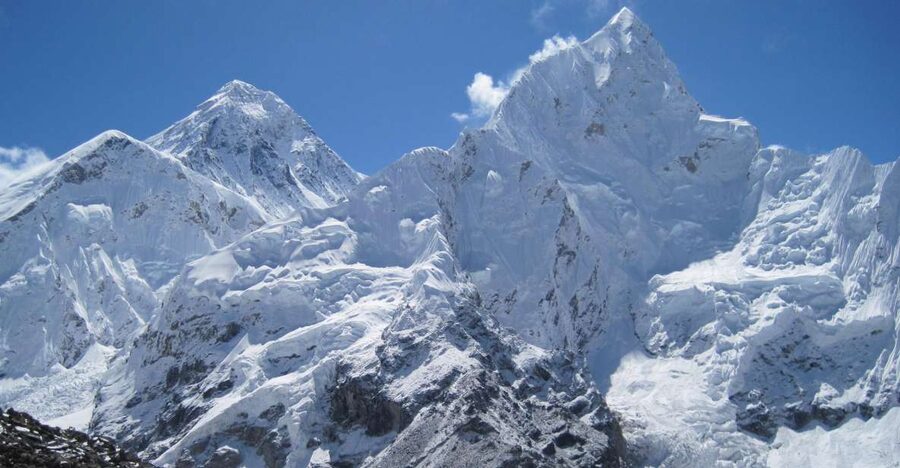
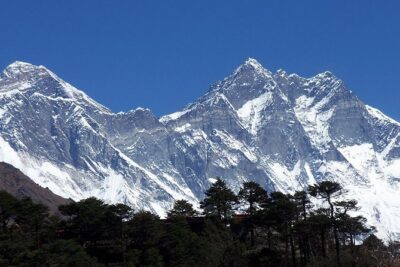
The mountain views also begin to open in a bigger way. You are looking toward Everest, Lhotse, Nuptse, and Ama Dablam, though weather and cloud can affect what you see on any given day.
This stage is a good reminder that the trek is not only about the final Base Camp sign. The villages, monasteries, and changing views are part of the reward. If you rush through them with your head down, you miss much of what makes this route worth the effort.
Day 6: Tengboche to Dingboche
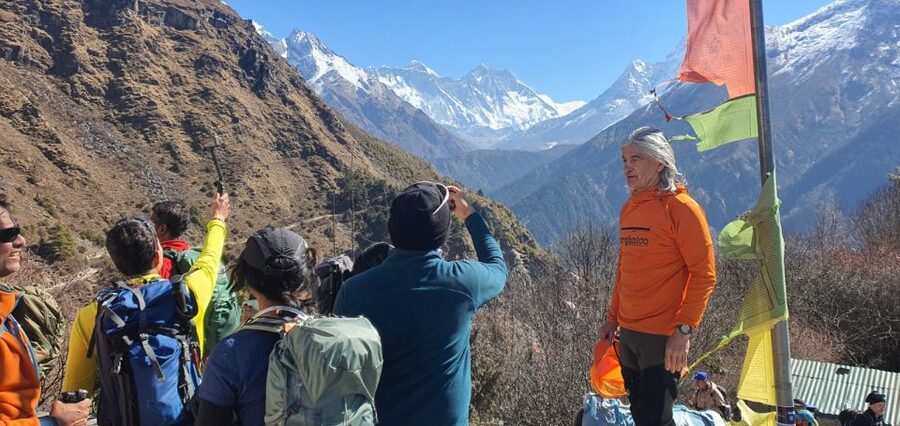
From Tengboche, you walk for about five to six hours to Dingboche at 4,410 meters. The elevation gain is now substantial, and the air will feel noticeably thinner.
Dingboche is another important point in the schedule because you spend the following day acclimatizing. This pause is not filler. It is a safety feature built into the route.
You should expect the simplest comforts here. Tea-house lodging is included, but meals, drinks, and hot showers are not. A hot shower may also be unavailable or costly, so pack with basic washing in mind and bring enough clothing to stay comfortable without relying on daily showers.
The operator supplies a jacket, sleeping bag, and duffle bag if required. Confirm the condition, size, and collection arrangements for this gear before departure, especially if you have specific cold-weather needs.
Day 7: A second acclimatization day in Dingboche
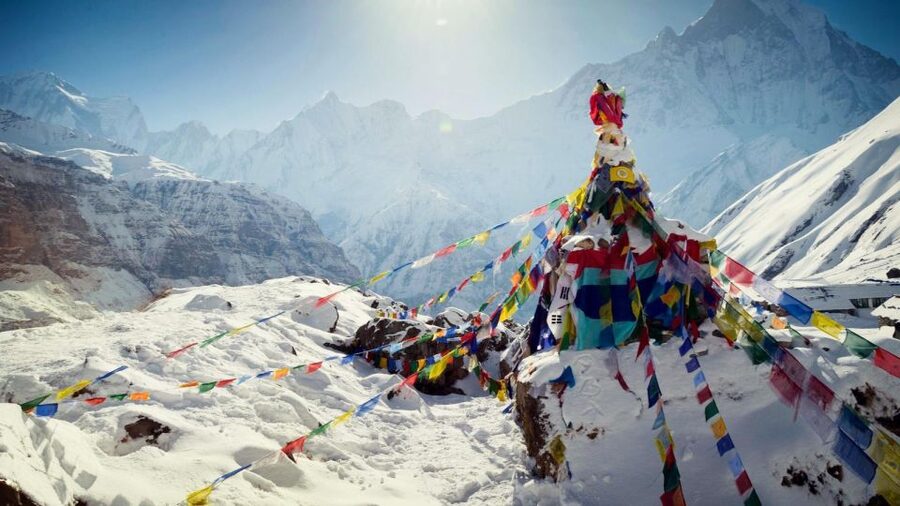
Dingboche gives you a second planned adjustment day before the trek reaches its highest section. You are already above 4,400 meters, and the next stages will take you close to 5,000 meters and beyond.
The program does not specify a detailed excursion for this day, so confirm the plan with your guide. It is reasonable to expect a lighter day, but do not assume it will be a complete day off.
Your job is simple: walk at an easy pace, drink enough water, eat what you can, and tell the guide if you feel unwell. The included meals do not cover food, so budget for breakfast, lunch, and dinner at the lodges throughout the trek. Alcohol is excluded, and it is best avoided at altitude.
Day 8: Dingboche to Lobuche at 4,940 meters
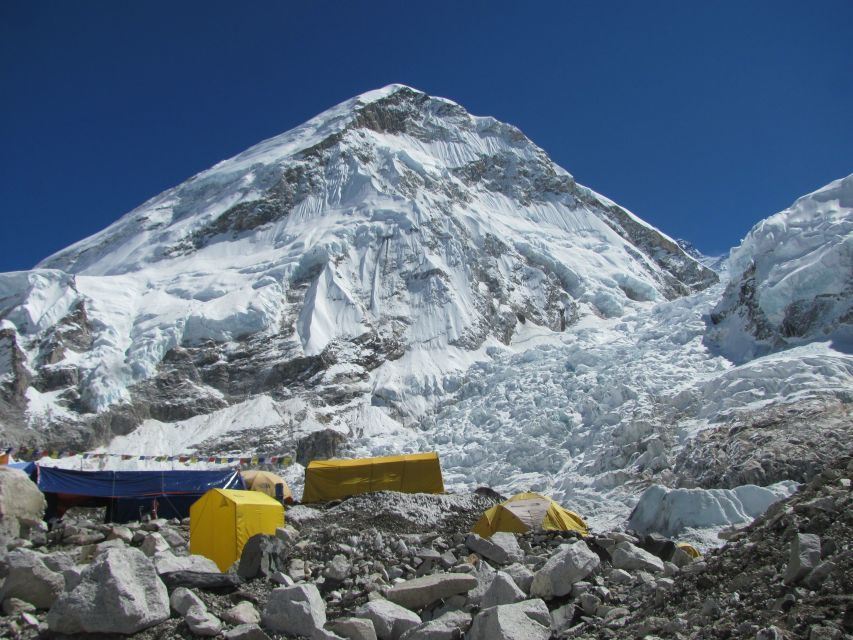
The walk from Dingboche to Lobuche takes about five to six hours. You sleep at approximately 4,940 meters, which makes this one of the route’s more demanding stages even if the walking time looks manageable on paper.
At this point, small problems become more noticeable. A poor night’s sleep, a heavy pack, or tight footwear can make the next two days much harder. This is where a porter can be useful, but the package wording needs clarification because porter arrangements are listed separately from the included guide costs.
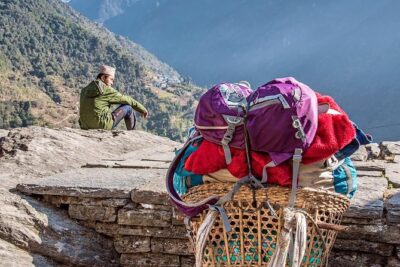
Keep your day bag light. Carry the items you need during the day, while your main luggage goes with the porter if that service is arranged. Ask about weight limits and porter payment before the trek begins.
Day 9: Lobuche to Gorak Shep and Everest Base Camp
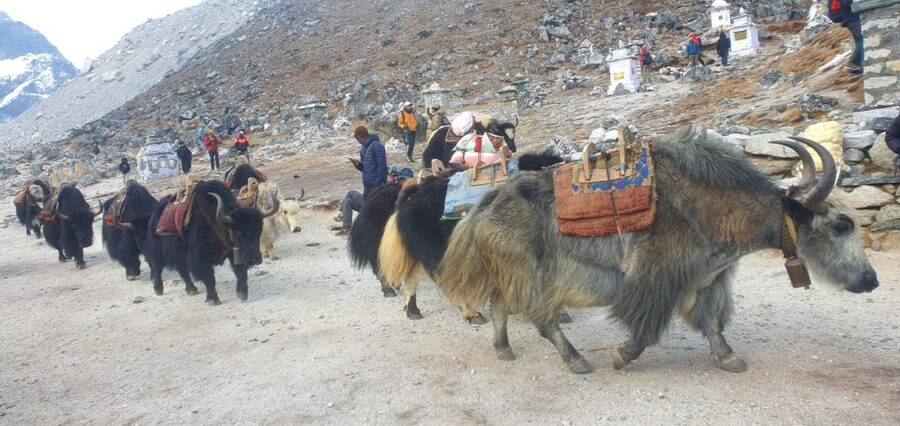
Day 9 is the big push. You walk from Lobuche to Gorak Shep at 5,170 meters, then continue to Everest Base Camp at 5,364 meters before returning to Gorak Shep for the night.
The walking time is not stated for this day, but the altitude tells you what to expect: slower progress, frequent pauses, and a long effort. Your guide’s pacing will matter more than your pace on a low-altitude hike.
Everest Base Camp is the emotional high point for many people, but it is important to know what you are signing up for. This is not a summit climb, and the experience is about reaching the base area on foot and seeing the surrounding peaks. The sheer setting, the distance from ordinary life, and the effort required to arrive are the real rewards.
At Gorak Shep, comfort will be basic. Tea-house lodging is included, but hot showers and all drinks cost extra or may not be available. Carry toilet paper and protect your phone, camera, and batteries from the cold.
Day 10: Kala Patthar and the descent to Pheriche
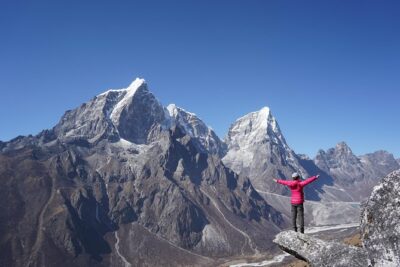
You start day 10 with a hike to Kala Patthar at 5,545 meters. This is the highest point on the trek and the place to focus on mountain views, especially the Everest range and the peaks of Lhotse, Nuptse, and Ama Dablam.
Kala Patthar is not a casual viewpoint. The altitude is extreme, and even a short climb can feel slow. Follow your guide’s pace, wear warm layers, and keep your expectations flexible if cloud blocks the view.
After Kala Patthar, you descend to Pheriche at 4,371 meters. The descent is welcome because your body generally handles lower elevations more easily, though tired knees and feet can become the new problem.
This is a long and demanding day. The combination of an early high-altitude hike and a substantial descent means you should not schedule anything important for the evening.
Days 11 to 13: Three days back to Kathmandu
The final three days are devoted to descending and returning to Kathmandu. The supplied schedule does not name every overnight stop, but it says you continue down for three days and arrive in Kathmandu on day 13.
The return walk can feel easier because the air gets thicker as you lose altitude. It can also feel harder because your legs are tired and the earlier excitement has passed. Take care of blisters, keep your socks dry, and do not treat the downhill sections as effortless.
Once back in Kathmandu, you spend a final evening before departing the next day. Your second Kathmandu night is included with breakfast, while lunch and dinner remain your responsibility.
The return flight from Lukla is another point where weather can affect timing. Keep a little patience in reserve. A guide and operator who communicate well are valuable here, and past arrangements have included trying for several days and offering another trek when flying was not possible.
What the $1,296 price really covers
The strongest value comes from the bundled logistics. You receive:
- Airport pickup and drop-off in Kathmandu
- Domestic airport transfers
- Two Kathmandu hotel nights with breakfast
- Kathmandu to Lukla and return flight tickets
- Tea-house lodging during the trek
- Sagarmatha National Park entry fees and permits
- An English-speaking guide
- Guide salary, food, drinks, accommodation, transport, and insurance
- A jacket, sleeping bag, and duffle bag if needed
You still need money for trekking meals, Kathmandu dinners and lunches, alcoholic and non-alcoholic drinks, hot showers, and travel insurance with emergency medical evacuation.
The insurance requirement is especially important. This route reaches 5,545 meters, and the package does not provide your personal travel insurance. Do not confuse the guide’s insurance with your own coverage.
The cancellation policy allows a full refund if you cancel at least 24 hours ahead, and you can reserve while paying later. Those terms give you useful flexibility, but they do not remove the weather risk around Lukla.
Who should book this trek?
You should consider this trip if you want a structured Everest Base Camp route with a guide, fixed acclimatization days, tea-house lodging, and the main permits and flights arranged.
It suits hikers who can manage repeated days of five to seven hours and who are comfortable with basic mountain accommodation. You do not need technical climbing experience according to the information provided, but you do need to be ready for sustained walking at high altitude.
This is not suitable for pregnant women, people with heart problems, or people with mobility impairments. If you have a medical condition, discuss the elevation with a qualified doctor before booking.
Bring proper hiking shoes, sunglasses, a hat, sunscreen, long pants, shorts, socks, at least two T-shirts, toilet paper, and insect repellent. The list is basic, so you should also confirm the full cold-weather packing plan with the provider before leaving home.
Should you book the Everest Base Camp and Kala Patthar trek?
I would book this tour if you want the classic route with practical support and do not want to organize flights, permits, guides, and lodging yourself. The two acclimatization days are a major strength, and the package price is reasonable once you count the domestic flights and included guide costs.
I would pause if your schedule is rigid. Lukla flights can fail because of weather, and the route reaches very high altitude. I would also get written clarification about porter costs, meals, gear sizes, and the exact descent schedule before booking.
For a prepared hiker who wants Everest views, Sherpa culture, Namche Bazaar, Base Camp, and Kala Patthar in one well-supported trip, this is a strong option. Go for the mountain experience, not luxury. The lodges are basic, the days are demanding, and the rewards depend as much on patience and pacing as on fitness.
FAQ
How long is the Everest Base Camp and Kala Patthar trek?
The experience lasts 14 days, including arrival and departure arrangements in Kathmandu.
What is the highest point on the trek?
Kala Patthar is the highest point, at 5,545 meters.
Does the trek include Everest Base Camp?
Yes. The route includes a walk from Gorak Shep to Everest Base Camp at 5,364 meters, followed by a return to Gorak Shep.
Are flights from Kathmandu to Lukla included?
Yes. The Kathmandu to Lukla and Lukla to Kathmandu flight tickets are included.
Is accommodation included?
Yes. Two nights of standard accommodation in Kathmandu with breakfast are included, along with tea-house or lodge accommodation during the trek.
Are meals included during the trek?
No. Breakfast, lunch, and dinner during the trek are not included. Lunch and dinner in Kathmandu are also excluded.
Is a guide included?
Yes. An English-speaking guide is included, along with the guide’s salary, food, drinks, accommodation, transportation, and insurance.
Do I need travel insurance?
Yes. You must have valid travel insurance with emergency medical evacuation coverage. Personal travel insurance is not included.
What happens if the Lukla flight cannot operate?
Weather can prevent flights to Lukla. The provider has previously tried for several days and arranged an alternative Base Camp trek when flying remained impossible, but you should allow flexibility in your schedule.
Just added around Kathmandu
- Private Half-Day Tour of Boudhanath and Pashupatinath Temples in Kathmandu★ 4.5 · 9 reviews
- Private Half-Day Tour of Kathmandu Durbar Square and Swayambhunath Temple★ 4.5 · 11 reviews
- Namobuddha Monastery Hiking Day Tour via Panauti from Kathmandu★ 5.0 · 15 reviews
- Private Full-Day Kathmandu City Tour★ 5.0 · 9 reviews
- Private Day Tour in Kathmandu Valley Rim with Bhaktapur Sightseeing★ 5.0 · 3 reviews
- Private Half Day Budhanilkantha Tour★ 5.0 · 6 reviews
- Private Day Tour: Patan and Bhaktapur from Kathmandu★ 4.5 · 6 reviews
- Private Day Tour – Sacred Journey to Namo Buddha★ 5.0 · 5 reviews
Hiking & Trekking, compared.
Nagarkot Sunrise View and Day Hiking from Kathmandu
Read our review →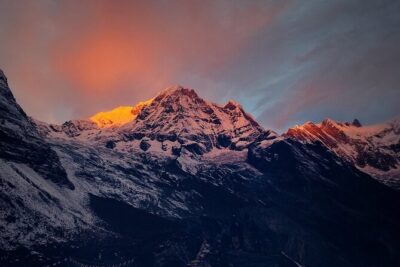
Browse the lists this tour appears in