Reviewed · KATHMANDU TOURS
Gurkha Knife Making
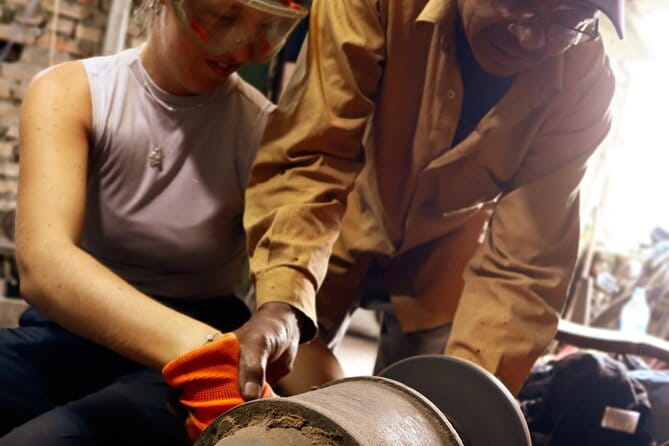
The remarkable part of this Kathmandu experience is that you do not simply buy a Gurkha knife as a souvenir. You help make one in a working forge, learning about the knife’s link to Gurkha warriors while a skilled local smith guides the hot-metal work. The small group, capped at four people, keeps the session personal.
I like two things in particular: you leave with a useful, handmade kukri backed by a 100-year guarantee, and you get to add your initials to the blade. Tea and cookies, friendly translation, and the warm help of people such as Aayam, Aachal, and Indra make the four hours feel relaxed rather than formal.
The main consideration is timing. This is an early morning activity, running from 7:15 to 10:15, and the listed duration is about four hours, so you should protect the morning rather than try to squeeze it between other plans. The work is hands-on, but the master smith remains central to the most demanding steps.
Key points
- Make a real Gurkha kukri: Take part in the knife-making process instead of choosing a finished blade from a shop.
- Work with a local blacksmith: Craftsman Indra and his apprentice guide the metalwork, with Aayam or another host helping with communication and company.
- Personalize the blade: Stamp your initials on the finished knife for a souvenir that is yours alone.
- Use Indian rosewood: The handle is made with quality Indian rosewood, adding a warm, traditional finish.
- Keep it intimate: The group limit is four, a useful size for questions and close instruction.
- Support Queermandu: The experience is operated by Queermandu, also known as Gay Tours Nepal, and offers a way to support the local queer community.
Why the Gurkha kukri matters
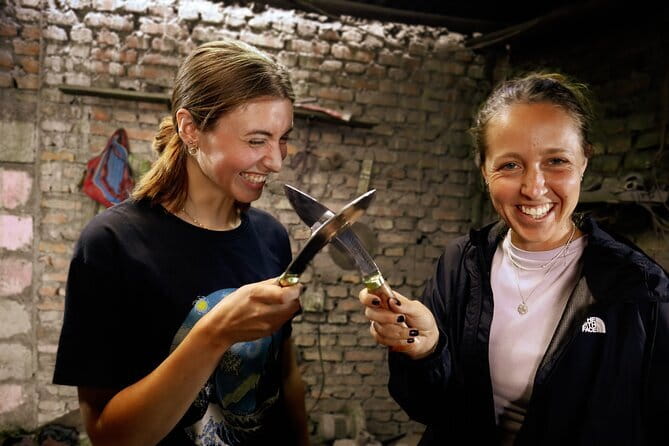
The kukri is not just a curved knife with an exotic shape. It is tied to the story of the Gurkha warriors, whose reputation for strength and resistance helped make the blade famous far beyond Nepal. This session gives that history a practical setting: you learn about the knife while taking part in the work that produces it.
That connection gives the morning more weight than a standard souvenir-making class. You are not only decorating an object. You are helping shape a knife associated with a major part of Nepal’s cultural story.
The experience is also clear about its purpose. It celebrates blacksmithing, local craft, and a welcoming space for people from different backgrounds. A review of the activity describes it as a way to support Nepal’s queer community, so the booking carries a social benefit as well as a cultural one.
Other Kathmandu days worth booking alongside this:
- Everest Base Camp Trek – 14 Days
★ 5.0 · 1,499 reviews - Private Kathmandu Sightseeing Tour | UNESCO World Heritage sites
★ 5.0 · 756 reviews - Everest Base Camp Helicopter Tour landing at Everest View Hotel
★ 5.0 · 668 reviews
Meeting at the Garden of Dreams
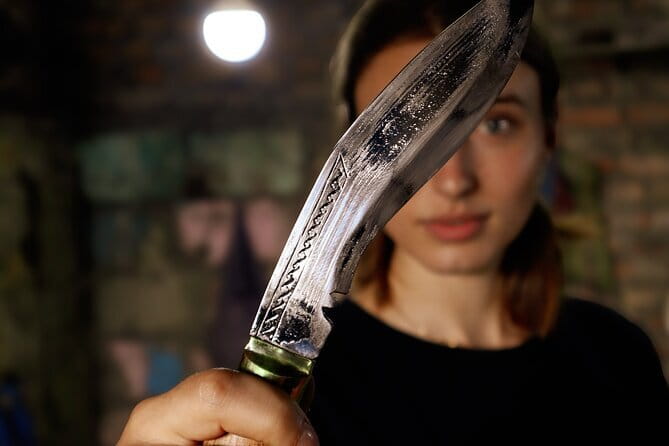
Your starting point is the Garden of Dreams on Tridevi Sadak in Kathmandu. This is a useful central meeting place, but the information provided does not include hotel pickup details, so check the booking instructions carefully if you have selected pickup or need help reaching the meeting point.
The scheduled start is 7:15 in the morning, with the activity listed through 10:15. The date range currently runs from March 22, 2024, to December 15, 2026, and sessions are offered Monday through Sunday. An early start has one practical advantage: you finish with much of the day still available for Kathmandu sightseeing.
I would allow enough time to reach the Garden of Dreams without rushing. The activity is small and timed, so arriving late could cut into the part you most want, the actual work at the forge. Confirmation is sent when you book, giving you a clear place to check the meeting details.
Inside the small neighborhood forge
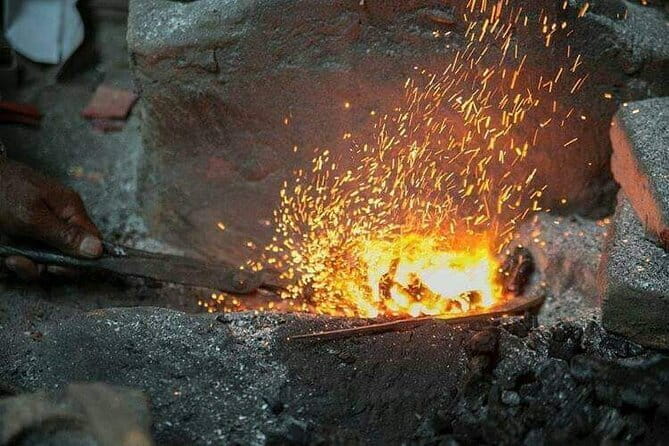
The working setting is a small forge rather than a large demonstration hall. That matters. You get closer to the tools, the smith, and the knife itself, and a group of no more than four people makes it easier to ask questions or receive help.
The blacksmith and apprentice handle the demanding parts while showing you how the knife takes shape. The exact order of each task can vary with the work in progress, but the central idea is consistent: you participate in making your own knife from metal, rather than watching a finished product appear at the end.
The atmosphere is intended to be friendly and supportive. Tea and cookies are included, which may sound like a small touch, but they help make a hot, physical workshop feel more social. This is not presented as a stiff technical course. Expect conversation, guidance, and a good deal of help as you work.
A guide may assist with translation and keep the session moving. Aayam is named as a guide who brought humor and companionship to the course, while Aachal is described as a friendly host who helped make a last-minute booking feel easy. These details suggest that the people side of the activity is an important part of the morning.
From scrap metal to a finished blade
One of the most appealing parts is the chance to see how a quality knife can come from basic material. The process is described as making the knife from scratch, including work with scrap metal. That gives you a better sense of the labor behind a handmade kukri than simply seeing one displayed in a shop.
You should expect the smith to do the work that requires the most control and experience. Your role is active, but this is not a promise that you will independently complete every stage. The craftsperson remains responsible for the difficult shaping and finishing, while you help with the process under instruction.
That balance is sensible. Blacksmithing involves heat, force, and precision, and a four-hour session can give you a taste of the trade without pretending to turn you into a professional smith. It also means the final knife can reach a high standard instead of becoming an uneven first attempt.
Indra is identified as the main craftsman in one account of the course. He is described as a long-time knife maker and a master of the work. His apprentice also helps at the forge, giving you access to a small working team rather than a single presenter delivering a scripted talk.
Same mountains, a completely different kind of day:
- Half day cooking class in Thamel kathmandu
★ 5.0 · 607 reviews - Everest Base Camp Trekking
★ 5.0 · 485 reviews - Nagarkot Sunrise View and Day Hiking from Kathmandu
★ 5.0 · 471 reviews - Kathmandu: Full Day 7 UNESCO Tour with Lunch – Private/Group
★ 5.0 · 415 reviews
Choosing the handle and adding your initials
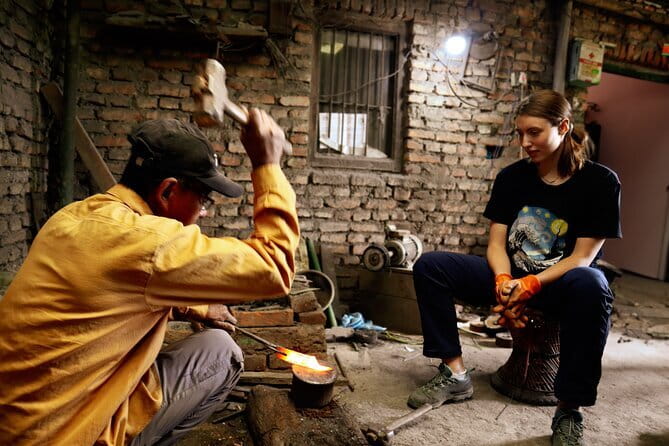
After the blade work, the knife receives a handle made from quality Indian rosewood. The material gives the finished kukri a more personal, crafted feel than a mass-produced plastic or plain wood grip. It also creates a clear visual contrast with the metal blade.
The most memorable personal touch comes when you stamp your initials on the blade. This is a simple addition, but it changes the souvenir from something purchased in Kathmandu into something linked directly to your morning at the forge.
I like this feature because it gives you a permanent reminder of the process, not just the destination. You can remember who helped make it, how the blade began as raw material, and the point at which your initials were added.
The description calls the finished knife authentic and backs each piece with a 100-year guarantee. That guarantee is an unusual promise for a short tourist activity. It signals confidence in the materials and workmanship, though you should ask the provider if you want the exact terms of the guarantee before booking.
What the four hours feel like
Four hours is long enough to make the session feel substantial, but short enough to fit into a Kathmandu itinerary. You are not rushing through a ten-minute souvenir demonstration. At the same time, the session does not claim to cover every part of a professional blacksmith’s training.
The morning combines three elements:
- A story about the Gurkha knife and the warriors associated with it
- Hands-on work at the forge with a local maker and apprentice
- Finishing touches that turn the kukri into a personal souvenir
The pace should suit people who enjoy doing rather than only looking. You will need to pay attention to instructions and take part in the process. The accounts of the activity repeatedly highlight the friendly teaching style, so you should not feel that prior blacksmithing experience is required.
The activity says most people can participate. That is useful, but it is not the same as a detailed accessibility statement. If you have mobility needs, concerns about standing, or questions about the forge setup, contact Queermandu before booking.
Is $66 good value?
At $66 per person, this costs more than buying a small Nepalese knife in a market. The comparison is not quite fair, though. Here you are paying for about four hours of instruction, access to a working forge, the services of a guide or translator, the metalwork, an Indian rosewood handle, and a finished kukri with a 100-year guarantee.
The small group makes the price easier to justify. With a maximum of four people, the session is not built around moving a large crowd through a workshop. You have a better chance to ask questions and receive direct help, and the guide can pay attention to your progress.
I would call it good value if you care about the making process. If you only want an inexpensive knife, a market purchase will likely suit you better. If you want a story, a personal connection, and an activity that produces a lasting object, the price is more reasonable.
The social side also adds value. Booking with Queermandu supports an organization connected with Nepal’s queer tourism community. That makes the activity a meaningful choice for people who want their spending to support an inclusive local business.
Who will enjoy this most
This is a strong choice for couples, friends, solo visitors, and small families whose members can take part in a workshop. The group limit of four also makes it a good fit for people who prefer personal attention to a large organized tour.
You will probably enjoy it most if you like:
- Handmade objects with a clear story
- Local crafts and traditional skills
- Activities where you use your hands
- Small groups and direct conversation
- Unusual souvenirs that you cannot easily copy at home
It also suits solo visitors. One person booked at short notice and received helpful communication and patient answers to questions. The provider’s flexibility in that case suggests you do not need a large party to make the morning worthwhile.
This may be less suitable if you want a passive sightseeing tour or if you dislike early starts. It is also worth remembering that a knife is a regulated object in some countries and on some flights. The supplied information does not give packing or transport rules, so check your airline and home-country requirements before you commit to taking the kukri home.
Practical points before you book
The activity has a high recommendation rate and a 4.9 rating based on 19 ratings, but the more useful point is what the praise focuses on: the quality of the knife, the kindness of the hosts, the skill of the smith, and the chance to take part from the beginning.
Book with the understanding that this is a craft workshop, not a military history lecture. The Gurkha story provides context, but the heart of the morning is the forge and the making process.
Confirmation arrives at booking. The experience is offered with mobile tickets, and pickup is listed as available, though you should confirm the exact pickup arrangement. Free cancellation is available until 24 hours before the local start time. Cancellations or changes made inside that window are not accepted for a refund.
The activity is commonly booked about nine days ahead. That is not a guarantee that every date will sell out, but it is a sensible reason to reserve before your Kathmandu visit rather than leave this small-group workshop until the last morning.
Should you book the Gurkha Knife Making experience?
Book it if you want a Kathmandu activity with real participation, a small group, and a finished object that carries a story. The best reasons are the local blacksmith, the chance to work from metal toward a kukri, the Indian rosewood handle, and your initials stamped on the blade.
Skip it if your main goal is a cheap souvenir, a late-morning start, or a fully hands-off tour. For everyone else, $66 buys more than a knife. It buys time with a craftsperson, a glimpse into Gurkha culture, and a rare chance to say you helped forge your own Nepalese blade.
FAQ
Where does the Gurkha Knife Making experience start?
It starts at the Garden of Dreams, Tridevi Sadak, Kathmandu 44600, Nepal.
Where does the activity finish?
The activity ends back at the meeting point.
How long does the experience last?
The session lasts approximately four hours.
What time does the activity run?
The listed hours are Monday through Sunday from 7:15 AM to 10:15 AM.
How many people can join?
The maximum group size is four people.
Is hotel pickup available?
Pickup is listed as an available feature. Check the booking details for the exact arrangement.
Can I cancel for a full refund?
Yes. You can cancel for a full refund up to 24 hours before the local start time. Cancellations or changes made less than 24 hours before the start are not accepted for a refund.
Just added around Kathmandu
- Private Half-Day Tour of Boudhanath and Pashupatinath Temples in Kathmandu★ 4.5 · 9 reviews
- Private Half-Day Tour of Kathmandu Durbar Square and Swayambhunath Temple★ 4.5 · 11 reviews
- Namobuddha Monastery Hiking Day Tour via Panauti from Kathmandu★ 5.0 · 15 reviews
- Private Full-Day Kathmandu City Tour★ 5.0 · 9 reviews
- Private Day Tour in Kathmandu Valley Rim with Bhaktapur Sightseeing★ 5.0 · 3 reviews
- Private Half Day Budhanilkantha Tour★ 5.0 · 6 reviews
- Private Day Tour: Patan and Bhaktapur from Kathmandu★ 4.5 · 6 reviews
- Private Day Tour – Sacred Journey to Namo Buddha★ 5.0 · 5 reviews
Kathmandu Tours, compared.
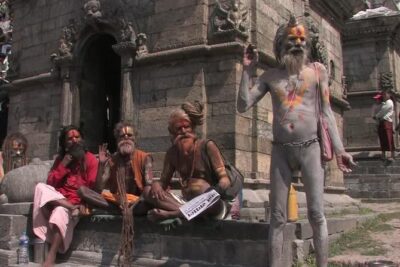
Private Kathmandu Sightseeing Tour | UNESCO World Heritage sites
Read our review →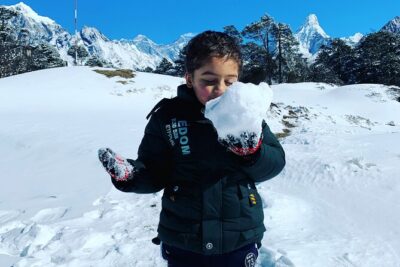
Everest Base Camp Helicopter Tour landing at Everest View Hotel
Read our review →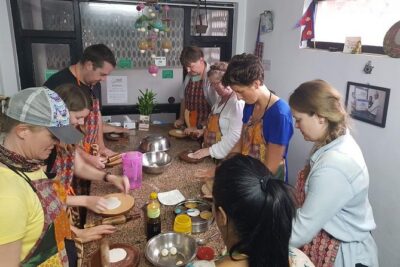
Nagarkot Sunrise View and Day Hiking from Kathmandu
Read our review →
Full Day 7 UNESCO Tour with Lunch – Private/Group
Read our review →