Reviewed · KATHMANDU TOURS
Experiential Career Break trip to Nepal for Gap year and Sabbatical travelers
Nepal’s best moments often come between the headline sights, and this nine-day career break is built around those in-between places: an Ayurveda-lined street, a quiet village, a morning walk with monks, and a meal shared in a local setting. You move from Kathmandu’s sacred chaos to hill towns, monasteries, and old Newari streets without trying to cover the entire country.
I like the mix of spiritual and everyday Nepal, and I like that village life and monastery time receive as much attention as UNESCO sites. The main caution is pace: several hiking days run three to six hours, and one unhappy customer reported difficulty communicating in English with the guide. Confirm the guide’s language skills before you pay.
Key points to know before booking
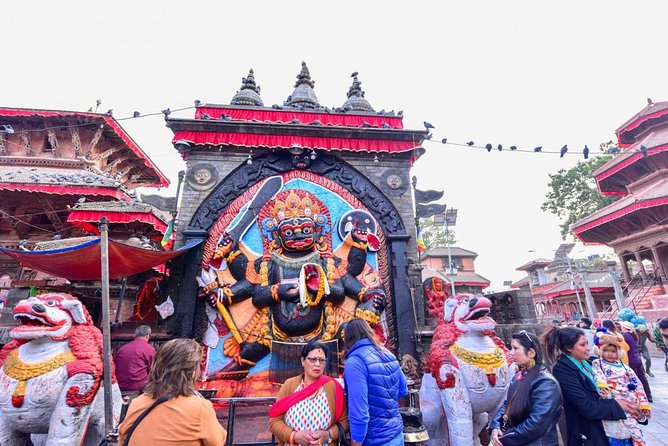
- Kathmandu begins with real street life: Swayambhunath, Asan Market, herbal medicine shops, shrines, and palace courtyards share the first day.
- The middle of the trip slows down: You spend time in Ghimire village and at Namo Buddha rather than rushing from monument to monument.
- Hiking is part of the design: Expect walks through villages, woods, terraces, and hill country, including a three-hour route toward Dhulikhel and a six-hour monastery day.
- Meals are mostly covered: The price includes seven breakfasts, six lunches, and six dinners, along with private transportation and taxes.
- You get both famous and lesser-known stops: Bhaktapur and Boudhha are paired with Bajrayogini, Tukucha Nala, and Panauti.
- This is private: Only your group participates, which gives you more control than a large scheduled coach tour.
A career break shaped around local life
At $980, this is not simply a sightseeing package. It is a structured introduction to Nepal for someone with time to pause, think, walk, and spend a few days away from the usual work routine.
The route links Kathmandu Valley landmarks with short hill hikes, local communities, and Buddhist monastic life. You will not see Everest, Chitwan, or Pokhara on this trip. That is important. The program stays focused on the Kathmandu Valley and nearby hills, trading long transfers for more contact with local places.
The private format suits a solo participant, couple, or small group that wants help with transport and guiding without being folded into a large crowd. It also means the quality of your particular guide matters greatly. One poor experience centered on weak English communication, despite the guest having requested an English-speaking guide. Ask in writing who will guide you, what language they speak, and whether that person will remain with you throughout the nine days.
The price includes private transportation, entrance fees and taxes listed as included, plus seven breakfasts, six lunches, and six dinners. Personal expenses and travel insurance are extra. The value is strongest if you plan to take part in the village and monastery sections, not just use the tour as a taxi between major sights.
Other Kathmandu days worth booking alongside this:
- Everest Base Camp Trek – 14 Days
★ 5.0 · 1,499 reviews - Private Kathmandu Sightseeing Tour | UNESCO World Heritage sites
★ 5.0 · 756 reviews - Everest Base Camp Helicopter Tour landing at Everest View Hotel
★ 5.0 · 668 reviews
Day 1: Kathmandu from the Monkey Temple to Asan Market
The opening day gives you a useful introduction to Kathmandu’s layers. Begin at Swayambhunath, often called the Monkey Temple, on a hill above the valley. The stupa dates to roughly the fifth century and has been repaired many times. Allow about 45 minutes for the main visit, though the hill setting gives the stop more character than a quick photo halt.
From there, the route turns toward Shobha Bhagawati, a pagoda-style shrine dedicated to the Hindu goddess Bhagawati. The planned stop is only about ten minutes, so think of it as a quick look at an active religious place rather than a full temple tour. The nearby statues and festival connections add context, especially around Dashain.
The short visits to Bijayashwari and Nardevi are where the day becomes more personal. Your local guide takes you through less explored parts of the city, and Nardevi’s street is known for its Ayurveda shops. You may want to step into one, look at the natural medicines, and ask questions before continuing.
Kathmandu Durbar Square brings you back to the major historical sights. This former royal center contains temples and shrines, while Hanuman Dhoka serves as a historical museum connected with the old Kathmandu kingdom. The schedule gives about 30 minutes in the square and 45 minutes at Hanuman Dhoka. That is enough for a guided introduction, but not enough for every courtyard and exhibit.
Kumari Chowk is another brief stop. The Kumari is a living goddess, and you may see her residence and possibly meet her if the timing is right. She does not speak with visitors, so treat this as a glimpse into a continuing religious tradition, not a normal personal encounter.
Finish in Asan, one of the city’s best places to see daily trade. Fruit, vegetables, dried goods, meat, fish, pickles, clothing, and household items fill the market. I like this ending because it moves you from royal history to ordinary commerce. Stay alert in the crowd, keep your belongings close, and be ready for noise, smells, and narrow walking routes.
Day 2: Boudhha, Bajrayogini, and the hill at Jarsing Pauwa
Boudhha introduces a different side of Kathmandu. The huge Tibetan Buddhist stupa is encircled by monasteries and a Thangka painting school. You will have about 30 minutes, enough to walk around the stupa and notice the prayer flags, painted details, and the steady rhythm of people making their rounds.
The visit to Bajrayogini is less familiar and receives more time, about an hour. The name combines Bajra, meaning strong, and Yogini, meaning female yogi. The local guide is meant to explain the area’s story and point out evidence connected with its traditions. This is exactly the kind of stop that gives the program its character, though the experience will depend on how clearly the guide explains the local background.
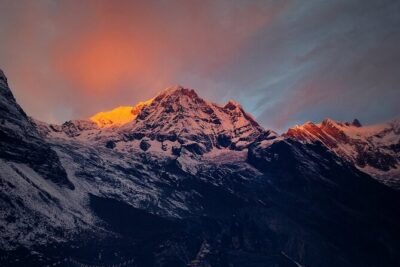
The day ends with a hike to Jarsing Pauwa viewpoint. The walk is listed at about an hour and is intended to provide views of the Himalayas and nearby countryside. Clear weather matters here. Mountain views are never guaranteed, so enjoy the hill walk itself rather than treating the panorama as a promise.
Day 3: Nagarkot and an evening in Ghimire village
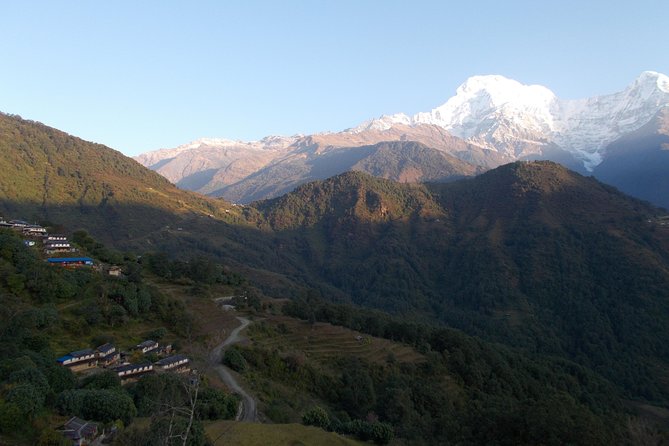
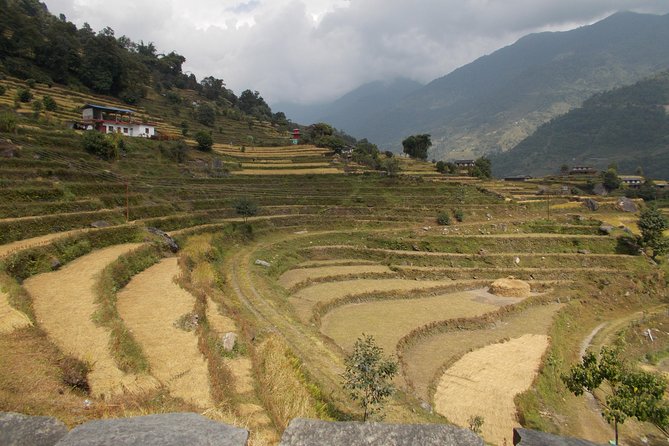
Nagarkot is one of the Kathmandu Valley’s best-known hill stations, and the route reaches it by walking through villages, terraced fields, hills, and woods. The listed hiking section is about an hour, but the day’s appeal is the setting rather than a demanding trek.
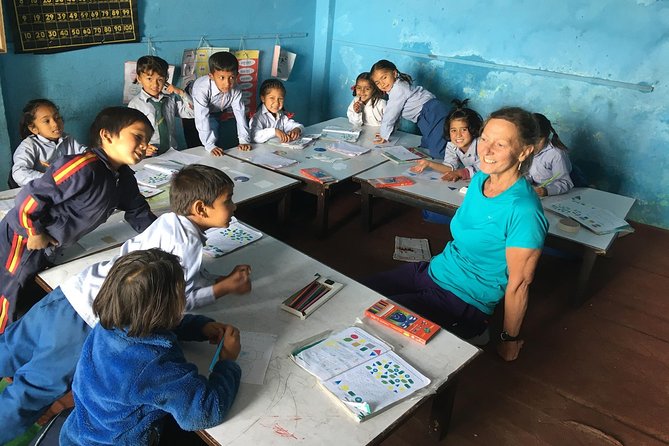
After sunset, you hike toward Ghimire village and spend about three hours with local residents. This is one of the strongest parts of the trip for anyone taking a sabbatical or gap year. You are not simply looking at a village from a vehicle. You have time to notice how the community feels, ask questions, and take part in a more ordinary rhythm.
The exact sleeping arrangements are not given, so ask whether this is a homestay, a community visit followed by hotel accommodation, or another arrangement. That detail affects what to pack and how much privacy you should expect. You should also ask about bathroom facilities and meal arrangements, since the program includes dinner but does not spell out the accommodation standard.
Same mountains, a completely different kind of day:
- Half day cooking class in Thamel kathmandu
★ 5.0 · 607 reviews - Everest Base Camp Trekking
★ 5.0 · 485 reviews - Nagarkot Sunrise View and Day Hiking from Kathmandu
★ 5.0 · 471 reviews - Kathmandu: Full Day 7 UNESCO Tour with Lunch – Private/Group
★ 5.0 · 415 reviews
Day 4: Tukucha Nala and the route toward Dhulikhel
Day four keeps you in the hills. At Tukucha Nala, local residents guide you around a monastery and several old temples, then take you toward quieter places near the village. The visit lasts about five hours, making it one of the most locally focused sections of the program.
This is a good day for curiosity rather than checklist sightseeing. You may see places that are not on a standard Kathmandu tour, but the appeal depends on the local guide’s storytelling and your willingness to walk at a relaxed pace. Wear practical shoes and carry water. The route is described as a village and greenery walk, not a paved city outing.
Later, the program sets out toward Dhulikhel by way of villages and wooded valley areas. The hike is listed at three hours. On a clear day, you may see mountains in the distance. Since this follows a long morning visit, the cumulative effort matters more than any single walk. If you are not accustomed to several active days in a row, ask whether the transport plan can be adjusted.
Days 5 and 6: Namo Buddha and time with monks
Namo Buddha is the spiritual center of the trip. You hike there from Dhulikhel, with about four hours allocated to the route and monastery visit. The destination is home to Thrangu Tashi Yangtse Monastery, where you spend time learning about monastic life.
The value here is time. Many Nepal tours stop at a monastery, take a photograph, and leave. This program gives you a longer look at how the monks spend their days. You are also scheduled to dine with monks, an experience that can be meaningful if approached with respect and without treating the monastery as a stage set.
The following morning continues the visit. You descend to a nearby village for a morning hike with monks, then return to learn about meditation and daily routines. The planned six-hour period makes this a substantial day, not a short ceremonial stop.
You should follow the monastery’s instructions on clothing, photography, noise, and conversation. The supplied details do not specify formal rules, so your guide should explain them. I would also ask what meals are served and whether dietary needs can be handled before arrival.
Namo Buddha will suit you if you want reflection and cultural exchange more than entertainment. It may feel slow if you prefer constant movement and major attractions. That is the point of this career break, but it is still worth matching the pace to your own interests.
Day 7: Panauti’s temples and museum
Panauti is a historic Newari town with temples dating to the fifteenth century. The program describes around 40 temples dedicated to different deities, along with old homes and lanes that reward unhurried walking.
You have about three hours to explore the town, followed by two hours at the Panauti Museum. The museum sits inside Indreshwor Temple and focuses on stone and wood craftsmanship that developed in the local community. This gives you a useful way to read the buildings around you. Instead of seeing carved doors and temple details as decoration, you begin to recognize the work behind them.
Panauti also provides a welcome change from Kathmandu’s density. The narrow streets and old buildings create a slower atmosphere, though the tour does not promise a fully quiet town. Take your time, ask about the temples, and avoid rushing through the museum simply because Bhaktapur is still ahead.
Day 8: Bhaktapur and the best-known Newari architecture
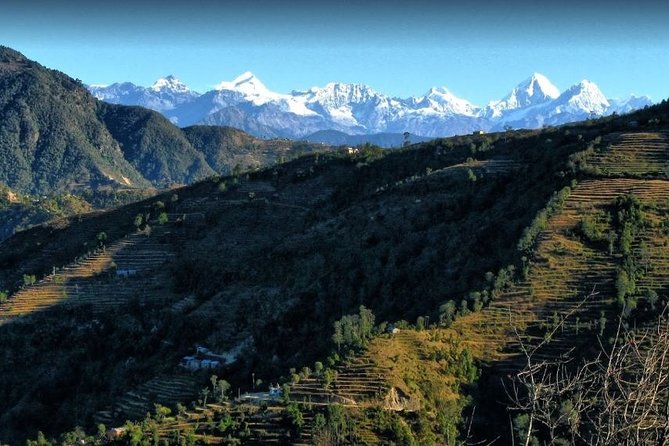
Bhaktapur, known as the City of Devotees, is the most famous heritage stop on the final full touring day. You spend about three hours exploring the old town and two hours in Bhaktapur Durbar Square.
The square’s main attraction is Nyatapola, a five-level temple. The surrounding architecture gives you a strong sense of the old Newari city, with temples and buildings arranged for public, religious, and royal life. The scheduled five hours allow more breathing room than the shorter Kathmandu Durbar Square visit.
Admission to Bhaktapur Durbar Square is listed as included. The day also includes the broader town, so use the walking time to notice food, local traditions, and the relationship between the formal square and the surrounding streets. The program does not list every entrance fee beyond those stated, so confirm if you plan to enter additional museums or attractions.
Bhaktapur can feel more polished and organized as a sightseeing destination than the smaller places earlier in the trip. That is not a weakness. It gives you a clear architectural finale after days of villages, shrines, and mountain paths.
Day 9: A free day to finish at your own pace
The last day is intentionally open. You have about two hours to visit a place you missed, shop for souvenirs, or simply take your own route through Kathmandu.
That free time is useful because the first week is full. You may want another look at Asan, return to a favorite temple, buy local clothing, or leave room for a slow breakfast. Since personal expenses are not included, keep money aside for shopping and any optional visits.
Do not expect a full final sightseeing program. This is a buffer day, and that makes it practical for a career break trip. It gives you a chance to recover from the hiking schedule and handle last-minute purchases without squeezing them into an already crowded afternoon.
What $980 covers, and where the value lies
The $980 price includes private transportation, listed taxes and fees, seven breakfasts, six lunches, and six dinners. Those inclusions reduce the daily planning load, especially when the route moves between Kathmandu, hill towns, villages, and monasteries.
The strongest value comes from the private format and the range of settings. You receive city sightseeing, heritage entry, local walks, village contact, monastery time, and transport under one price. A shorter standard Kathmandu tour may cost less, but it will not offer the same amount of rural and monastic time.
The package does not include travel insurance or personal expenses. You should also clarify accommodation details, since the supplied information does not state hotel names or room standards. Do not assume the polished hotel experience described by one separate Nepal and Bhutan booking applies to this exact nine-day program.
The free cancellation rule allows a full refund if you cancel at least 24 hours before the local start time. Changes or cancellations inside that period are not accepted for a refund.
Who will get the most from this Nepal trip
I would choose this experience if you want a structured pause from work, enjoy walking, and care about how people live beyond the major monuments. It is especially suitable for gap year participants, sabbatical travelers, couples, and small private groups who want a local focus without planning every transfer themselves.
You should be comfortable with several active days. The hikes range from about one hour to six hours, and the schedule moves through hills, villages, and wooded areas. The information says most people can participate, but it does not provide a fitness grading, so ask for more detail if you have mobility limits or dislike uneven walking.
I would be cautious if your main goal is high-altitude trekking, wildlife, or a luxury hotel holiday. This trip does not include Everest, a national park, or a detailed accommodation plan. I would also make guide communication a booking priority. One serious complaint involved an English-speaking request that was not met, while other accounts praised the coordination, drivers, and guides. The sensible response is not to ignore either side. Get the guide’s name, language ability, and role confirmed in writing.
Should you book this experience?
Book it if you want Nepal in smaller pieces: a stupa at sunrise, an herbal medicine street, a village welcome, a monastery morning, and old Newari towns. The itinerary has a clear point of view, and its best feature is the time given to places many short tours skip.
Pass if you want a relaxed hotel holiday or a major trekking expedition. Before booking, confirm accommodation, guide language, daily walking expectations, and the exact pickup plan. If those details suit you, $980 is a fair price for a private, food-inclusive introduction to Kathmandu Valley culture and hill-country life.
FAQ
Where does the tour take place?
The tour is based in Kathmandu and travels through the Kathmandu Valley and nearby hill areas, including Nagarkot, Dhulikhel, Namo Buddha, Panauti, Bhaktapur, Bajrayogini, Jarsing Pauwa, Ghimire village, and Tukucha Nala.
How long does the experience last?
The experience lasts approximately nine days, with sightseeing and activities scheduled from day one through day eight and free time in Kathmandu on day nine.
Is this a private tour?
Yes. Only your group participates, rather than joining a larger shared group.
Is pickup available?
Pickup is offered. The supplied details do not specify the exact pickup point or time, so confirm those arrangements before departure.
What meals are included?
The package includes seven breakfasts, six lunches, and six dinners.
Is transportation included?
Yes. Private transportation is included in the price.
Are entrance fees included?
All fees and taxes are included as a package item. Specific entries listed as included include Hanuman Dhoka, Jarsing Pauwa Viewpoint, the Nagarkot hiking trail, the Panauti Museum, and Bhaktapur Durbar Square. Kathmandu Durbar Square admission is listed as not included.
Is travel insurance included?
No. You must arrange travel insurance separately. Personal expenses are also excluded.
Can I cancel for a full refund?
Yes, if you cancel at least 24 hours before the experience start time based on local time. Cancellations or changes made less than 24 hours before the start are not accepted for a refund.
Just added around Kathmandu
- Traditional Momo Making Class★ 5.0 · 10 reviews
- Kathmandu to Pokhara Premium sofa bus ticket★ 4.0 · 17 reviews
- Women Empowerment Project(Nepali cooking class & jewelry workshop★ 5.0 · 15 reviews
- Walking tour of Kathmandu with awesome local guides★ 5.0 · 4 reviews
- Wildlife Adventure in Chitwan Nepal★ 4.0 · 4 reviews
- Kathmandu 2 Nights 3 Days Chitwan Jungle Safari Tour★ 5.0 · 9 reviews
- Kathmandu Street Food Walking Tour – Eat Like a Local★ 5.0 · 3 reviews
- Walking tour of real Kathmandu through back streets.★ 5.0 · 3 reviews
Kathmandu Tours, compared.
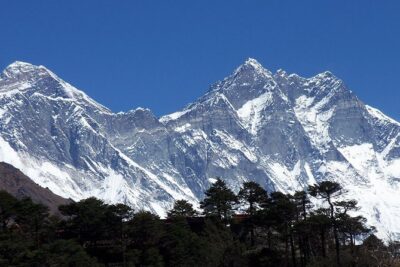
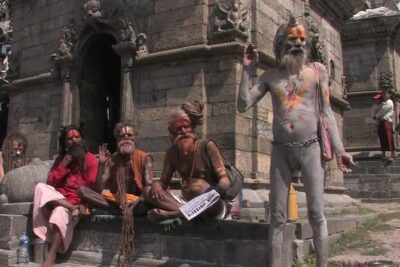
Private Kathmandu Sightseeing Tour | UNESCO World Heritage sites
Read our review →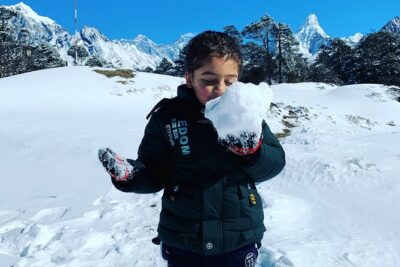
Everest Base Camp Helicopter Tour landing at Everest View Hotel
Read our review →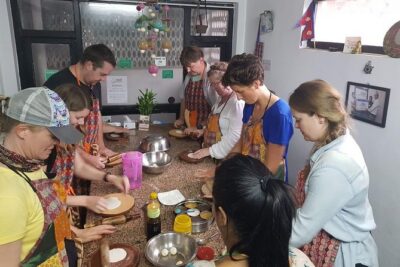
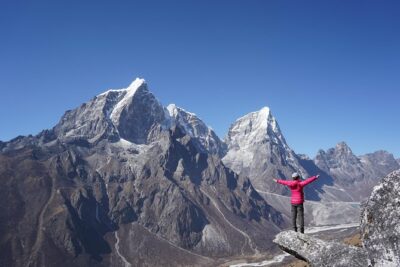
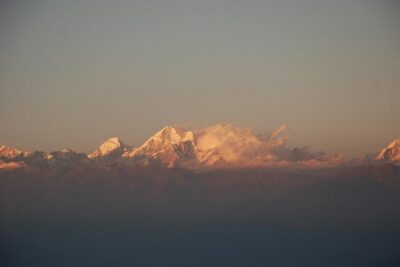
Nagarkot Sunrise View and Day Hiking from Kathmandu
Read our review →
Full Day 7 UNESCO Tour with Lunch – Private/Group
Read our review →