
Reviewed · HIKING & TREKKING
Everest Basecamp Trek: 14 days
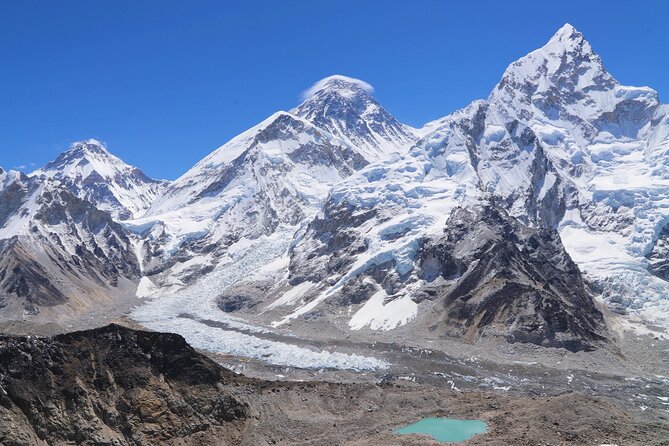
The reward here is not only reaching Everest Base Camp, but seeing how the trail changes from green river valleys and suspension bridges to bare, glacier-carved ground. The sunrise hike to Kala Patthar adds the closest mountain panorama in this plan, while Namche Bazaar and Tengboche give the trek a strong Sherpa cultural side.
I like the built-in acclimatization days in Namche and near Dingboche, and I like that the $1,650 price includes Lukla flights, permits, a licensed English-speaking guide, porters, meals, and lodging. The main caution is the altitude and the rough rhythm of mountain travel. Flights can shift between Kathmandu and Manthali, and bottled or boiled water, insurance, and high-altitude evacuation are extra.
Key points to know before you book
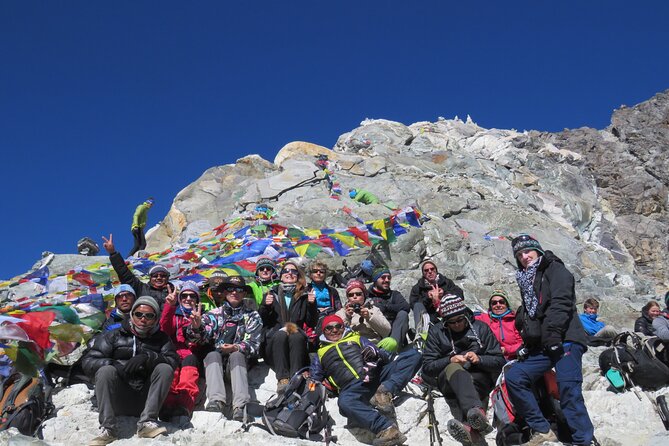
- Kala Patthar is the best viewpoint: The pre-sunrise climb gives you the nearest major view of Mount Everest on this route.
- Two acclimatization stops are built in: You spend extra time in Namche Bazaar and take a rest day around Dingboche with a walk to Nangkartshang Peak.
- Lukla flights are included: Round-trip airfare is covered, though the departure airport can depend on flight conditions.
- The price covers the costly basics: Permits, transfers, 13 nights of accommodation, meals on the trek, guides, porters, and domestic flights are included.
- This is a private trip: Only your own group participates, which gives the schedule a more personal feel than a large departure.
- You need moderate fitness: Expect several hours of walking on steep and uneven mountain trails, with altitude making ordinary climbs harder.
Starting in Thamel, then flying toward the Khumbu
Your trip begins with an airport pickup at Tribhuvan International Airport. A representative from Iconic Holiday Nepal will meet you in the terminal with a sign showing your name and the company name, then take you to your Kathmandu hotel.
The first day gives you about four hours in Thamel. This central district is packed with trekking companies, restaurants, hotels, nightclubs, and shops selling last-minute outdoor supplies. I would use this time for practical errands rather than a grand sightseeing program. Check your layers, confirm your luggage arrangement, and buy any small item you forgot.
The following morning brings the flight to Lukla. The itinerary allows the flight to operate from Kathmandu or Manthali, depending on the status during your trip. That detail matters. You should keep your first days flexible and avoid arranging a tight connection immediately after the trek.
Lukla Airport is the gateway for many Everest-region trips and can be very busy during the trekking season. The short flight is included in the price, and the aerial views are one of the early highlights. Once you land, the character of the trip changes quickly. You are no longer moving around a city by vehicle. Your legs and your guide become the main transport system.
A few more Kathmandu trips to weigh up
- Everest Base Camp Trek – 14 Days
★ 5.0 · 1,499 reviews - Everest Base Camp Trekking
★ 5.0 · 485 reviews - Nagarkot Sunrise View and Day Hiking from Kathmandu
★ 5.0 · 471 reviews
Phakding to Namche, your first real test
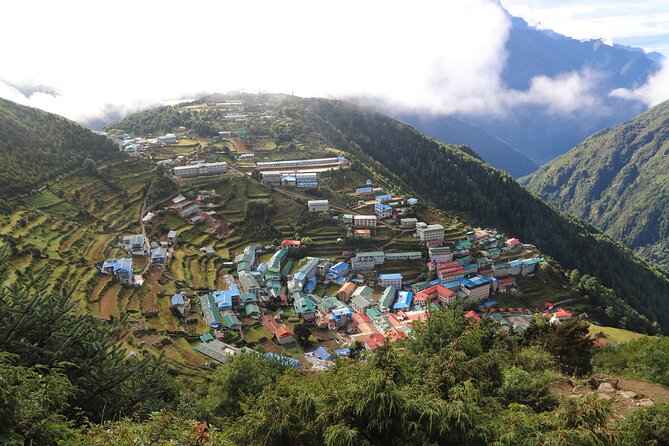
The early trail from Phakding toward Namche Bazaar is described as tough, and that is useful to know before you arrive. You walk uphill through pristine scenery, cross several suspension bridges, and pass small settlements before the trail grows more demanding.
This is a good introduction to the route because it combines manageable walking with a clear physical challenge. The bridges and river valleys keep the day interesting, but the repeated uphill sections can feel long when you are still adjusting to the pace.
Namche Bazaar is more developed than the smaller villages along the way. You will find hotels, restaurants, and tea houses here, along with a busy meeting point for trips into the Khumbu region. The extra time in Namche is not wasted time. It is the first serious effort to let your body adjust before you go higher.
The itinerary gives Namche two days, including an acclimatization hike to Syangboche. That short side trip is especially useful because you gain altitude during the day, then return to sleep at a lower level. Follow the guide’s pace and resist the urge to turn this into a race. The goal is to continue safely, not to collect the fastest time.
Tengboche brings mountains and monastery life
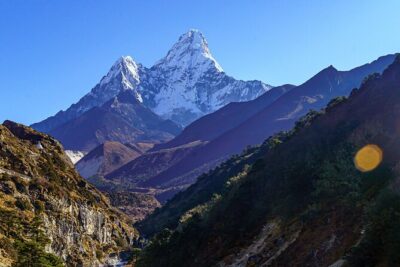
From Namche, the trail first descends toward the Dudh Kosi Valley before climbing again toward Phungi Thanka and Tengboche. This is one of the most appealing walking days because the route shifts between river country, forested sections, and open mountain views.
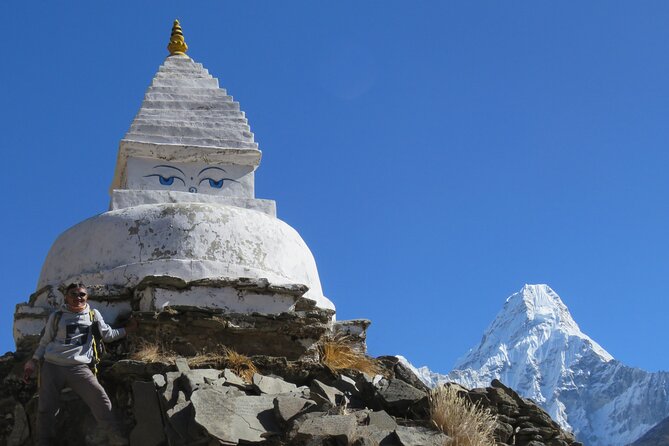
Tengboche is known for its monastery, and you have time to visit Tengboche Gompa the next morning. That stop gives the trek more meaning than a simple march from one lodge to the next. The monastery is a place to pause, take in the setting, and see part of the Buddhist culture that shapes life in the Sherpa communities.
After Tengboche, the route descends to the Imja River and continues through Pangboche. Prayer flags, bridges, villages, and high mountain paths become familiar parts of the day. You should expect the scenery to become more spare as you climb. The higher you go, the less shade and plant life you may find, and the more important a steady pace becomes.
The itinerary does not name an individual guide, but the included guide is government licensed, English speaking, and trained in first aid. Those qualifications matter most on days when the trail is tiring or someone in the group feels unwell. Because this is a private activity, your own group participates rather than being combined with a large departure.
Dingboche and Nangkartshang Peak: the smart pause
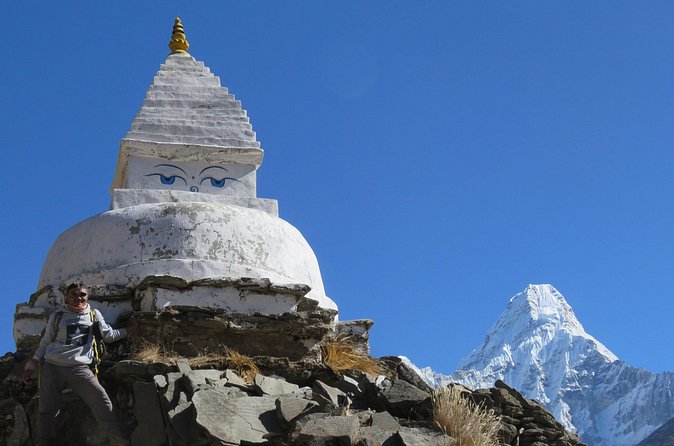
The route reaches Dingboche, followed by a rest day with a short hike toward Nangkartshang Peak. The purpose is acclimatization, not simply relaxation. You are giving your body time to respond to the changing altitude while still keeping active.
This is one of the strongest features of the schedule. Many people focus on the base camp finish and forget that the days before it determine how well they feel when they get there. A rest day near Dingboche helps break up the climb and gives the guide time to watch how the group is coping.
The Nangkartshang hike is listed at about an hour, but short does not mean effortless at this point in the trek. Walk slowly, drink regularly, and tell the guide if you develop symptoms that concern you. The package includes a first-aid trained guide, but it does not include travel insurance or high-altitude emergency evacuation coverage. You need to arrange those protections yourself.
Water is another cost to plan for. Bottled and boiled water are not included, and all beverages are extra. This is a small daily expense compared with the overall trek, but it adds up over nearly two weeks.
Same mountains, a completely different kind of day:
- Private Kathmandu Sightseeing Tour | UNESCO World Heritage sites
★ 5.0 · 756 reviews - Everest Base Camp Helicopter Tour landing at Everest View Hotel
★ 5.0 · 668 reviews - Half day cooking class in Thamel kathmandu
★ 5.0 · 607 reviews - Kathmandu: Full Day 7 UNESCO Tour with Lunch – Private/Group
★ 5.0 · 415 reviews
The final approach through Dughla and Lobuche
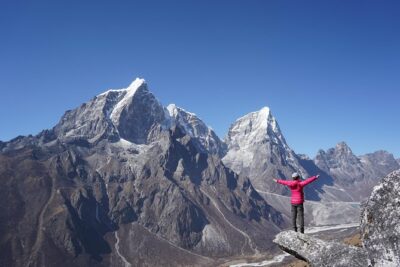
Leaving Dingboche, the path crosses bare fields and gradually becomes steeper. The route reaches Dughla, then follows a glacial section toward Lobuche. This is where the visual character of the trek becomes distinctly high Himalayan: fewer trees, more exposed rock, and broad views shaped by ice and weather.
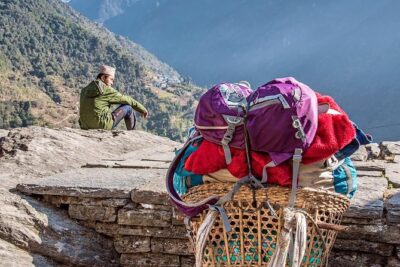
You should expect this part to feel slower than the earlier valley walking. The air is thinner, the trail is rougher, and each uphill section demands patience. The best approach is to keep your pack light, let the porter handle the luggage assigned to them, and walk at a pace you can maintain.
The package includes one porter for every two clients. That is a practical arrangement, but you still need to pack responsibly. Keep your daily essentials, water, warm layers, and personal medication with you. Do not assume the porter will be beside you every minute of the day.
The guesthouse accommodation is twin sharing in the Everest region. That keeps the cost reasonable, but it also means you should be comfortable with simple mountain lodging rather than expecting the standards of a Kathmandu hotel.
Everest Base Camp and the night at Gorak Shep
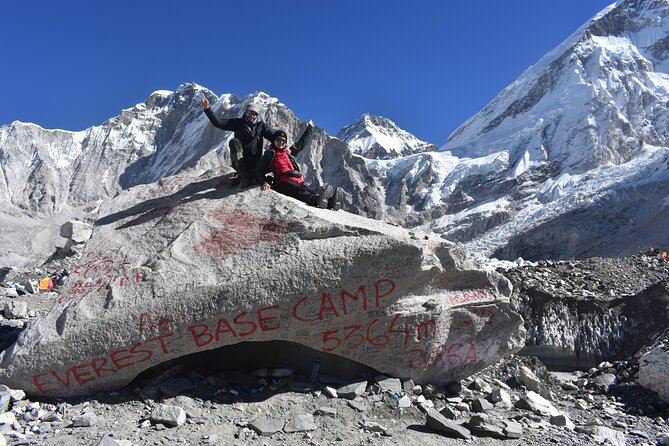
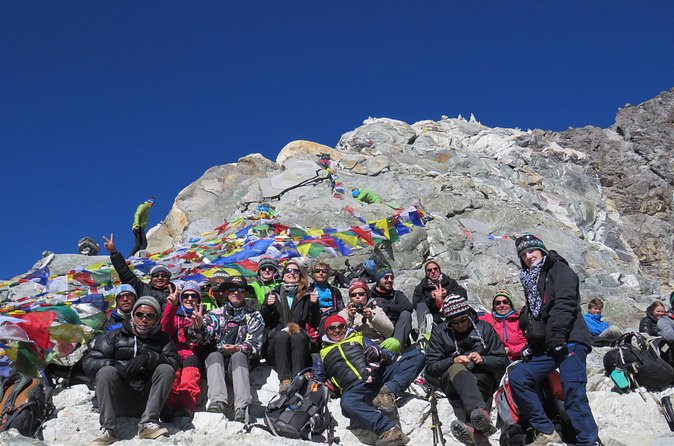
From Lobuche, the trail climbs along the Khumbu Glacier toward Gorak Shep. The route then continues to Everest Base Camp, the central goal of the trek. The listed stop time is about two hours, though the full walking day is longer once you include the approach and return.
Base Camp is a powerful destination, but keep your expectations realistic. You are reaching the base camp area used for Everest expeditions, not climbing Everest and not standing on the summit route. The glacier, surrounding peaks, and sense of distance do the work here.
The itinerary notes that Gorak Shep was once the base camp of Mount Everest. That detail adds context to the stop. It also reminds you that mountain routes change as glaciers, expeditions, and conditions change.
This is likely to be one of the hardest days physically. The trail can feel slow and stony, and the return to Gorak Shep comes after you have already spent hours walking at high altitude. The included meals and guesthouse night simplify the logistics, but no package can remove the physical demands.
Kala Patthar before sunrise
The next morning begins early, before sunrise, for the hike to Kala Patthar. This is the viewpoint day, and for many people it is the visual high point of the whole trip.
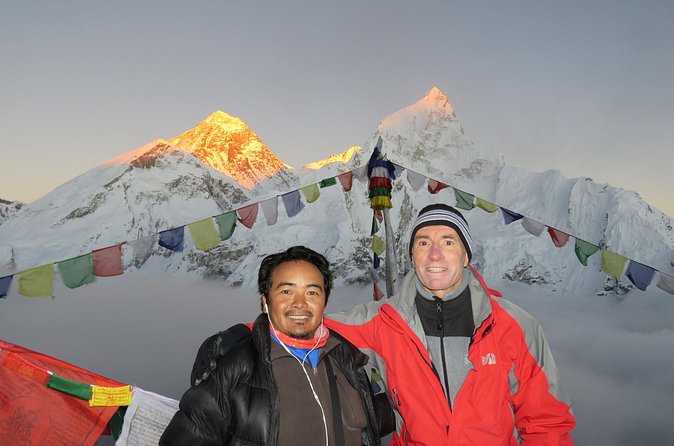
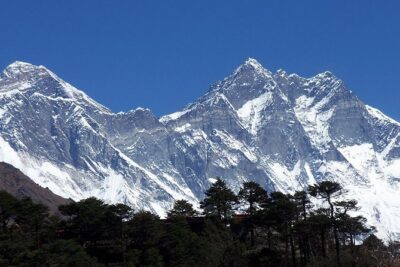
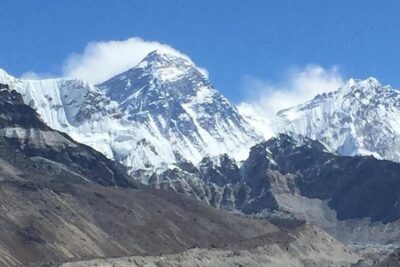
Kala Patthar sits above Gorak Shep and offers a close panorama of Mount Everest. The early start is worthwhile because the changing light gives the peaks a stronger presence than a midday view. You should bring warm layers, gloves, a headlamp if you have one, and water, though the tour does not specifically list those items as supplied.
The listed time for the hike is about two hours. At this altitude, your pace may be much slower than you expect from a two-hour walk at home. The guide will set the rhythm, and your job is to move steadily without burning energy too early.
I like that this viewpoint is included rather than treated as an optional add-on. Reaching Base Camp gives you the destination, but Kala Patthar gives you the broad mountain view that many people picture when they imagine the Everest region.
The long return to Namche and Lukla
After the high point of the trek, you retrace the trail toward Namche. The route passes through Pangboche and Tengboche before crossing another suspension bridge and continuing downhill.
The return is not simply a free rest period. Downhill walking can be hard on knees and ankles, especially after several days of effort. Trekking poles may help, though they are not listed as included. The familiar route also lets you notice details you missed while climbing, since you are now moving with more oxygen and a different sense of the villages.
The following day takes you from Namche toward the lower valley. You descend steeply at first, then follow a more wooded trail through small settlements and across the Dudh Kosi several times on suspension bridges.
This section is a welcome change from the exposed high country. Forest and river sounds return, and the air should feel easier. Still, the day is not effortless. You have a substantial distance to cover before reaching Lukla, and the last stages of a trek can expose sore feet and tired muscles.
Early on Day 13, you fly back to Kathmandu. The return flight is included, with aerial views over the mountains before the hotel transfer. Delays are always a practical concern with mountain flights, so keep your international departure plans separate from this domestic return unless you have a generous buffer.
Your final day is an airport transfer timed to your onward flight. The package includes airport transfers in a tourist vehicle, which removes one more piece of Kathmandu planning.
What the $1,650 package really covers
At $1,650 per person, the value depends on how much of the planning and support you want handled for you. The package includes:
- Two nights in a tourist-standard Kathmandu hotel with breakfast
- Eleven nights in twin-sharing guesthouses in the Everest region
- Round-trip airfare between Kathmandu and Lukla
- Trekking permits
- Airport transfers and private transportation
- A licensed, English-speaking guide trained in first aid
- Porters, at a ratio of one porter for every two clients
- Fourteen breakfasts
- Eleven lunches
- Eleven dinners
That is a substantial list for a 14-day trek. Domestic flights and permits alone are important costs, while the guide and porter support can make a major difference on a route where carrying every item yourself would add strain.
The exclusions deserve equal attention. Lunch and dinner in Kathmandu are yours to pay for, as are beverages, bottled water, and boiled water. International airfare and airport departure tax are also excluded.
Most important, travel insurance with high-altitude emergency evacuation is not included. Do not treat this as a minor technicality. Check that your policy specifically covers trekking at the required altitude and emergency evacuation before you set out.
Tips for the trekking staff and driver are also extra. The price is therefore strong for the services listed, but you should budget beyond the headline amount.
Who will get the most from this trek
This itinerary suits you if you want a guided Everest Base Camp experience with the main logistics arranged. It is especially useful if you prefer not to organize permits, Lukla flights, airport transfers, porters, and mountain lodging on your own.
You need moderate physical fitness and a willingness to walk for several hours on uneven, steep trails. The itinerary includes acclimatization, but those days do not make altitude harmless. Your comfort may vary from day to day.
The private format is a good fit for a couple, family, or group of friends who want to walk together without being placed in a larger party. Group discounts are available, though the exact saving is not stated, so ask for the current terms before booking.
This is less suitable if you want luxury lodging, a relaxed sightseeing holiday, or a fixed flight schedule. Mountain weather and flight operations can affect the plan, and the guesthouses are described as twin-sharing rather than upscale accommodation.
The experience has a 5.0 rating from four published reviews, which is a very positive signal, though the sample is small. I would take that as encouragement to examine the practical details, not as a reason to skip insurance or preparation.
Should you book the Everest Base Camp trek?
Book this trek if you want the classic Everest route with a clear 14-day structure, two acclimatization periods, Kala Patthar, included Lukla flights, and support from a guide and porter team. The combination of Base Camp and the sunrise viewpoint gives you both the destination and the best mountain outlook in the plan.
Before paying, confirm the current flight arrangement, ask what happens if Kathmandu or Manthali is used, and check exactly how luggage is divided between you and the porter. Arrange high-altitude evacuation insurance, budget for water and tips, and arrive ready for long uphill days.
For a supported first trip into the Everest region, this is a well-priced package with sensible pacing. Its limitations are clear: basic lodging, extra beverage costs, uncertain mountain flight timing, and serious physical demands. If those tradeoffs suit you, the itinerary offers a practical path from Kathmandu to the foot of the world’s highest mountain.
FAQ
Where does the Everest Base Camp trek begin?
The trip begins with airport pickup at Tribhuvan International Airport in Kathmandu, Nepal.
Are flights between Kathmandu and Lukla included?
Yes. Round-trip airfare between Kathmandu and Lukla is included. Depending on flight status during your trip, the flight may operate from Kathmandu Airport or Manthali Airport.
How many nights are spent in the Everest region?
The package includes 11 nights in twin-sharing guesthouse accommodation in the Everest region.
Is accommodation included in Kathmandu?
Yes. Two nights in a tourist-standard Kathmandu hotel are included, with breakfast.
Are meals included throughout the trip?
Fourteen breakfasts, 11 lunches, and 11 dinners are included. Lunch and dinner in Kathmandu are not included, and beverages, bottled water, and boiled water are extra.
Is travel insurance included?
No. Travel insurance, including high-altitude emergency evacuation coverage, is not included and must be arranged separately.
Just added around Kathmandu
- Private Half-Day Tour of Boudhanath and Pashupatinath Temples in Kathmandu★ 4.5 · 9 reviews
- Private Half-Day Tour of Kathmandu Durbar Square and Swayambhunath Temple★ 4.5 · 11 reviews
- Namobuddha Monastery Hiking Day Tour via Panauti from Kathmandu★ 5.0 · 15 reviews
- Private Full-Day Kathmandu City Tour★ 5.0 · 9 reviews
- Private Day Tour in Kathmandu Valley Rim with Bhaktapur Sightseeing★ 5.0 · 3 reviews
- Private Half Day Budhanilkantha Tour★ 5.0 · 6 reviews
- Private Day Tour: Patan and Bhaktapur from Kathmandu★ 4.5 · 6 reviews
- Private Day Tour – Sacred Journey to Namo Buddha★ 5.0 · 5 reviews
Hiking & Trekking, compared.
Nagarkot Sunrise View and Day Hiking from Kathmandu
Read our review →
Browse the lists this tour appears in