Reviewed · TICKETS
Full Day Ticket Access around Kathmandu Valley
Kathmandu Valley packs Buddhist stupas, Hindu temples, royal courtyards, and living Newar craft traditions into one busy day. This seven-hour private tour links four major sites, giving you a quick but useful introduction to how religion and daily life meet in Nepal.
I like the private transportation, which saves you from arranging separate taxis, and I like the cultural focus. Guide Manish is praised for his clear, passionate explanations of Nepal’s religions and traditions. The main drawback is the pace: two hours at each of the first three sites leaves little room for slow wandering, and entry fees may add about $20 per person to the advertised $40 price.
Key points at a glance
- Four major sights in one day: Visit Swayambhunath, Patan Durbar Square, Boudhanath, and Pashupatinath.
- A guide-led cultural visit: Expect English in-person guiding, with cultural and religious context rather than simple sightseeing.
- Private transport included: Pickup is offered, and private transportation is part of the package.
- A low advertised price: The tour costs $40 per person, but monument admission is listed separately at $20 per person.
- A full but tidy schedule: The planned stops total seven hours, beginning at 9:30 am.
- Strong guide praise: Manish is specifically noted for his understanding of Nepal and its religious traditions.
Four faces of Kathmandu Valley in one day
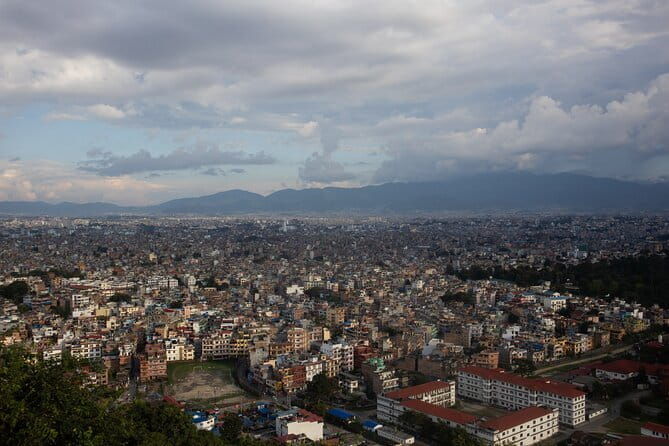
This tour is built around contrast. Swayambhunath introduces you to hilltop Buddhist worship and wide views over the Kathmandu area. Patan shifts the mood to Newar art, royal architecture, metalwork, and wood carving. Boudhanath brings you into the Tibetan Buddhist heart of the valley, while Pashupatinath presents one of Nepal’s most important Hindu sites beside the Bagmati River.
That range is the real reason to book. You are not spending the whole day at one palace or one shrine. Instead, you get a broad look at Nepal’s religious life and its older urban traditions, with a guide there to connect the pieces.
The start time is 9:30 am. Pickup is offered, but the supplied details do not specify the pickup area, so confirm that before booking. Private transportation should make the route easier than finding separate rides, though Kathmandu traffic can affect how long you have on foot at each stop.
A few more Kathmandu trips to weigh up
- Kathmandu: Full Day 7 UNESCO Tour with Lunch – Private/Group
★ 5.0 · 415 reviews - Kathmandu: Full Day Top 4 UNESCO Tour with Lunch – Private/Group
★ 5.0 · 269 reviews - Kathmandu: Full-Day 7 UNESCO Tour with Lunch – Private/Group
★ 4.9 · 247 reviews
Swayambhunath, the hilltop beginning
Your first stop is Swayambhunath, also called Swayambhu Mahachaitya or the Monkey Temple. It sits on a forested hill and is described as more than 3,000 years old, making it one of the oldest sacred places on this route.
The site gives you an early lesson in Nepali Buddhism. The stupa, prayer activity, and hilltop setting create a strong opening to the day. The guide can explain how the place fits into Nepali religious practice, rather than leaving you to identify symbols on your own.
Plan for about two hours here. That sounds generous, but the time includes movement around the site and the guide’s explanation. You may find the hill setting rewarding if you want views and atmosphere, though the stop may be less comfortable if stairs or uneven walking are difficult. The supplied information says most people can participate, but it does not provide a detailed mobility assessment.
Admission is marked as free in the stop information, while the general tour details also state that monument entry fees are paid separately and amount to $20 per person. That conflict is worth clearing up before the day begins. Ask exactly which sites require payment and whether the $20 covers the full route.
Patan Durbar Square and Newar craftsmanship
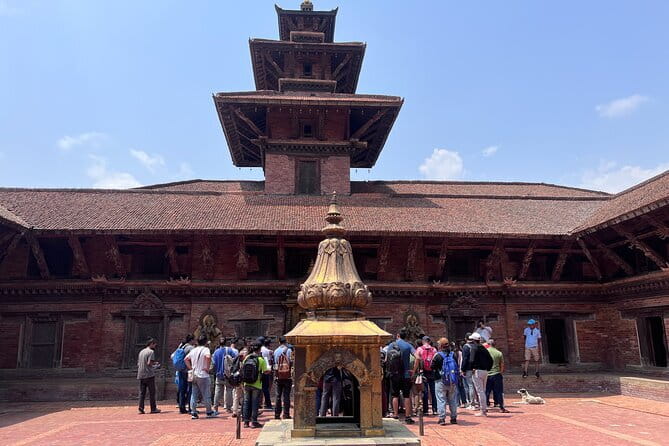
After Swayambhunath, the route crosses the Bagmati River into Patan, the old Newar kingdom. Patan Durbar Square is a UNESCO World Heritage Site and one of the most rewarding places on this schedule for architecture and craft.
The square is known for metal casting and wood carving. Look closely at the details rather than treating the area as a quick palace stop. Door frames, temple elements, carved figures, and metal images show the skilled work that shaped Patan’s identity.
The compact layout helps a guided visit. You can cover a lot without spending hours crossing the city, and your guide can point out how royal power, temple worship, and Newar urban life meet in the square. The planned two hours should give you enough time for an introduction and some independent looking, though a serious art enthusiast could easily want more.
Patan is also where the tour’s cultural promise matters most. A good explanation turns carved wood and bronze figures into clues about local tradition. Manish is specifically praised for his ability to explain Nepal and its religions with energy, so ask questions here if you want more than dates and names.
Boudhanath, the Tibetan Buddhist center
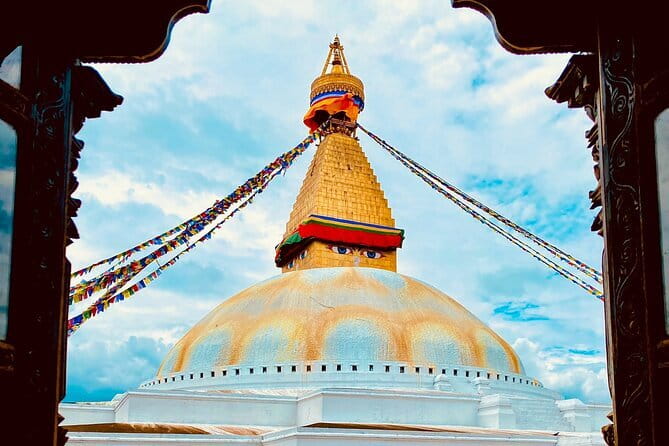
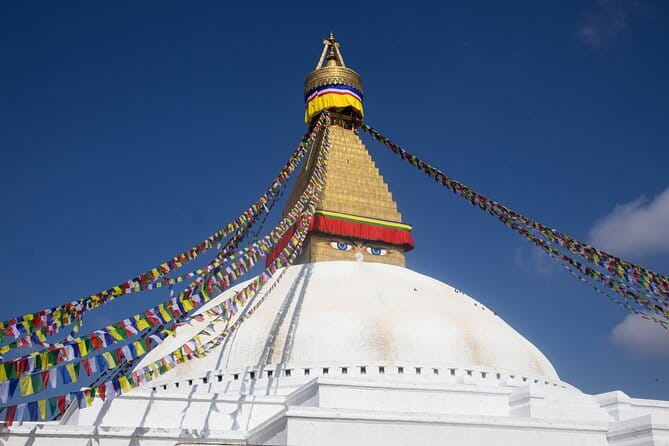
The third stop is Boudhanath Stupa, one of the world’s largest spherical stupas and the spiritual center of Nepal’s Tibetan community. The scale changes again. Swayambhunath feels like a sacred hill site, while Boudhanath is a great circular focus for religious life and daily movement.
You can walk around the stupa in the traditional kora, or ritual circuit. The supplied description places you alongside crimson-robed monks, with juniper incense rising from rooftop monasteries. Those details point to the sensory side of the visit: this is not only a monument to look at, but a working religious center.
The two-hour stop is useful because Boudhanath rewards a slower pace. You can make the circuit, watch the religious activity, and listen to the guide explain Tibetan Buddhist practice in Nepal. If you have already visited Buddhist sites elsewhere in Asia, the guide’s local context can help you see what is distinct about this one.
This may be the longest-feeling stop of the day, simply because there is a lot to notice. Keep an eye on the time if you want to follow the guide and also have space for your own walk. The tour is designed to show you the place, not to give you an unstructured afternoon there.
Same mountains, a completely different kind of day:
- Everest Base Camp Trek – 14 Days
★ 5.0 · 1,499 reviews - Private Kathmandu Sightseeing Tour | UNESCO World Heritage sites
★ 5.0 · 756 reviews - Everest Base Camp Helicopter Tour landing at Everest View Hotel
★ 5.0 · 668 reviews - Half day cooking class in Thamel kathmandu
★ 5.0 · 607 reviews
Pashupatinath beside the Bagmati River
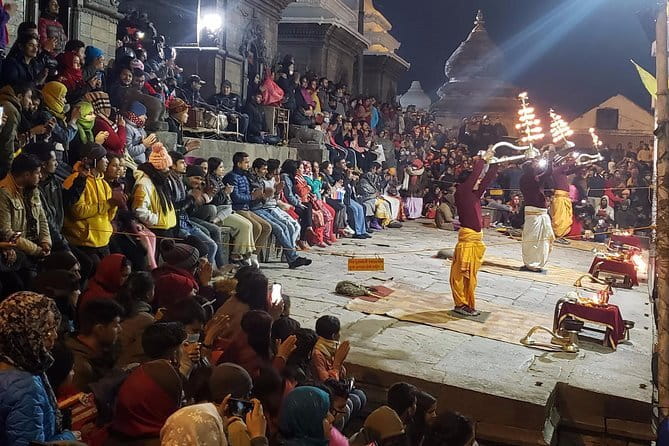
The final stop is Pashupatinath Temple, an ancient Hindu sacred site on the bank of the Bagmati River. It introduces a different religious tradition and a more solemn side of the valley.
The description focuses on Nepalese ideas about life and death, especially the separation of the soul and body. That makes Pashupatinath more than an architectural visit. Your guide can help explain the practices and beliefs connected with the river and the temple complex.
Only one hour is allocated here, so expect a focused introduction rather than a long exploration. That shorter visit may suit you if you want a broad cultural overview, but it can feel brief after the two-hour stops at the other sites. Pashupatinath is also a place where respectful behavior matters. Listen carefully to your guide and follow any site rules about where you may go and what you may observe.
Because this is a living sacred place, the tone is different from Patan’s royal square. You are seeing religious practice, not just preserved buildings. That is one of the tour’s most valuable contrasts, but it may not suit someone looking only for monuments and photographs.
What the $40 price really covers
The advertised cost is $40 per person. For that, you receive private transportation and an experienced cultural guide, with English listed for in-person guiding and audio. Pickup is offered, and the start time is 9:30 am.
The price looks strong for a private vehicle and a full day of guiding. You are paying for convenience as well as interpretation. Instead of arranging four separate visits, you have one planned route and one person helping you understand the cultural links between them.
However, budget for more. The tour details state that monument entry fees are not included and are subject to payment by the guest, listed as $20 per person. Since Swayambhunath is separately marked as having free admission, I would confirm the exact fee breakdown before booking. Your realistic total may be $60 per person, depending on which admissions apply.
The package does not list meals, drinks, or personal expenses as included. No meal arrangement is described, so plan accordingly and ask the operator if you need a scheduled lunch stop. The seven-hour duration also does not promise a fixed amount of free time between sites.
How the schedule feels in practice
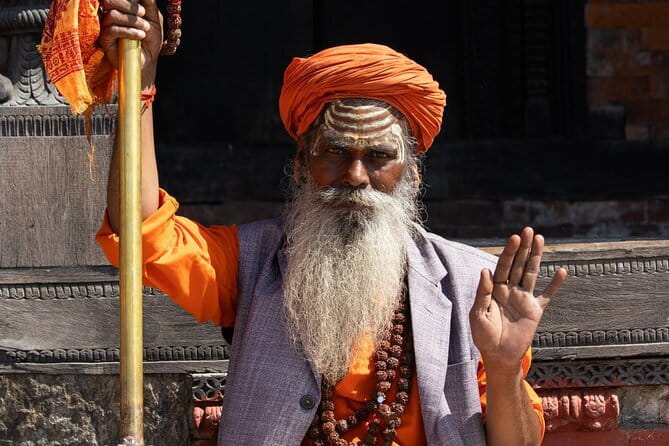
The four stops are listed as two hours at Swayambhunath, two hours at Patan Durbar Square, two hours at Boudhanath, and one hour at Pashupatinath. Together, that is seven hours, matching the stated duration.
That structure is easy to understand. You get enough time at each major site to hear an explanation and look around, but the day is not designed for long museum visits, shopping, or extended photography. If you want to study Newar carving in detail or make repeated circuits at Boudhanath, you may need a separate visit.
Private transportation is especially useful for this route because the sites are spread around the valley. The details do not state the vehicle type, group size, or exact pickup zone, so ask those questions if they affect your comfort. The supplied information says most people can participate, service animals are allowed, and the tour is near public transportation.
The experience requires good weather. If poor weather causes cancellation, you are offered another date or a full refund. For your own planning, keep some flexibility around the day if the forecast looks uncertain.
The guide can make or break the day
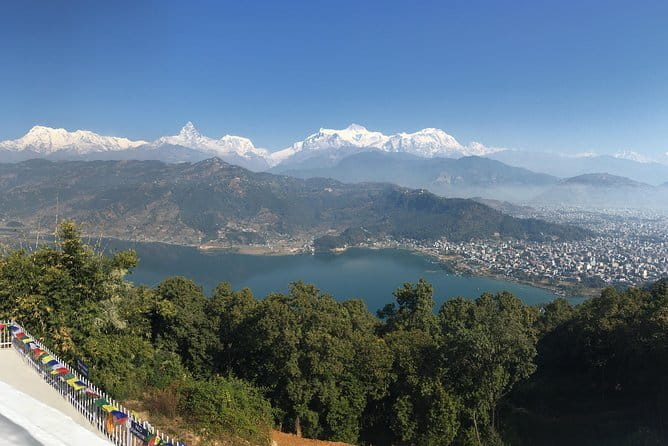
The tour puts real weight on its cultural guide. It describes university lectures and local experts guiding visitors personally, and English is provided in person. The clearest individual praise goes to Manish, whose explanations of Nepal and its religions are described as exciting and passionate.
That matters because the four places are not self-explanatory. At Swayambhunath and Boudhanath, a guide can clarify Buddhist customs. At Patan, the guide can connect the buildings to Newar craft. At Pashupatinath, careful explanation helps you understand the relationship between the river, religious practice, and beliefs about life and death.
I would use the private format to ask direct questions. Ask how Nepali Buddhism differs from Tibetan Buddhism, what makes Newar metalwork special, and how Pashupatinath fits into Hindu life in Nepal. The advertised format gives you a better chance to shape the discussion than a large fixed group would.
Still, the provider does not state that Manish will lead every departure. Treat his name as a useful reference, not a guarantee. If having him matters to you, request him when booking.
Who should book this Kathmandu tour?
This is a good match for a first visit to Kathmandu when you want the main cultural sights covered in one day. It also suits you if you prefer a private vehicle, want an English-speaking guide, and value explanations of religion and tradition more than free time for shopping.
The route works well for couples, families, and small private parties who want a clear structure. It may also suit visitors with a short stay in Kathmandu, since four important sites are combined without requiring several separate bookings.
You may want another format if you dislike tightly planned days. The schedule gives two hours to three sites and one hour to the last, so you will keep moving. It is also less suitable if your main goal is detailed photography, long museum visits, or extended time in one neighborhood.
The tour is not presented as a food experience, walking tour, or specialist art tour. Its strength is breadth, transport, and cultural explanation.
Booking, cancellation, and practical checks
Confirmation is provided at booking. Free cancellation is available until 24 hours before the 9:30 am start time for a full refund. Cancellations or changes made within 24 hours are not refunded or accepted.
Before you pay, confirm three points: the pickup area, the exact monument fee, and whether Manish is available. Also ask how the provider handles the timing if traffic reduces the time at one of the sites.
The operator is Bodhi Tree Tours Travel and Treks. The experience is rated 5 from 18 ratings, with 100 percent recommending it. The strongest praise centers on value and the guide’s ability to explain Nepal and its religions, which fits the tour’s main purpose.
Should you book it?
Book this experience if you want a well-priced cultural overview with private transportation and four major Kathmandu Valley sites in one day. The combination of Buddhist, Hindu, royal, and Newar traditions gives you a useful first picture of Nepal.
I would skip it if you want a slow, unplanned day or if the extra $20 entry cost pushes the budget too far. For most first-time visitors with limited time, though, the route makes sense. Confirm the admission charges and guide assignment, then expect a full day of sacred places, old craftsmanship, and clear cultural explanation.
FAQ
How much does the tour cost?
The advertised price is $40 per person. Monument entry fees are not included and are listed as $20 per person, so confirm the final total before booking.
How long does the experience last?
The tour lasts about seven hours. The stated start time is 9:30 am.
Is pickup available?
Yes, pickup is offered. The exact pickup area is not specified in the provided details, so confirm it with the operator.
Which places does the tour visit?
The route includes Swayambhunath, Patan Durbar Square, Boudhanath Stupa, and Pashupatinath Temple.
Is transportation included?
Yes. Private transportation is included in the tour.
Is an English-speaking guide included?
Yes. The package includes an experienced cultural guide, with English listed for in-person guiding and audio.
Are entrance fees included?
No. The tour details state that monument entry fees are paid separately by the guest. The listed additional amount is $20 per person, although Swayambhunath is separately marked as free admission.
Can most people participate?
Yes. The additional information says most people can participate. Service animals are also allowed.
What is the cancellation policy?
You can cancel at least 24 hours before the local start time for a full refund. Cancellations or changes made less than 24 hours before the experience are not refunded or accepted. If poor weather causes cancellation, you are offered another date or a full refund.
Just added around Kathmandu
- Private Half-Day Tour of Boudhanath and Pashupatinath Temples in Kathmandu★ 4.5 · 9 reviews
- Private Half-Day Tour of Kathmandu Durbar Square and Swayambhunath Temple★ 4.5 · 11 reviews
- Namobuddha Monastery Hiking Day Tour via Panauti from Kathmandu★ 5.0 · 15 reviews
- Private Full-Day Kathmandu City Tour★ 5.0 · 9 reviews
- Private Day Tour in Kathmandu Valley Rim with Bhaktapur Sightseeing★ 5.0 · 3 reviews
- Private Half Day Budhanilkantha Tour★ 5.0 · 6 reviews
- Private Day Tour: Patan and Bhaktapur from Kathmandu★ 4.5 · 6 reviews
- Private Day Tour – Sacred Journey to Namo Buddha★ 5.0 · 5 reviews
Tickets, compared.
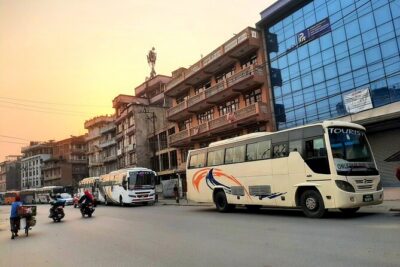
Kathmandu to Pokhara Tourist Bus Tickets reservation
Read our review →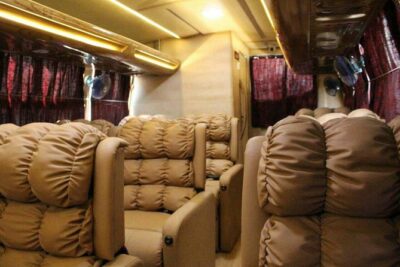


Kathmandu to Pokhara Luxury Bus Ticket – Easy & Reliable Booking
Read our review →
Tourist Bus Tickets: Kathmandu to Chitwan or Chitwan to KTM
Read our review →
Tourist Bus Tickets: Kathmandu to Pokhara or Pokhara to KTM
Read our review →