Reviewed · KATHMANDU TOURS
Spiritual Nepal: Expert insight into Multifaith Journey
Boudhanath and Pashupatinath give you two very different windows into Nepalese spiritual life in one compact outing. You turn prayer wheels beside local Buddhists, then follow the Bagmati River to Hindu shrines, Sadhus, cremation ceremonies, and the candlelit Aarati offering.
I like the clear contrast between the two sites, and I like the four-hour format, which works well when your Kathmandu schedule is tight. Guides such as Rozit, Bini, Subash, and Bidhya have helped visitors understand the rituals without requiring a religious background.
The main consideration is pace. Kathmandu traffic can eat into your time, and your experience with Sadhus depends partly on how much interaction you arrange. Palm readings, alms, and photos cost extra, so carry modest expectations as well as modest clothing.
Key points to know before you go
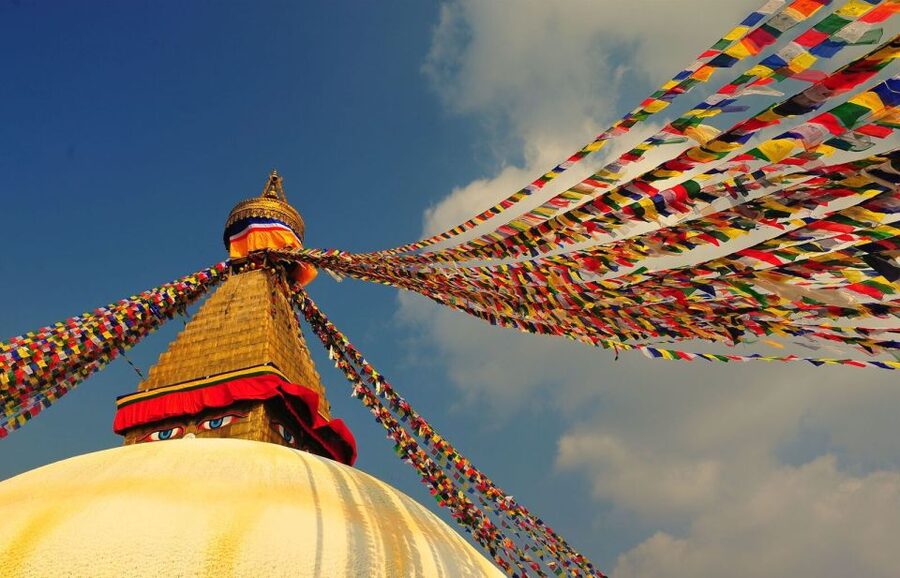
- Two UNESCO sites in one morning or afternoon: Boudhanath and Pashupatinath offer a strong introduction to Buddhist and Hindu practice.
- A walking ritual at Boudhanath: You can rotate the prayer wheels and join the Kora around the white stupa.
- A close look at Sadhu life: You may speak with Sadhus by offering alms, but extra payments apply for photos or interaction.
- Cremation and Aarati at the Bagmati: The riverfront brings Nepalese religious practice into full view, from solemn rites to evening light offerings.
- A small private group: The tour is designed for a group of up to 12, giving you more chance to ask questions than on a large coach outing.
- About 2 kilometers of walking: Wear practical shoes and stay close to your guide in crowded areas.
Why these two Kathmandu sites work so well together
This tour succeeds because the two stops are not interchangeable. Boudhanath is a place of Buddhist movement, prayer, and visual rhythm. Pashupatinath feels more intimate and serious, with temples, Sadhus, funeral rites, and the Bagmati River shaping the visit.
You begin at Hotel Marshyangdi in Kathmandu and meet your English-speaking Nepali guide and fellow group members. From there, transport takes you to Boudhanath. The transfer is useful because it saves your energy for the sites, though Kathmandu traffic can make the schedule feel tight.
The tour is listed as a private group experience, with attention designed for as many as 12 people. That is a good middle ground. You get more personal contact than on a large sightseeing bus, but you may still share the guide’s attention with several others.
Other Kathmandu days worth booking alongside this:
- Everest Base Camp Trek – 14 Days
★ 5.0 · 1,499 reviews - Private Kathmandu Sightseeing Tour | UNESCO World Heritage sites
★ 5.0 · 756 reviews - Everest Base Camp Helicopter Tour landing at Everest View Hotel
★ 5.0 · 668 reviews
Boudhanath Stupa and the rhythm of the Kora
Boudhanath is the first major stop, with about two hours set aside for the visit. The enormous white dome and watchful Buddha eyes make an immediate impression, but the real pleasure comes from watching how people use the space.
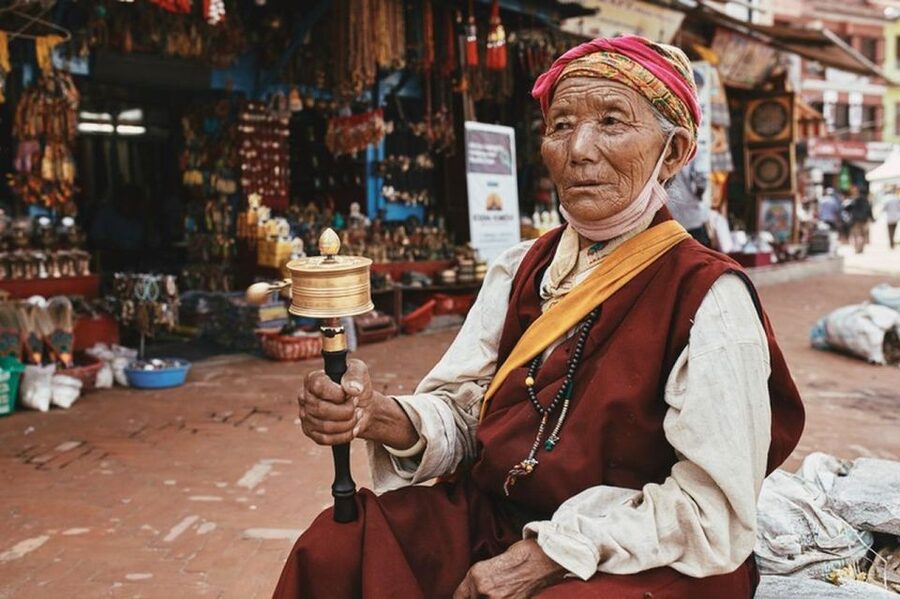
You can rotate the prayer wheels that line the walking route around the stupa. The motion is simple, yet it gives the visit a physical rhythm. You are not only looking at a monument. You are taking part in a practice used by local Buddhists.
The walk around the stupa is called a Kora. Move in the proper direction with the local flow, keep your pace easy, and allow time to notice the small details along the circuit. Your guide can explain why people walk, pray, and turn the wheels as they do.
Two hours is enough to understand the site without making it feel like a quick photo stop. The guide may also help you make sense of the different forms of devotion happening around you. You do not need to be Buddhist or especially religious to appreciate the visit. The experience is as much about daily life and shared custom as it is about belief.
You can also choose to offer butter lamps at Boudhanath. This is an optional expense, not part of the $150 price. If you like taking part in local religious customs rather than simply watching, it can add meaning to the stop.
The site can feel crowded, especially around the walking route and entrance areas. Keep near your guide and group, particularly if you stop to take photographs. The tour information gives an approximate total walking distance of 2 kilometers, so this is an active outing but not a strenuous hike.
The short transfer to Pashupatinath
After Boudhanath, you either walk for about 15 minutes or travel by vehicle to Pashupatinath Temple. The exact choice depends on the tour arrangements and conditions at the time.
This transition is one of the useful parts of the outing. You move from a Buddhist center focused on the stupa and circumambulation to one of Nepal’s most important Hindu pilgrimage places. The change helps you compare the two traditions without having to reserve a full day for separate visits.
Traffic is the weak link. One person found the schedule rushed because of road delays, even though the planned sights were covered. You should keep that possibility in mind, especially if you want long, unhurried conversations with Sadhus or time for extra stops.
Meeting Sadhus at Pashupatinath
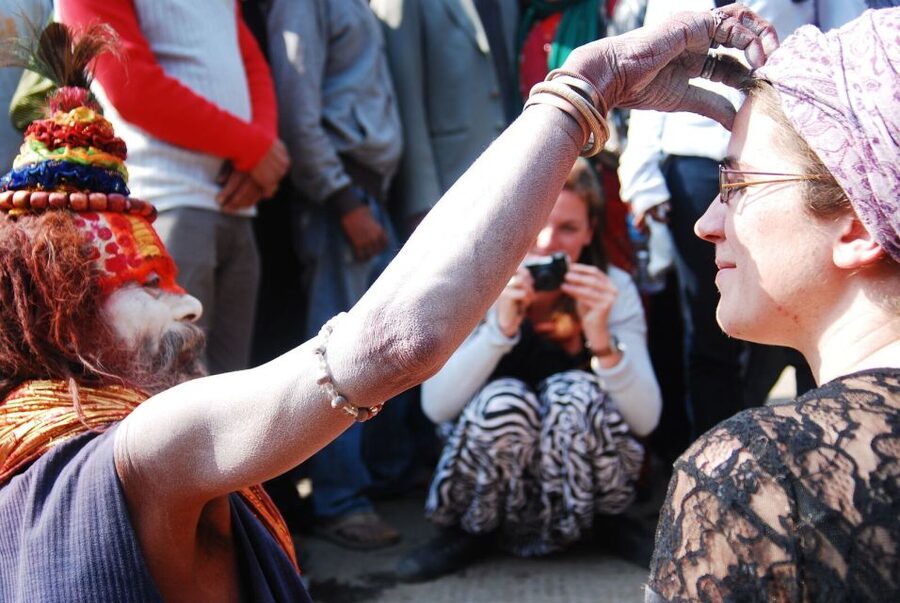
Pashupatinath is the larger and more complex part of the tour. About two hours are set aside here, giving you time to see temple areas, the riverfront, Sadhus, and the cremation grounds.
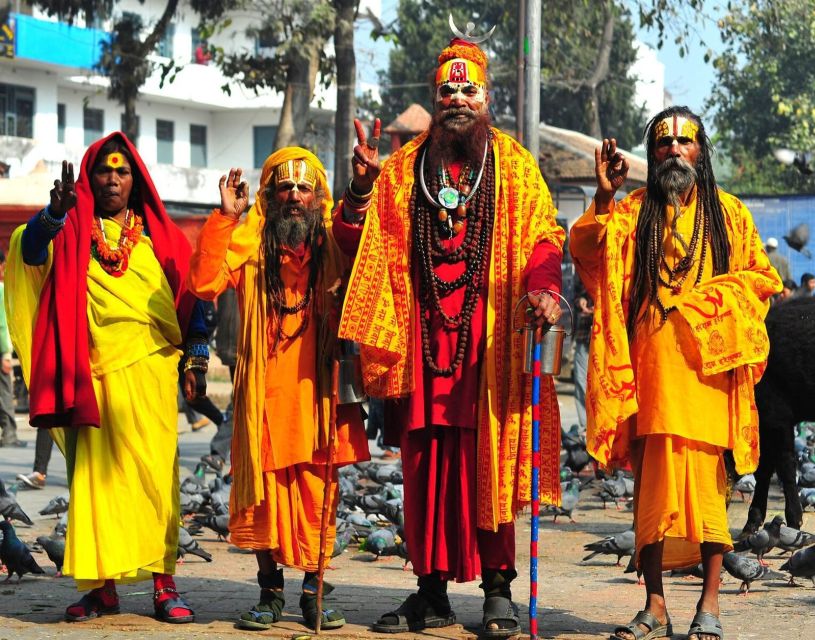
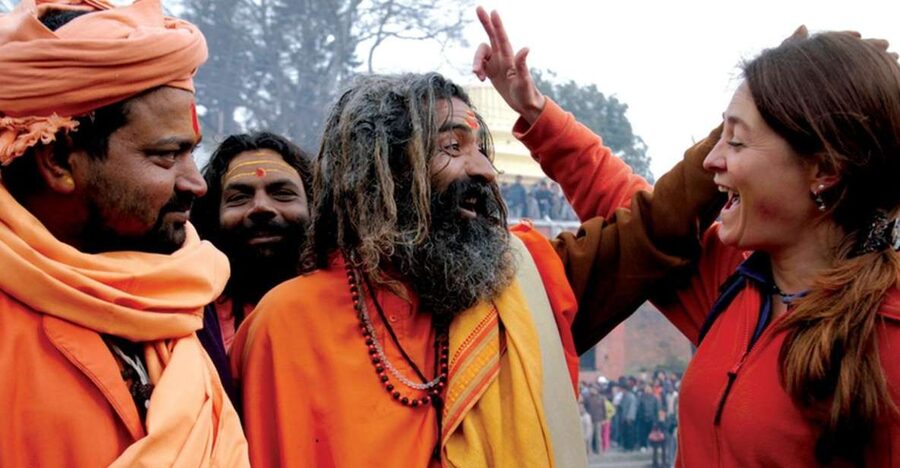
Sadhus are Hindu holy men who have given up ordinary household life in pursuit of spiritual practice. The tour gives you a glimpse of their lives, but this is not a staged performance. Interaction requires care and respect.
If you want to ask questions or learn more, you may offer alms. Photos or direct interaction can also involve a charge of about $7.50. The guide can help you negotiate with Sadhus and palm readers, which is useful because money and photography customs may not be clear to a first-time visitor.
I would not treat the extra payment as a required part of the tour. You can observe quietly and still gain a great deal. If meeting a Sadhu is one of your main goals, tell your guide early and agree on any fee before photographs or conversation begin.
A local palm reader may also offer to read your future. The stated cost is about $7.50 to $9 per person. Think of it as a cultural experience rather than a guaranteed prediction, and decide in advance how much you want to spend on optional activities.
One weakness to keep in mind is that the amount of Sadhu contact can vary. A visitor found she had to seek one out herself to ask questions. The guide may help, but you should not expect a long personal meeting to happen automatically.
Same mountains, a completely different kind of day:
- Half day cooking class in Thamel kathmandu
★ 5.0 · 607 reviews - Everest Base Camp Trekking
★ 5.0 · 485 reviews - Nagarkot Sunrise View and Day Hiking from Kathmandu
★ 5.0 · 471 reviews - Kathmandu: Full Day 7 UNESCO Tour with Lunch – Private/Group
★ 5.0 · 415 reviews
Cremation ceremonies beside the Bagmati River
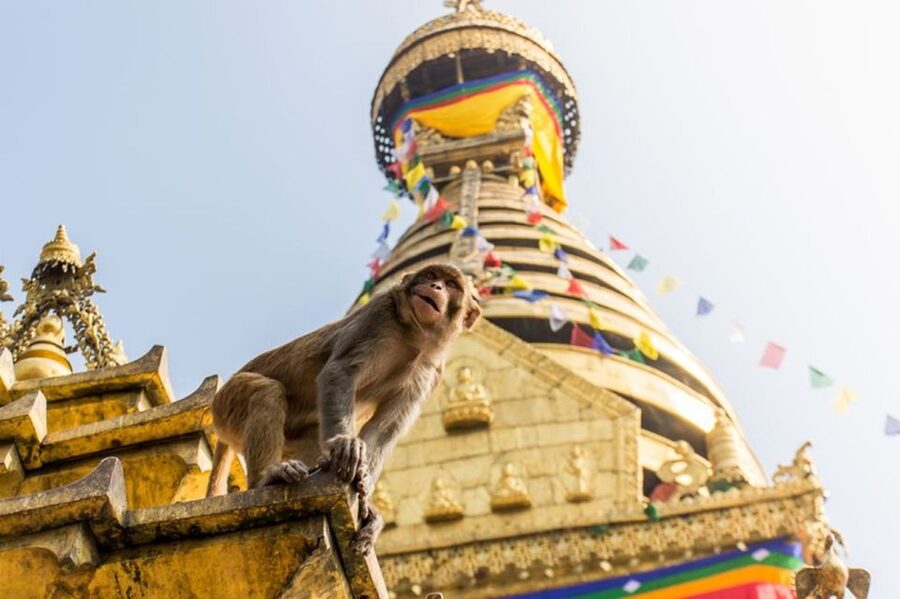
The Bagmati River is central to the Pashupatinath visit. Along its banks, you can witness Hindu cremation ceremonies. This is a solemn part of the tour, and it asks more of you than ordinary sightseeing.
Keep a respectful distance, follow your guide’s instructions, and avoid treating the ceremony as a casual photo opportunity. The value here is in seeing how religious belief shapes one of the most serious moments in family life.
Some people will find this scene difficult or emotionally heavy. That is not a flaw in the tour, but it is an important part of deciding if the experience suits you. The guide can provide context, yet no explanation removes the need for quiet behavior.
The riverfront also shows the everyday side of Pashupatinath. You are likely to see people praying, moving between shrines, and carrying out familiar rituals. This direct view of worship is more revealing than a museum display because the religious site remains part of ordinary life.
Aarati and the closing light offering
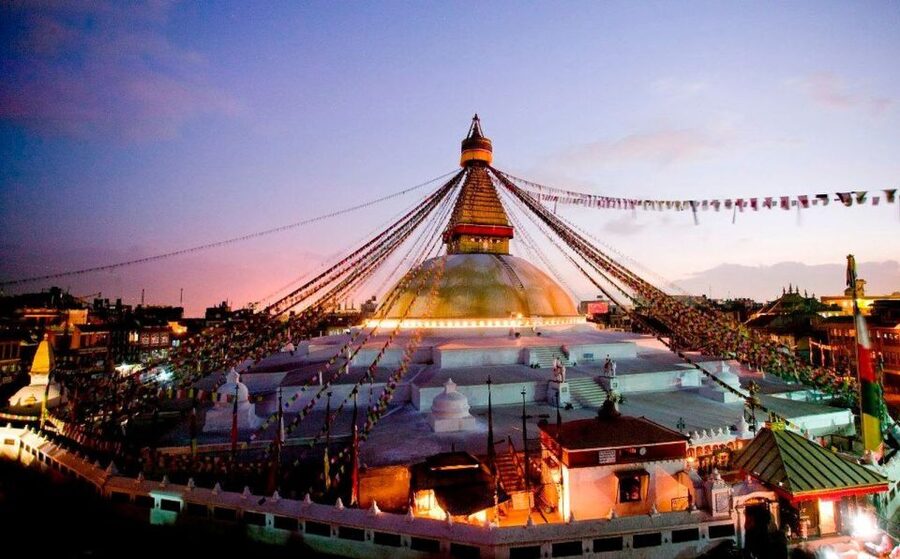
The tour includes a chance to watch Aarati, the offering of light to Lord Pashupatinath. Lamps, movement, and prayer create a striking close to the visit, especially after the quiet seriousness of the cremation grounds.
Timing matters here. Aarati is a daily ritual, but traffic and the order of the visit can affect how long you have at each stop. Stay close to your guide so you do not lose the group while moving through the temple area.
The light offering gives the tour a strong final scene. At Boudhanath, you took part in the turning of prayer wheels and the Kora. At Pashupatinath, you watch an organized act of devotion by the river. Together, these moments show different ways people make faith part of public life.
What the $150 price covers
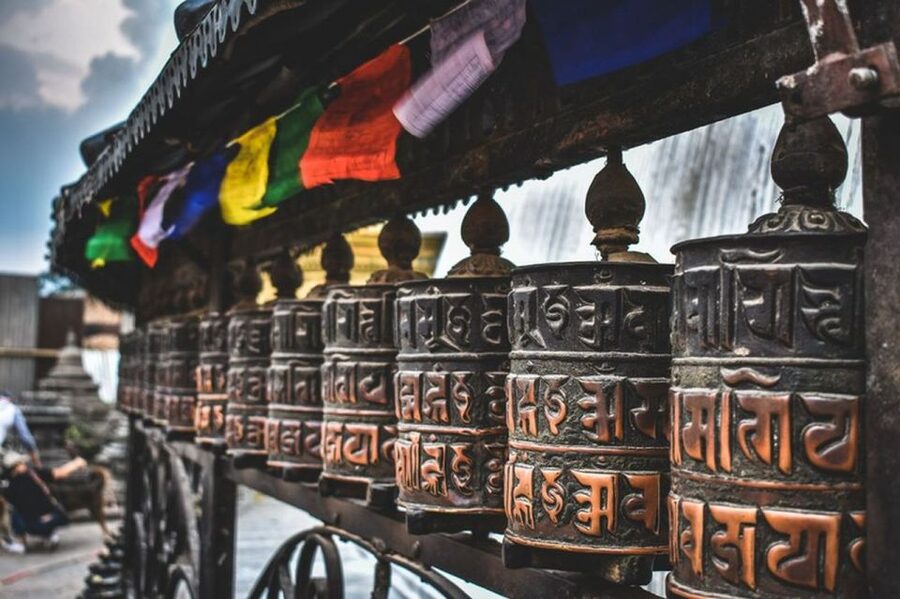
At $150 per person, this is not a bargain-priced walk, so the value rests on the guide, entrance fees, and the efficient pairing of two major sites.
The price includes:
- An English-speaking Nepali guide
- Entrance fees for Boudhanath and Pashupatinath
- Transport from the meeting point to Boudhanath
- Transport from Pashupatinath to the endpoint
Food and drinks are not included. The meeting point and return point are Hotel Marshyangdi, though the included transport wording specifically covers the ride to Boudhanath and the transfer from Pashupatinath to the endpoint.
For two people, $300 is a substantial half-day expense. Still, entrance fees, a private group arrangement, and focused guiding can make sense if you want interpretation rather than simply visiting both sites on your own. The value is strongest for first-time visitors who want help understanding customs and handling optional payments.
If your main goal is photography or a quick look at the monuments, you may find the price harder to justify. If you want to ask questions about Buddhist and Hindu practice, observe religious rituals, and have someone explain local etiquette, the cost is easier to defend.
The guides can shape the whole experience
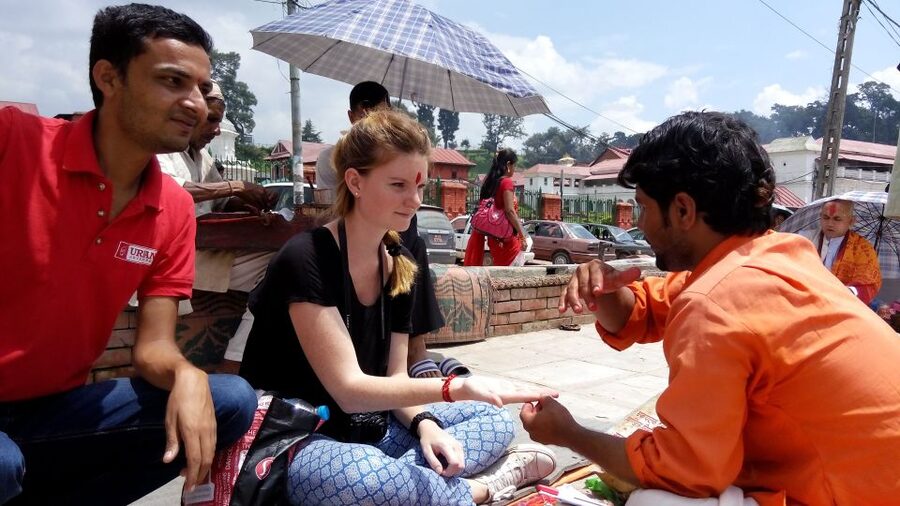
The guide is the most important variable here. Strong guides have included Rozit, Bini, Subash, and Bidhya. They have been praised for answering questions, adjusting to individual needs, and explaining both religions in terms that make sense to people without a spiritual background.
That matters at Pashupatinath, where the setting can feel confusing and emotionally intense. A good guide can explain what you are seeing, tell you when to step back, and help you decide how to approach Sadhus and palm readers.
The private group format should also help. With no more than 12 people intended for the group, you have a fair chance to ask questions and stay connected. One especially flexible outing included time for food at a rooftop restaurant overlooking Boudhanath and a stop at a traditional mandala painting school, though these extras are not promised and should not be treated as part of the standard four-hour plan.
Guide quality is not guaranteed on every departure. One person raised a concern about a guide coughing without covering her mouth and felt the Sadhu portion lacked enough help. That experience is worth noting. If something is important to you, state it clearly at the start rather than waiting for the guide to guess.
Clothing, walking, and cultural manners
Dress conservatively. Cover your shoulders and knees, and men should plan on wearing long trousers at religious sites. Women should bring a long skirt or sarong if needed.
Comfortable shoes are a smart choice because the tour covers roughly 2 kilometers on foot. The distance is manageable for most people, but the combination of walking, crowds, uneven movement, and long periods of standing can make the outing feel more active than the four-hour length suggests.
You should also keep your guide and group in sight. The temple area can be crowded, and the tour instructions specifically warn you to stay close while navigating it.
Children are welcome, and children under 6 can join free of charge. Parents should still consider the cremation scenes and the amount of walking before booking for very young children.
This tour is described as carbon neutral and is run by a B Corp certified company. That is a useful point for travelers who want their spending connected to a stated social and environmental policy, though the experience itself remains focused on cultural visits rather than conservation work.
Who should book this four-hour outing
I would choose this tour if you have limited time in Kathmandu and want two major religious sites explained in one half-day. It suits curious visitors who want more than a monument checklist and who are comfortable observing ceremonies with respect.
It is also a good fit if you are unsure how to approach Sadhus, prayer customs, or palm readers. The guide can help you understand what is optional, what costs extra, and how to behave.
You may want a different plan if you need a slow, open-ended visit. Traffic can shorten the time at each site, and the Sadhu interaction may not unfold exactly as you hope. You should also skip the optional payments unless you genuinely want the experience, since they are not part of the core tour.
The four-hour length works well before or after other Kathmandu plans. Just avoid scheduling something rigid immediately afterward. The return time can be affected by road conditions, and the Pashupatinath section deserves attention rather than a hurried exit.
Should you book Spiritual Nepal?
Book it if you want a guided comparison of Buddhist and Hindu practice, with entrance fees and transport handled for you. Boudhanath’s prayer wheels, Pashupatinath’s river ceremonies, and Aarati create a memorable sequence, while the small group gives you room to ask questions.
I would book with realistic expectations about the Sadhus and palm reading. These are optional encounters, not guaranteed performances, and extra fees apply. Ask your guide about them early, agree on prices before participating, and keep your focus on respectful observation.
At $150, the experience makes the most sense for first-time visitors who value interpretation and ease over the lowest possible cost. If that describes you, this is a strong, compact introduction to Kathmandu’s spiritual life.
FAQ
How long does the Spiritual Nepal tour last?
The tour lasts four hours. It includes about two hours at Boudhanath and about two hours at Pashupatinath.
Where does the tour start?
The meeting point is Hotel Marshyangdi in Kathmandu.
Where does the tour finish?
The planned endpoint is Hotel Marshyangdi. Included transport covers travel from Pashupatinath Temple to the endpoint.
Are entrance fees included?
Yes. Entrance fees for Boudhanath and Pashupatinath are included in the $150 price.
Is food included?
No. Food and drinks are not included.
Do I have to pay to speak with a Sadhu or have a palm reading?
Optional costs apply. Palm readings generally cost about $7.50 to $9 per person. Photos or interaction with Sadhus may cost about $7.50. Alms for Sadhus and monks are also not included.
What should I wear?
Wear modest clothing that covers your shoulders and knees. Men often need long trousers, while women should consider carrying a long skirt or sarong for religious sites.
Can children join the tour?
Yes. The tour is child-friendly, and children under 6 are permitted to join free of charge.
Just added around Kathmandu
- Private Half-Day Tour of Boudhanath and Pashupatinath Temples in Kathmandu★ 4.5 · 9 reviews
- Private Half-Day Tour of Kathmandu Durbar Square and Swayambhunath Temple★ 4.5 · 11 reviews
- Namobuddha Monastery Hiking Day Tour via Panauti from Kathmandu★ 5.0 · 15 reviews
- Private Full-Day Kathmandu City Tour★ 5.0 · 9 reviews
- Private Day Tour in Kathmandu Valley Rim with Bhaktapur Sightseeing★ 5.0 · 3 reviews
- Private Half Day Budhanilkantha Tour★ 5.0 · 6 reviews
- Private Day Tour: Patan and Bhaktapur from Kathmandu★ 4.5 · 6 reviews
- Private Day Tour – Sacred Journey to Namo Buddha★ 5.0 · 5 reviews
Kathmandu Tours, compared.
Private Kathmandu Sightseeing Tour | UNESCO World Heritage sites
Read our review →
Everest Base Camp Helicopter Tour landing at Everest View Hotel
Read our review →
Nagarkot Sunrise View and Day Hiking from Kathmandu
Read our review →
Full Day 7 UNESCO Tour with Lunch – Private/Group
Read our review →