
Reviewed · SARANGKOT SUNRISE TOURS
Pokhara: Private City Tour and Sarangkot Sunrise
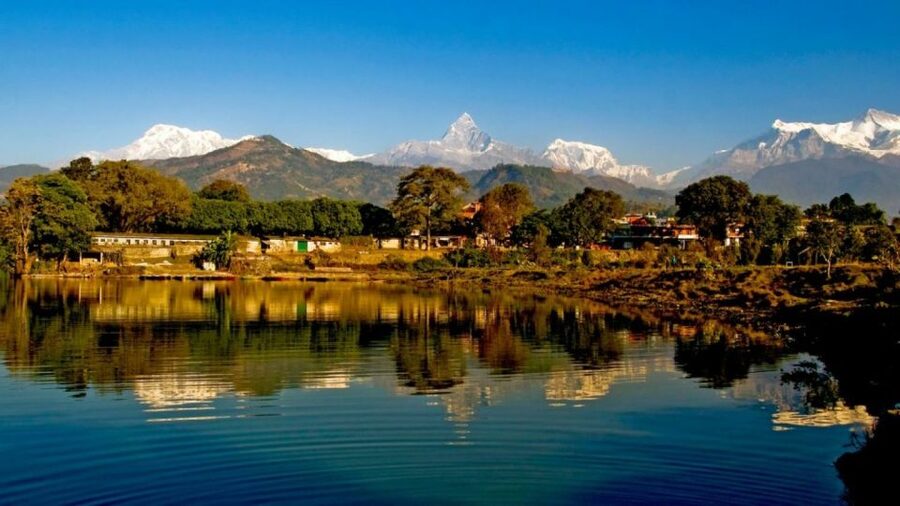
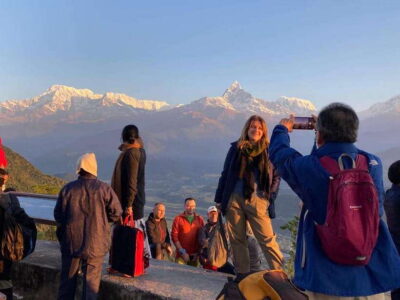
Sarangkot gives you Pokhara’s big morning show: the sun rises over Himalayan peaks while the valley, hills, and Phewa Lake spread below. Afterward, you return to town for a full circuit of caves, waterfalls, temples, a museum, and a boat ride, all with hotel pickup and drop-off.
I like the sunrise plus city sights format, since it saves you from arranging several short excursions. I also like having a driver and guide for the long day, especially when the route includes both sides of Pokhara. The main catch is planning: the exact departure time may not be confirmed until close to the trip, and one Japanese-speaking participant had to sort out confusion over payment for the boat.
Key points at a glance
- Sarangkot before breakfast: Allow 45 to 60 minutes for the early drive from Pokhara to the sunrise viewpoint.
- Views from solid ground or the air: Watch the sunrise from Sarangkot, or add a 30-minute paragliding session.
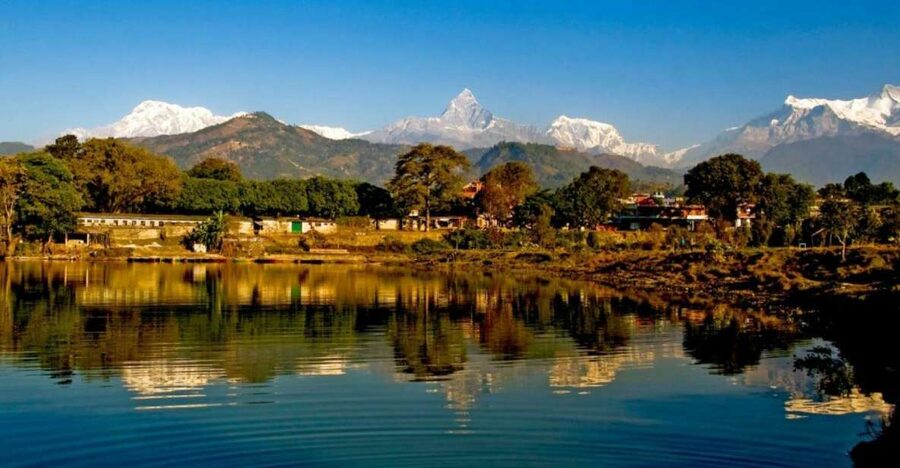
- Phewa Lake by boat: Row out to the two-story Barahi Temple, built on a small island in the lake.
- A packed Pokhara circuit: Visit Devi’s Falls, Gupteshwor Mahadev Cave, Bindhya Basini Temple, the World Peace Pagoda, and the International Mountain Museum.
- Private vehicle, small-group format: The tour uses a private vehicle and limits participation to 15 people, with hotel pickup in Pokhara.
- Flexible booking: The price is $85 per person, with food, drinks, accommodation, and entrance fees extra.
Sarangkot sunrise means an early start
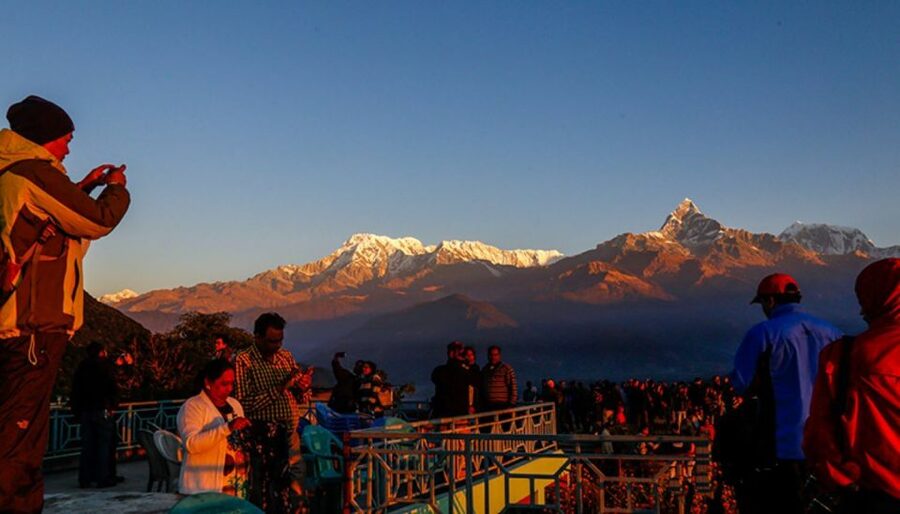
Your guide meets you in the hotel lobby in Pokhara, holding a sign with your name. From there, you ride roughly 45 to 60 minutes to Sarangkot in a private vehicle.
The timing matters. This is not a leisurely breakfast outing. You leave early enough to reach the viewpoint before sunrise, and the exact start time depends on the sunrise schedule. One practical weakness is that the departure hour may be confirmed quite late, so ask for the final pickup time as soon as possible.
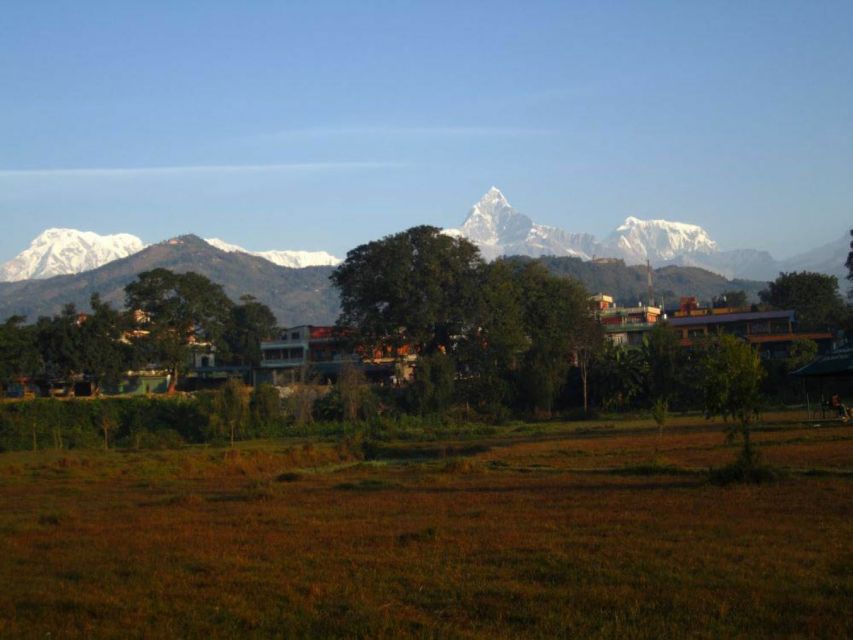
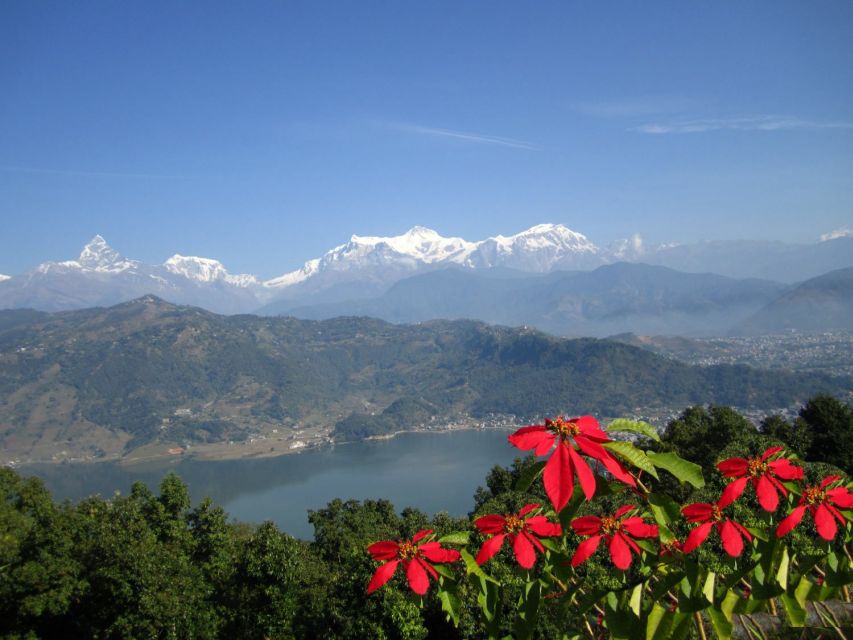
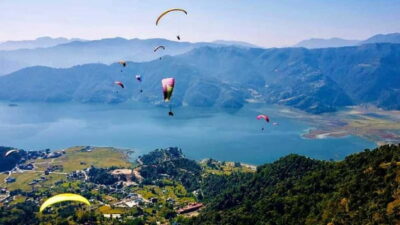
At Sarangkot, you get the main prize of the day: broad views across Pokhara Valley, Phewa Lake, surrounding hills, and the Himalayan range. Sunrise is the reason to book this tour, but the quality of the view depends on the weather. Clear skies can reveal a grand wall of mountains. Cloud or haze can reduce the scene to a softer view of the valley.
You can watch from firm ground, which is the sensible choice if you want an unhurried morning with a camera and warm clothes. You can also select a 30-minute paragliding session. Sarangkot is a well-known launch point, and the flight gives you a different angle over Pokhara Valley and the mountains.
Paragliding changes the feel of the morning. It adds excitement, but it also means less time simply standing at the viewpoint and taking in the sunrise. Check that the paragliding option is selected when you book, since it is not part of the basic tour for everyone.
More Sarangkot Sunrise Tours in Pokhara:
- From Pokhara: Sarangkot Sunrise Himalayas Tour
★ 4.7 · 218 reviews - Pokhara: Sarangkot Sunrise with Half or Full-Day City Tour
★ 4.8 · 100 reviews - The Best of Pokhara: Full-Day Private Tour with Sarangkot Sunrise
★ 5.0 · 66 reviews
Returning to Pokhara after the mountain view
After Sarangkot, you drive back to Pokhara for a break before continuing with the city tour. This pause is useful after the early start, especially since the rest of the day contains several stops.
The schedule is flexible within the stated five to eight hours, but this is still a busy outing. The Sarangkot portion is listed at about two hours, while the Pokhara Valley circuit can take around five hours. You should think of it as a full sightseeing day, not a quick highlights drive.
The guide and driver arrangement is one of the tour’s strongest practical points. You do not need to work out separate transport to each sight, and a private vehicle makes it easier to carry on after the sunrise instead of returning to your hotel and arranging another outing.
The format is described as a small group of up to 15 people, even though transport is private. That distinction matters. You should expect a more personal vehicle-and-guide setup than a large coach trip, but not necessarily a completely private guide reserved only for your party.
Devi’s Falls and the underground Gupteshwor Cave
Devi’s Falls is one of Pokhara’s natural sights, with water passing through a tunnel that runs about 500 feet, or 150 meters, and roughly 100 feet, or 30 meters, below ground. The unusual feature here is not only the falling water, but the way it disappears into the earth.
Nearby, you can see traditional Nepali houses and a series of statues depicting Nepali figures. These details help break up the natural sightseeing with glimpses of local design and cultural symbols.
Across from the falls is Gupteshwor Mahadev Cave. Inside, a large stalagmite is honored as a Shiva lingam and used for prayer. That gives the cave a religious purpose, not just a geological one.
I would treat these two stops as connected experiences. Devi’s Falls shows water moving into the underground world, while Gupteshwor gives that underground setting a sacred meaning. The cave may feel more interesting to you if you enjoy places that are still used for worship rather than preserved only as attractions.
Keep in mind that entrance fees are not included in the $85 price. The tour covers the route and guiding, but you should carry extra money for admissions and personal purchases.
Phewa Lake and the Barahi Temple boat ride
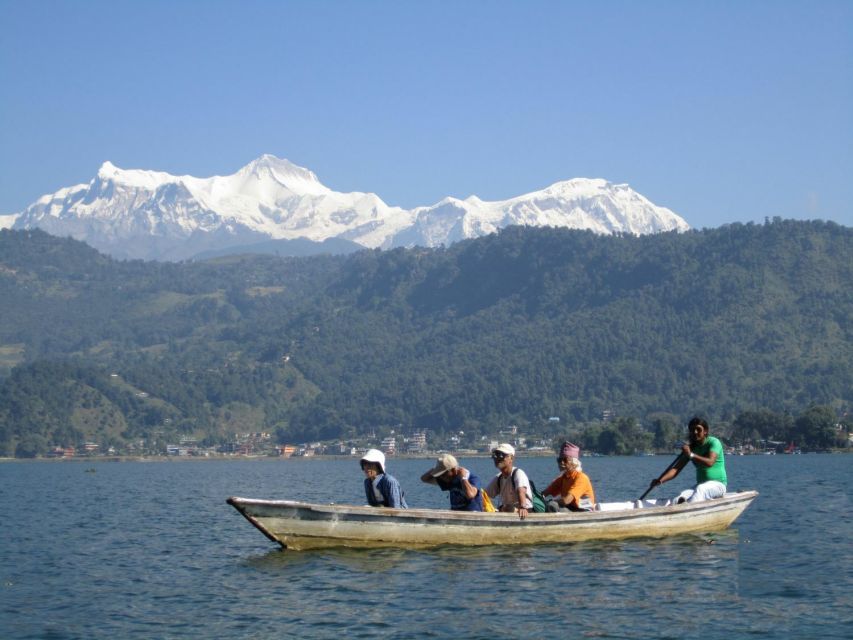
The boat trip on Phewa Lake is the most relaxed part of the day. You go out on the water to Barahi Temple, a two-story pagoda built in the middle of the lake.
The temple’s position gives the boat ride a clear purpose. You are not simply taking a scenic cruise, although the lake and surrounding hills are part of the appeal. You are crossing to an active religious site that feels distinct from the streets of Pokhara.
The lake also provides one of the best views back toward the city and hills. After the early mountain lookout and the darker cave visit, time on the water gives the day a change of pace.
There is one payment detail worth checking before you leave the hotel. Boating is listed as included, but a Japanese-speaking participant was told during the tour that money was needed and later received a refund. The guide apparently did not know the boat was covered. I would politely confirm with both the guide and operator that the boating cost is included, and keep a receipt if you pay anything on site.
A few more Pokhara trips to weigh up
- Morning Tibetan cultural tour to Tibetan settlements Pokhara
★ 5.0 · 66 reviews - Pokhara: Sarangkot Sunrise And Private Full-Day Tour
★ 4.8 · 32 reviews - Morning Half Day Tibetan cultural tour to Tibetan Settlements
★ 5.0 · 26 reviews - Pokhara: Group Joining Sarangkot Sunrise Himalayas Tour
★ 4.5 · 23 reviews
The World Peace Pagoda viewpoint
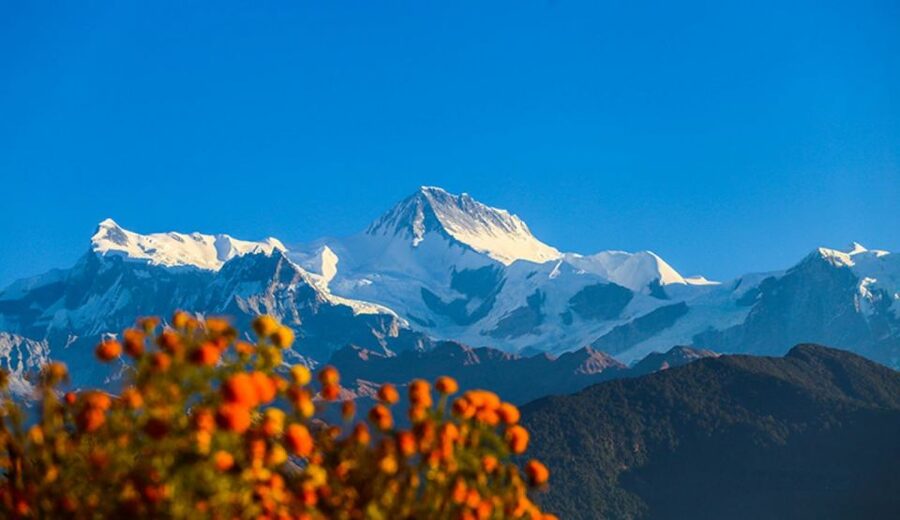
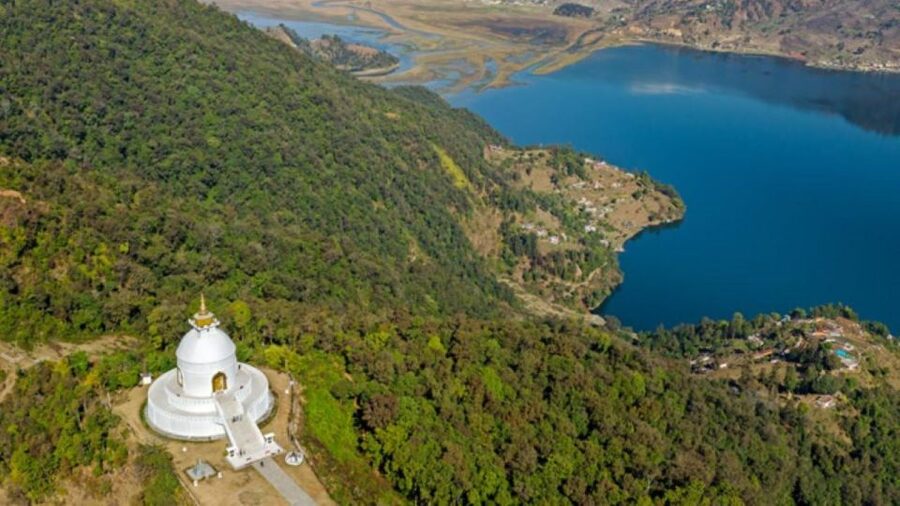
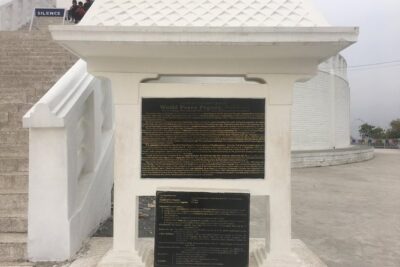
The World Peace Pagoda adds another high viewpoint to a day already built around views. From here, you can look over Phewa Lake, Pokhara, nearby hills, and the mountains.
The difference from Sarangkot is the setting. Sarangkot is the sunrise lookout, while the Peace Pagoda is part of the city circuit and gives you a later view after you have seen several cultural and natural sights.
You should expect some walking at the stops, and the itinerary includes guided walks and sightseeing. The tour does not describe every path in detail, so ask your guide about the walking conditions if you have concerns. The overall day combines driving with short visits rather than one long trek.
After the pagoda, the route returns toward the lakeside area. The evening atmosphere around the lake is described as calm, making this a pleasant way to finish the sightseeing before hotel drop-off.
Bindhya Basini Temple and the Mountain Museum
Bindhya Basini Temple is described as the most sacred temple in Pokhara. Its inclusion adds a local religious center to a route that might otherwise lean heavily on views and photo stops.
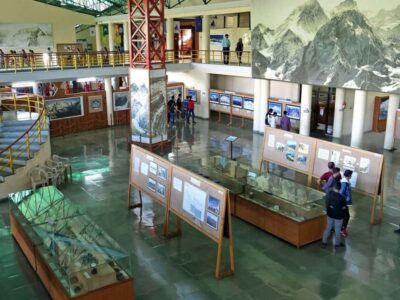
You will also visit the International Mountain Museum, which covers the past and present development of mountaineering around the world. This is a useful stop for anyone interested in the climbing culture connected with the Himalayas, but it also broadens the tour beyond Nepal alone.
I like this pairing because the temple and museum show two different sides of Pokhara. One is a living place of worship tied to the city. The other explains mountaineering as an international activity and gives context to the mountains you have been viewing all day.
The schedule is full, so do not expect long, quiet visits at every location. If you have one stop you care about most, tell your guide early. The Japanese-speaking guide Raju Sharma was praised for working hard to guide for a long day in Japanese, and the tour offers live guiding in English, Japanese, French, Dutch, German, and Chinese. Audio guides are also listed in English, Japanese, French, German, and Chinese.
What the $85 price really covers
At $85 per person, this is not the cheapest way to see Pokhara, but it covers a lot of transport and coordination. You get hotel pickup and drop-off in Pokhara, the Sarangkot sunrise, a guided city tour, a private vehicle, boating on Phewa Lake, and the main sightseeing route.
The value is strongest if you want one organized day. Arranging Sarangkot transport, a lake boat, the Peace Pagoda, the cave, the falls, the museum, and the temples separately would take time and several negotiations. The guide also helps connect the stops rather than leaving you to find each place on your own.
The value is weaker if you already have a vehicle, prefer slow independent visits, or want to spend most of the day at one viewpoint. This tour covers many places, so you trade depth for range.
Food and drinks are not included. Accommodation is not included either, though hotel pickup and drop-off in Pokhara are part of the service. Entrance fees are extra, and the boat payment should be confirmed before departure because of the confusion that occurred on one outing.
The price may also vary in practical value depending on your group size. With a couple or small party sharing the private vehicle, the convenience can make sense. With a larger group, the per-person cost feels easier to justify. The stated group limit is 15 participants.
Timing, weather, and what to bring
The tour lasts between five and eight hours, depending on the starting time and how the day is arranged. The early departure is fixed by sunrise, but the complete schedule may not be fully clear at the time of booking.
I would ask three questions before the morning begins:
- What exact time will the driver collect you?
- Will you return to the hotel for breakfast after Sarangkot?
- Which stops will receive the most time?
A Japanese-speaking participant specifically wanted this information earlier, especially the breakfast break and the order of city sights. Getting those details in advance will help you judge how much time you have at each stop.
Weather is central to Sarangkot. The strongest experience comes on a clear morning, when the sunrise and mountain views work together. If the sky is cloudy, you still have the lake, temples, cave, museum, and waterfalls, but the main scenic payoff may be limited.
Wear shoes suitable for walking and bring an extra layer for the early viewpoint. The tour includes walks and hiking at Sarangkot, but no special equipment is listed. Carry money for food, drinks, and entrance fees, and confirm the boat arrangement before boarding.
Who should book this Pokhara tour?
I would recommend it to you if this is your first stay in Pokhara and you want to cover the city’s main sights in one day. It also suits anyone who values hotel pickup, a driver, and a guide who can explain religious sites and mountain culture along the way.
It works well for photographers and first-time visitors who want both sunrise and lake views. The optional paragliding session makes it more appealing if you want an active morning rather than only sightseeing from the ground.
It may not suit you if you dislike early starts, need a tightly fixed schedule, or want a quiet day with long meals and extended time at one temple. The route is broad and efficient, but it is not slow.
The language choice is another reason to consider it. Live guides are available in six languages, and audio support is listed in five. If you need a Japanese guide, Raju Sharma is a name associated with this experience, though you should confirm the guide assignment before booking.
Should you book the Sarangkot and Pokhara city tour?
Book this tour if you want the practical combination of Sarangkot sunrise and a full Pokhara circuit without arranging several rides yourself. The best parts are the mountain-and-lake views, the boat to Barahi Temple, and the convenience of having a driver for a route that would otherwise take careful planning.
Before paying, confirm the exact pickup time, the breakfast break, the city-tour order, and that boating is covered as promised. If the weather forecast looks poor and sunrise is your main reason for going, consider the risk that the biggest view of the day may not appear.
For $85, I see this as a good fit for a first-time Pokhara visit, especially when convenience matters more than a slow pace. It gives you a lot in one day, with just enough flexibility to make the route feel personal.
FAQ
How long does the Pokhara city tour and Sarangkot sunrise experience last?
The tour lasts between five and eight hours. The Sarangkot section is planned for about two hours, and the Pokhara Valley sightseeing section for about five hours.
Is hotel pickup and drop-off included?
Yes. Pickup and drop-off are included for hotels in Pokhara. The guide meets you in the hotel lobby with a sign showing your name.
Is paragliding included in the tour?
A 30-minute paragliding session is included only if you select that option when booking. The standard experience includes the Sarangkot sunrise from firm ground.
Is boating on Phewa Lake included?
Boating at Phewa Lake is listed as included. Because there was confusion about payment during one tour, confirm this with your guide and the provider before boarding.
Are food, drinks, entrance fees, and accommodation included?
No. Food, drinks, accommodation in Pokhara, and entrance fees are not included in the tour price.
Which languages are available for the guide?
Live guides are available in English, Japanese, French, Dutch, German, and Chinese. Audio guides are listed in English, Japanese, French, German, and Chinese.
Just added around Pokhara
- Seti George and Thrilling Suspension Bridge Tour at Pokhara★ 4.5 · 3 reviews
- Tandem Paragliding in Pokhara★ 4.8 · 8 reviews
- Pokhara: Sunrise Tour to Sarangkot★ 5.0 · 3 reviews
- Pokhara: Suspension Bridge Private Tour- 30 Min Village Walk★ 4.8 · 9 reviews
- Pokhara: Visit Best Seven Tourist Destination by Sharing Bus★ 3.4 · 10 reviews
- Pokhara Sightseeing By Bus: Day Trip★ 4.6 · 7 reviews
- Pokhara Sightseeing By Bus – Day Trip★ 3.2 · 8 reviews
- Pokhara: Sarangkot Sunrise & Panoramic Annapurna View Tour★ 4.8 · 10 reviews
Sarangkot Sunrise Tours, compared.
Sarangkot Sunrise with Half or Full-Day City Tour
Read our review →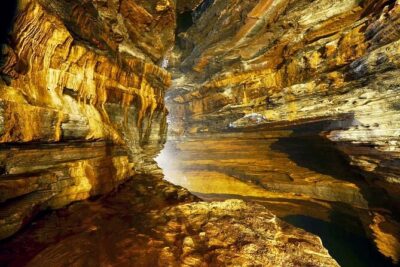
The Best of Pokhara: Full-Day Private Tour with Sarangkot Sunrise
Read our review →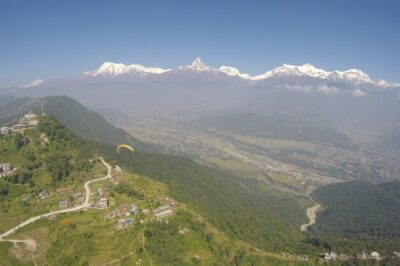
Sarangkot Village Coffee Culture and Authentic Local Life Tour
Read our review →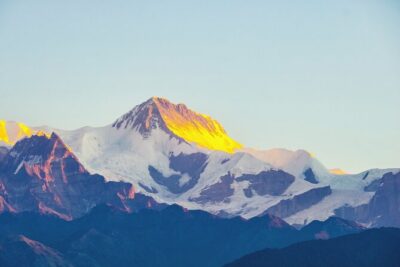
Day Hiking from Sarangkot to World Peace Stupa from Lakeside
Read our review →Browse the lists this tour appears in