Reviewed · TOURS
Kathmandu: Kailash Mansarovar Yatra Tour 2025
Mount Kailash and Lake Mansarovar form the heart of this journey, but the real test is getting there. You move from Kathmandu’s temples to rough border roads, then across the high Tibetan plateau before walking the three-day Kailash Kora around one of Asia’s most sacred mountains.
I like the thoughtful start: four UNESCO sites in Kathmandu, a Patan and Bhaktapur visit, and a Nagarkot hike give you time to adjust before Tibet. I also like the small group limit of 10 and the included permits, transport, entrance fees, and nine Tibetan breakfasts.
The main caution is altitude and uncertainty. The Droma La Pass trek is hard, rooms at Mansarovar and Zutulpuk are basic, roads can close after landslides, and extra nights or transport caused by weather or political problems are your responsibility.
Key points to know before booking
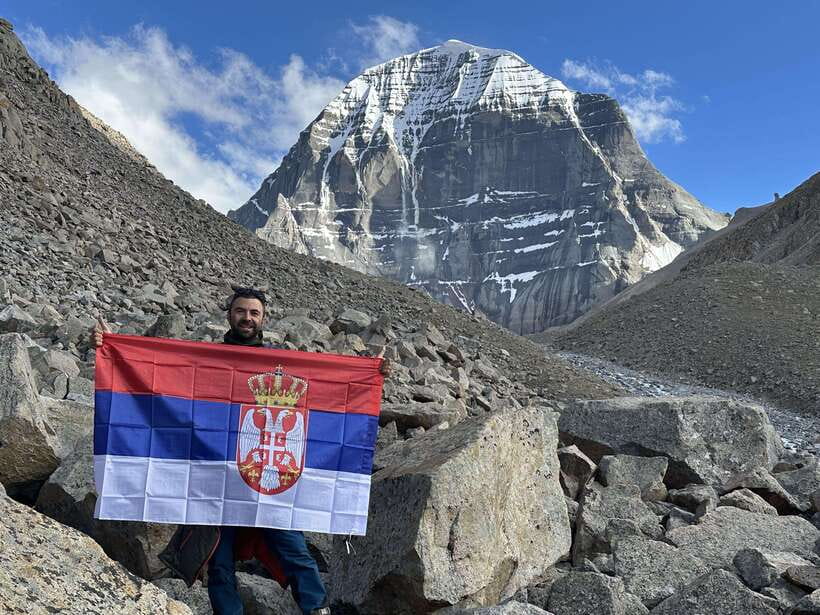
- The Kailash Kora is the physical center of the trip: You trek from Darchen to Derapuk, cross Droma La Pass, continue to Zutulpuk, then complete the circuit.
- Kathmandu is part of the experience, not just a gateway: You visit four UNESCO World Heritage Sites, plus Patan, Bhaktapur, and Nagarkot.
- The highest-risk costs are extra costs: A porter costs USD 350 for three days, while a pony costs USD 600. Neither is included.
- Accommodation changes sharply after Nepal: You get six nights in Tibetan three-star hotels, but three nights are in shared guest houses at Mansarovar, Darchen, and Zutulpuk.
- The small group matters: A maximum of 10 people should make guide contact easier during border crossings, long drives, and the high pass.
- Build flexibility into your return: A landslide can strand you in Kerung, so an extra day in Kathmandu at the end is a wise idea.
Why this pilgrimage feels different from a standard Tibet tour
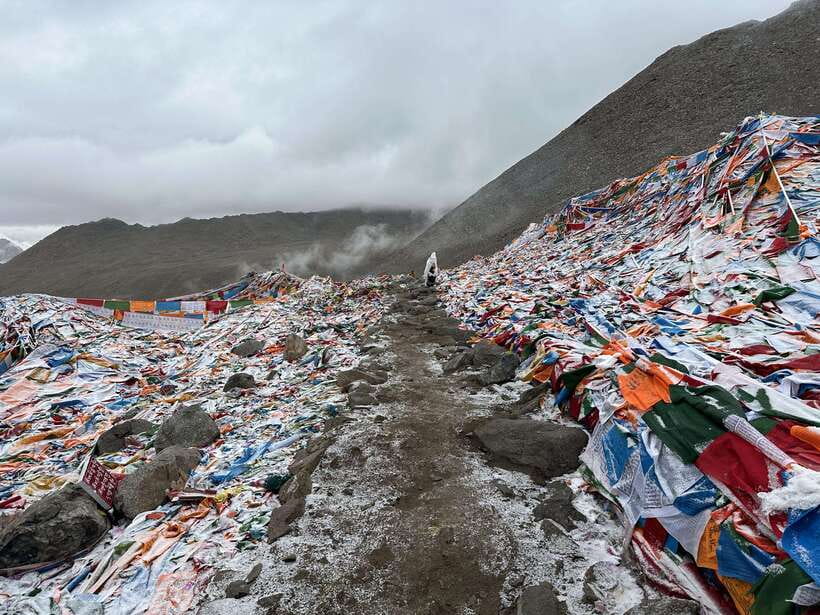
This is not a sightseeing loop with a sacred mountain added at the end. For Hindus, Buddhists, Jains, and Bon followers, Mount Kailash carries major religious meaning, and Lake Mansarovar is linked with purity and spiritual renewal.
You do not climb Mount Kailash. Instead, you walk around it, following the Kora, or circumambulation. The act is the point. The route asks you to move slowly, handle thin air and rough ground, and give attention to the mountain, monasteries, lakes, and prayer sites around you.
The journey also crosses a sharp cultural boundary. Kathmandu offers Hindu and Buddhist temples, Newari architecture, courtyards, and carved woodwork. Within a short distance of the Nepal border, the setting changes to Tibetan towns, monasteries, broad plateau views, and a much more controlled travel environment.
That contrast is one of the strongest parts of the trip. It also means you should not expect the same level of convenience on both sides of the border.
Other Kathmandu days worth booking alongside this:
- Everest Base Camp Trek – 14 Days
★ 5.0 · 1,499 reviews - Private Kathmandu Sightseeing Tour | UNESCO World Heritage sites
★ 5.0 · 756 reviews - Everest Base Camp Helicopter Tour landing at Everest View Hotel
★ 5.0 · 668 reviews
Days 1 to 4: Kathmandu temples and a useful acclimatization start
Your first day is simple. You land at Tribhuvan International Airport and receive a private transfer to your hotel. The useful part is having time to rest in Kathmandu rather than racing straight toward the border.
On Day 2, you submit your passport for visa processing and visit four UNESCO World Heritage Sites: Kathmandu Durbar Square, Swayambhunath, Boudhanath Stupa, and Pashupatinath Temple.
This is a full cultural introduction. Kathmandu Durbar Square gives you carved palace architecture and historic public spaces. Swayambhunath, often called the Monkey Temple, brings Buddhist imagery and city views. Boudhanath is one of the city’s major Buddhist centers, while Pashupatinath is especially important for Hindu pilgrims.
The passport handover is worth understanding. Your original passport is needed for the Tibet Travel Permit and Chinese Group Visa, and one past participant received it back after four days with photocopies of the documents. Keep copies of your passport and travel papers with you during this stage.
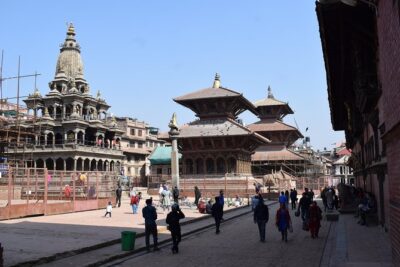
Day 3 moves to Patan and Bhaktapur. Their Durbar Squares are a strong match for anyone interested in Newari craftsmanship, brick buildings, carved windows, temples, and traditional urban design. This day is less about ticking off monuments and more about seeing how Kathmandu Valley’s architecture differs from what you will encounter in Tibet.
Day 4 includes a hike from Bhaktapur to Nagarkot. The route gives you an active day before the major trek and time to prepare for the Kora. You can also use Kathmandu shopping time for practical supplies such as snacks, sunscreen, warm layers, and water.
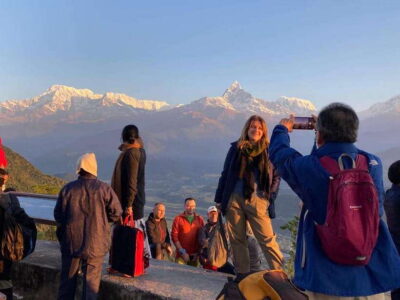
The itinerary describes Himalayan views from Nagarkot, though mountain visibility depends on weather. Do not treat this as a guaranteed panorama. The hike itself is valuable because it gets you walking before the altitude rises.
Days 5 to 7: Rough roads and the crossing into Tibet
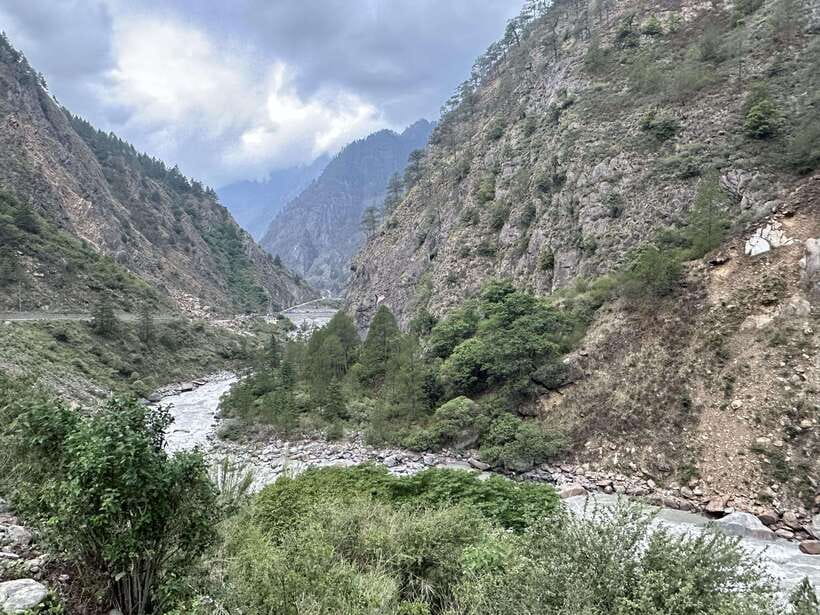
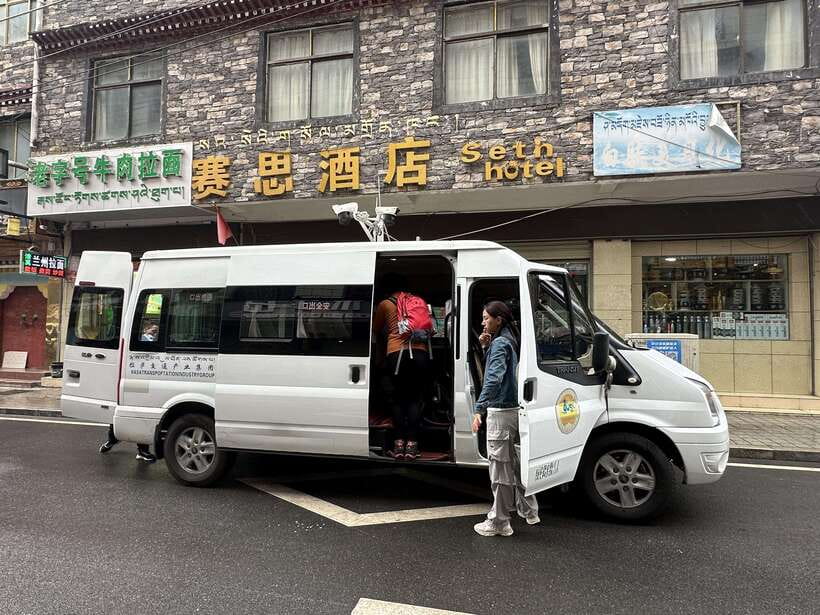
Day 5 is a private jeep drive from Kathmandu to Rasuwagadhi, near the Nepal-Tibet border. The Langtang region provides scenic mountain country, but the road can be rough, winding, and tiring.
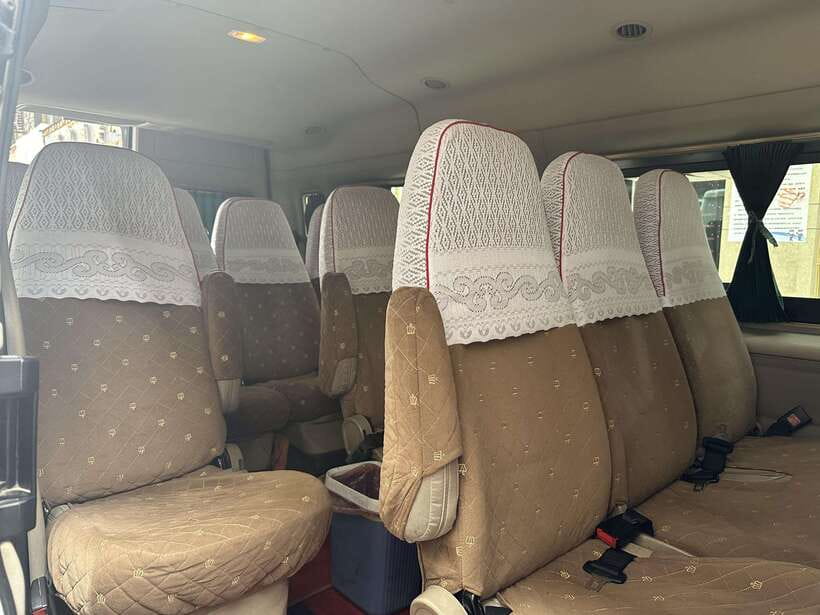
This is one of those days when the private vehicle earns its place in the price. You are not tied to a large coach, and the group can travel together in a vehicle arranged for the route. Still, private does not mean smooth. Road conditions are part of the adventure.
You can pay extra for a helicopter transfer from Kathmandu to Rasuwagadhi if available. The listed prices are USD 1,600 for a private helicopter or USD 320 per person for a shared helicopter. These are major add-ons, so most people will likely prefer the included jeep unless road conditions or time make the upgrade worthwhile.
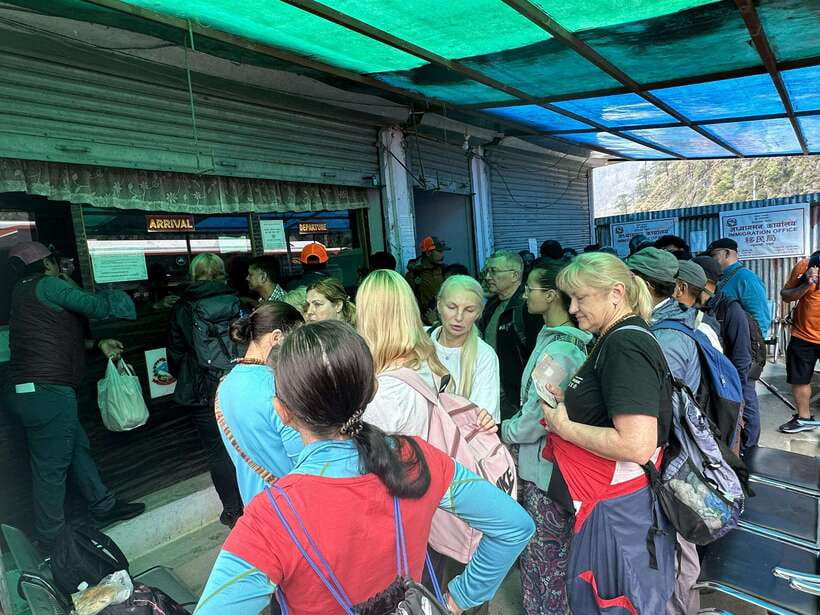
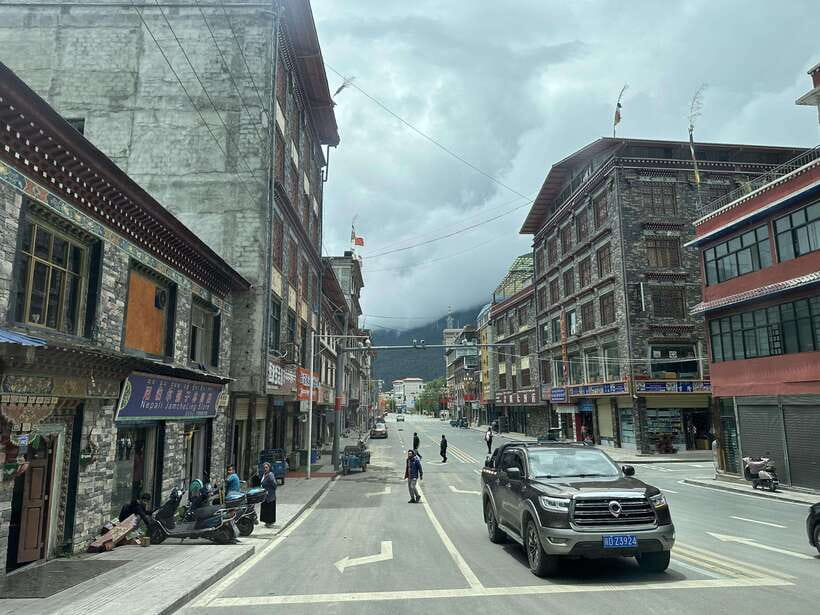
On Day 6, you cross into Tibet and continue to Kerung. The town provides an acclimatization stop, which is important before you travel higher. You also visit local temples and begin adjusting to the different pace and setting.
The border process requires patience. Your guide handles the permitted route and travel arrangements, but you should keep your passport requirements in mind and follow instructions closely. Travel in Tibet is regulated, and the trip includes a Tibet Travel Permit and an English-speaking Tibetan guide.
Day 7 takes you to Saga. The drive opens into broad Tibetan plateau scenery, with views toward the Brahmaputra River. This is a long transit day, but it gives you a gradual move toward the altitude of Lake Mansarovar and Mount Kailash.
The included acclimatization days are a real benefit. You are not dropped at the trailhead after a single lowland night. Even so, a gradual itinerary cannot remove altitude risk. You need good fitness, patience, and the willingness to slow down.
Days 8 and 9: Lake Mansarovar and Mount Kailash’s base
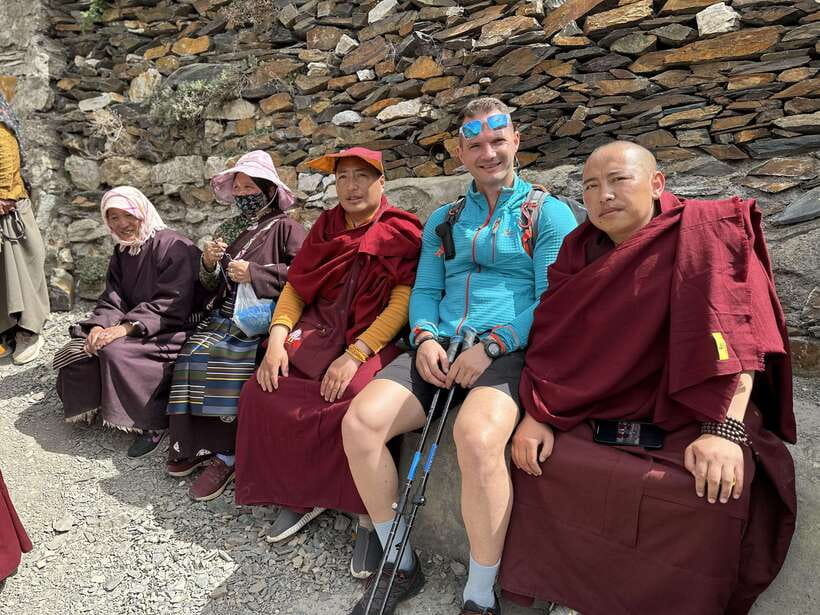
On Day 8, you reach Lake Mansarovar. This is likely to be the emotional high point before the Kora begins. The lake’s clear water, surrounding Himalayan views, and quiet setting create a very different experience from Kathmandu’s temple districts and traffic.
The tour allows time for spiritual rituals by the lake. Some people in the group have taken a purifying bath there, while others focus on prayer, reflection, or simply sitting near the water. Follow local customs and your guide’s instructions. This is a sacred place, not a casual swimming stop.
You should also expect basic facilities. Mansarovar accommodation is one of the three shared guest house nights, and meals during the Kailash portion are not included. Bring snacks and carry cash, since ATMs may not be available.
Day 9 is a short drive to Darchen, the base for the Mount Kailash Kora. This is your preparation day. Use it to check your warm clothing, shoes, water, sunscreen, and snacks. You also need to decide if you will hire help for the trek.
A porter costs USD 350 for three days and carries up to 12 kilograms, including food and accommodation. A pony costs USD 600 for three days if you need riding support. These fees are not included in the USD 4,013 tour price.
Hiring a porter is not a luxury if your pack is heavy or you are uncertain about the altitude. The Kora is hard enough without carrying unnecessary weight. Pony availability and use should be discussed with the local team before the trek.
Same mountains, a completely different kind of day:
- Half day cooking class in Thamel kathmandu
★ 5.0 · 607 reviews - Everest Base Camp Trekking
★ 5.0 · 485 reviews - Nagarkot Sunrise View and Day Hiking from Kathmandu
★ 5.0 · 471 reviews - Kathmandu: Full Day 7 UNESCO Tour with Lunch – Private/Group
★ 5.0 · 415 reviews
Days 10 to 12: The three-day Kora around Kailash
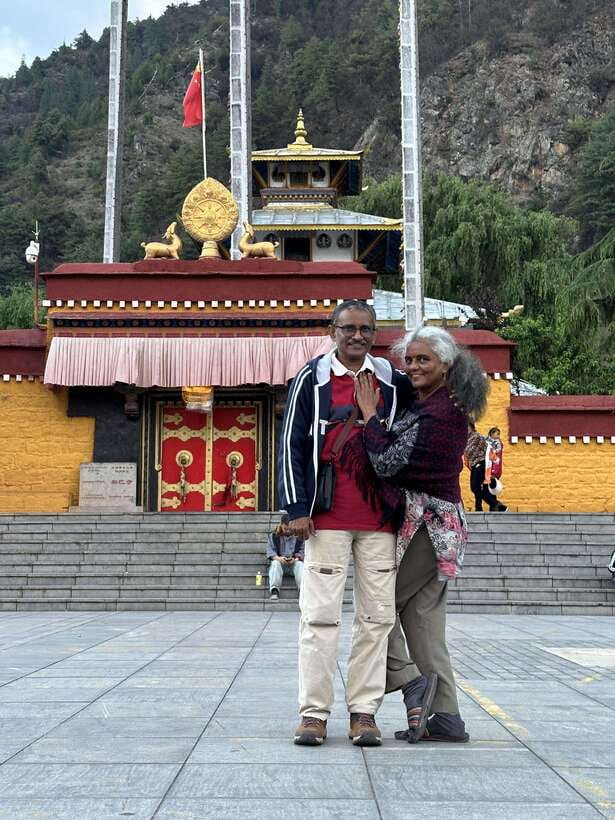
Day 10 begins the Kora, with a trek to Derapuk. The major reward is the view of Mount Kailash’s north face. This is the point where the trip changes from a road journey into a pilgrimage on foot.
The first trekking day is described as manageable by people who completed it, but you should not confuse that with easy. The combination of high altitude, cold, uneven ground, and a full walking day can make a short distance feel long. Keep a steady pace and do not chase the fastest person in the group.
Day 11 is the toughest stage. You cross Droma La Pass, the highest point of the trek, then continue toward Zutulpuk Monastery. The pass carries strong spiritual meaning, and many people treat the crossing as the defining moment of the Yatra.
It is also the place where fitness matters most. Conditions can shift quickly, and the weather may turn cold or unpleasant with little warning. Warm clothing, a hat, water, snacks, and sturdy comfortable shoes are essential. The guide’s advice is not optional here.
The night at Zutulpuk is basic. Shared guest house accommodation and poor toilet facilities can be a shock after Kathmandu. Bring realistic expectations. You are choosing access to an extraordinarily remote pilgrimage route, not a hotel-based hiking holiday.
Day 12 completes the Kora back toward Darchen, followed by a drive to Saga. This makes for a demanding day, but the return drive gives you time to absorb what you have completed. The route also includes Zutulpuk Monastery, adding a cultural and religious stop to the hardest physical section.
Charan Sparsh is another sacred point associated with this pilgrimage, and some itineraries include the chance to visit it. Ask your guide exactly how the visit fits the current conditions and permits. High-altitude routes can change, and not every planned stop is guaranteed on every departure.
Days 13 to 15: Returning through Kerung to Kathmandu
Day 13 retraces the route toward Kerung. You will see more of the Tibetan plateau, but after the Kora this is mainly a return and recovery day.
The border area deserves extra time in your planning. A landslide once caused a one-day delay in Kerung, with the added accommodation and other costs paid by the participants. The operator’s terms also place responsibility for extra costs caused by natural or political events on you.
For that reason, do not schedule an important international flight immediately after the planned return. Day 14 brings you back across the border and by road to Kathmandu, but delays can happen before you reach Nepal.
The listed airport transfer service covers your arrival and departure transfers by private vehicle. Day 15 is your departure from Kathmandu. If your flight schedule allows, I would add a spare night in the city after the Tibet section. It gives you a buffer against border delays and a calmer final evening.
What the USD 4,013 price really covers
At USD 4,013 per person, this is a costly trip, but the price includes several items that are difficult to arrange independently. You receive airport transfers, Kathmandu hotels and breakfast, private sightseeing transport, entrance fees, the Tibet Travel Permit, Tibetan transportation, an English-speaking Tibetan guide, six Tibetan hotel nights, three shared guest house nights, and nine Tibetan breakfasts.
The small group limit of 10 also adds practical value. Border crossings, vehicle changes, and high-altitude decisions are easier to manage when you are not part of a huge group.
The price does not cover international airfare, travel insurance, Nepal visa fees, Kathmandu meals, Tibetan lunch and dinner, porter or pony hire, or unexpected delays. American, Canadian, and British passport holders must also budget USD 250 for the Chinese Visa.
The biggest mistake is to treat USD 4,013 as the final cost. Add insurance, meals, cash for personal spending, possible porter or pony support, and a contingency fund for extra nights. The value is strongest if you want a managed pilgrimage with permits, transport, and guides arranged for you.
Rooms, meals, and the reality of remote travel
Kathmandu accommodation is in a three-star hotel with breakfast. The six included hotel nights in Tibet offer more comfort, but the three shared guest house nights at Mansarovar, Darchen, and Zutulpuk are basic by design.
Zutulpuk is the weakest accommodation point. Toilet facilities may be poor, and comfort is limited. If you need a better rest before or after the hardest trek sections, ask about staying in Darchen for an additional fee, where an upgrade may be available.
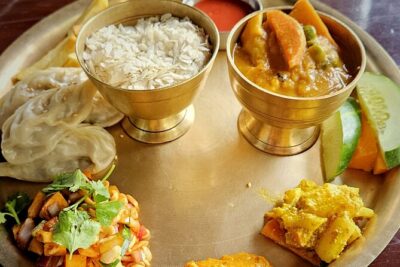
Breakfast is included for nine mornings in Tibet. Lunch and dinner during the Kailash tour are not included, so carry snacks and be prepared for simple food choices. Kathmandu food and drinks are also your responsibility.
This arrangement gives you control over some spending, but it requires planning. Cash is important because ATMs may not be available, and remote stops do not offer Kathmandu-level choice.
Guide support, rules, and safety
The tour uses an English-speaking guide in Kathmandu and an English-speaking Tibetan guide in Tibet. A Peregrine representative named Mr. CarKey provided pre-trip help and support during one departure, while the passport and permit process was handled by a Peregrine representative in Kathmandu.
That kind of support matters because the trip has several moving parts: passport collection, visa processing, border formalities, vehicle transfers, permits, hotel changes, and a high-altitude trek. You should still ask questions before departure, especially about current road conditions, the Kora route, and porter or pony arrangements.
Tibet also has strict political rules. Do not carry photos, books, CDs, DVDs, or digital material connected with the Dalai Lama or other Tibetan leaders. You are also forbidden to share or post related content on Facebook, Twitter, YouTube, or other social media platforms.
Respect local customs at temples, monasteries, and Lake Mansarovar. Alcohol and drugs are not allowed, and littering is prohibited. Travel insurance is essential, especially because extra costs from natural or political disruptions are not covered.
The trip is not suitable for children under 10, pregnant women, people with back or heart problems, or wheelchair users. Good fitness is required for the high-altitude trek.
Who should book the Kailash Mansarovar Yatra
I would recommend this tour to you if the pilgrimage itself is the main reason you are going. You need to accept rough roads, basic rooms, uncertain weather, and a hard pass crossing in exchange for time at Lake Mansarovar and a complete Kora around Mount Kailash.
It is also a good fit if you want Nepal included rather than treating Kathmandu as a one-night stop. The temples, Durbar Squares, and Nagarkot hike make the first four days feel like a real part of the trip.
I would hesitate if you want predictable comfort, generous free time, or a polished hotel experience. The high price does not buy luxury, and the included meals are limited once you enter Tibet.
Should you book it?
Book this Kailash Mansarovar Yatra if you want a structured pilgrimage and prefer experienced local support for permits, border travel, transport, and guiding. The strongest features are the complete spiritual route, the small group size, the Kathmandu cultural program, and the gradual approach to the Kora.
Before paying, budget for the Chinese Visa if it applies, insurance, all lunches and dinners, cash, and possible porter or pony hire. Add at least one spare night in Kathmandu after the return. If you can handle that preparation and the basic conditions, this is a serious, well-organized way to reach Lake Mansarovar and complete the Kailash Kora.
FAQ
How long is the Kailash Mansarovar Yatra?
The tour lasts 15 days, beginning and ending in Kathmandu.
What is included in the USD 4,013 price?
The price includes Kathmandu airport transfers, Kathmandu accommodation with breakfast, Kathmandu sightseeing transport and entrance fees, the Nagarkot hike with transport and guide, private jeep transport to Rasuwagadhi and back, transportation in Tibet, nine Tibetan nights, nine Tibetan breakfasts, an English-speaking Tibetan guide, entrance fees, the Tibet Travel Permit, and applicable government taxes.
Is the Kailash Kora included?
Yes. The itinerary includes the three-day Kora, with treks to Derapuk, across Droma La Pass to Zutulpuk, and back toward Darchen.
Are meals included during the Tibet portion?
Breakfast is included for nine mornings in Tibet. Lunch and dinner during the Kailash tour are not included.
Can I hire a porter or pony?
Yes. A porter costs USD 350 for three days and carries up to 12 kilograms, including food and accommodation. A pony costs USD 600 for three days if needed. These services are additional.
What accommodation is provided in Tibet?
You receive six nights in three-star hotels and three nights in shared guest houses at Mansarovar, Darchen, and Zutulpuk.
What should I bring?
Bring your passport, comfortable shoes, warm clothing, a hat, camera, snacks, sunscreen, and water. You should also carry cash for personal costs because ATMs may not be available.
Just added around Kathmandu
- Private Half-Day Tour of Boudhanath and Pashupatinath Temples in Kathmandu★ 4.5 · 9 reviews
- Private Half-Day Tour of Kathmandu Durbar Square and Swayambhunath Temple★ 4.5 · 11 reviews
- Namobuddha Monastery Hiking Day Tour via Panauti from Kathmandu★ 5.0 · 15 reviews
- Private Full-Day Kathmandu City Tour★ 5.0 · 9 reviews
- Private Day Tour in Kathmandu Valley Rim with Bhaktapur Sightseeing★ 5.0 · 3 reviews
- Private Half Day Budhanilkantha Tour★ 5.0 · 6 reviews
- Private Day Tour: Patan and Bhaktapur from Kathmandu★ 4.5 · 6 reviews
- Private Day Tour – Sacred Journey to Namo Buddha★ 5.0 · 5 reviews
Tours, compared.
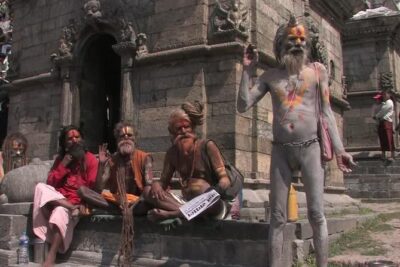
Private Kathmandu Sightseeing Tour | UNESCO World Heritage sites
Read our review →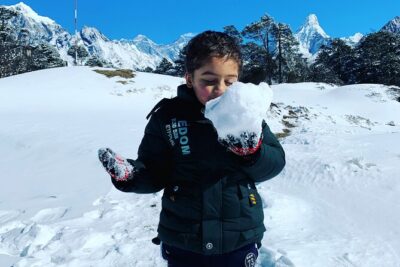
Everest Base Camp Helicopter Tour landing at Everest View Hotel
Read our review →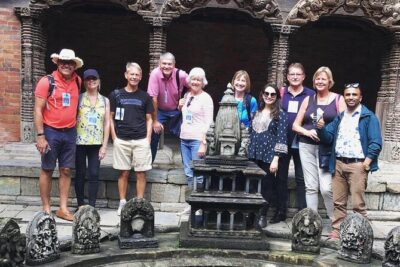
Full Day 7 UNESCO Tour with Lunch – Private/Group
Read our review →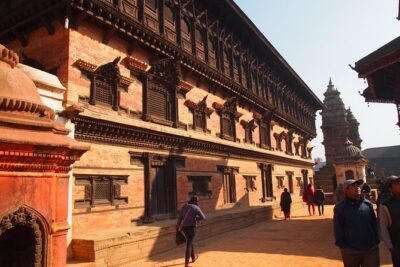
Private Bhaktapur and Nagarkot Day Tour From Kathmandu
Read our review →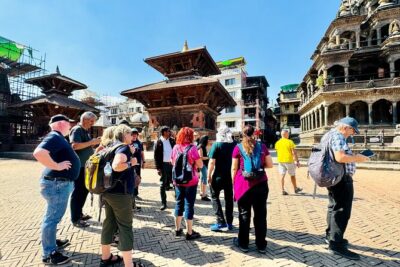
Full Day Top 4 UNESCO Tour with Lunch – Private/Group
Read our review →