
Reviewed · HISTORICAL TOURS
Kathmandu Heritage Walk | Heritage Walk of Kathmandu
Kathmandu’s most revealing sights are often found between the famous monuments. This private 3.5-hour walk takes you from Thamel’s tourist streets into Tahiti, Indrachowk, Bhotahiti, and several working temples, giving you a useful look at the city’s daily religious and commercial life. I like the peaceful stop at Shanti Bihar Stupa and the chance to see the Gold Souq, two very different sides of Kathmandu.
I also like the flexibility of a private group and the steady pacing offered by guides such as Madan and Martin. The main consideration is that this is a walking tour through busy urban streets, and UNESCO World Heritage sites are deliberately left out. The listed restrictions also exclude wheelchair users, pregnant women, babies under one, and people over 70.
Key points to know
- A private route through everyday Kathmandu: You walk with your own group rather than joining a large party.
- The tour avoids UNESCO sites: This is a useful choice if you want familiar city neighborhoods, shrines, shops, and markets instead of the major monuments.
- Madan and Martin are named guides: Madan is praised for his professional manner and kind approach, while Martin is noted for adjusting the pace for older participants.
- Shanti Bihar Stupa offers a quiet pause: The stupa provides a calmer break after the noise of Thamel and the central markets.
- The $40 price includes practical basics: A government-certified English-speaking guide, 1,000 milliliters of mineral water, and the service charge are included.
- You need comfortable walking gear: Bring comfortable shoes, an umbrella, a camera, suitable clothing, and a passport.
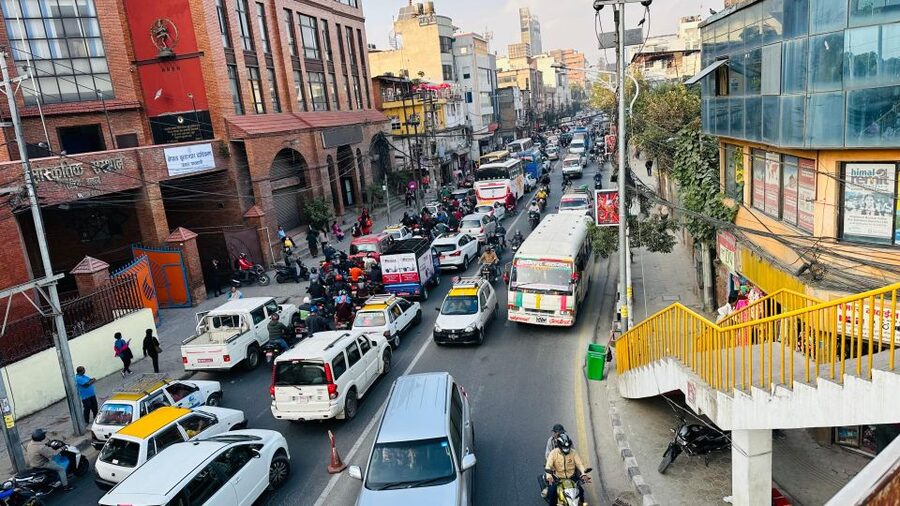
Starting in Thamel, Kathmandu’s Practical Launch Point
The walk begins at the entrance to Breakfree Adventures, in front of Everest Bank Limited in Thamel. That location is easy to find if you are staying in the district, and it keeps the start and finish simple: you return to Thamel at the end.
Thamel is Kathmandu’s main visitor center, filled with shops, restaurants, trekking stores, hotels, and narrow streets. It can feel busy and commercial, but that is also why it works well as the first stop. You get an immediate sense of how Kathmandu serves both local residents and international visitors.
I would use this opening stretch to settle into the pace of the walk. You may see outdoor gear shops beside small food outlets, travel businesses beside older buildings, and plenty of activity in the lanes. The tour does not treat Thamel as the whole story. Instead, it uses it as a starting point before moving into neighborhoods with a more local feel.
The private format matters here. You can ask your guide to explain what you are seeing, request a short pause, or adjust the pace within the limits of the route. The tour is conducted in English, and Madan and Martin are specifically associated with the experience. Madan is described as professional, kind, efficient, and pleasant to spend time with. Martin is noted for covering plenty of ground without making the walk too hard for older participants.
A few more Kathmandu trips to weigh up
- Private Kathmandu Sightseeing Tour | UNESCO World Heritage sites
★ 5.0 · 756 reviews - UNESCO Seven World Heritage Tour in Kathmandu
★ 5.0 · 253 reviews - Kathmandu Private Sightseeing Tour | UNESCO World Heritage Sites
★ 5.0 · 109 reviews
Tahiti and the Shift into Old Kathmandu
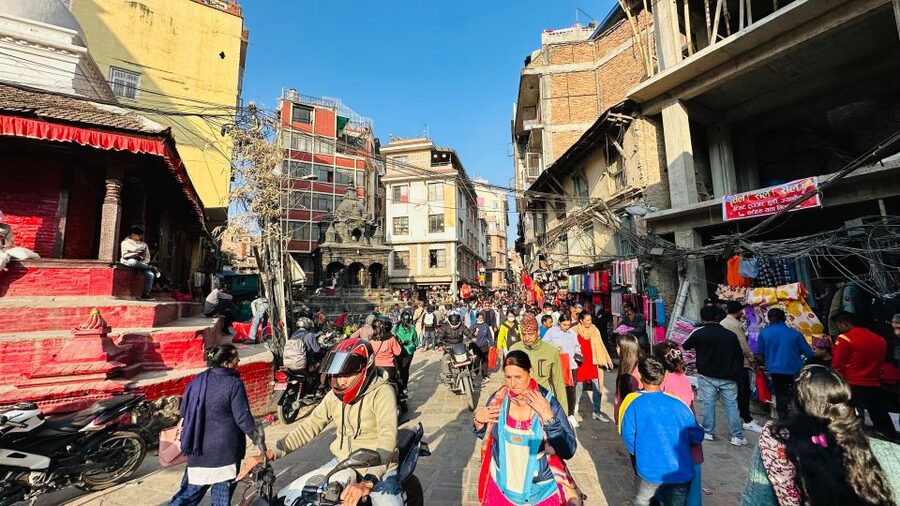
From Thamel, the route continues to Tahiti. This area gives you a change of mood without requiring transport. The walk moves from the visitor-oriented streets of Thamel toward older urban spaces where traditional architecture and present-day city life sit close together.
That contrast is one of the strongest reasons to choose this route. You are not being driven from one isolated sight to the next. You are walking through the connections between them, seeing how temples, shops, homes, streets, and small markets share the same space.
The information provided does not promise a particular building or ritual at Tahiti, so I would treat this as a neighborhood section rather than a single grand attraction. Your guide’s role is important here. Ask for help reading the setting, understanding local religious customs, and noticing details that are easy to pass when you are walking alone.
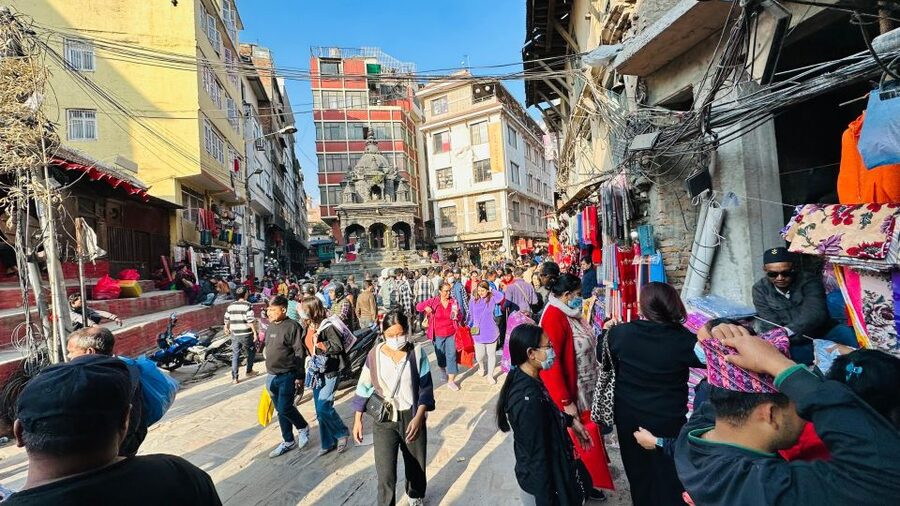
The streets can be crowded and uneven. This is not a polished pedestrian route with wide paths and frequent benches. Comfortable shoes are essential, and an umbrella is sensible because the tour operates outdoors. If you prefer a slower walk with long stops, tell the guide early, since the full route covers several districts in three and a half hours.
A Quiet Pause at Shanti Bihar Stupa
Shanti Bihar Stupa offers the tour’s clearest break from city noise. It is presented as a peaceful place amid the urban activity, and that change in sound and pace gives the stop real value.
A stupa is more than a photo subject. It is a place connected with Buddhist practice, reflection, and respect. Your guide can help you understand how the site fits into Kathmandu’s religious life, though the exact length of the stop is not specified. You should expect a short visit within the larger route rather than a long meditation session.
I like this part because it keeps the walk from becoming a simple procession of busy streets and shops. The quiet interval helps you notice the difference between Kathmandu’s commercial center and its sacred spaces. It also makes a good point for photographs, provided you act respectfully and follow any local instructions.
Bring your camera, but keep it secondary. At religious sites, your clothing and behavior matter more than getting the perfect image. Comfortable clothes are recommended, and a face mask or protective covering is included on the suggested packing list.
Akash Bhairab Temple in Indrachowk
The route then reaches Akash Bhairab Temple in Indrachowk. This is one of the tour’s most important religious stops, and it places you in a part of central Kathmandu known for its active street life and sacred buildings.
Akash Bhairab is a historic temple associated with Bhairab, a powerful form of Shiva in Hindu tradition. The supplied tour information emphasizes the devout atmosphere around the site, so you should expect a functioning place of worship rather than a quiet museum display. That distinction matters. People may be praying, making offerings, or passing through for religious reasons.
A guide is particularly useful here because temple customs are not always obvious. Martin or Madan can explain the site in English and help you understand what you are seeing without treating worship as a performance. You should ask before taking close photographs and avoid blocking entrances or active worshippers.
Indrachowk also shows why this walk is different from a standard monument tour. The temple is part of a working district. Religious buildings, commerce, and street movement occupy the same space, so the experience can feel crowded and intense. If you want only calm courtyards and carefully presented monuments, this section may feel rough around the edges. If you want to see Kathmandu as a living city, it is a strong stop.
Same mountains, a completely different kind of day:
- Everest Base Camp Trek – 14 Days
★ 5.0 · 1,499 reviews - Everest Base Camp Helicopter Tour landing at Everest View Hotel
★ 5.0 · 668 reviews - Half day cooking class in Thamel kathmandu
★ 5.0 · 607 reviews - Everest Base Camp Trekking
★ 5.0 · 485 reviews
The Gold Souq and Kathmandu’s Skilled Craft
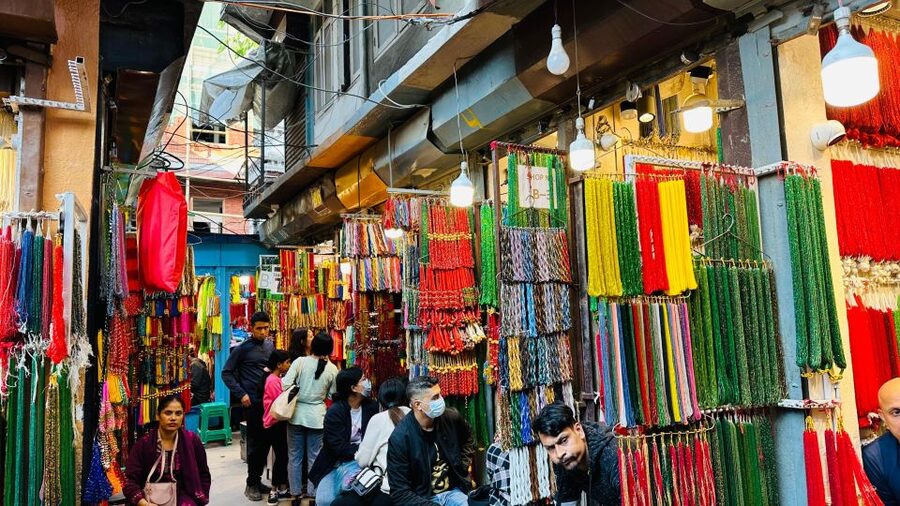
The Gold Souq adds a commercial and artistic turn to the route. Here, you can look at gold shops and the fine workmanship associated with Kathmandu’s jewelry trade.
The tour does not include purchases, and personal expenses are excluded, so approach this as a viewing stop rather than a shopping package. You may find the display windows interesting even if you have no plan to buy anything. Gold has a strong place in South Asian religious and family traditions, and the shops offer a glimpse into a trade that is both commercial and cultural.
This is also a place where your guide can add useful context. Ask about the types of work on display, how the area fits into the city’s trading life, and what you should know before considering a purchase. The experience does not promise shopping assistance, price negotiations, or a market discount, so keep your wallet and expectations in check.
I appreciate the variety. After temples and a stupa, the Gold Souq shows another part of Kathmandu’s identity: skilled making, display, trade, and the value placed on precious materials. It keeps the walk from becoming a chain of religious sites with no connection to ordinary city life.
Sankata Temple and Mahankal Bhairab
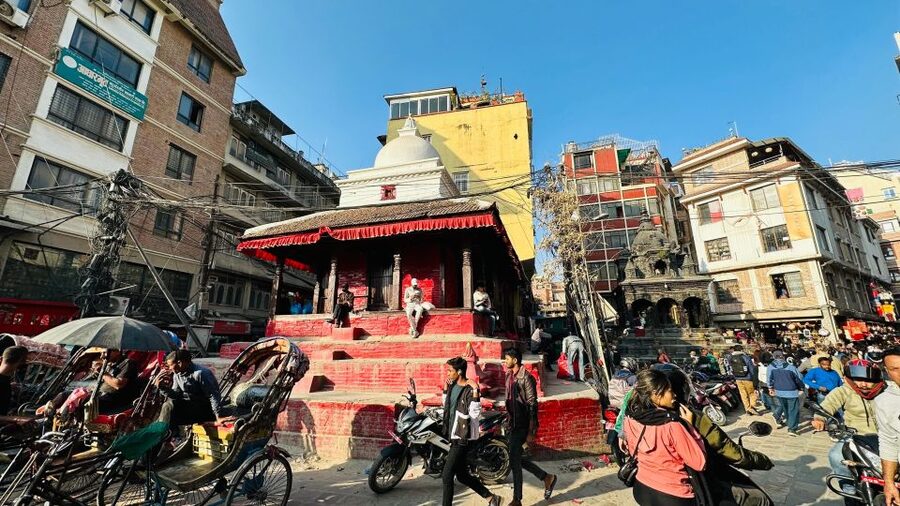
The walk continues to Sankata Temple and Mahankal Bhairab, two more places with strong religious importance. These stops reinforce the main character of the tour: it is less about headline attractions and more about the sacred places woven into central Kathmandu.
Sankata Temple is associated with protection from trouble and hardship, while Mahankal Bhairab is linked to a fierce form of Bhairab. You do not need to be an expert in Hindu or Buddhist traditions to appreciate the visit. A good guide can give you enough background to understand why people come here and how these shrines function within the city.
The details of the rituals, access rules, and time at each temple can vary, and the itinerary does not give fixed stop lengths. That flexibility is normal for a private walking tour. You can ask questions as you go, but you should also be ready for the guide to keep the group moving so the full circuit fits into three and a half hours.
These stops may be less visually grand than the famous squares outside this route. Their value is in the setting and function. You see places that are part of the city’s religious routine, not only sites presented for sightseeing.
Bhotahiti and the Local Market Finish
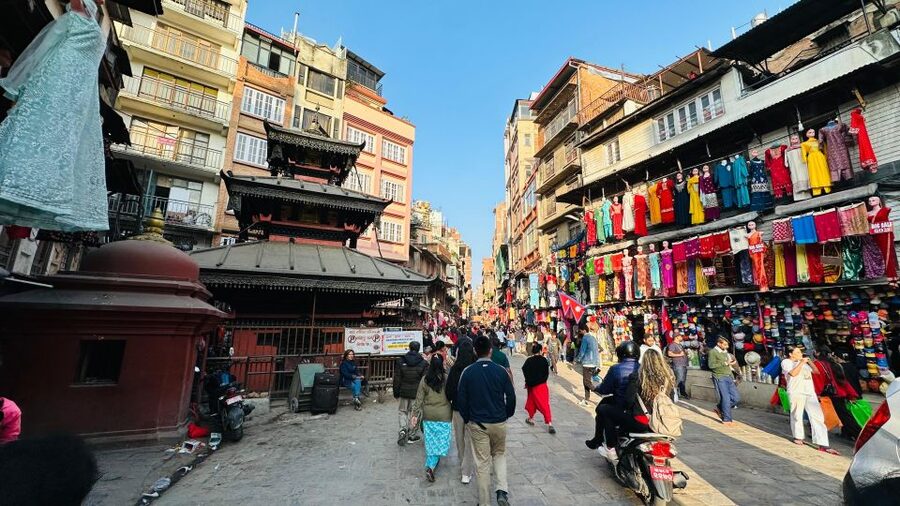
Bhotahiti brings another change of scene. The area is described as full of local character, and it helps connect the temples with Kathmandu’s everyday shopping streets.
The final market visit is a practical way to end the route. Markets show you what people buy, sell, carry, and use, often more clearly than a formal monument does. The exact market and product selection are not specified, so you should expect a general local-market experience rather than a promised food tasting or shopping list.
Meals and drinks are not included. You receive 1,000 milliliters of mineral water, but you should not count on a provided lunch, snack, tea, or coffee. If you need refreshments, budget for them as a personal expense and ask the guide where a suitable stop might fit.
The market section may be the most unpredictable part of the walk. Crowds, weather, street conditions, and trading activity can affect how it feels on the day. That is a drawback if you want a tightly controlled sightseeing route, but it is also where the tour can feel most connected to present-day Kathmandu.
Annapurna Temple’s Central-City Setting
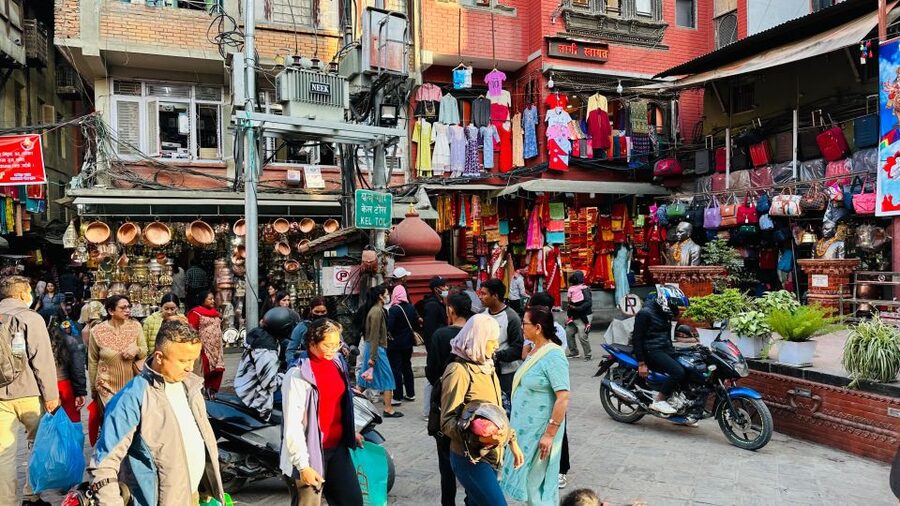
The Annapurna Temple provides one more religious and architectural stop before the return to Thamel. Annapurna is associated with nourishment and abundance, making the temple a fitting link between worship, household life, and the food markets of the city.
The tour highlights the temple’s architectural beauty, but it does not provide detailed measurements, dates, or a promised interior visit. I would therefore expect your guide to point out the visible design and explain the temple’s cultural role, while respecting any access limits in place that day.
This is another reason a certified guide is valuable. A building may look small or easy to pass, yet carry meaning that is not obvious from the street. You get more from the stop if you listen for the connections between the temple, the surrounding market activity, and local religious practice.
What the $40 Price Really Covers
At $40 per person, the tour sits in a reasonable range for a private, guide-led city walk, provided you value explanation and route planning. The price includes a government-certified English-speaking guide, 1,000 milliliters of mineral water, and the service charge.
It does not include transportation, meals, drinks, or personal spending. Since the route begins and ends in Thamel, most people using it as intended should not need transport during the walk. If transportation becomes necessary for your plans, that cost is separate.
The private group is the main value point. You are paying for a personal route through several cultural sites, not for admission to a major ticketed monument. You also get the chance to ask questions and request a suitable pace. For a first day in Kathmandu, that can be useful because you begin learning how the city’s religious and commercial areas fit together.
You should not book this expecting a luxury experience. There is no included meal, vehicle, shopping allowance, or UNESCO attraction. The value comes from the guide, the offbeat route, and the chance to cover a lot of central Kathmandu on foot.
Pace, Clothing, and Who Should Join
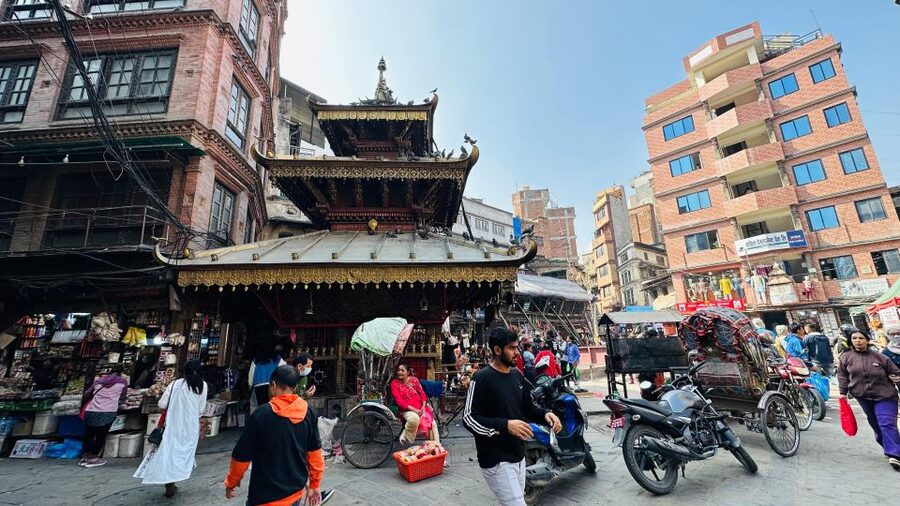
The walk lasts about three and a half hours. That is long enough to cover a good section of central Kathmandu, but short enough to fit around other plans. Start times vary, so check availability when you book.
Wear comfortable shoes and clothes suited to walking outdoors. An umbrella is recommended, and a camera is useful. Carry your passport as requested, even though the tour details do not explain when it will be checked. A face mask or protective covering is also on the suggested list.
This experience suits you best if you enjoy city walks, religious sites, markets, and cultural explanation. It is especially useful early in a Nepal trip, when a guide can help you get oriented to Kathmandu’s neighborhoods and customs.
The route is not suitable for wheelchair users, pregnant women, babies under one, people over 95, or people over 70 according to the stated restrictions. That age rule is unusually broad, especially since Martin is praised for keeping a comfortable pace for seniors, so older people should confirm eligibility before paying. Either way, this is not a fully accessible route.
Booking Flexibility and Meeting Details
You can cancel up to 24 hours before the tour for a full refund, and the reserve-now, pay-later option lets you keep your plans flexible. That is useful in Kathmandu, where weather, flight delays, and changing trekking plans can affect a city visit.
The meeting point is the Breakfree Adventures entrance in front of Everest Bank Limited in Thamel. The tour begins and ends in Thamel, which makes it convenient if your hotel is nearby. If you are coming from farther away, allow time to reach the meeting point and locate the entrance.
The group type is private, and the guide language is English. The supplied information names Madan and Martin as guides connected with the experience, but it does not guarantee which guide you will receive. Madan is described as professional, kind, efficient, and easy to spend time with. Martin is praised for clear historical and religious explanations and for setting a pace suitable for older participants.
Should You Book the Kathmandu Heritage Walk?
Book this walk if you want working temples, local streets, market life, and a personal guide rather than Kathmandu’s famous UNESCO sights. It is a good first-day choice, especially if you are staying in Thamel and want a practical introduction without arranging transport.
Skip it if your priority is Patan Durbar Square, Swayambhunath, Pashupatinath, or other major heritage landmarks. Those are not part of this route. You should also think twice if three and a half hours of uneven city walking sounds tiring or if you need wheelchair access.
For $40, the strongest case is the private format and the range of stops. You move from Thamel to Tahiti, a stupa, temples, gold shops, Bhotahiti, and a market without spending the day in a vehicle. If you value a guide who can explain what you are seeing and adjust the pace, this is a solid way to meet Kathmandu on its own terms.
FAQ
Where does the Kathmandu Heritage Walk start?
The tour starts at the entrance to Breakfree Adventures, in front of Everest Bank Limited in Thamel.
Where does the tour end?
The walk ends in Thamel, the same general area where it begins.
How long does the tour last?
The tour lasts approximately three and a half hours.
Is the tour private?
Yes. The group type is listed as a private group.
What language does the guide speak?
The live tour guide speaks English.
Are UNESCO World Heritage sites included?
No. UNESCO World Heritage sites are specifically excluded from this walk.
What is included in the price?
The $40 price includes a government-certified guide, 1,000 milliliters of mineral water, and the service charge.
Are meals and transportation included?
No. Meals, drinks, personal expenses, and transportation if needed are not included.
What should I bring?
Bring your passport, comfortable shoes, an umbrella, a camera, comfortable clothes, and a face mask or protective covering.
Can I cancel the booking?
Yes. You can cancel up to 24 hours in advance for a full refund. You can also reserve now and pay later.
Just added around Kathmandu
- Private Half-Day Tour of Boudhanath and Pashupatinath Temples in Kathmandu★ 4.5 · 9 reviews
- Private Half-Day Tour of Kathmandu Durbar Square and Swayambhunath Temple★ 4.5 · 11 reviews
- Namobuddha Monastery Hiking Day Tour via Panauti from Kathmandu★ 5.0 · 15 reviews
- Private Full-Day Kathmandu City Tour★ 5.0 · 9 reviews
- Private Day Tour in Kathmandu Valley Rim with Bhaktapur Sightseeing★ 5.0 · 3 reviews
- Private Half Day Budhanilkantha Tour★ 5.0 · 6 reviews
- Private Day Tour: Patan and Bhaktapur from Kathmandu★ 4.5 · 6 reviews
- Private Day Tour – Sacred Journey to Namo Buddha★ 5.0 · 5 reviews
Historical Tours, compared.
Private Kathmandu Sightseeing Tour | UNESCO World Heritage sites
Read our review →
Full-Day Tibetan Cultural Tour to Tibetan Settlements Pokhara
Read our review →
Kathmandu Private Sightseeing Tour | UNESCO World Heritage Sites
Read our review →
Afternoon Tibetan Cultural Tour to Tibetan Settlements Pokhara
Read our review →
Full Day Private Top 4 UNESCO Heritage Tour W/Lunch.
Read our review →
Nagarkot Sunrise & Bhaktapur UNESCO Heritage Private Tour
Read our review →Browse the lists this tour appears in