
Reviewed · SARANGKOT SUNRISE TOURS
Sarangkot Village Coffee Culture and Authentic Local Life Tour
Sarangkot’s best views are only part of the story. This six-hour outing takes you from Pokhara’s lakeside streets along Phewa Lake and up through rural villages to small Arabica coffee farms in Pandeli. You see coffee cherries, gardens, beehives, and the work that turns a crop into a cup.
I like two things here. First, the hike gives you a real sense of how village life fits around the land, instead of dropping you at a viewpoint and sending you home. Second, your money supports a community project that pays farmers 30 percent more for coffee cherries than other local collectors and creates work for village women.
The catch is the hike. The route includes about two and a half hours uphill after reaching Khapaudi, so you need moderate fitness, comfortable shoes, and a willingness to sweat. If you want a short coffee tasting with easy transport, this is not the right choice.
Key points to know before booking
- A village route, not just a viewpoint stop: Walk beside Phewa Lake, pass through rural settlements, and finish high above the water near Pandeli Park.
- Coffee from farm to cup: Learn about organic Arabica growing, harvesting, processing, and tasting from the people connected to the crop.
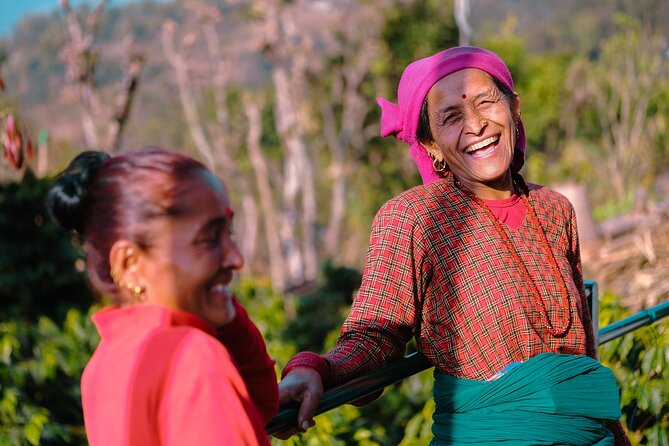
- A women-led community project: Local women prepare the food and gain paid work through community tourism.
- A serious uphill walk: The route from Khapaudi to Sarangkot takes about two and a half hours, with a moderate fitness requirement.
- Small groups matter: No more than 10 people join, which leaves room for questions and conversation.
- Good value for a half-day: At $60, the price covers guiding, private transportation, coffee and honey tasting when available, fruit, chocolate, and local food.
From SalesBerry to the edge of Phewa Lake
The day starts at 11:15 am outside SalesBerry Department Store on Chiple Dhunga Road in Pokhara. This is a practical central meeting point, but give yourself enough time to find it. The activity returns to the same place, so you do not need to arrange a separate ride home.
The first section takes about an hour and a half along the shore of Phewa Lake toward Khapaudi Village. It is a gentle way to begin. You are not thrown straight into a steep climb, and the walk lets the city thin out gradually.
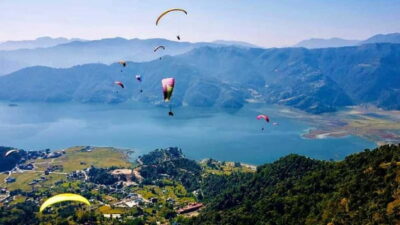
Phewa Tal is one of Nepal’s best-known lakes, but this route gives you a different look at it from the usual lakeside promenade. You walk beside the water before turning toward the hills, with the lake helping you keep your bearings.
The timing deserves a close look. The full experience is listed at roughly six hours, and the walk itself takes up a large part of the day. You will want water, sun protection, and shoes with a firm grip. Hiking gear is not supplied, and personal expenses are your responsibility.
More Sarangkot Sunrise Tours in Pokhara:
- From Pokhara: Sarangkot Sunrise Himalayas Tour
★ 4.7 · 218 reviews - Pokhara: Sarangkot Sunrise with Half or Full-Day City Tour
★ 4.8 · 100 reviews - The Best of Pokhara: Full-Day Private Tour with Sarangkot Sunrise
★ 5.0 · 66 reviews
Khapaudi Village begins the real climb
At Khapaudi, the walk changes character. The flat lakeside section gives way to an uphill route lasting about two hours and 30 minutes. This is where the tour becomes a proper village hike rather than a sightseeing transfer.
The appeal is the pace. You move through local settlements and farmland, with time to notice how homes, gardens, coffee plants, and other crops fit together. The tour is designed around meeting small farmers, so this section is part of the experience, not merely a way to reach the coffee farm.
You should be honest about your fitness before booking. The requirement is moderate physical fitness, and the total uphill stretch will feel demanding in warm weather. The tour requires good weather, too. Rain can make a rural path harder to manage, and poor conditions may lead to a new date or a refund.
There has been flexibility for a person with limited mobility, including arranging a taxi to the farm instead of using the full hike. Still, you should contact Sharing Seeds before booking if you need this kind of adjustment. It is better to confirm the plan than assume the standard route will suit you.
Pandeli Park gives you the big Phewa view
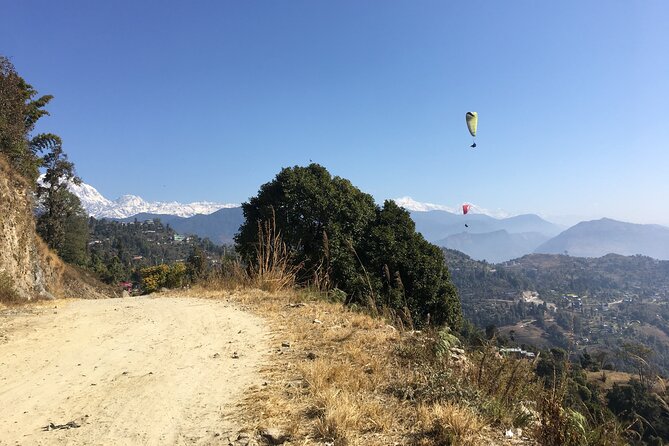
Pandeli Park, in Sarangkot, sits at about 1,200 meters and provides a broad view over Phewa Lake. After the climb, this is a natural place to stop, rest, and take in the change in altitude and scenery.
The park also lies on an old route toward the Annapurna region. That detail gives the path some useful context. You are walking along a route connected to the older movement between Pokhara and the mountain country, not simply following a newly made tourist trail.
Do not expect a giant attraction with formal exhibits. The pleasure here is the combination of open views, a quiet rest, and the knowledge that you have reached the village by foot. On a clear day, the lake view should be one of the strongest parts of the outing.
The view is also weather dependent. Clouds, haze, or rain can limit what you see, so this tour works best when you value the walk and village contact as much as the final panorama.
Coffee farming from cherry to cup
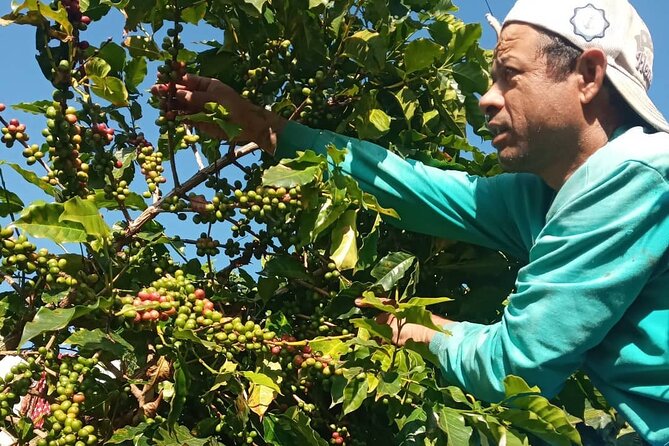
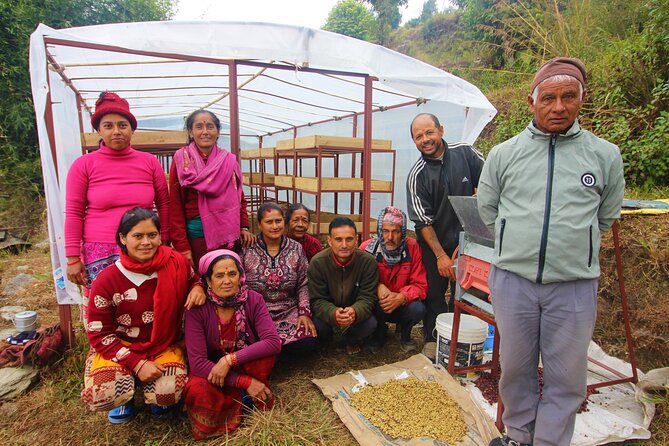
The coffee visit is the heart of the experience. Sarangkot and Pandeli are associated with small-scale organic Arabica farming, and the tour explains several stages of production rather than offering only a quick drink.
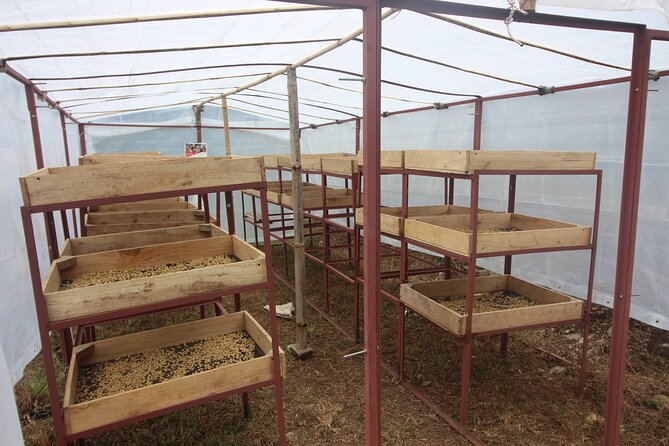
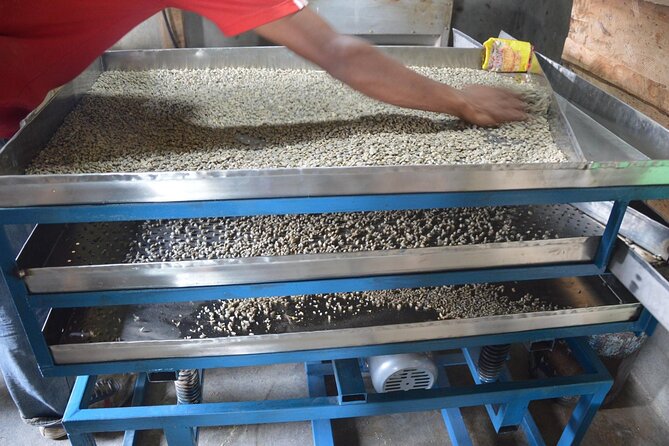
You can expect to learn about the plants, coffee cherries, farming challenges, and processing methods. The purpose is to show the complete path from farm to cup, including the work required to grow and prepare coffee on a small local holding.
The coffee tasting is included when supplies are available. Honey may also be included in the tasting, along with seasonal fruit and chocolate bars. Availability matters because this is a working farm setting, not a shop with an unlimited menu.
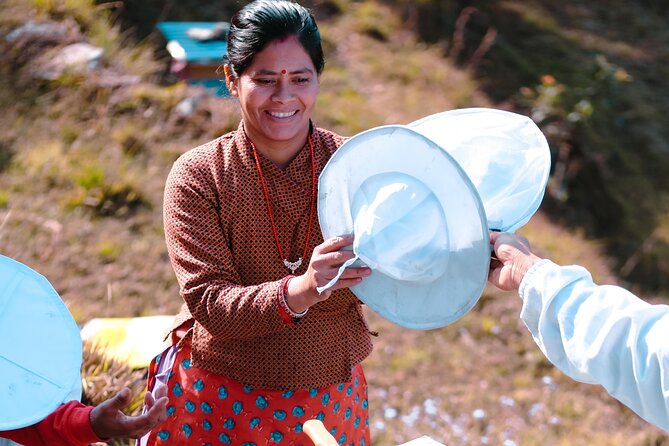
Some of the most interesting farm details are outside the coffee rows. The visit can include vegetable gardens and beehives, giving you a wider picture of household farming. You may see how coffee fits with other crops and income sources instead of treating it as a single-product plantation.
This is a good place to ask questions. Find out what makes organic production difficult, how farmers process their crop, and what changes would help them earn more. The tour has a clear educational purpose, but it remains rooted in everyday work.
Same mountains, a completely different kind of day:
- ZipFlyer Nepal – The World’s Steepest Zip-line
★ 5.0 · 608 reviews - Bungee Pokhara by HighGround Adventures
★ 5.0 · 366 reviews - ATV Adventure Tour in Pokhara, Nepal
★ 5.0 · 194 reviews - Full-Day Tibetan Cultural Tour to Tibetan Settlements Pokhara
★ 5.0 · 184 reviews
Why the Sharing Seeds model matters
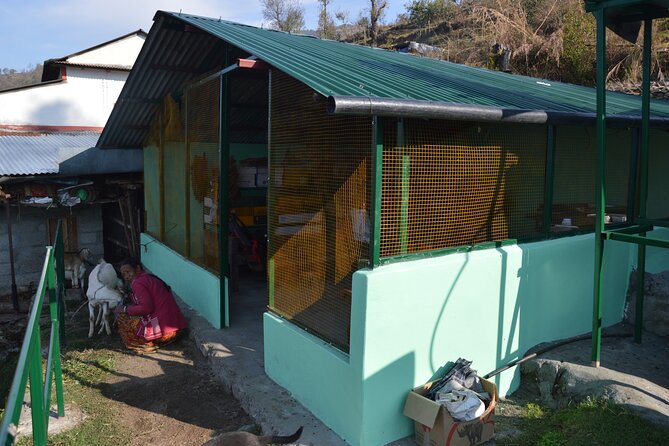
Sharing Seeds works with local organic Arabica farmers by providing training and updated information about coffee production and long-term sustainability. The project also pays 30 percent more for coffee cherries than other collectors in the region.
That payment difference gives the tour a practical point. You are not only hearing broad claims about responsible tourism. You are seeing a program connected to what farmers are paid and how they receive support.
Community tourism also creates local work for women. Women involved in the project prepare the food and take part in the visitor experience, allowing tourism income to remain closer to the village.
I value this part because it gives you a way to think about tourism beyond entrance tickets and photos. A guided visit can either keep money concentrated in the main resort area or connect income with the people producing food and crops. Here, the stated aim is to spread some of that benefit into the farming community.
You should still approach the visit with respect. This is a working village, not a stage set. Ask before photographing people or private property, listen when farmers explain their work, and remember that a small farm cannot offer the polished presentation of a large commercial coffee estate.
Local food is part of the lesson
Food is a major pleasure of the outing. The experience includes organic food prepared by women involved in the community tourism project. Depending on the day and the arrangement, you may receive a traditional breakfast or a substantial local lunch, and iced coffee has also been served.
The exact menu is not specified, so do not book this expecting a fixed restaurant course. Seasonal ingredients are more likely to shape the meal. Fruit and chocolate bars are included, while the coffee and honey tasting depends on availability.
The food matters because it connects the farm visit with the people behind the project. You are not merely tasting a packaged local product. You are eating food prepared within the community and seeing how hospitality can create paid local work.
If you have allergies or dietary restrictions, raise them before the tour. The provided details do not promise a special menu, so advance notice is the sensible approach.
What $60 buys you in Pokhara
The price is $60 per person. That is not the cheapest way to see a coffee farm around Pokhara, but the value is stronger if you want a guided hike, local meals, farm education, and a community connection in one outing.
The price includes private transportation, organic coffee and honey tasting when available, seasonal fruit, and chocolate bars. The organized route also saves you from arranging transport between Pokhara, Khapaudi, and the Sarangkot area.
What you are really paying for is time and access. A quick taxi ride to a viewpoint may cost less, but it will not give you the lakeside walk, the uphill village route, or the chance to learn how farmers handle coffee and other crops.
Group discounts are available, which may improve the price for people booking together. The group size is limited to 10, a useful balance between keeping the cost manageable and avoiding a large crowd around the farm.
The value is less convincing if you do not enjoy hiking or have little interest in farming. In that case, much of the fee goes toward an experience you may find tiring. For an active visitor who wants a more local half-day outside central Pokhara, the price is reasonable.
Who will enjoy this walk most
I would recommend this tour to you if you enjoy walking, food, small farms, and direct contact with local communities. It suits people who want a break from Pokhara’s cafés and paragliding offices, but who do not want to commit to a multi-day trek.
It is also a good fit for coffee drinkers who want to understand production rather than simply order a cup. The farm-to-cup explanation adds meaning to the tasting, especially when you learn about the challenges faced by small organic producers.
Families with older children may enjoy it if everyone is comfortable with a long uphill route. The maximum group size of 10 can make the outing easier to manage than a large bus tour, but the physical demands remain.
I would hesitate to recommend it to anyone looking for a relaxed scenic drive. You will walk for hours, and the route can be more important than the final stop. People with limited mobility may still be able to join with advance planning, but they should arrange the route with Sharing Seeds before paying.
Service animals are allowed, and the meeting point is near public transportation. The activity ends at its starting point, which keeps the rest of your Pokhara schedule simple.
Practical advice for a smoother day
Wear shoes suitable for an uphill trail, not casual sandals. Bring water, sun protection, and a light layer for the higher village area. You are responsible for your own hiking gear, so do not expect equipment to be supplied.
Start with a realistic view of the timetable. Meeting at 11:15 am means the outing runs into the afternoon and possibly toward early evening, depending on walking speed and time spent at the farm. Leave enough flexibility afterward.
The experience operates in a small-group format, but the pace may still vary. A strong walker may want to move faster than someone stopping to take photos or ask questions. The best approach is to treat the route as part of the visit rather than rushing to the coffee farm.
Coffee and honey are available upon availability, so the main reason to book should be the complete village and farming experience. The tasting is a welcome part of the day, not a guarantee of a particular coffee variety or quantity.
Free cancellation is available up to 24 hours before the 11:15 am start time. Changes or cancellations inside that window are not accepted for a refund. Bad weather or an unmet minimum number of participants can also lead to a different date, another experience, or a full refund.
Should you book the Sarangkot coffee tour?
Book it if you want to connect Pokhara’s famous lake and Sarangkot hills with real village life. The strongest parts are the long approach on foot, the organic Arabica explanation, the local meal, and the chance to support a project that pays farmers more and creates work for women.
Skip it if you want an easy viewpoint trip or a guaranteed coffee tasting in a polished café. The hike is the price of admission, and the weather can affect the views and schedule.
For the right person, this is a worthwhile $60 half-day. You get exercise, food, scenery, and a clearer idea of how a small farming community is trying to earn a fairer living from its land.
FAQ
Where does the Sarangkot coffee tour start?
The tour starts at 11:15 am outside SalesBerry Department Store at 6XFQ+JV2, Chiple Dhunga Road, Pokhara 33700, Nepal.
Where does the tour end?
The activity ends back at the meeting point outside SalesBerry Department Store.
How long does the experience last?
The experience lasts approximately six hours.
How difficult is the hike?
You need moderate physical fitness. The route includes about one hour and 30 minutes along Phewa Lake, followed by an uphill hike of about two hours and 30 minutes from Khapaudi toward Sarangkot.
What can I see during the tour?
You can walk beside Phewa Lake, pass through village areas, visit Pandeli Park, see coffee plants and other crops, and learn about small-scale organic Arabica farming. The visit may also include beehives and a vegetable garden.
Is coffee tasting included?
Organic coffee and honey tasting are included when available. Seasonal fruit and chocolate bars are also included.
Is food included?
The experience includes an organic meal prepared by women involved in the community tourism project. The supplied details describe this as lunch, while some arrangements have included a traditional breakfast, so you should confirm the meal timing when booking.
Can I cancel for a full refund?
Yes. You can cancel at least 24 hours before the local start time for a full refund. Cancellations or changes made less than 24 hours in advance are not accepted for a refund.
Just added around Pokhara
- Seti George and Thrilling Suspension Bridge Tour at Pokhara★ 4.5 · 3 reviews
- Tandem Paragliding in Pokhara★ 4.8 · 8 reviews
- Pokhara: Sunrise Tour to Sarangkot★ 5.0 · 3 reviews
- Pokhara: Suspension Bridge Private Tour- 30 Min Village Walk★ 4.8 · 9 reviews
- Pokhara: Visit Best Seven Tourist Destination by Sharing Bus★ 3.4 · 10 reviews
- Pokhara Sightseeing By Bus: Day Trip★ 4.6 · 7 reviews
- Pokhara Sightseeing By Bus – Day Trip★ 3.2 · 8 reviews
- Pokhara: Sarangkot Sunrise & Panoramic Annapurna View Tour★ 4.8 · 10 reviews
Sarangkot Sunrise Tours, compared.
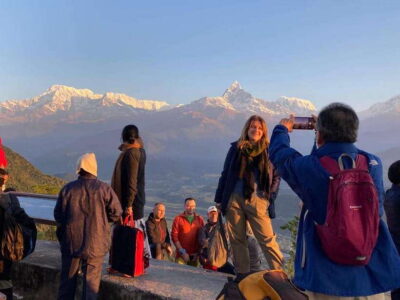
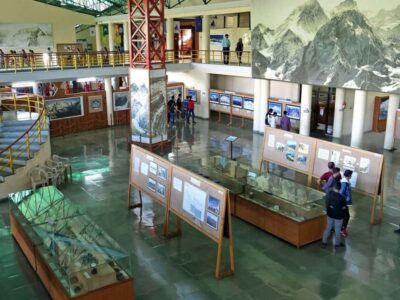
Sarangkot Sunrise with Half or Full-Day City Tour
Read our review →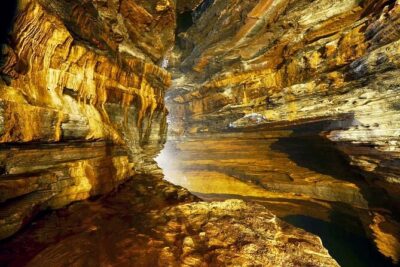
The Best of Pokhara: Full-Day Private Tour with Sarangkot Sunrise
Read our review →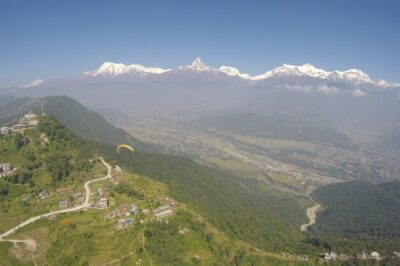
Day Hiking from Sarangkot to World Peace Stupa from Lakeside
Read our review →
Sarangkot Sunrise & Panoramic Annapurna View Tour
Read our review →Browse the lists this tour appears in