
Reviewed · HIKING & TREKKING
Makalu Base Camp Trek
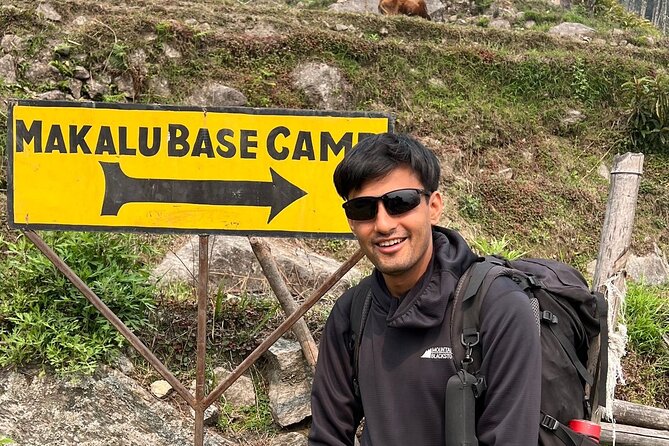
Makalu Base Camp is Nepal at its rawest: quiet trails, high passes, glacier views, and almost no crowd noise. You travel from Kathmandu toward Tumlingtar, then walk through Makalu-Barun National Park, moving from farms and forests to the cold alpine country below the world’s fifth-highest mountain.
I like the route’s range, from waterfalls and rhododendron woods to the Barun Glacier, and I like the human side, with Rai, Sherpa, and Bhotiya communities along the way. The main drawback is the effort: six- to seven-hour walking days, steep climbs, basic lodging, and uncertain mountain weather demand real preparation.
Key points to know before booking
- Makalu-Barun National Park: The route passes through forests, river valleys, meadows, and glacier country with excellent plant and animal life.
- Two high passes in one day: Shipton La at 4,170 meters and Keke La at 4,150 meters make Day 6 a serious test.
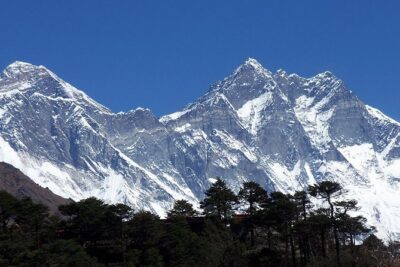
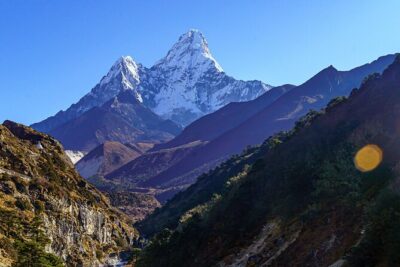
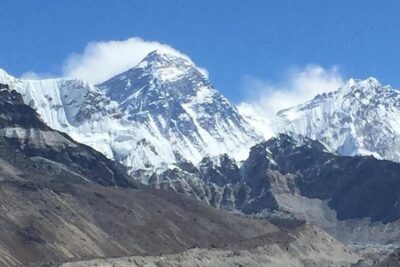
- Rare Himalayan views: Makalu, Everest, Lhotse, and Baruntse appear from less common eastern viewpoints.
- Remote teahouse trekking: Lodging is practical and basic, especially near base camp, rather than polished or resort-like.
- Good package coverage: Flights, meals, guide and porter costs, taxes, maps, and first-aid supplies are included in the $1,750 price.
- Private group format: Only your group takes part, with an English-speaking guide and porter support.
Why Makalu feels different from Nepal’s famous treks
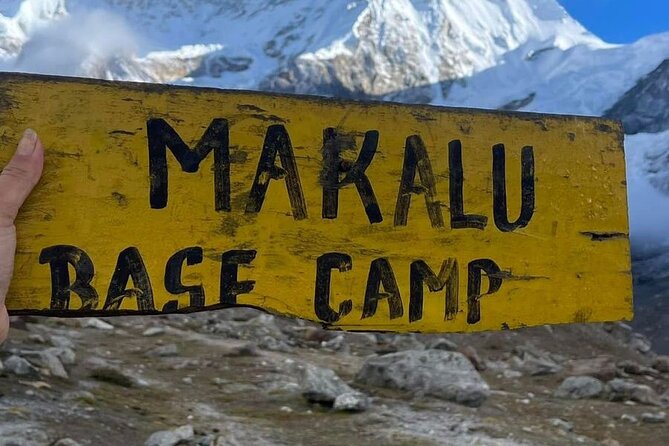
If you want a quiet mountain route, Makalu is a strong choice. The trail enters one of Nepal’s less developed trekking areas, where long stretches pass through forest, river valleys, and open high country without the busy feel found on Nepal’s best-known routes.
The reward is variety. Early walking takes you through green country with farms, waterfalls, rhododendrons, and medicinal plants. Higher up, the trees thin out and the views open toward snow peaks, glaciers, and broad alpine valleys.
I also like the range of cultures along the way. The route passes through areas associated with Rai, Sherpa, and Bhotiya communities. Their simple way of life and warm hospitality give the trek a human layer that a purely scenic route would lack.
The wildlife adds another reason to go slowly. Makalu-Barun National Park is known for red pandas, Himalayan thars, colorful birds, and extensive forest habitat. You are not promised a wildlife sighting, but the setting gives you more to notice than just the mountain ahead.
A few more Kathmandu trips to weigh up
- Everest Base Camp Trek – 14 Days
★ 5.0 · 1,499 reviews - Everest Base Camp Trekking
★ 5.0 · 485 reviews - Nagarkot Sunrise View and Day Hiking from Kathmandu
★ 5.0 · 471 reviews
What the $1,750 price covers
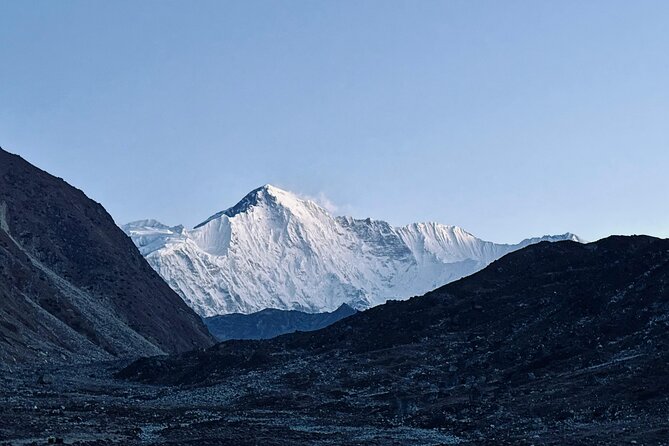
At $1,750 per person, this is not a low-cost walk, but the price includes several expensive and useful pieces. Two-way public flights between Kathmandu and Tumlingtar are included, along with meals, taxes, an English-speaking guide, porters, porter insurance, daily allowances, maps, and first-aid kits.
Breakfast, lunch, and dinner are included throughout the 15-day schedule. The food is described as one menu item per meal, so you should not expect an extensive choice at every stop. Bottled water, coffee, tea, alcohol, and personal insurance cost extra.
Sleeping bags, trekking poles, and crampons can be provided on request. Confirm these items before departure rather than assuming they will automatically be waiting for you.
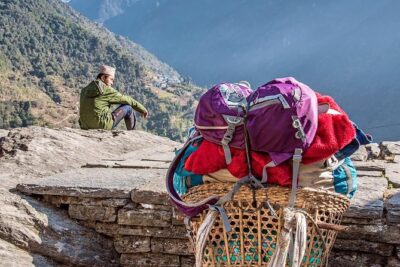
The package uses local transportation and public flights. Private vehicles are not included, though they can be arranged for an extra charge. Excess porter service is also available at an additional daily cost, with each porter carrying about 20 to 25 kilograms.
For the money, the package makes the most sense if you need guide and porter support, transport, meals, and basic equipment in one booking. If you already have your own gear and plan to arrange transport independently, the value may look different.
Day 1: Flight toward Tumlingtar and the rough road in
The first day combines a 45-minute flight with a four- to five-hour off-road drive toward Makalu-Barun National Park. That gives you a quick change from Kathmandu’s urban setting to a remote trailhead and mountain region.
The road section matters. Off-road travel can be tiring after a flight, and it is not the same as arriving at a polished trekking center. I would treat this day as a transition day, keep your small essentials close, and avoid planning anything that depends on a precise arrival hour.
Your first night is in a teahouse. The accommodation is functional, not luxurious. That is part of the route’s character, but it also means you should pack for simple rooms and limited comforts.
Day 2: A sharp start at the Arun River
The second day begins with a steep descent to the Arun River, followed by a steep climb to Seduwa. The five- to six-hour walking time may sound moderate, but the up-and-down profile makes this a demanding opening.
The Arun River gives the day a strong natural focus. You move from the river corridor back into higher ground, gaining an early sense of the physical work required on this route.
I would not use this day to test new boots or an overloaded pack. Porters are included, so take advantage of that support and carry only what you need during the day.
Same mountains, a completely different kind of day:
- Private Kathmandu Sightseeing Tour | UNESCO World Heritage sites
★ 5.0 · 756 reviews - Everest Base Camp Helicopter Tour landing at Everest View Hotel
★ 5.0 · 668 reviews - Half day cooking class in Thamel kathmandu
★ 5.0 · 607 reviews - Kathmandu: Full Day 7 UNESCO Tour with Lunch – Private/Group
★ 5.0 · 415 reviews
Day 3: Farms, forests, and a slower rhythm
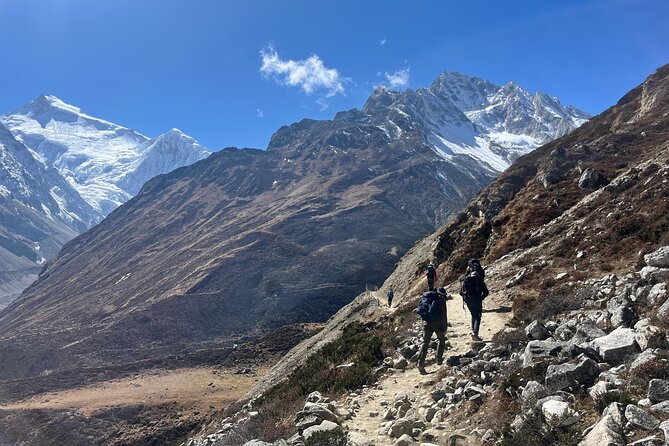
Day 3 is gentler, with a gradual walk through farms and forest for four to five hours. This is a useful change after the steep Arun River section.
The farms offer a close look at daily life in the hills. The forest brings shade, bird habitat, and a sense of being far from roads and city noise. This is also the kind of day when you can settle into the walking pace instead of chasing distance.
You spend another night in a teahouse. On a remote route, the ordinary details matter: a warm meal, a place to rest, and time to dry clothing can shape the whole trip.
Day 4: The long climb through woods and meadows
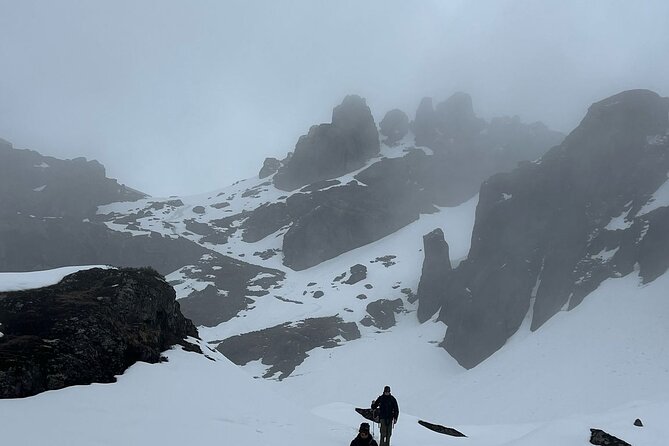
The fourth day involves six to seven hours of uphill walking through forest and meadows. This is where the trek begins to feel more serious.
The route’s changing vegetation keeps the climb interesting. Forest sections offer shade, while open meadows provide wider views and a chance to see how quickly the scenery changes with altitude.
The overnight stop is described as a basic lodge or teahouse. I would plan for a simple night and bring a warm layer for rest periods, even if the walking itself keeps you hot.
Day 5: Acclimatization above the main trail
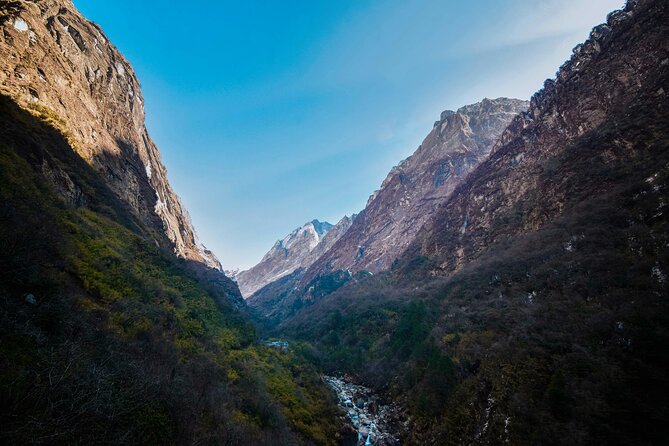
Day 5 is set aside for short hikes to nearby ridges for acclimatization. This is one of the most useful parts of the schedule.
Short ridge walks let you gain height without committing to another long day. They also give you a chance to look back at the route and judge how your body is handling the altitude.
Do not treat this as a wasted day. On a high trek, a controlled acclimatization day can make the following pass crossing safer and more enjoyable. Keep the pace easy and use the time to check your clothing, water, and personal gear.
Day 6: Shipton La and Keke La
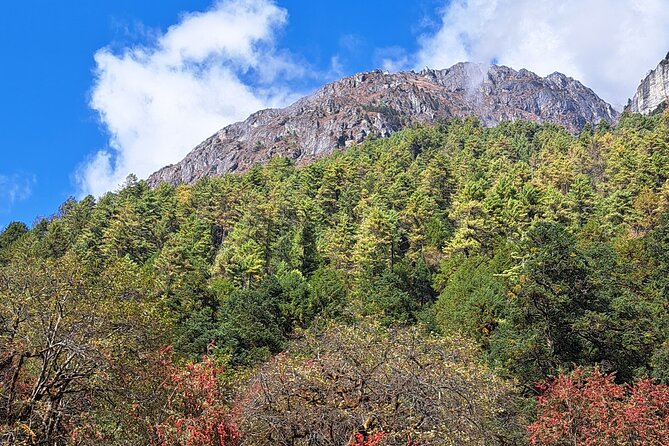
Day 6 is the hardest named day in the program. You cross Shipton La at 4,170 meters and Keke La at 4,150 meters during a six- to seven-hour walk.
Two high passes in one day bring big scenery and real strain. The trail may feel steep, the air thinner, and the weather less predictable. This is a day for steady steps, regular water breaks, and listening closely to your guide.
The beauty is the payoff. High passes create broad views and a clear sense of moving from one mountain zone to another. If you are fit and properly acclimatized, this can be one of the trip’s strongest days. If you are new to high-altitude trekking, it is also the point that should make you think carefully about preparation.
Days 7 and 8: River valleys and open mountain views
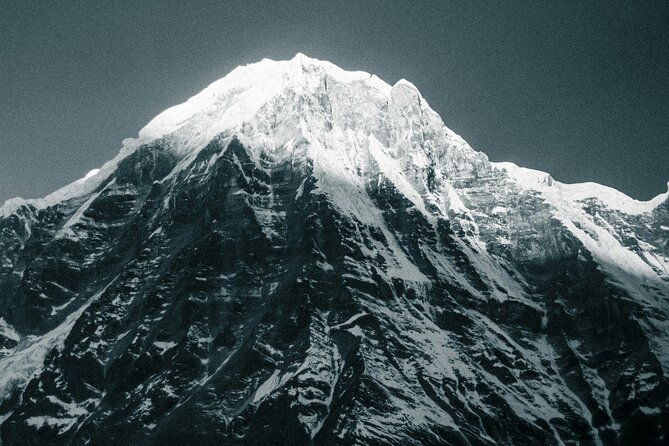
Day 7 returns to rhododendron forests and river valleys, with five to six hours of walking. After the exposed pass day, the vegetation and flowing water create a welcome change.
Rhododendrons are one of the route’s signature plants, and the forest sections add color and shelter. The route also remains biologically interesting, with medicinal plants and birdlife in the park.
Day 8 brings another gradual ascent, again for five to six hours. The main reward is the valley scenery. The steady climb gives you time to watch the mountains become larger and the valley floor fall away.
These two days are less about one famous viewpoint and more about the gradual change in altitude and scenery. I like that rhythm. The route does not rush you straight to base camp.
Day 9: Reaching Makalu Base Camp
Day 9 is the major goal: a six- to seven-hour climb to Makalu Base Camp. The setting should feel dramatically different from the lower forest sections, with high Himalayan views and a much more open alpine environment.
Makalu is the star, but the position also gives views toward Everest, Lhotse, and Baruntse from less familiar angles. That makes this trek valuable for people who have already seen Nepal’s better-known mountain routes and want a different perspective.
Accommodation near base camp is basic lodge or tented camping. You should be ready for fewer facilities and a colder night. The reward is proximity to the mountain environment, not comfort.
Day 10: Barun Glacier side hikes
Day 10 allows optional side hikes toward the Barun Glacier. This flexible day gives you the chance to see more of the high valley without packing up immediately.
The glacier area is a good reason to keep the day open. You can use the time for photographs, quiet observation, or a shorter outing if your body needs rest after the base camp climb.
The schedule lists either a teahouse or tented camp. Ask your guide about the exact plan before leaving Kathmandu, since lodging and weather can affect how the day works.
Days 11 to 15: Retracing the route and returning to Kathmandu
The return is not an afterthought. Day 11 includes about seven hours of walking as you retrace your steps, followed by six to seven hours on Day 12, five to six hours on Day 13, and another six to seven hours on Day 14.
Day 14 is described as a long descent. Downhill walking can be tough on knees and toes, so trekking poles are especially useful here. They are available on request as part of the equipment support.
Day 15 finishes with about four hours of trekking and a four- to five-hour drive. If timing works, you may fly from Tumlingtar to Kathmandu the same day or the next morning. That wording is important: do not build a tight international flight connection without confirming the actual return schedule.
The itinerary is physically long even after base camp. You need enough energy for the return, not just the climb in.
Food, water, gear, and comfort
Three meals a day are included, but bottled water is not. You can buy water along the trail or refill at teahouses, and a refillable bottle is the sensible choice. It cuts waste and gives you a clear system for staying hydrated.
Coffee and tea are purchased separately. Alcohol is also excluded, which is practical at altitude and keeps the package price focused on essentials.
A sleeping bag, poles, and crampons can be supplied if requested. Ask specifically what conditions require crampons and what equipment is available for your dates. Personal travel insurance is not included, so arrange your own cover before departure.
The accommodation is teahouse-based for much of the route, with basic lodge or tented options near the high sections. This is a remote trek, so I would pack with the assumption that rooms, heating, hot water, and food choices may be simple.
Guides, porters, and the private format
The tour is private, meaning only your group participates. That can make a difference on a route with demanding days. You have more room to discuss pace, rest stops, and optional walks than you would in a large group.
The service is provided by Bodhi Tree Tours Travel and Treks. Guide names connected with the experience include Pujan and David, with Raj also mentioned in the team’s service. If having a particular guide matters to you, ask for confirmation at booking.
Guide and porter insurance, daily allowances, and first-aid kits are included. That is a useful safety and cost detail, but it does not replace your personal insurance or your responsibility to prepare for altitude and strenuous walking.
Who should book this Makalu trek?
I would recommend this trek to a fit hiker who values solitude, nature, and a less developed route more than comfortable rooms or easy transport.
It suits you if:
- You can manage repeated five- to seven-hour walking days.
- You are ready for steep ascents and descents.
- You want forests, wildlife habitat, high passes, glaciers, and major peaks in one trip.
- You are comfortable with basic teahouses and possible tented nights.
- You prefer a private group with guide and porter support.
I would think twice if you want predictable roads, hotel comfort, short walks, or a busy trail with many backup services. The remote setting is the appeal, but it also means fewer conveniences.
The meeting point is Tribhuvan Airport in Kathmandu, with a listed start time of 12:15 am. That is unusually early, so confirm the exact meeting instructions and flight timing before departure.
Cancellation and weather considerations
Free cancellation is available up to 24 hours before the experience start time for a full refund. Changes made less than 24 hours before the start are not accepted, and the local time cut-off applies.
The trek depends on good weather. If poor weather cancels it, you are offered another date or a full refund. Since flights and mountain roads can be affected by conditions, keep your wider Nepal schedule flexible.
Should you book it?
Book this Makalu Base Camp Trek if you want a demanding, quiet Himalayan route with major scenery and genuine contact with remote mountain communities. The included flights, meals, guide, porters, taxes, maps, and first-aid supplies make the $1,750 price reasonable for a supported 15-day trip.
Before paying, confirm the Tumlingtar flight schedule, the exact return day, equipment available on request, and the guide assigned to your group. If you accept basic lodging and hard walking, this route offers a rare combination of forest, wildlife habitat, high passes, glacier country, and unforgettable views of Makalu.
FAQ
How long is the Makalu Base Camp Trek?
The trek lasts approximately 15 days, including flights, road transport, the walk to base camp, the return trek, and the final drive toward Tumlingtar.
Where does the experience start?
The listed meeting point is Tribhuvan Airport in Kathmandu, Nepal. The stated start time is 12:15 am.
Are flights included in the price?
Yes. Two-way public flight tickets between Kathmandu and Tumlingtar are included.
Are meals included?
Yes. Breakfast, lunch, and dinner are included during the trek. Coffee, tea, alcohol, and bottled water are not included.
Is accommodation included?
Yes. Overnight stays are arranged in teahouses, basic lodges, or tented camps, depending on the section of the route.
What level of fitness is required?
A moderate level of physical fitness is required. The route includes steep ascents and descents, six- to seven-hour trekking days, and two passes above 4,150 meters.
Can the trek be canceled because of weather?
Yes. The experience requires good weather. If it is canceled for that reason, you can choose another date or receive a full refund.
Just added around Kathmandu
- Private Half-Day Tour of Kathmandu Durbar Square and Swayambhunath Temple★ 4.5 · 11 reviews
- Namobuddha Monastery Hiking Day Tour via Panauti from Kathmandu★ 5.0 · 15 reviews
- Private Half-Day Tour of Boudhanath and Pashupatinath Temples in Kathmandu★ 4.5 · 9 reviews
- Private Full-Day Kathmandu City Tour★ 5.0 · 9 reviews
- Private Day Tour in Kathmandu Valley Rim with Bhaktapur Sightseeing★ 5.0 · 3 reviews
- Private Half Day Budhanilkantha Tour★ 5.0 · 6 reviews
- Private Day Tour: Patan and Bhaktapur from Kathmandu★ 4.5 · 6 reviews
- Private Day Tour – Sacred Journey to Namo Buddha★ 5.0 · 5 reviews
Hiking & Trekking, compared.
Nagarkot Sunrise View and Day Hiking from Kathmandu
Read our review →
Browse the lists this tour appears in