
Reviewed · HIKING & TREKKING
Kanchenjunga Circuit Trek 19 Days
Kanchenjunga is Nepal’s quiet giant. This 19-day circuit reaches both North Base Camp at Pang Pema and the southern Yalung Glacier, linking clear rivers, thick forest, stone villages, high passes, and huge Himalayan views. It feels far removed from the better-known Everest and Annapurna routes.
I like the small maximum group of eight and the strong guide support. Guides such as Raj and Jangbu have earned particular praise for careful service, while Abinta has been noted for her understanding of local culture, nature, and trails. I also like that permits, domestic flights, private jeeps, teahouses, porters, and most meals are bundled into the price.
The catch is the remoteness. You spend long hours in a 4×4 jeep before and after the walking begins, and the food, rooms, showers, internet, and charging options are basic. This is a serious mountain trek, not a comfortable walking holiday.
Key points to know before booking
- Both sides of Kanchenjunga: The route visits Pang Pema, the North Base Camp, then crosses high passes toward the southern Yalung Glacier.
- A quiet eastern Nepal route: The trail sees fewer people than Nepal’s major trekking circuits, especially outside the busiest periods.
- Long road transfers: Private jeep travel connects Bhadrapur, Taplejung, Sekathum, Yamphudin, Kanyam, and the airport.
- High, demanding walking: The route includes landslide-prone ground, glacier approaches, and passes reaching about 4,645 meters.
- Small-group support: The maximum group size is eight, with one porter shared between two trekkers.
- Mostly covered at $2,000: Permits, domestic flights, guides, porters, hotels in Kathmandu, teahouses, transport, and listed meals are included.
Why Kanchenjunga feels different
Kanchenjunga sits in Nepal’s far east, close to the border with Sikkim. The location matters. Getting there takes more effort than reaching the trailheads for Everest or Annapurna, and that extra effort helps keep the route quieter.
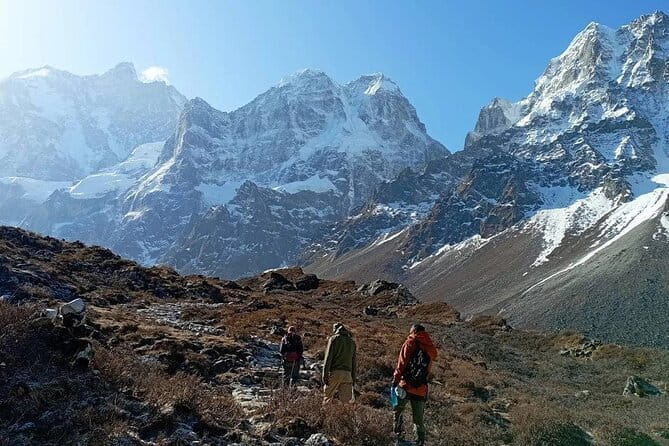
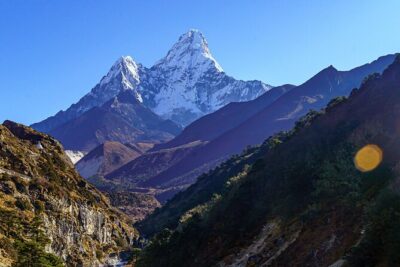
You move through several distinct environments. The lower sections bring jungle woodland, bridges, rivers, and Nepali villages. Higher up, forests thin into open mountain country, then give way to moraine, glacier, snow, and broad views of Kanchenjunga and nearby peaks.
The route is also less built up. Villages have not developed to handle large numbers of trekkers, so you should expect simple teahouses and limited services. That can feel refreshingly local, but it also means less choice at mealtimes and fewer comforts at altitude.
I see this trek as a good match for someone who wants a remote Himalayan route and accepts that the rough edges are part of the deal. If you want polished lodges, reliable internet, hot showers, and short transfers, choose a more established route.
A few more Kathmandu trips to weigh up
- Everest Base Camp Trek – 14 Days
★ 5.0 · 1,499 reviews - Everest Base Camp Trekking
★ 5.0 · 485 reviews - Nagarkot Sunrise View and Day Hiking from Kathmandu
★ 5.0 · 471 reviews
Days 1 and 2: Kathmandu preparations
Your trip begins with airport pickup in Kathmandu and a hotel in Thamel. The airport representative takes you to the reserved three-star hotel, where you have time to settle in and recover from your international flight.
Day two is practical rather than scenic. The team collects your original passport around 9 a.m. to prepare the required permits, then returns it around 5 p.m. at the company office. This is a useful planning day, since the trek enters a restricted and remote part of Nepal where paperwork matters.
Three nights in a three-star Kathmandu hotel are included, with breakfast. Lunch, dinner, and any extra hotel nights are not included, so budget for those separately if your flight schedule changes.
Day 3: Flying to Bhadrapur and driving toward Taplejung
The first domestic flight leaves Kathmandu for Bhadrapur, also called Chandragadhi Airport. The flight takes about 45 to 50 minutes, but the day is much longer once you add the road journey.
From Bhadrapur, a private jeep drives through Kanyam and along the Mechi Highway toward Taplejung. Kanyam is known for its tea cultivation, and the road gradually trades urban Nepal for the greener hills of the east.
The stated duration is about 12 hours. That tells you something important about this trek: the approach is part of the adventure, but it is not a quick transfer. Roads in this region can make a full day feel longer, especially after an international flight and a domestic connection.
Day 4: Taplejung to Sekathum by rough road
After breakfast, another jeep ride takes you to Sekathum. The route usually takes about 12 hours and follows rough mountain roads rather than a smooth tourist highway.
Some trekking plans begin walking from Taplejung, but this version uses the jeep to save time and reserve more energy for the high trail. That is a practical choice, though it means two full days of driving before the main walk begins.
You receive a basic lunch on the days specified in the package, but personal drinks, snacks, bottled water, soft drinks, beer, and charging costs are extra. Carry cash for these small purchases, since remote villages may not offer dependable payment services.
Same mountains, a completely different kind of day:
- Private Kathmandu Sightseeing Tour | UNESCO World Heritage sites
★ 5.0 · 756 reviews - Everest Base Camp Helicopter Tour landing at Everest View Hotel
★ 5.0 · 668 reviews - Half day cooking class in Thamel kathmandu
★ 5.0 · 607 reviews - Kathmandu: Full Day 7 UNESCO Tour with Lunch – Private/Group
★ 5.0 · 415 reviews
Days 5 and 6: Bridges, forest, and Amjilosa
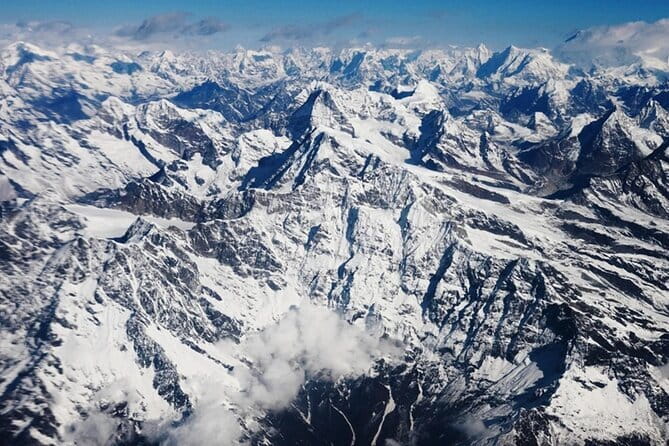
The walk begins at Sekathum after breakfast. The trail follows the Ghunsa Khola and crosses many bridges as it works into the Kanchenjunga region.
Day five ends at Amjilosa. The route includes steady climbing through woodland, with the river often adding sound and movement to the day. This is a good introduction to the trek’s character: the rewards are natural rather than built, and the trail can feel wild even when a village is nearby.
On day six, you continue to Gyabla, also called Kyapra. The path passes through dense forest with no human settlement for sections of the day. You may spot local wildlife, but sightings are never guaranteed.
The two days are listed at around 12 hours, though that figure appears to describe the full activity day rather than a precise walking time. Ask the operator for current walking-hour estimates before departure, especially if you are used to shorter trekking days.
Days 7 and 8: Phale, Ghunsa, and Khambachen
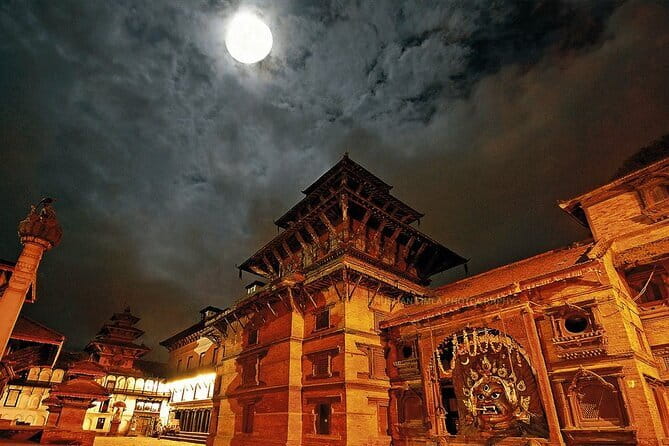
The forest walk continues toward Phale, a village that adds a welcome human touch after the more isolated trail. From there, you continue to Ghunsa, one of the key settlements on the route.
Ghunsa is often used for acclimatization. The itinerary includes one night there before moving to Khambachen, but you should still take altitude seriously and follow your guide’s advice. The guide and porter team carry first aid supplies, yet the package does not include emergency evacuation insurance. You must arrange travel and health insurance that covers rescue and evacuation.
Day eight brings a gradual climb through open pine forest to Khambachen. Blue sheep may be visible, and the area is described as habitat for snow leopards, though these animals are rarely seen. The trail also passes through landslide-prone sections, so conditions may affect the pace.
Khambachen is a basic mountain stop, but its location is valuable. The settlement puts you closer to the glaciers and the North Base Camp route while giving your body time to adjust.
Day 9: An acclimatization day at Khambachen
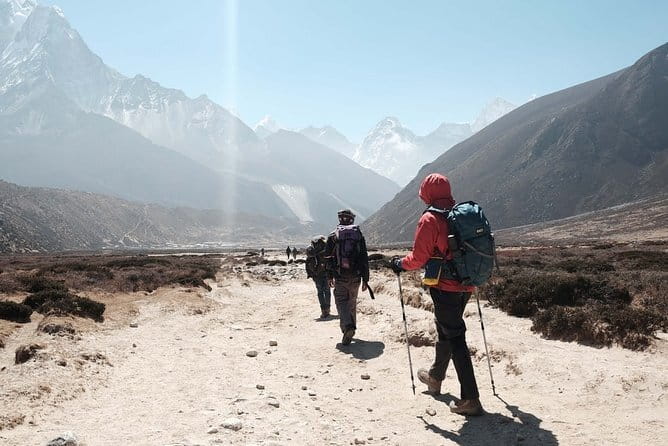
A rest day here does not mean sitting indoors all day. The plan uses a short hike toward nearby glaciers, viewpoints, and lakes to help your body adapt without adding a major forward push.
This is one of the most important days in the schedule. The route climbs high and includes demanding terrain later, so skipping rest may save time on paper but create problems in practice. Keep the day easy, drink enough, and tell your guide if you feel unwell.
Khambachen can be busier during the main season than the lower villages, since trekkers use it as a base for the North Base Camp walk. Even so, the route remains far quieter than Nepal’s most famous circuits.
Days 10 and 11: Lhonak and Pang Pema
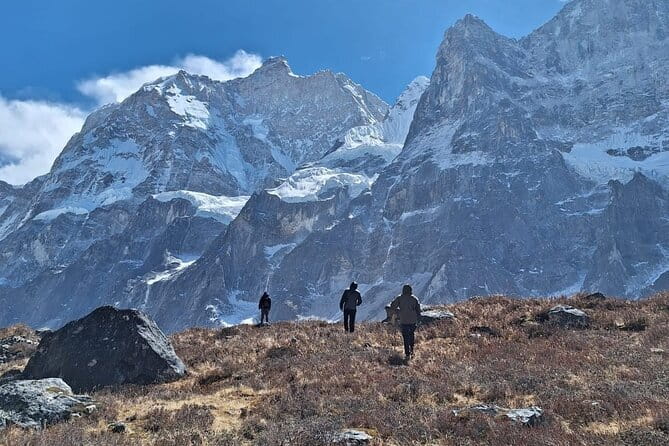
From Khambachen, the route follows the Kanchenjunga Glacier toward Lhonak. The scenery changes sharply as trees give way to open, rocky mountain ground.
The trail includes glacier and moraine sections. You should expect a more exposed setting, fewer signs of settlement, and a day shaped by weather, footing, and altitude. This is where a steady pace matters more than speed.
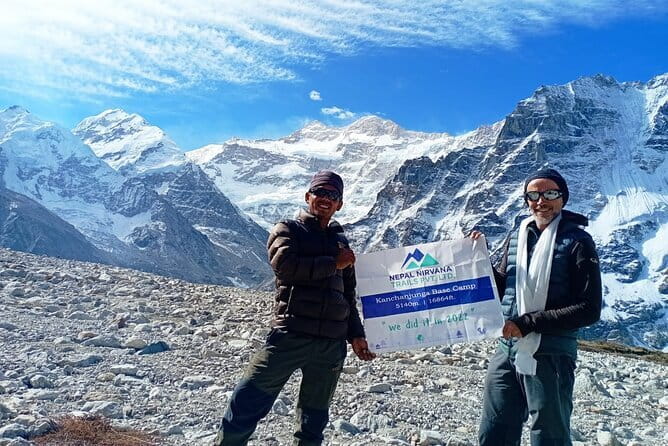
Day 11 is the high point of the northern section: the walk to Pang Pema, Kanchenjunga North Base Camp. The path climbs gradually over moraines, bringing you closer to the mountain’s immense walls and surrounding peaks.
The base camp itself is not a resort or a permanent town. It is a destination reached for its setting and views, then left behind. Pack patience and warm layers. The itinerary lists the day at about 12 hours, so this is among the most demanding portions of the trip.
Day 12: Retracing the trail to Ghunsa
You return along the same route from the North Base Camp area toward Ghunsa. After the stark glacier country, familiar forests and stone huts feel almost welcoming.
Retracing a trail can sound repetitive, but it offers a different view of the same country. You also walk downhill for much of the return, though long descents can be hard on knees and ankles.
Ghunsa provides another night at a known stop before the route turns toward the high passes. Use the evening to prepare for the next section, since the trail soon leaves the main route toward Gyabla.
Days 13 and 14: Sele Le Pass and three high crossings
Day 13 climbs from Ghunsa to Sele Le. The forest remains dense in places, and the route again passes through an area where snow leopards may live. Human settlement is sparse, and the few teahouses along this stretch may open only during the trekking season.
That seasonal service is worth noting. You cannot expect the range of food and supplies found on Nepal’s larger routes. Keep personal snacks with you, and ask the operator what gear is recommended for current conditions.
Day 14 is one of the trek’s great mountain days. From Sele Le Pass, you cross Sinion La at about 4,440 meters, Mirgin La at about 4,480 meters, and Sinelapche Bhanjyang at about 4,645 meters.
The reward is a wide panorama across the Himalayan peaks. The cost is a steep, tiring day at serious altitude. Snow, weather, and trail conditions can change the experience, so you need strong fitness and a flexible attitude.
Days 15 and 16: Yalung Glacier and the southern side
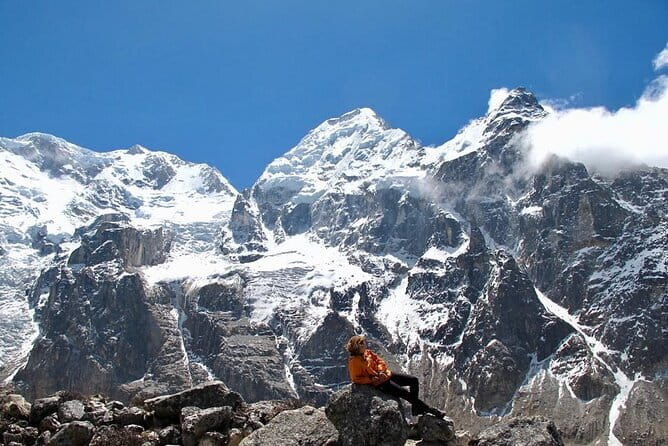
The trail now reaches the Yalung Glacier. The route climbs closer to the mountain views, with Rathong at about 6,682 meters and Kabru at about 7,412 meters among the peaks visible from this area.
This southern section gives the trek its circuit character. You are not simply walking to one base camp and returning by the same route. You see Kanchenjunga from another angle and pass through a different mix of glacier country, forest, and river valleys.
By day 16, the route descends through rhododendron forest toward Tortong, following the Simbuwa Khola. The change from snow-capped peaks to woodland is gradual and calming, but downhill walking after high-altitude days can still be demanding.
Days 17 to 19: Yamphudin, Kanyam, and Kathmandu
From Tortong, the trail descends toward Amji Khola, passing Lasiya or Lamite Bhanjyang at about 3,415 meters and Dhupi Bhanjyang at about 2,665 meters. Steep slopes lead to Yamphudin, one of the final villages on the walking route.
Day 18 continues through hill country beside the Kabeli Khola before the walking ends. A vehicle takes you toward Kanyam, where tea cultivation provides a gentler final setting after the high mountains.
On day 19, you have time to explore the green tea-growing area before the two to three-hour drive to Bhadrapur Airport. The flight back to Kathmandu takes another 45 to 50 minutes. The schedule lists about eight hours for the day, though flight timing and road conditions can affect the total.
You are dropped at your Kathmandu hotel. The package does not cover an extra hotel night, so check your international departure time before booking return flights.
What the $2,000 price really covers
At $2,000 per person, the price is strong for a 19-day remote trek, mainly because several costly pieces are already included. You get domestic flights in both directions, private jeep transport, permits, Kathmandu hotel nights, teahouse accommodation, a licensed guide, a porter, and most meals.
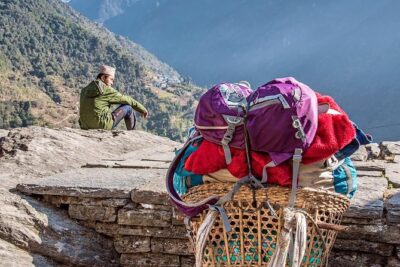
The porter arrangement is one porter for every two trekkers. That is common for this type of trek, but pack thoughtfully and keep your personal bag within the operator’s stated weight limit. The porter’s salary, food, equipment, and insurance are included, as are the guide’s salary, food, equipment, and insurance.
You still need money for personal expenses, snacks, drinks, water, Wi-Fi, battery charging, hot showers, tips, and meals in Kathmandu beyond the included breakfasts. International airfare, the Nepal entry visa, and rescue insurance are also your responsibility.
The package includes 18 breakfasts, 17 lunches, and 16 dinners. The food is basic, and vegetarian choices are recommended by the operator. That advice makes sense in a remote area with limited supplies, but you should not expect a broad menu or restaurant-level meals.
Guide support and group size
A maximum of eight people keeps the group small enough for the guide to monitor the pace and communicate clearly. The support team includes a government-licensed, first aid-trained trekking guide and porters.
Several guides connected with the company have received strong praise for their care and service. Raj has been singled out for hard work and attentive support, Jangbu for helping make the Kanchenjunga route memorable, and Abinta for her grasp of regional culture, nature, and trails. Raju has also guided successful Nepal trips through the same operator.
You cannot assume a specific guide unless the company confirms one before booking. It is sensible to ask who will lead your departure, how luggage is divided, and what happens if weather delays a flight or road transfer.
Who should book this trek?
You should consider it if you have strong physical fitness, enjoy remote routes, and prefer quiet trails to busy teahouse corridors. It suits hikers who see long road transfers and simple accommodation as part of the story rather than annoyances.
You should think twice if you want a first Himalayan trek with easy logistics. The route includes long jeep journeys, basic food, high passes, glacier approaches, steep slopes, and landslide-prone ground. A current medical check and proper rescue insurance are wise preparations.
The trek also suits people who want more than a single famous viewpoint. Visiting both the northern Pang Pema area and the southern Yalung Glacier gives you a broader sense of Kanchenjunga’s scale and the communities around it.
Booking details worth checking
Pickup is offered from the airport, and the meeting point is Nepal Nirvana Trails on Saat Ghumti Marg in Kathmandu. Confirmation is provided at booking, and the activity runs with a maximum of eight participants.
Cancellation is free if you cancel at least 24 hours before the start time. Cancellations within 24 hours are not refunded, and late changes are not accepted.
Ask about current road conditions, flight timing, porter baggage limits, teahouse availability, and the exact guide before paying. Those details matter more here than they would on a short city tour.
Should you book the Kanchenjunga Circuit Trek?
Book it if you want remote Himalayan scenery, two base-camp experiences, and a quieter trail and you are ready to trade comfort for access. The $2,000 price is reasonable because transport, permits, staff, lodging, flights, and most meals are included.
Skip it if you dislike long jeep rides, basic teahouses, limited food choices, or strenuous days above 4,000 meters. For the right person, this is one of Nepal’s more rewarding long treks. For the wrong person, the remoteness will feel like a burden from the first road day.
FAQ
How long is the Kanchenjunga Circuit Trek?
The trek lasts approximately 19 days, including Kathmandu preparation, domestic flights, jeep transfers, walking days, and the return to Kathmandu.
Does the route visit both Kanchenjunga base camps?
Yes. The itinerary includes Kanchenjunga North Base Camp, also called Pang Pema, and the southern Yalung Glacier area.
What is the highest point on the route?
The highest listed crossing is Sinelapche Bhanjyang at about 4,645 meters. The route also crosses Mirgin La at about 4,480 meters and Sinion La at about 4,440 meters.
Are flights included?
Yes. The package includes flights from Kathmandu to Bhadrapur and from Bhadrapur back to Kathmandu.
Is transport by jeep included?
Yes. Private jeep transport is included between Bhadrapur, Taplejung, and Sekathum at the start, and between Yamphudin, Kanyam, and Bhadrapur Airport at the end.
Are meals included during the trek?
The package includes 18 breakfasts, 17 lunches, and 16 dinners. Personal snacks, drinks, bottled water, beer, soft drinks, and juice are not included.
What accommodation is provided?
You receive three nights in a three-star Kathmandu hotel with breakfast and teahouse accommodation during the trek.
Is travel insurance included?
No. You must arrange your own travel and health insurance, including coverage for emergency rescue and evacuation.
Just added around Kathmandu
- Private Half-Day Tour of Boudhanath and Pashupatinath Temples in Kathmandu★ 4.5 · 9 reviews
- Private Half-Day Tour of Kathmandu Durbar Square and Swayambhunath Temple★ 4.5 · 11 reviews
- Namobuddha Monastery Hiking Day Tour via Panauti from Kathmandu★ 5.0 · 15 reviews
- Private Full-Day Kathmandu City Tour★ 5.0 · 9 reviews
- Private Day Tour in Kathmandu Valley Rim with Bhaktapur Sightseeing★ 5.0 · 3 reviews
- Private Half Day Budhanilkantha Tour★ 5.0 · 6 reviews
- Private Day Tour: Patan and Bhaktapur from Kathmandu★ 4.5 · 6 reviews
- Private Day Tour – Sacred Journey to Namo Buddha★ 5.0 · 5 reviews
Hiking & Trekking, compared.
Nagarkot Sunrise View and Day Hiking from Kathmandu
Read our review →
Browse the lists this tour appears in