
Reviewed · HIKING & TREKKING
Everest Three Pass Trek
Crossing three high Himalayan passes in 15 days is the heart of this trip. You’ll fly from Kathmandu to Lukla, walk through Sherpa villages and Sagarmatha National Park, climb Kongma La at 5,535 meters, Cho La at 5,420 meters, and Renjo La at 5,360 meters, then return through Gokyo and Namche Bazaar.
I like the smart route design. The plan uses a short walk to Chhukung before Kongma La, and it includes rest days in Namche and Gokyo rather than treating the mountains like a race. I also like that the $1,800 price covers domestic flights, permits, meals, accommodation, porters, staff insurance, a down jacket, sleeping bag, and duffel bag.
The catch is clear: this is a serious high-altitude trek, not a gentle village walk. Rough ground, snow or ice on the passes, early starts, and several demanding days require strong physical fitness. Weather can also affect Lukla flights and high-pass crossings.
Key points to know before booking
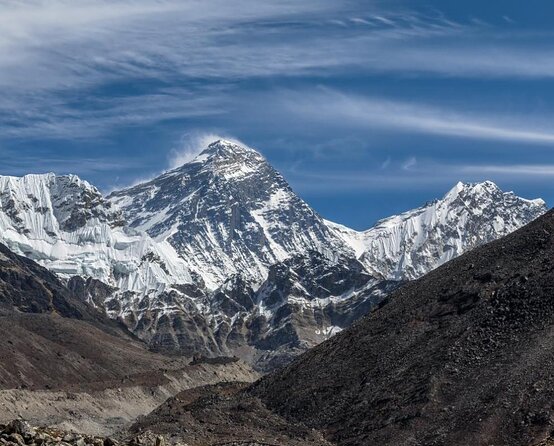
- Three major passes: Kongma La, Cho La, and Renjo La are the central challenge and the main reason to choose this route.
- Kala Patthar sunrise: Day 9 offers a dawn climb to 5,550 meters for views toward Everest and the surrounding valleys.
- Gokyo Lakes and Gokyo Ri: You get a different view of the Everest region, with high lakes, glaciers, and mountain ranges.
- Private group format: Only your group takes part, with a local licensed English-speaking guide and porters.
- Many core costs included: Flights, meals, permits, lodging, staff costs, transport, and selected gear are covered.
- Flexible weather policy: If poor weather cancels the trip, you can choose another date or receive a full refund.
Why the Three Pass route is worth the effort
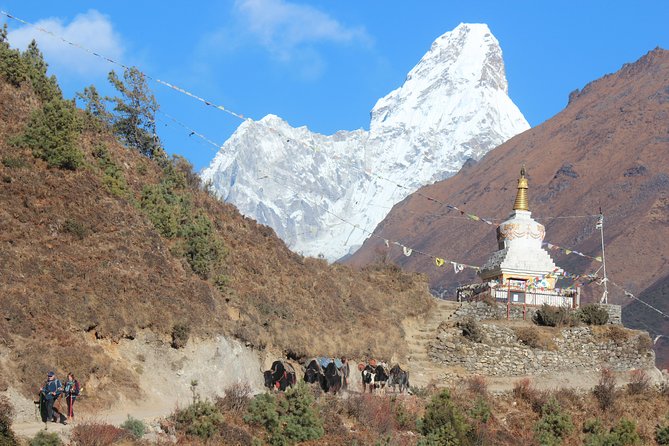
The standard Everest Base Camp route has a clear goal, but this trek is built around movement through the high country. You cross from one valley to another, climb three named passes, visit Gokyo, and still get the classic Everest views from Kala Patthar.
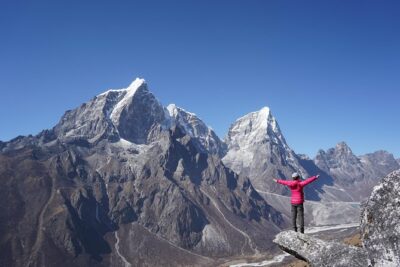
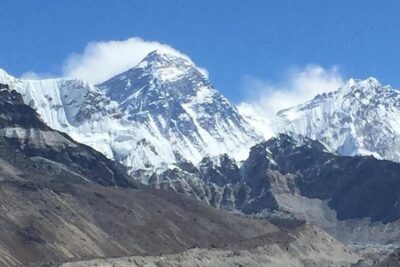
I like that variety. The passes are not just photo stops. Each one asks you to climb, manage your pace, and deal with changing trail conditions. In return, you see the Mahalangur Himalayan range from several angles, including Everest, Lhotse, Nuptse, Ama Dablam, and other major peaks.
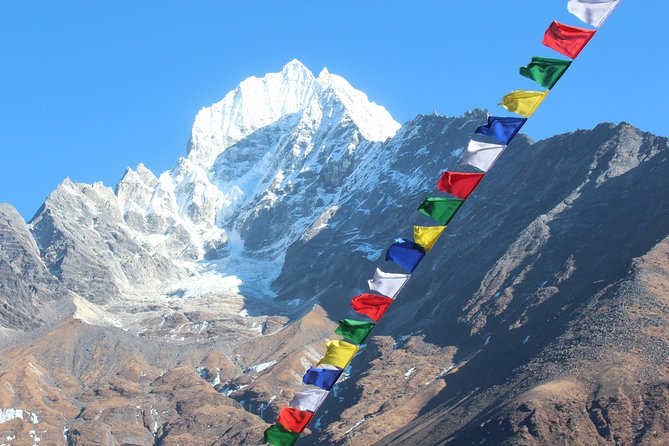
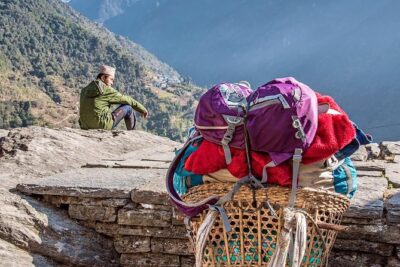
This route also gives you a strong sense of place. You’ll walk beside the Dudh Koshi River, cross suspension bridges hung with prayer flags, pass rhododendron forest, and spend nights in Sherpa settlements such as Namche, Tengboche, Dingboche, Chhukung, Gorakshep, Gokyo, and Lukla.
The route is demanding enough that the itinerary should be read as a framework, not a guarantee of exact timing. Snow, wind, trail conditions, and flight delays can change the plan. The company’s weather policy is useful here: if poor conditions cancel the experience, you can move to another date or receive a full refund.
A few more Kathmandu trips to weigh up
- Everest Base Camp Trek – 14 Days
★ 5.0 · 1,499 reviews - Everest Base Camp Trekking
★ 5.0 · 485 reviews - Nagarkot Sunrise View and Day Hiking from Kathmandu
★ 5.0 · 471 reviews
Day 1: Kathmandu to Lukla by mountain flight
The trip begins at 6:15 a.m. at Base Camp Adventure Pvt. Ltd. on Tridevi Sadak in Kathmandu. From there, you take a domestic flight to Lukla, flying above green hills and snowy Himalayan peaks before landing at Tenzing-Hillary Airport.
The flight is short, but it matters. Lukla is the practical gateway to the Khumbu, and the airport’s mountain setting makes the start feel immediate. Once you arrive, you meet the guide and trekking staff, then begin walking toward the Everest region.
This early start is one reason to keep your first day simple. You should not plan a late night before departure. The price includes the Kathmandu to Lukla and Lukla to Kathmandu flights, airport tax, and necessary land transport.
Day 2: Suspension bridges and the trail to Namche Bazaar
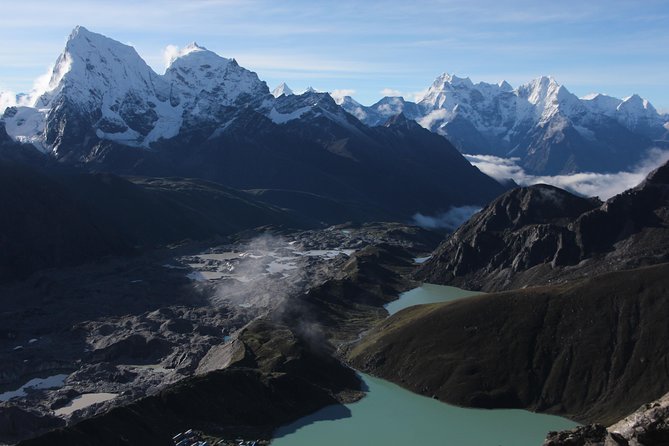
The trail follows the Dudh Koshi River and crosses it several times on suspension bridges decorated with prayer flags. After entering Sagarmatha National Park, the route climbs toward Namche Bazaar.
This is a good introduction to the trek’s rhythm. You begin with river valleys and forest, then gain height as the trail heads toward the Sherpa trading town. The repeated bridge crossings add a little thrill, but the larger issue is the uphill gain.
Namche is more than a stopping point. It is the main service center in the Khumbu and the place where you begin to notice the effects of altitude. The itinerary wisely gives you a full acclimatization day here.
Day 3: Namche acclimatization and Everest View Hotel
You spend the day around Namche, with a short climb to Everest View Hotel. From the higher point, you can see Everest along with peaks such as Nuptse and Thamserku.
I like this rest day because it serves two purposes. You get to explore one of the region’s most attractive Sherpa towns, and you give your body time to adjust before the trail rises farther into the mountains.
Do not think of a rest day as wasted time. At this elevation, a controlled uphill walk followed by time to rest is part of the safety plan. It also gives you a chance to check your boots, clothing, water, and personal equipment before the harder sections.
Same mountains, a completely different kind of day:
- Private Kathmandu Sightseeing Tour | UNESCO World Heritage sites
★ 5.0 · 756 reviews - Everest Base Camp Helicopter Tour landing at Everest View Hotel
★ 5.0 · 668 reviews - Half day cooking class in Thamel kathmandu
★ 5.0 · 607 reviews - Kathmandu: Full Day 7 UNESCO Tour with Lunch – Private/Group
★ 5.0 · 415 reviews
Day 4: Tengboche and its mountain setting
The trail follows the Dudh Koshi upstream to the water-driven prayer wheels near Phunke Tenga. From there, you climb above the Imja Khola toward Tengboche.
Tengboche is one of the most memorable stops on the route because of its monastery and mountain setting. The itinerary includes a brief stop at Tengboche, giving you a chance to take in the spiritual side of the Khumbu before continuing.
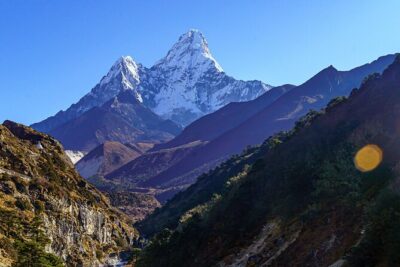
The walk is not all uphill, but it is steadily gaining altitude. The forested sections offer a welcome change from the bare rock and snow that come later. You’ll also get views of Ama Dablam, a sharply shaped peak that becomes a familiar companion along the trail.
Day 5: Pangboche, Ama Dablam, and Dingboche
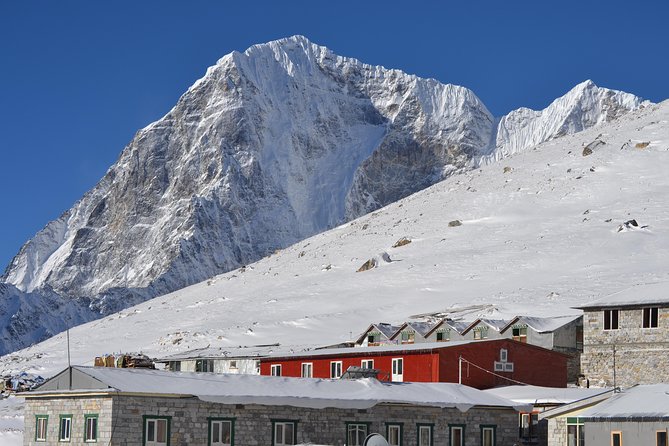
After breakfast, you climb toward Dingboche. The trail passes through rhododendron forest and Pangboche village, with Ama Dablam, Lhotse, and Everest visible along the way.
This day marks a clear change in feel. The vegetation begins to thin, the air feels colder, and the high peaks occupy more of your view. Dingboche is an important stop because it sits at a higher elevation and prepares you for the first pass.
The itinerary does not use an extra acclimatization day in Dingboche. Instead, it moves to Chhukung on Day 6. That choice shortens the following day’s approach to Kongma La, but it also means you should arrive rested and take the pace seriously.
Day 6: A short walk to Chhukung
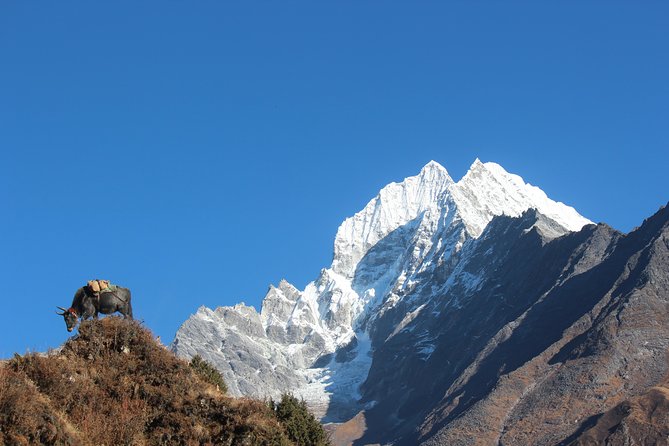
Today is shorter than many of the other trekking days. You walk uphill from Dingboche to Chhukung along the Imja Valley, with mountain views surrounding the trail.
This is a practical route choice. By sleeping in Chhukung, you avoid adding a long approach to the day when you cross Kongma La. The shorter day also gives you time to prepare clothing and equipment for the highest and most difficult pass.
You should use the spare time well. Keep your pack organized, ask the guide about the next day’s trail, and make sure you have warm layers and suitable personal trekking gear. The company provides a down jacket, sleeping bag, and duffel or kit bag, but you remain responsible for your other equipment.
Day 7: Kongma La at 5,535 meters
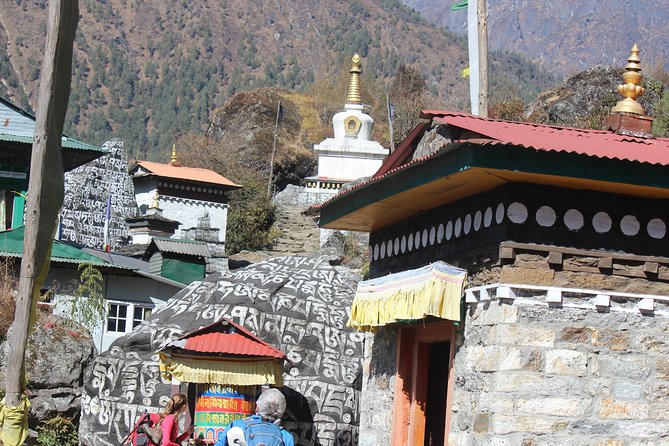
Kongma La is the highest of the three passes, at 5,535 meters. The climb is steep and can be difficult, with rough ground and possible snow along the route.
This is likely to be one of the hardest days of the entire trek. You’ll need patience more than speed. The reward is a broad view of the Mahalangur range, including Everest and the high peaks around the Khumbu.
Kongma La is a good test of the trip’s character. If you want a comfortable walk with a famous endpoint, this is the wrong choice. If you want a demanding route that takes you across high, remote terrain, this is exactly the sort of day you are paying for.
Day 8: Stony trails toward Gorakshep
After Kongma La, the route continues toward Gorakshep. The walking surface is generally stony, and the surrounding views include snow-capped peaks and glaciers.
Gorakshep is an important base for the next morning’s Kala Patthar climb. The day can feel tiring because you are still operating at very high altitude after crossing Kongma La. You should expect the trail to be slow and focus on steady movement.
The itinerary places the first famous Everest viewpoint after the first pass. That creates a strong contrast: one day is about crossing a difficult mountain saddle, and the next morning is about sitting above the valleys as the sun reaches the peaks.
Day 9: Kala Patthar sunrise at 5,550 meters
The early morning hike to Kala Patthar is one of the signature moments of the trip. At 5,550 meters, you look over the valleys as the first sunlight touches Everest and the surrounding peaks.
The views from Kala Patthar are a major reason many people want to visit this part of Nepal. You see Everest in a broad Himalayan setting rather than as an isolated summit. The morning timing also gives the mountains a changing light that makes the climb worthwhile.
After the viewpoint, you continue toward the next section of the route. This is another high day, so you should not treat the sunrise walk as a casual add-on. The early start, altitude, and stony trail can make it tiring.
Day 10: Cho La and the route to Gokyo
Cho La reaches 5,420 meters and is described as another tough crossing. The trail climbs steeply over an ice-covered section before reaching the pass, then continues toward the Gokyo Lakes.
This is one of the trek’s most distinctive days. You leave the Everest side of the route and move toward the Gokyo Valley, where the scenery changes from the familiar Base Camp corridor to glaciers and high mountain lakes.
Conditions at Cho La can vary. Snow and ice make footwear, balance, and careful pacing important. Your guide and porters are included, and their role matters most on days like this, when the trail is difficult and the group needs to move together.
Day 11: Gokyo Lakes and Gokyo Ri
Gokyo is given as a rest day, with a morning climb to Gokyo Ri at 5,360 meters. From the high point, you can see the Gokyo Valley, its small lakes, glaciers, and a wide collection of Himalayan peaks.
I like this pause after Cho La. You get a second high viewpoint without immediately pushing on to the next pass. Gokyo also gives the trip a different visual identity. The lakes and glacier views make this more than a repeat of the Everest Base Camp route.
The phrase rest day needs a little explanation here. You are still climbing Gokyo Ri, so it is active recovery rather than a full day off. Keep your pace measured and let the guide know if you are struggling.
Day 12: Renjo La, the final pass
The final high crossing is Renjo La at 5,360 meters. You start early and follow a gradually rising, snow-filled path to the top.
From Renjo La, you get views toward Cho Oyu, Everest, and other major peaks. Reaching this pass completes the central challenge of the trek, but you still have several days of walking before returning to Kathmandu.
The early start helps you make progress before conditions change later in the day. It also means you should expect a simple morning routine, with breakfast, warm clothing, and a focused climb rather than a leisurely departure.
Days 13 to 15: Return through Namche and Lukla
After Renjo La, the trail to Namche is more relaxed and relatively easier. You can enjoy distant views of Everest and the other mountains without the same pressure as the three pass days.
Day 14 takes you from Namche to Lukla through villages, forest, rivers, and suspension bridges. This last walking day is still substantial, but it gives you a satisfying return through familiar terrain. In Lukla, you have time to rest and explore the market.
On Day 15, you fly back to Kathmandu. The flight again offers views of green hills and snowy peaks, though mountain weather can affect departure times. The activity ends back at the Kathmandu meeting point.
What the $1,800 price covers
At $1,800 per person, this package has good value for a supported private trek. It includes best available guesthouses, mainly in twin rooms, plus breakfast, lunch, and dinner for 14 days.
The price also covers:
- A local government licensed English-speaking guide
- Porters and the required trekking staff
- Staff food, accommodation, salary, insurance, and equipment
- Sagarmatha National Park entry permit
- TIMS permit
- Down jacket, sleeping bag, and duffel or kit bag
- First aid medical kits
- Necessary land transport
- Kathmandu to Lukla and Lukla to Kathmandu flights
- Airport tax
That list removes several large costs that can otherwise surprise you in Nepal. You still need to budget for international airfare, international departure tax, personal trekking equipment, alcoholic drinks, hot and cold drinks, laundry, hot showers, and tips for the trekking staff.
The twin-sharing setup keeps the price reasonable, but it may not suit you if you want private rooms. The phrase best available guesthouses also means comfort can vary along the route. At high altitude, simple lodging is part of the practical reality.
Who should book this trek
I would choose this experience if you want the Everest region but prefer a route with three major mountain crossings, Gokyo Lakes, and Kala Patthar. It suits people who enjoy long days, rough trails, high viewpoints, and a strong sense of progress.
You should have a strong physical fitness level, as the operator specifically requires it. The trek includes steep climbs, high-altitude walking, stony trails, and ice-covered sections. Mental patience matters too, since slow progress and changing weather are part of the challenge.
This is less suitable if your main goal is a relaxed introduction to Nepal or if you want a trip centered only on Everest Base Camp. The itinerary does not list a separate stop at Everest Base Camp, although it includes Gorakshep and Kala Patthar, so confirm your exact priorities before paying.
The tour is private, meaning only your group participates. That can make it easier to manage pace and communication than a large group departure. Ask who your guide will be before booking. Guides named in the company’s wider trekking work include Shiva, Jwala, Nabracht, Bhim, and Ram, but the assigned guide for your departure should be confirmed directly.
Practical booking advice
The meeting point is in Kathmandu at Base Camp Adventure Pvt. Ltd., Tridevi Sadak, Kathmandu 44600. Pickup is offered, and the start time is 6:15 a.m.
Confirmation is provided when you book. The office is near public transportation, and the activity ends at the same Kathmandu meeting point after the return flight from Lukla.
The cancellation policy allows a full refund if you cancel at least 24 hours before the local start time. Cancellations or changes made inside 24 hours are not accepted for a refund. Since the trek requires good weather, a weather cancellation gives you the choice of another date or a full refund.
Should you book the Everest Three Pass Trek?
Book it if crossing high passes is your main goal, not simply seeing Everest. The route offers a strong mix of river valleys, Sherpa villages, monastery country, glaciers, Gokyo Lakes, Kala Patthar, and three demanding passes.
The $1,800 cost is reasonable for a private, fully supported 15-day trek because flights, permits, meals, staff, accommodation, and several key gear items are included. You still need proper personal clothing and equipment, and you should leave room in your schedule for weather delays.
I would not book this trek casually. Choose it only if your fitness is strong, you are comfortable with rough and snowy ground, and you accept that altitude can make every day harder than it looks on paper. For the prepared trekker, it offers a more varied and challenging way to experience the Khumbu.
FAQ
Where does the Everest Three Pass Trek start?
It starts at Base Camp Adventure Pvt. Ltd. on Tridevi Sadak in Kathmandu, Nepal.
How long does the trek last?
The experience lasts approximately 15 days, including the flights from Kathmandu to Lukla and back.
What time does the activity start?
The stated start time is 6:15 a.m.
Which passes does the trek cross?
The route crosses Kongma La at 5,535 meters, Cho La at 5,420 meters, and Renjo La at 5,360 meters.
Is the trek suitable for people with low fitness?
No. The tour information states that you should have a strong physical fitness level. The route includes steep climbs, rough terrain, high altitude, and ice-covered trail sections.
Are flights between Kathmandu and Lukla included?
Yes. Domestic airfare between Kathmandu and Lukla, in both directions, is included, along with airport tax.
Are meals included?
Yes. Breakfast, lunch, and dinner are included for 14 days.
Is accommodation included?
Yes. The package includes the best available guesthouses during the trek, mainly in twin-sharing rooms.
What happens if bad weather cancels the trek?
You can choose another date or receive a full refund if the experience is canceled because of poor weather.
Just added around Kathmandu
- Private Half-Day Tour of Boudhanath and Pashupatinath Temples in Kathmandu★ 4.5 · 9 reviews
- Private Half-Day Tour of Kathmandu Durbar Square and Swayambhunath Temple★ 4.5 · 11 reviews
- Namobuddha Monastery Hiking Day Tour via Panauti from Kathmandu★ 5.0 · 15 reviews
- Private Full-Day Kathmandu City Tour★ 5.0 · 9 reviews
- Private Day Tour in Kathmandu Valley Rim with Bhaktapur Sightseeing★ 5.0 · 3 reviews
- Private Half Day Budhanilkantha Tour★ 5.0 · 6 reviews
- Private Day Tour: Patan and Bhaktapur from Kathmandu★ 4.5 · 6 reviews
- Private Day Tour – Sacred Journey to Namo Buddha★ 5.0 · 5 reviews
Hiking & Trekking, compared.
Nagarkot Sunrise View and Day Hiking from Kathmandu
Read our review →
Browse the lists this tour appears in