Reviewed · KATHMANDU TOURS
Everest Base Camp with Gokyo Lake 17 Days
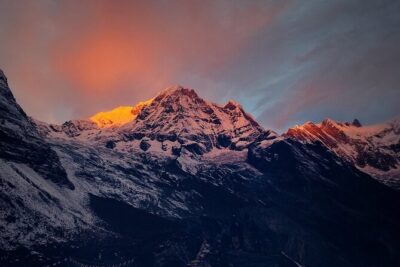
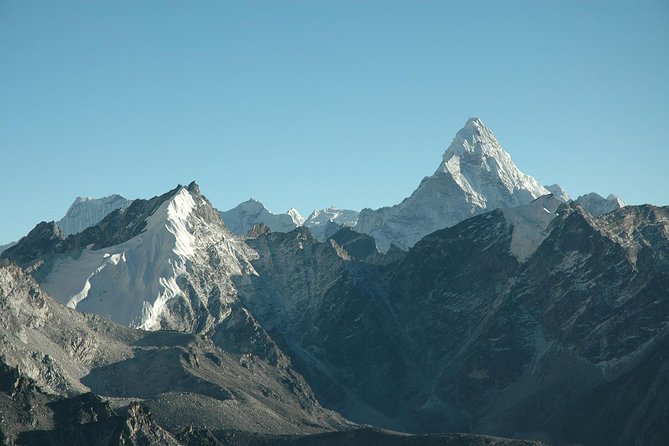
The best thing about this trek is the route itself: you reach Gokyo Lake and Everest Base Camp in one long Himalayan journey, crossing the high Cho La Pass instead of following the usual out-and-back trail. I like the variety, from Namche Bazaar and Tengboche to glacial lakes, high passes, and the stark valleys near Gorak Shep. I also like that meals, permits, porters, guides, and trekking lodges are included.
The main caution is altitude. You climb as high as 5,550 meters at Kala Patthar, or 5,420 meters on Cho La Pass, and several days are physically demanding. The schedule is listed as 17 days, though the advertised duration can range from 14 to 19 days, and the plan should be checked carefully to confirm whether your morning goal is Everest Base Camp or Kala Patthar.
Key points to know before booking
- Gokyo and Everest in one trek: You see the sacred Gokyo lakes, climb Gokyo Ri, cross Cho La, and continue toward Everest Base Camp.
- High-altitude route: Cho La Pass reaches 5,420 meters, while Kala Patthar can reach 5,550 meters.
- Acclimatization is built in: You spend a rest day in Namche Bazaar before climbing higher.
- Guides and porter support included: Guides such as Pemba and Pasang have led this route, with one Sherpa porter assigned for every two people.
- Strong package value: The $1,480 price includes Kathmandu transfers, city hotel nights, trekking lodges, meals on trek, permits, guide and porter costs, and basic gear if needed.
- A demanding trip, not a casual walk: Expect long days, basic lodges, cold conditions, and a moderate fitness requirement.
Why the Gokyo and Cho La route is worth the effort
The standard Everest Base Camp route is already a serious trek. This version adds Gokyo Lake and Cho La Pass, giving you a wider view of the Khumbu region and a better sense of how its valleys connect.
I like the route because it does not simply march up one valley and return the same way. You approach Everest from the Gokyo side, pass through high settlements, cross Cho La, and then join the trail toward Lobuche and Gorak Shep. The result is more varied, but also more tiring.
Gokyo Lake is one of the trip’s major rewards. It sits at about 4,760 meters, where the air is thin and the surrounding peaks feel close. The next day includes a climb to Gokyo Ri before the trek continues to Thagnak. That early climb gives you a high viewpoint before the route turns toward Cho La.
The pass is the serious middle test. At 5,420 meters, Cho La is the highest point on the scheduled crossing. The route then drops toward Dzonglha and Lobuche, where the terrain becomes more severe and the nights colder. If you want the fullest version of the Everest region, this route offers more than a direct Base Camp trek. If you want a gentler first Himalayan trek, it may be too ambitious.
Other Kathmandu days worth booking alongside this:
- Everest Base Camp Trek – 14 Days
★ 5.0 · 1,499 reviews - Private Kathmandu Sightseeing Tour | UNESCO World Heritage sites
★ 5.0 · 756 reviews - Everest Base Camp Helicopter Tour landing at Everest View Hotel
★ 5.0 · 668 reviews
Kathmandu, Lukla, and the first steps to Phakding
Your trip begins in Kathmandu with airport pickup and transfer to a three-star hotel. A breakfast-based city stay is included, along with transportation by air-conditioned car or tourist deluxe bus during the trip.
The mountain portion starts with the flight to Lukla. From Lukla, you trek to Phakding at 2,620 meters. This first walking day is relatively short compared with what follows, which gives you time to adjust to the rhythm of trekking and to the basic lodge routine.
Meals on the trekking days include breakfast, lunch, and dinner, with tea or coffee. Kathmandu meals beyond the included breakfast are not covered, so you should budget separately for city lunches, dinners, drinks, and personal purchases.
The route from Lukla to Phakding is not the dramatic high point of the trip, but it is an important transition. You leave city travel behind, meet the trekking staff, and begin gaining altitude in measured steps.
Namche Bazaar and the most useful rest day
Day three takes you to Namche Bazaar at 3,420 meters. The climb is a major step up from Phakding, and the six-hour walking estimate gives you a sense of the pace. Namche is the region’s main trading and service center, though this is still a remote mountain settlement, not a city hotel stop.
Day four is set aside for acclimatization, exploration, and rest. I consider this one of the most valuable parts of the schedule. You need time at altitude before heading toward Dole, Machhermo, and Gokyo, and a rest day here can make the later high passes more manageable.
Use the day for a gentle outing and time at the lodge rather than treating it as a chance to tire yourself out. The plan does not promise a particular excursion, so your guide will determine how the day is handled.
The trek’s maximum group size is 18 people. That is not a private trip, but it is small enough for the guide to keep the group together more easily than on a large coach-style tour. Ask at booking how many people are expected in your departure group.
Dole, Machhermo, and the road to Gokyo Lake
After Namche, the route moves to Dole at 4,110 meters. The walking estimate is about six hours, and the altitude gain is more important than the clock. You are now climbing above the tree line and entering a colder, more exposed part of the Khumbu.
The next stop is Machhermo at 4,410 meters. This day is estimated at three to five hours, making it shorter on paper, but the altitude can make even a modest distance feel slow. You should keep your pace easy and tell your guide if you feel unwell.
Day seven brings you to Gokyo at 4,760 meters. This is one of the most memorable stops on the route. The sacred waters of Gokyo Lake give the trip a distinct character, and the village provides a base for the high viewpoint on the following day.
At these elevations, accommodation is practical rather than luxurious. The package includes trekking lodge accommodation, but the information does not promise private rooms or en suite facilities. Expect basic mountain lodging and shared twin accommodation where specified. A sleeping bag and down jacket can be provided if needed, which matters as nights become colder.
One useful detail comes from the equipment option: a sleeping bag rental can make a real difference. One person used a rented bag for a night at Ama Dablam Base Camp and described the experience as especially memorable. The trip does not list Ama Dablam Base Camp as a scheduled stop, so do not assume that side trip is included, but the example shows why taking the sleeping bag option seriously is wise.
Same mountains, a completely different kind of day:
- Half day cooking class in Thamel kathmandu
★ 5.0 · 607 reviews - Everest Base Camp Trekking
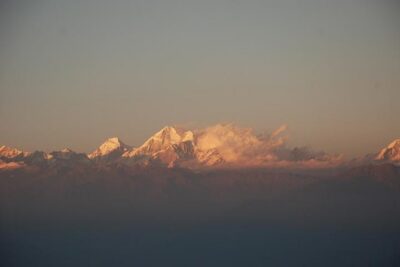
★ 5.0 · 485 reviews - Nagarkot Sunrise View and Day Hiking from Kathmandu
★ 5.0 · 471 reviews - Kathmandu: Full Day 7 UNESCO Tour with Lunch – Private/Group
★ 5.0 · 415 reviews
Gokyo Ri, Thagnak, and Cho La Pass
Day eight begins with a hike to Gokyo Ri, followed by a trek to Thagnak at 4,678 meters. This is a demanding day because you gain height for the viewpoint and then continue walking. The listed elevation for Thagnak is slightly lower than Gokyo, but the total effort remains significant.
The next stage is Cho La Pass. You trek from the high valley to Dzonglha at 4,840 meters, crossing the pass at 5,420 meters. This is the route’s most technical and strenuous section, and the information supplied does not describe the surface, equipment, or weather conditions in detail. You should ask the operator for current route advice before departure.
The pass is the main reason to choose this version of the Everest trek instead of a simpler Base Camp route. You get a crossing that links two major valleys and breaks up the ascent with a true high-mountain challenge.
It is also the main reason to think carefully before booking. A moderate fitness level is required, but that phrase is broad. A person who regularly hikes at sea level may still find Cho La and the later high-altitude days very hard. You should be comfortable with long walking days, steep climbs, cold conditions, and basic accommodation.
Lobuche, Gorak Shep, and the Everest goal
After Dzonglha, you continue to Lobuche at 4,940 meters. The village is close to the final approach, and the air is now very thin. Your walking pace may slow sharply, which is normal at this height.
Day 11 takes you to Gorak Shep at 5,147 meters. This is the highest overnight settlement on the main route and a demanding place to sleep. The schedule allows a night here before the final morning hike.
Day 12 is important because the wording gives two possible goals: Everest Base Camp at 5,365 meters or Kala Patthar at 5,550 meters. These are not identical experiences. Everest Base Camp gives you the famous destination itself, while Kala Patthar is the higher viewpoint and is often chosen for broad mountain views.
Because the plan says either, ask before paying what your departure includes. If reaching Everest Base Camp is your main purpose, you should have that confirmed in writing. If Kala Patthar is the goal, ask whether Base Camp is also visited or whether the guide chooses one based on weather, time, and group condition.
After the morning hike, you descend to Pheriche at 3,950 meters. That drop is welcome after sleeping above 5,000 meters. It also makes this a long and tiring day, combining a high-altitude morning objective with a substantial descent.
Tengboche, Monjo, and the return to Lukla
The route continues to Tengboche at 3,860 meters. The village is known for Khumbu’s largest monastery, one of the cultural highlights named in the trip description. After the stark high valleys, this return toward the lower part of the route changes the mood of the trek.
You then continue to Monjo at 2,635 meters, followed by Lukla at 2,840 meters. These days retrace the general route toward the airport, but the descent gives your legs a different challenge from the earlier climb.
The final mountain day ends in Lukla before the flight back to Kathmandu on day 16. Mountain flights can be sensitive to conditions, but no specific contingency day is listed in the schedule. I would ask how the company handles a delayed flight and whether extra accommodation or transport costs would be your responsibility.
Day 17 is set aside for departure. Airport pickup and departure assistance are included, along with a farewell dinner and one cultural show during the wider trip. The exact timing of those city activities is not specified, so treat them as included features rather than fixed events on a particular evening.
What the $1,480 price covers
At $1,480 per person, the package offers solid value for a supported high-altitude trek. You are not paying only for a guide and a route plan. The price includes:
- Airport pickup and departure
- Transportation in Kathmandu and during the trip
- Three-star city hotel accommodation with breakfast
- Trekking lodge accommodation
- Breakfast, lunch, and dinner during the trek
- Tea or coffee with trekking meals
- Trekking permits and the TIMS card
- Guide salary, lodging, meals, and insurance
- Porter support, with one porter for every two people
- First-aid medicine items
- Sleeping bag and down jacket if needed
- A trekking T-shirt and trip achievement certificate
- Government taxes and official expenses
- One cultural show and farewell dinner
That list removes several costs that can add up on a long trek. Permits, staff expenses, meals, transfers, and porter support are already built in, so the headline price is more useful than a low price that leaves essentials out.
You still need money for Kathmandu meals beyond breakfast, entrance fees, bar bills, personal expenses, international airfare, travel insurance, and tips for the trekking crew. Insurance is especially important for a trip that reaches more than 5,000 meters, although the supplied details do not state what type of coverage is required.
The package also includes a mobile ticket and confirmation at booking. Free cancellation is available if you cancel at least 24 hours before the experience starts. Changes or cancellations inside that window are not accepted for a refund.
Guides, porters, and the human side of the trek
The quality of a high-altitude trek depends heavily on the staff. Pemba and Pasang are named as guides associated with this route, and both are described as helpful, friendly, and effective at keeping the experience moving. The porter team is also singled out for being friendly and useful.
You should still ask for the name of your assigned guide before departure, since staff can vary by date. A good guide matters most on the acclimatization days and around Cho La, where group pace and personal condition need close attention.
Porter support is included at a ratio of one porter for two people. You are responsible for your daypack, while the porter carries the shared baggage allocation. Pack lightly and make sure you know the weight limit and baggage arrangement before leaving Kathmandu.
The company also provides first-aid medicine items, but that is not a substitute for personal medication or travel insurance. Bring what you need for known medical conditions and ask the operator for a current packing list.
Who should book this Everest trek?
I would choose this trip if you want more than the standard Everest route and are excited by the thought of Gokyo Lake and Cho La Pass. It suits hikers who want a demanding, organized journey with guides, porters, meals, permits, and lodging arranged in advance.
It is less suitable if you want a relaxed holiday, prefer comfortable hotels every night, or have limited experience with long mountain walks. The itinerary includes acclimatization, but it does not remove the basic risks and discomforts of high altitude.
You should also be comfortable with a schedule that may change. The advertised duration varies from 14 to 19 days, while the detailed plan uses 17 days. The Base Camp or Kala Patthar choice should also be clarified before booking.
Should you book the 17-day Gokyo Lake and Everest trek?
Book it if the combination of Gokyo Lake, Gokyo Ri, Cho La Pass, and Everest appeals to you more than a straightforward Base Camp route. The included staff, meals, permits, porter support, city transfers, and basic cold-weather gear make $1,480 a reasonable price for a demanding trek.
Before committing, confirm the exact duration, the final morning objective, the group size, the sleeping bag and down jacket arrangement, and the plan for delayed Lukla flights. If those details are clear and you are ready for high altitude, this is a strong choice for seeing several of the Khumbu region’s best-known places in one organized journey.
FAQ
How long does the Everest Base Camp with Gokyo Lake trek take?
The detailed schedule lasts 17 days, from arrival in Kathmandu through departure. The advertised duration is approximately 14 to 19 days, so confirm the exact dates for your departure.
What is the highest point on the trek?
Cho La Pass reaches 5,420 meters. The optional morning hike to Kala Patthar reaches about 5,550 meters, which is higher than Everest Base Camp at approximately 5,365 meters.
Are meals included during the trek?
Yes. Breakfast, lunch, and dinner are included during the trekking portion, along with tea or coffee. Extra meals in Kathmandu are not included.
Is accommodation included?
Yes. The package includes a three-star city hotel in Kathmandu with breakfast and trekking lodge accommodation during the mountain portion. Twin-sharing accommodation is specified for the city hotel.
Are a guide and porter included?
Yes. The guide’s salary, accommodation, meals, and insurance are included. One Sherpa porter is provided for every two people to carry baggage.
Can I cancel for a full refund?
You can cancel at least 24 hours before the experience start time for a full refund. Cancellations or changes made less than 24 hours before the start are not accepted for a refund.
Just added around Kathmandu
- Private Half-Day Tour of Kathmandu Durbar Square and Swayambhunath Temple★ 4.5 · 11 reviews
- Namobuddha Monastery Hiking Day Tour via Panauti from Kathmandu★ 5.0 · 15 reviews
- Private Half-Day Tour of Boudhanath and Pashupatinath Temples in Kathmandu★ 4.5 · 9 reviews
- Private Full-Day Kathmandu City Tour★ 5.0 · 9 reviews
- Private Day Tour in Kathmandu Valley Rim with Bhaktapur Sightseeing★ 5.0 · 3 reviews
- Private Half Day Budhanilkantha Tour★ 5.0 · 6 reviews
- Private Day Tour: Patan and Bhaktapur from Kathmandu★ 4.5 · 6 reviews
- Private Day Tour – Sacred Journey to Namo Buddha★ 5.0 · 5 reviews
Kathmandu Tours, compared.
Private Kathmandu Sightseeing Tour | UNESCO World Heritage sites
Read our review →
Everest Base Camp Helicopter Tour landing at Everest View Hotel
Read our review →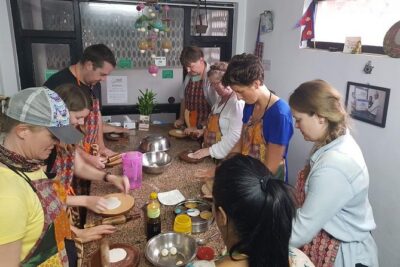
Nagarkot Sunrise View and Day Hiking from Kathmandu
Read our review →
Full Day 7 UNESCO Tour with Lunch – Private/Group
Read our review →