
Reviewed · HIKING & TREKKING
From Kathmandu: 12-Day Everest Base Camp Guided Trekking
Everest Base Camp is the headline, but the real reward comes from the steady climb through the Khumbu Valley. Over 12 days, you move from Lukla’s high mountain air to Everest Base Camp at 5,364 meters, passing suspension bridges, rhododendron forest, glacial valleys, and some of Nepal’s best-known peaks.
I like the two built-in acclimatization days, one in Namche Bazaar and one in Dingboche. I also like that the package covers the Lukla flights, permits, tea-house lodging, guide costs, and useful equipment such as a sleeping bag and duffle bag. The main catch is that meals, porter service, drinks, travel insurance, hot showers, and internet are not included, so the advertised price is not the full trip budget.
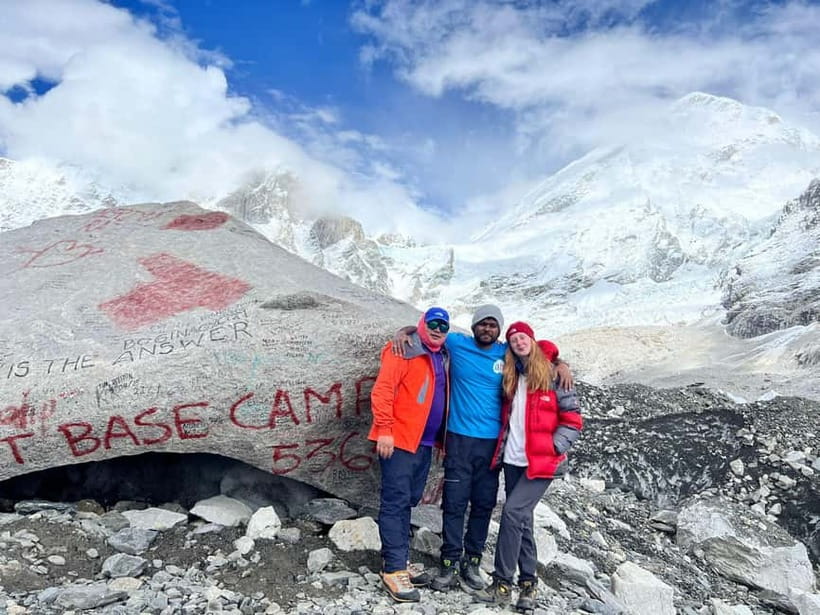
- Everest Base Camp at 5,364 meters: Reach the famous camp after passing through Gorakshep and following rocky paths beside the Khumbu Glacier.
- Two acclimatization days: Rest in Namche Bazaar and Dingboche rather than racing uphill every day.
- Small group of up to 15: You get a more personal guide experience without booking a private trek.
- Tea-house nights: Sleep in simple mountain lodges, the standard style of accommodation on this route.
- Kala Patthar at 5,545 meters: Add a higher viewpoint before descending toward Pheriche.
- Experienced local guides: Padam, Nishan, Rohan, and Adhish are among the guides connected with recent departures.
What the $1,002 price really covers
At $1,002 per person, this trek offers solid value for a guided Everest Base Camp trip, mainly because several costly and important pieces are already arranged. The price includes airport pickup in Kathmandu, domestic airport transfers, return flights between Kathmandu and Lukla, national park fees, the TIMS card, tea-house accommodation, and the guide’s salary, food, transport, insurance, and lodging.
You also get the required paperwork and government charges handled for you. A jacket, sleeping bag, and duffle bag are available if you request them, which can save you from buying or transporting some bulky gear.
The missing costs matter. You must pay for breakfast, lunch, and dinner during the trek, as well as alcoholic and non-alcoholic drinks. A porter costs extra, with one porter able to carry up to 25 kilograms for two people. Hot showers and internet also cost extra where available, and travel insurance is your responsibility.
I would treat the $1,002 as the core package price, not the complete cost of the holiday. Still, including both Lukla flights and the guide’s expenses makes it a fair starting point. The small group limit of 15 is also useful: you get organized support without the price of a fully private itinerary.
Day 1: Kathmandu to Lukla, then Phakding
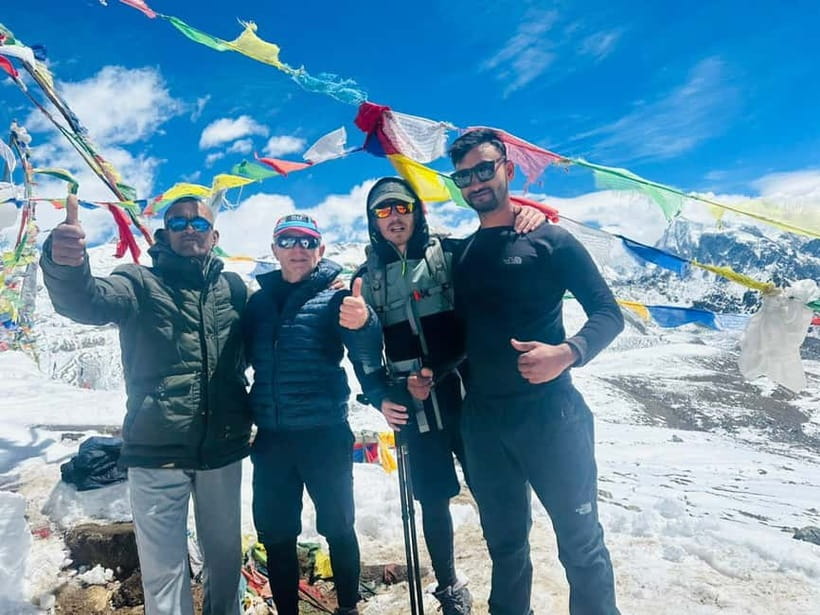
The trip begins with hotel pickup in Kathmandu, Bhaktapur, or Lalitpur. You then transfer to Tribhuvan International Airport for an early flight to Lukla.
The flight is a key part of the experience, since Lukla is the gateway to the Everest region. After landing, you are transferred to the trailhead and begin walking toward Phakding. This first day is relatively short compared with later sections, giving you a gentler start after the airport transfer.
You spend the night in a tea-house lodge in Phakding. Expect simple lodging rather than hotel comfort. This is a good point to settle your packing system, check your layers, and get used to the rhythm of walking, eating, and sleeping at altitude.
A few more Kathmandu trips to weigh up
- Everest Base Camp Trek – 14 Days
★ 5.0 · 1,499 reviews - Everest Base Camp Trekking
★ 5.0 · 485 reviews - Nagarkot Sunrise View and Day Hiking from Kathmandu
★ 5.0 · 471 reviews
Day 2: Phakding to Namche Bazaar at 3,440 meters
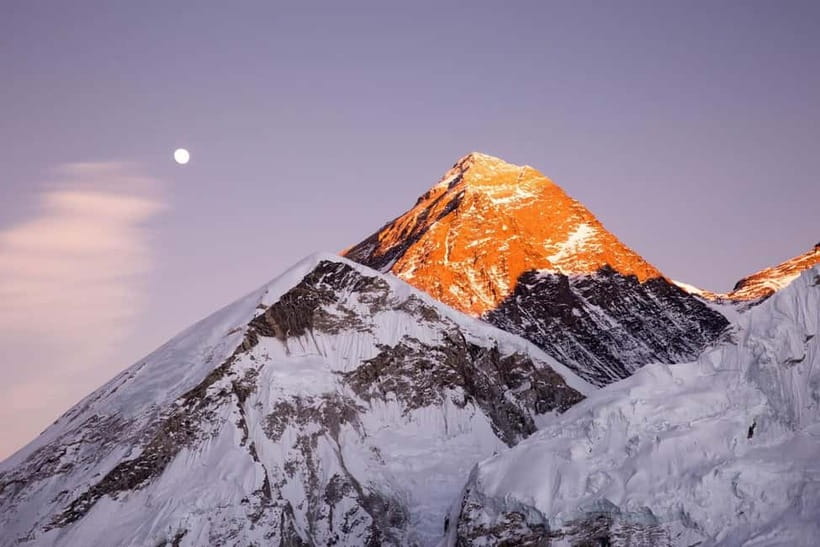
The route continues from Phakding to Namche Bazaar, the main town of the Khumbu region. The destination sits at 3,440 meters, so this is an important increase in altitude.
Namche is more than a place to sleep. It is the practical center of the trek, and your second night here is part of the plan rather than wasted time. The town gives you a chance to rest before the trail climbs higher.
You should not judge the trek by this day alone. The route becomes harder as you gain height, and the Namche overnight stay helps divide the ascent into manageable stages.
Day 3: A needed rest day in Namche Bazaar
Day 3 is set aside for acclimatization. You stay another night in Namche Bazaar instead of moving farther uphill.
That pause is one of the strongest features of this schedule. You may spend the day relaxing and getting your bearings in town, but the main purpose is to let your body adjust before the next rise in altitude. A rest day can feel frustrating when you are eager to reach Base Camp, but skipping it would make the later stages less sensible.
Your guide can also help you judge how you are handling the altitude. Recent departures have been led by guides including Padam, Nishan, Rohan, and Adhish. Padam received especially strong praise for his humor, care, and ability to keep morale up during difficult sections.
Day 4: Namche Bazaar to Tengboche at 3,867 meters
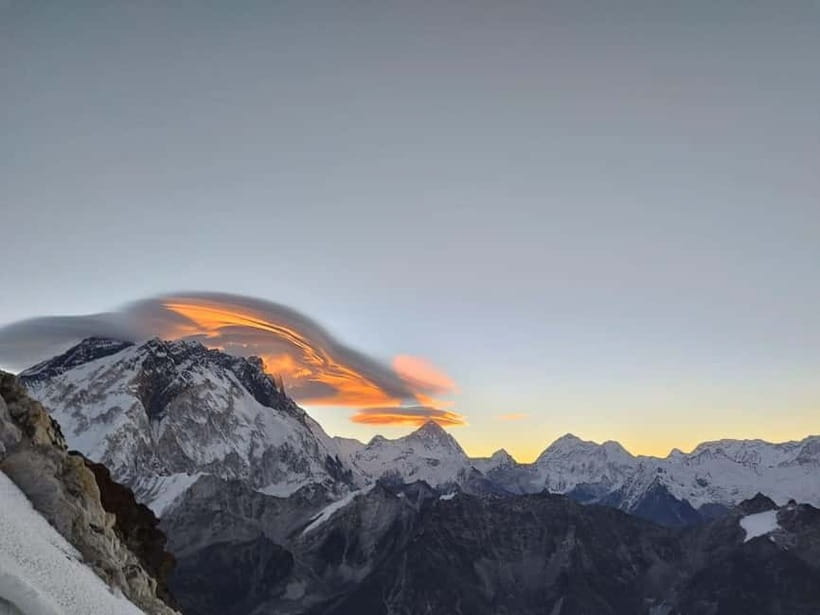
The trail leaves Namche and climbs toward Tengboche, also written as Tyangboche in the itinerary. The village sits at 3,867 meters, placing you firmly in high-altitude trekking country.
Tengboche is one of the memorable stops on the route because it brings you close to several major Himalayan peaks. The setting beneath the mountains gives this day a strong visual payoff, even though the walking still requires steady effort.
You spend the night in Tengboche. Tea-house accommodation keeps the trip practical, but you should be prepared for basic rooms and paid extras for comforts such as hot showers and internet.
Same mountains, a completely different kind of day:
- Private Kathmandu Sightseeing Tour | UNESCO World Heritage sites
★ 5.0 · 756 reviews - Everest Base Camp Helicopter Tour landing at Everest View Hotel
★ 5.0 · 668 reviews - Half day cooking class in Thamel kathmandu
★ 5.0 · 607 reviews - Kathmandu: Full Day 7 UNESCO Tour with Lunch – Private/Group
★ 5.0 · 415 reviews
Day 5: Rhododendron forest and the Imja Valley
From Tengboche, the route passes through rhododendron forest and crosses a suspension bridge over the Imja Khola. You then head toward Minlinggo before entering the Imja Valley.
This section gives the trek variety. You are not simply walking over bare rock each day. Forest, bridge crossings, valley paths, and huge mountain views all appear as the route continues upward.
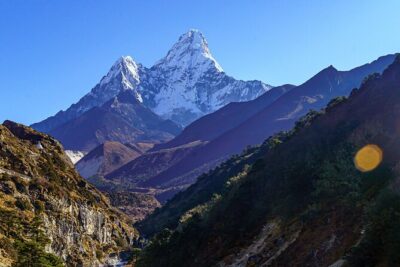
The major peaks here include Ama Dablam, Nuptse, and Lhotse. The itinerary also highlights Khumbetse and Lingtren among the famous summits visible during the wider trek. You finish in Dingboche at 4,260 meters, where the altitude becomes a serious part of the experience.
Day 6: Acclimatization in Dingboche
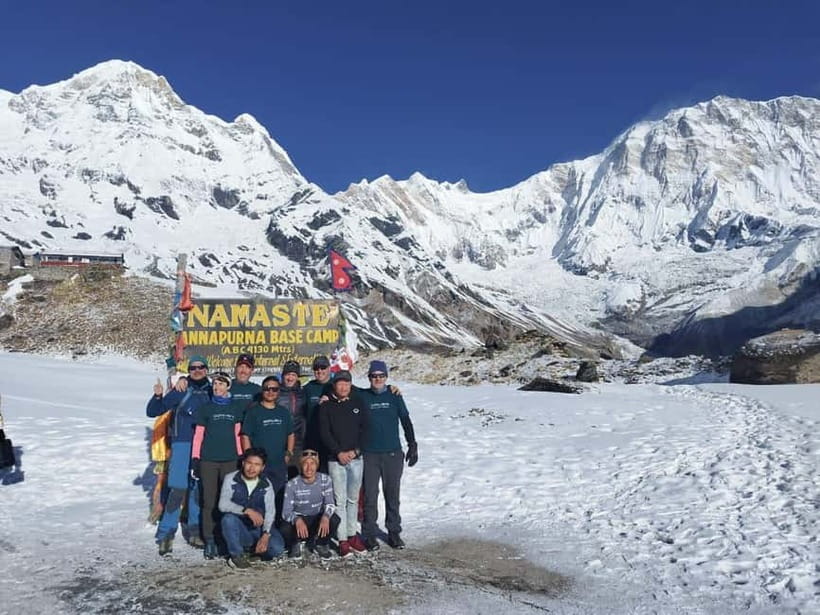
Dingboche provides the second planned acclimatization day. You stay overnight at a tea-house lodge and take a break from moving higher.
I like having this pause before Lobuche and Gorakshep. At this height, the difference between a steady schedule and an over-ambitious one matters. Use the day to rest, organize your bag, and listen closely to your guide’s advice.
The package includes the guide’s support and insurance, but it does not include your own travel insurance. You should arrange that separately, especially for a high-altitude trek and domestic flights.
Day 7: Dingboche to Lobuche at 4,930 meters
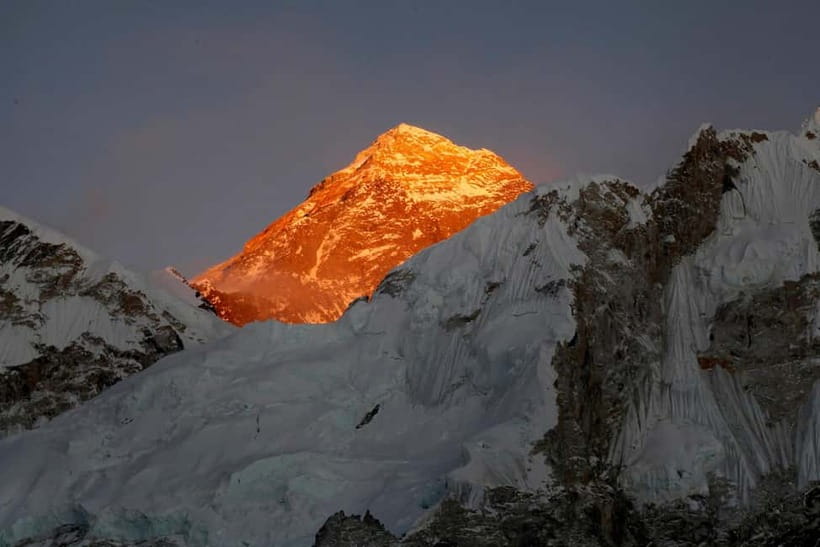
The hike from Dingboche to Lobuche takes about 5.5 hours. You stop for lunch in Dugla before continuing to Lobuche, which sits at 4,930 meters.
This is a demanding day because the altitude keeps rising and the destination is very high. The distance may not sound extreme on paper, but walking at nearly 5,000 meters is a different task from walking at sea level.
Lobuche is a staging point for the major Base Camp push. You spend the night here, and the simple tea-house setting makes rest more important than comfort. Keep your evening quiet and conserve energy for the next morning.
Day 8: Gorakshep and Everest Base Camp at 5,364 meters
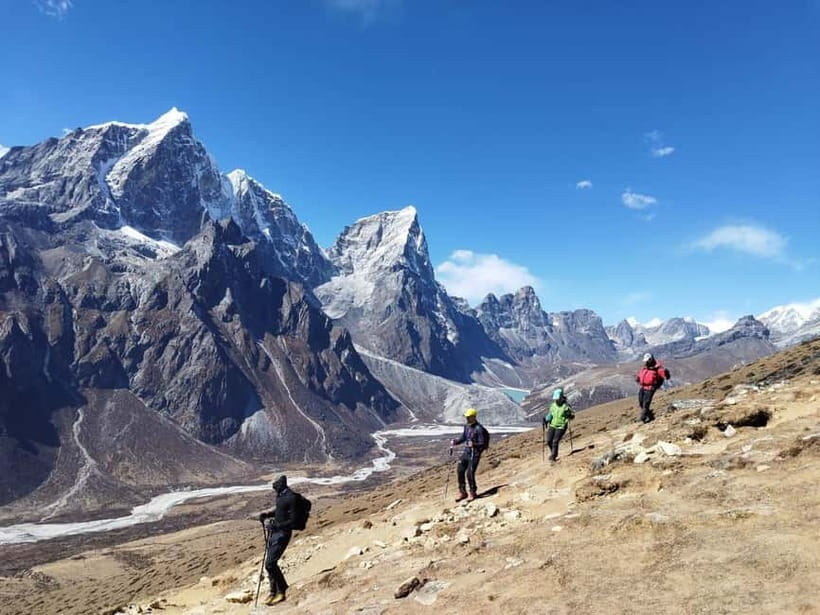
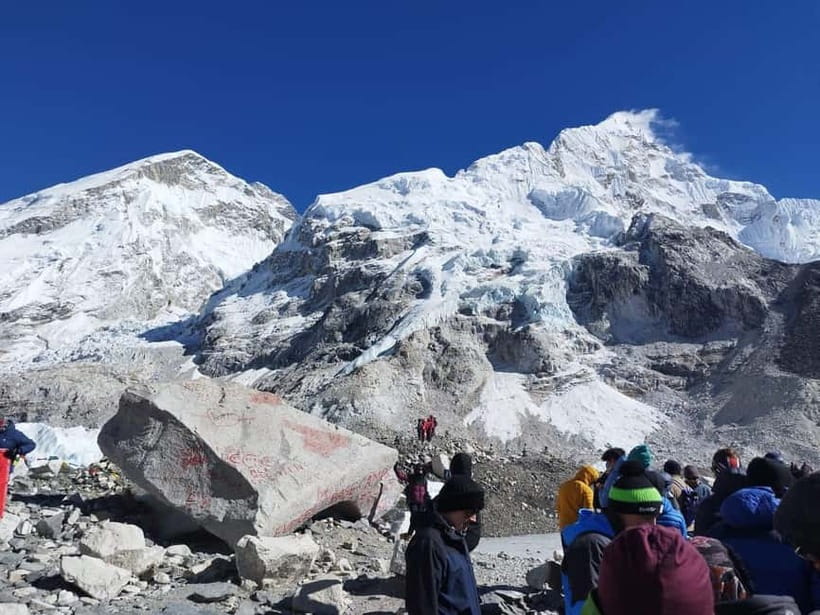
After breakfast in Lobuche, you walk toward Gorakshep and then continue to Everest Base Camp. The trail follows rocky ground with views of the Khumbu Glacier.
This is the day many people have imagined for years, but it is not an easy sightseeing stroll. The altitude, rough path, and long walking time can make the approach feel slow. Your guide’s role is especially useful here, since a steady pace matters more than trying to hurry.
Everest Base Camp sits at 5,364 meters. You visit the famous site, take in the glacier and surrounding peaks, and then return to Gorakshep for the night. The itinerary does not include a night at Base Camp itself, so keep your expectations clear: this is a visit to the camp area followed by a return to the lodge.
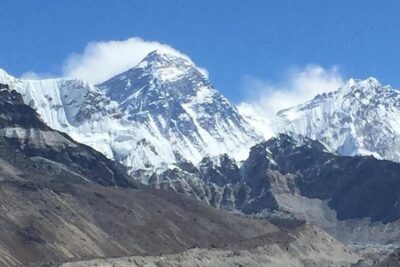
The mountains named for this route include Khumbetse, Nuptse, Lingtren, and Lhotse, along with other Himalayan peaks. The views are the main reward, but the sense of reaching this high point on foot is just as important.
Day 9: Kala Patthar at 5,545 meters, then Pheriche
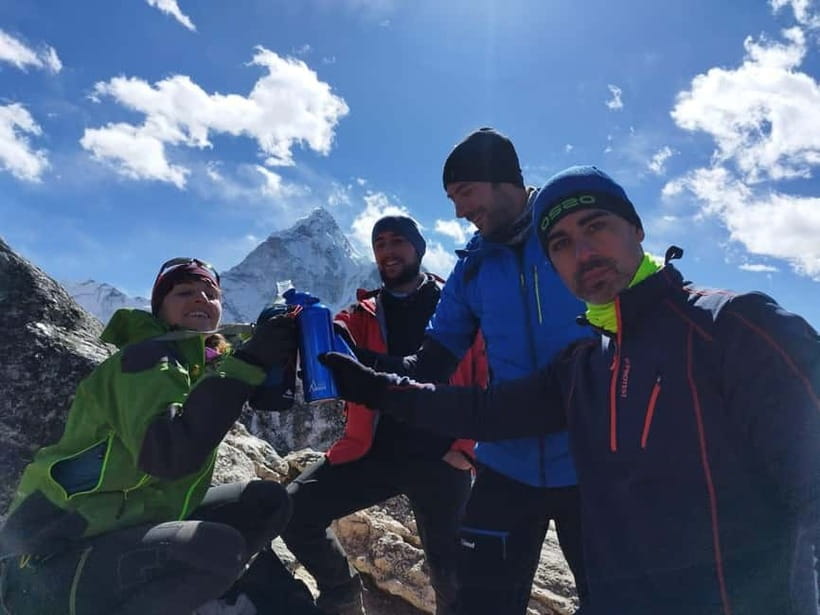
You leave Gorakshep for Kala Patthar, which reaches 5,545 meters. This is higher than Everest Base Camp and is one of the toughest points of the trek.
After Kala Patthar, you descend to Pheriche at 4,243 meters for the night. The lower altitude should feel welcome after the early climb, though the day still combines a high ascent with a long descent.
This is a good example of why the itinerary is not simply a list of scenic stops. You gain altitude slowly, reach Base Camp, climb higher for Kala Patthar, and then begin losing height. That pattern gives your body some relief while keeping the route focused on the main sights.
Day 10: The descent toward Tengboche and Namche
The schedule describes a descent from Pheriche to Tengboche at 3,867 meters, then lists Pheriche to Namche Bazaar at 3,440 meters. Read this day carefully before booking, since the wording suggests a very ambitious continuation after reaching Tengboche.
The route may be adjusted by your guide according to conditions and group needs, but the published plan does not clearly explain how the two sections fit into one day. Ask for confirmation of the exact walking plan before departure.
This is the one itinerary detail I would clarify in writing. The rest of the route is laid out in a familiar high-altitude progression, but this day deserves a practical question so you know where you will sleep and how much walking is expected.
Day 11: Namche Bazaar to Lukla
The route continues from Namche Bazaar back to Lukla. You spend your last night there before the flight to Kathmandu.
After the high valleys and major mountain views, the return walk gives you a chance to notice the route from a different direction. You also have a final night in the mountain region, rather than trying to connect directly to a flight after a long day on foot.
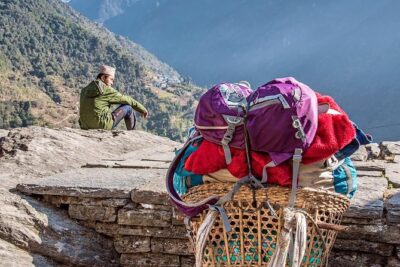
A porter is not included, so decide before the trek how much weight you want to carry. One porter can assist with up to 25 kilograms for two people at an additional cost. That can make a meaningful difference on the long ascent and descent.
Day 12: Scenic flight back to Kathmandu
You take an early flight from Lukla to Kathmandu, followed by a transfer to your hotel. The package includes the return domestic flight and hotel transfer.
Weather can affect flights in the region. One recent departure changed from a plane to a helicopter because of weather conditions, and the transfer was handled professionally. That detail is worth noting, but you should not treat a helicopter as a standard part of the package. It was a response to the conditions on that departure.
You spend the night in Kathmandu, giving the 12-day schedule a clear finish rather than ending immediately at the airport.
Guides, group size, and the human side of the trek
The group is limited to 15 people and the guiding language is English. That size should give you access to the guide without making the walk feel like a large procession.
The most praised part of the guiding service is personal care. Padam was described as funny, helpful, positive, and reassuring during hard moments. Nishan was noted for adjusting the trek to suit the individual, while Rohan and porter Bahla received strong praise for experience and reliability. Adhish was credited with making the trip fun.
Those details matter more than polished promises. On a high-altitude trek, a guide who keeps you calm, notices when you need a slower pace, and explains what is happening can shape the whole experience.
What to pack and what not to expect
You only need to show a passport for the listed activity requirement, but your personal trekking gear still matters. The operator can provide a jacket, sleeping bag, and duffle bag if requested, so confirm availability before relying on those items.
Large bags are not allowed. Pack for a trek, not a standard hotel holiday. Since meals are not included, you will also need a budget for food and drinks throughout the route.
Plan for paid extras. Hot showers and internet are excluded, and alcoholic and non-alcoholic drinks are separate. Tea-house lodging is included, but it does not mean every comfort inside the lodge is free.
The trek is not suitable for pregnant women, people with heart problems, or wheelchair users. The route includes high altitude, rocky paths, suspension bridges, and long walking days, so you should take the suitability restrictions seriously.
Who should book this Everest trek?
I would choose this trip if you want a guided route with a fixed schedule, included Lukla flights, tea-house accommodation, and two acclimatization days. It suits people who value support and logistics more than complete independence.
It is also a good fit if you want a small group but do not need a private guide. The 15-person limit keeps the experience manageable, while the named guides and porter option give you ways to arrange more personal help.
I would pause before booking if you want comfortable accommodation, included meals, or a light walking holiday. The nights can be tough, especially in December, and the combination of altitude and long days is real. You should also clarify Day 10 and ask for the current porter cost before paying.
Should you book it?
Book this trek if reaching Everest Base Camp matters more to you than creature comforts and you want a guide-led plan with the major permits, flights, and tea-house stays arranged. The strongest reasons are the sensible acclimatization breaks, the small group size, and the consistently praised support from guides such as Padam and Nishan.
Do not book it on price alone. Add meals, drinks, porter service, insurance, and personal gear to your budget. If you are comfortable with those extras and can handle basic lodges plus high-altitude walking, this is a practical way to reach Base Camp without arranging every detail yourself.
FAQ
How long is the Everest Base Camp trek?
The experience lasts 12 days, including the flights from Kathmandu to Lukla and back, the trek, and the final night in Kathmandu.
What is the price per person?
The listed price is $1,002 per person.
Are flights between Kathmandu and Lukla included?
Yes. The package includes return domestic flights between Kathmandu and Lukla, along with domestic airport pickup and drop-off.
Are meals included during the trek?
No. Breakfast, lunch, and dinner are not included. Alcoholic and non-alcoholic drinks are also separate.
Is a porter included?
No. Porter service costs extra. One porter can assist with up to 25 kilograms for two people.
Where do I sleep during the trek?
Accommodation is provided in tea houses and lodges along the route. The itinerary includes nights in Phakding, Namche Bazaar, Tengboche, Dingboche, Lobuche, Gorakshep, Pheriche, and Lukla.
What language does the guide speak?
The live guide service is provided in English.
Is this a private tour?
No. It is a small-group trek limited to 15 participants.
Can I cancel the booking?
You can cancel up to 24 hours in advance for a full refund. The trip also offers a reserve-now-and-pay-later option.
Just added around Kathmandu
- Private Half-Day Tour of Boudhanath and Pashupatinath Temples in Kathmandu★ 4.5 · 9 reviews
- Private Half-Day Tour of Kathmandu Durbar Square and Swayambhunath Temple★ 4.5 · 11 reviews
- Namobuddha Monastery Hiking Day Tour via Panauti from Kathmandu★ 5.0 · 15 reviews
- Private Full-Day Kathmandu City Tour★ 5.0 · 9 reviews
- Private Day Tour in Kathmandu Valley Rim with Bhaktapur Sightseeing★ 5.0 · 3 reviews
- Private Half Day Budhanilkantha Tour★ 5.0 · 6 reviews
- Private Day Tour: Patan and Bhaktapur from Kathmandu★ 4.5 · 6 reviews
- Private Day Tour – Sacred Journey to Namo Buddha★ 5.0 · 5 reviews
Hiking & Trekking, compared.
Nagarkot Sunrise View and Day Hiking from Kathmandu
Read our review →
Browse the lists this tour appears in