Reviewed · TOURS
10 Days Nepal Adventure Tour from Kathmandu
Kathmandu temples, a jungle safari, whitewater rafting, and a short Himalayan trek make this 10-day Nepal adventure unusually varied. You move from crowded shrines and old royal squares to the quiet Gurung village of Ghandruk, with Chitwan and Pokhara filling the gap between them.
I like the mix of active days and cultural stops, and I like that the small group is limited to 12 people. Guides and drivers have earned strong praise for kindness, care, and local insight, with guides such as Pramod Pangeni and Dharma singled out for their steady support. The tradeoff is a busy schedule, plus long road journeys that can take 5 to 8 hours on rough or widening roads.
Key things to know before booking
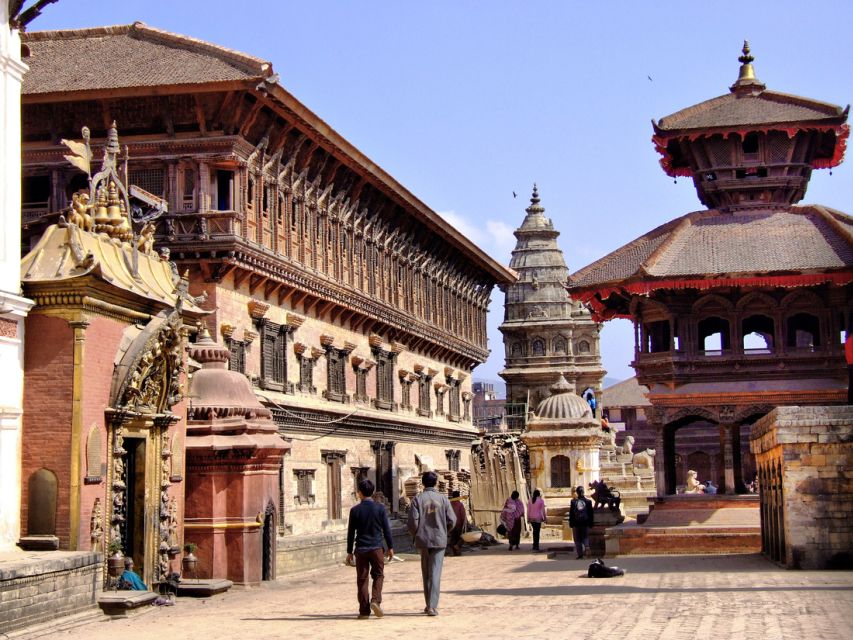
- Kathmandu begins the trip with four major UNESCO-listed sites, including Bhaktapur Durbar Square, Pashupatinath, Boudhanath, and Swoyambhunath.
- The itinerary covers three very different parts of Nepal: the Kathmandu Valley, the lowland forests of Chitwan, and the Himalayan foothills near Pokhara.
- Rafting on the Trishuli River is built into the transfer day, so you get an adventure without losing a full day to a separate excursion.
- The Ghandruk trek lasts two nights, with walks through forests, villages, and mountain country rather than a high-altitude expedition.
- Chitwan includes several wildlife activities, such as canoeing, birding, jungle safari, and elephant bathing.
- The $1,080 price covers transport, guides, permits, and many stays, but you still need to budget for some meals, sightseeing entry fees, drinks, insurance, gear, and tips.
Why this route works for a first Nepal trip
This tour gives you a broad look at Nepal without asking you to commit to a long, demanding trek. In ten days, you see religious sites, traditional neighborhoods, subtropical wildlife country, lakeside Pokhara, and the mountain villages of the Annapurna Conservation Area.
That variety is the main reason I like the plan. A trip focused only on Kathmandu can feel urban and intense. A trek-only trip may leave you with little time for wildlife or local culture. Here, each region changes the pace and the setting.
The schedule is not slow. You change hotels often, spend long hours on the road, and have several early or active days. Still, the route has a clear logic: culture first, then rafting and wildlife, followed by Pokhara and the mountains. It is a good introduction if you want to sample Nepal before deciding on a longer trek.
The small-group setup matters. With a maximum of 12 people, transfers and walks should be easier to manage than on a large coach tour. The company supplies both a general tour guide and a trekking guide, and the strong feedback about guides suggests that personal attention is one of the better reasons to choose this package.
Other Kathmandu days worth booking alongside this:
- Everest Base Camp Trek – 14 Days
★ 5.0 · 1,499 reviews - Private Kathmandu Sightseeing Tour | UNESCO World Heritage sites
★ 5.0 · 756 reviews - Everest Base Camp Helicopter Tour landing at Everest View Hotel
★ 5.0 · 668 reviews
Days 1 and 2: Kathmandu temples and old royal cities
Your arrival day is simple. A representative meets you at Kathmandu Airport, takes you to the hotel, and gives you an introduction to the trip after check-in. That airport transfer is useful after a long flight, especially if this is your first time navigating Kathmandu.
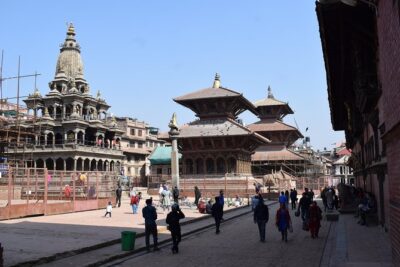
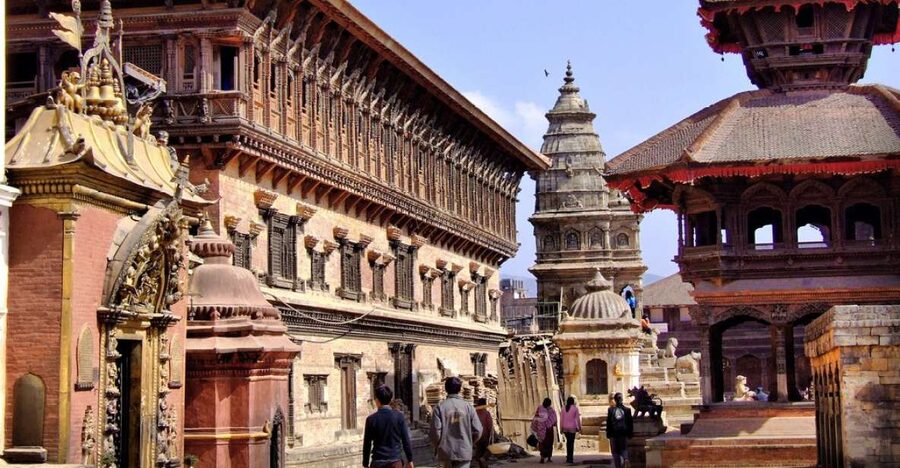
Day 2 is the cultural center of the tour. You visit Bhaktapur Durbar Square, Pashupatinath Temple, Boudhanath Stupa, and Swoyambhunath. These places show different sides of Nepal’s Hindu and Buddhist traditions.
Bhaktapur is especially valuable because it gives you a sense of the Kathmandu Valley’s old royal centers, with courtyards, temples, and carved details. Pashupatinath is one of the major Hindu pilgrimage sites in Nepal. At Boudhanath, the large stupa and surrounding Buddhist setting bring a different rhythm, while Swoyambhunath offers another important religious site and broad city views.
The quality of guiding makes a real difference here. One criticism of the experience was that some guides gave too little information at certain sites, and one guide had limited English. If cultural context is important to you, ask for clear explanations and confirm which guide will lead each visit.
There was also an unhappy experience with pressure to visit shops and buy objects. That is worth keeping in mind. A good guide should explain the site first and let you decide how to spend your money. If shopping stops appear, you can politely state that you prefer more time at the monuments.
Kathmandu’s entrance fees are not included, so carry funds for site admissions. Lunch and dinner in the capital are also your responsibility. That gives you freedom to choose Nepalese food, but it means the advertised price is not an all-in budget.
Day 3: Trishuli rafting on the road to Chitwan
The journey to Chitwan takes roughly 5 to 7 hours, but rafting breaks up the long transfer. You raft on the Trishuli River as you travel south from Kathmandu toward the lowlands.
This is a sensible way to add whitewater to the trip. You do not need to surrender another day for a stand-alone rafting trip, and the river outing gives the travel day a clear point of excitement. The tour information does not specify the rapid level or length of the rafting section, so ask the operator for current river conditions and the exact plan before departure.
Road conditions are part of the adventure, though not always the fun kind. The Kathmandu to Chitwan route has construction and bumpy stretches around Malekhu and Benighat, while much of the remaining road is smoother. All routes are described as passable, but you should expect dust, delays, and a long day in the vehicle.
After arriving in Chitwan, the evening includes a cultural display by the Tharu people. This is an important counterpoint to the wildlife activities that follow. You get a look at local music and dance rather than treating Chitwan as only a safari stop.
Day 4: Chitwan by canoe, safari, and on foot
Chitwan National Park is the tour’s best chance to see Nepal’s lowland wildlife. The full day includes jungle safari activities, canoeing, birding, and elephant bathing.
The mix is better than relying on one safari ride. Canoeing changes your view of the park and can be especially useful for spotting birds along the water. Birding gives the day a slower side, while the jungle safari provides the main wildlife search. Elephant bathing is included in the plan, though you may want to ask how that activity is conducted and what standards the lodge follows.
Wildlife sightings can never be guaranteed. The value here is the range of habitats and activities, not a promise of one particular animal. One especially good guide was praised for spotting many kinds of animals, which points to the practical value of a local naturalist who knows where to look.
You stay two nights in Chitwan, with three meals included at the national park accommodation. That is one of the more useful inclusions because you are not constantly arranging food during the busiest part of the trip.
Same mountains, a completely different kind of day:
- Half day cooking class in Thamel kathmandu
★ 5.0 · 607 reviews - Everest Base Camp Trekking
★ 5.0 · 485 reviews - Nagarkot Sunrise View and Day Hiking from Kathmandu
★ 5.0 · 471 reviews - Kathmandu: Full Day 7 UNESCO Tour with Lunch – Private/Group
★ 5.0 · 415 reviews
Day 5: Davis Falls, Gupteshwor Cave, and Pokhara
The drive from Chitwan to Pokhara shifts the trip from jungle country to the Annapurna foothills. On the way, you visit Davis Falls, Gupteshwor Caves, and a Tibetan Refugee Camp.
Davis Falls and the nearby cave make a compact sightseeing stop. The water feature and underground setting offer a change from temples and wildlife, while the Tibetan camp adds a cultural and social dimension. The description does not promise a long visit at each place, so treat these as selected stops rather than full-day explorations.
Pokhara is a good place to slow down. The lakeside area around Phewa Lake gives you space for an evening walk, a meal, or a quiet look toward the mountains. The tour includes two nights in Pokhara, with breakfast, but not lunch or dinner. Entrance charges for sightseeing are also extra.
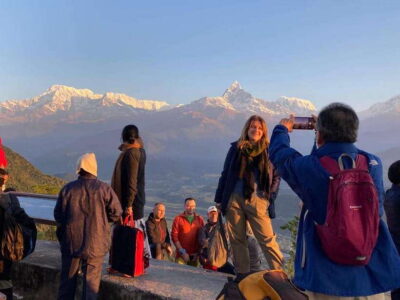
Pokhara is famous for mountain views, but visibility depends on weather. You should enjoy the setting even if clouds block the peaks. The town is also the staging point for the Ghandruk trek, so this stop has a practical purpose beyond sightseeing.
Days 6 to 8: The Ghandruk trek through Gurung country
The trek begins with a private drive to Nayapul. From there, you walk toward Ghandruk, a Gurung village in the Annapurna Conservation Area.
Ghandruk is one of the strongest parts of the route because the focus is not just on walking. You see mountain scenery, local villages, forest, and the daily life of mountain communities. The tour is designed for people who like walking but are not trained mountaineers. Previous trekking experience is not required, although running, swimming, hiking, or another basic fitness program before the trip will help.
You spend two nights in mountain lodges during the trek. The plan includes a night in Ghandruk, then a walk to Pothana on Day 7, followed by a trek to Phedi through Dhampus on Day 8. The scenery includes forests, villages, and Himalayan views, but the itinerary does not give exact walking hours, elevation gain, or trail conditions.
That missing detail is important. Ask for the daily distance, estimated walking time, altitude, and expected luggage arrangement before you book. A trekking porter is not included, and trekking gear is also your responsibility. You may need to carry your own daypack and arrange any porter separately.
The support on this section has been a major strength. Guide Dharma was praised for being energetic, checking on walking pace, and helping with a backpack when needed. That kind of attention matters more than fancy lodging on a mountain trail.
The trek is not suitable for a wheelchair user, and the tour advises a reasonable level of fitness. You do not need to be a mountaineer, but you should be comfortable walking on uneven trails for several days.
Meals during the trek are not included. This is one of the clearest cost points to plan for. The package includes two nights of mountain lodging, but you pay for the food, drinks, and any personal extras along the trail.
On Day 8, you walk from Ghandruk to Phedi via Dhampus and then return to Pokhara by private vehicle. The final lakeside evening is a welcome reward after the trail. It also gives you a chance to rest before the long return to Kathmandu.
Day 9: The long return and farewell dinner
The drive back to Kathmandu takes about 6 to 8 hours. The first part of the route has a newer, smoother road, but some sections are dusty and narrow. Near Kathmandu, widening work can add more delays.
This is not the day for a tight flight connection. Keep your plans flexible, bring water and snacks, and expect the vehicle ride to take much of the day. The mountain views can be excellent, but road travel in Nepal is measured by conditions, not by the number of miles on a map.
Back in Kathmandu, you have time for last-minute shopping in Thamel. The final evening includes a farewell dinner with Nepalese food, folk music, and dance. It is a fitting finish because the tour has treated culture as part of the trip rather than a side note.
Tips are not included. Set aside money for guides, drivers, and other staff, particularly if they provide the attentive help that several parts of this itinerary require.
What the $1,080 price really covers
At $1,080 per person, the tour offers solid value if you want one company to coordinate a complicated route. Airport transfers, hotels in Kathmandu and Pokhara, two nights in Chitwan with three meals, transport, rafting, sightseeing, trekking permits, jungle activities, and guides are included.
The price is less all-inclusive than it first appears. You still pay for:
- Lunch and dinner in Kathmandu and Pokhara
- Meals and drinks during the trek
- Kathmandu and Pokhara entrance fees
- Travel insurance
- Trekking gear and personal medical supplies
- A trekking porter
- All kinds of drinks
- Tips
The hotel locations were praised as convenient, and the accommodation was generally considered suitable and good quality. Still, this is an active route, so you should value location and reliable transport more than luxury.
Free cancellation up to 24 hours before the start and reserve-now, pay-later booking add flexibility. The tour is conducted in English, with an English audio guide included, but the quality of spoken explanations may vary between guides. The small group, local support, and broad range of included activities are the strongest parts of the price.
Who should book this Nepal adventure?
I would recommend it to a first-time visitor who wants a sampler of Nepal and prefers help with transport, hotels, permits, and activities. It suits someone who wants culture, wildlife, rafting, and a moderate mountain walk in one trip.
It is also a good fit if you like having a guide nearby but do not want a large group. The route offers plenty of structure, while the evenings in Pokhara and Kathmandu leave at least a little room to explore on your own.
I would think twice if you want a slow holiday, detailed time at every monument, or a serious trek with precise mountain statistics. The road journeys are long, the schedule moves quickly, and the itinerary does not state exact trekking distances or elevation gains.
Ask about the guide assigned to each day, the rafting conditions, the trek’s daily walking times, and the handling of shopping stops. With those points clarified, this is a strong value for seeing Nepal’s cultural center, southern wildlife country, and Himalayan foothills in a single, well-supported trip.
FAQ
How long is the Nepal Adventure Tour?
The tour lasts 10 days, beginning with arrival in Kathmandu and ending with airport transfer on Day 10.
What places are included in the route?
The route includes Kathmandu, Bhaktapur, Chitwan National Park, Pokhara, Ghandruk, Pothana, Dhampus, and Phedi.
Is rafting included?
Yes. Whitewater rafting on the Trishuli River is included on the journey from Kathmandu to Chitwan.
What activities are included in Chitwan?
The Chitwan portion includes jungle safari activities, canoeing, birding, and elephant bathing, along with a Tharu cultural display.
How difficult is the Ghandruk trek?
You do not need previous trekking experience or mountaineering ability, but you should have reasonable fitness and be comfortable walking for several days. Training through hiking, running, or swimming is suggested.
Are meals included?
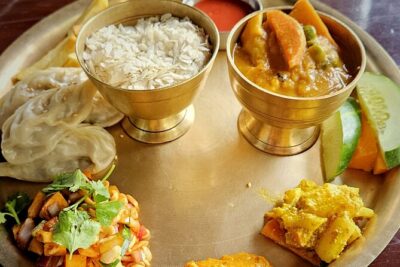
Three meals are included during the two-night Chitwan stay. Breakfast is included at the Kathmandu and Pokhara hotels. Lunch and dinner in Kathmandu and Pokhara, along with meals during the trek, are not included.
Is a trekking porter included?
No. A trekking porter is not included, and you must also arrange your own trekking gear.
What is the group size?
The tour is a small-group experience limited to 12 participants. The guiding language is English, and an English audio guide is included.
Just added around Kathmandu
- Private Half-Day Tour of Boudhanath and Pashupatinath Temples in Kathmandu★ 4.5 · 9 reviews
- Private Half-Day Tour of Kathmandu Durbar Square and Swayambhunath Temple★ 4.5 · 11 reviews
- Namobuddha Monastery Hiking Day Tour via Panauti from Kathmandu★ 5.0 · 15 reviews
- Private Half Day Budhanilkantha Tour★ 5.0 · 6 reviews
- Private Full-Day Kathmandu City Tour★ 5.0 · 9 reviews
- Private Day Tour in Kathmandu Valley Rim with Bhaktapur Sightseeing★ 5.0 · 3 reviews
- Private Day Tour: Patan and Bhaktapur from Kathmandu★ 4.5 · 6 reviews
- Private Day Tour – Sacred Journey to Namo Buddha★ 5.0 · 5 reviews
Tours, compared.
Private Kathmandu Sightseeing Tour | UNESCO World Heritage sites
Read our review →
Everest Base Camp Helicopter Tour landing at Everest View Hotel
Read our review →
Full Day 7 UNESCO Tour with Lunch – Private/Group
Read our review →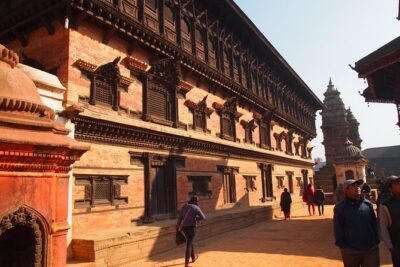
Private Bhaktapur and Nagarkot Day Tour From Kathmandu
Read our review →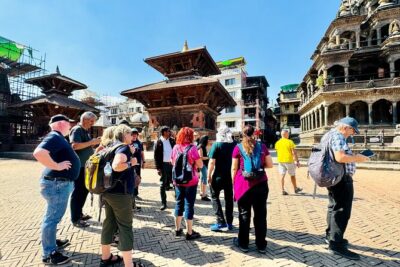
Full Day Top 4 UNESCO Tour with Lunch – Private/Group
Read our review →