
Reviewed · CITY TOURS
Kathmandu at Sunset: Explore the City on Rickshaw
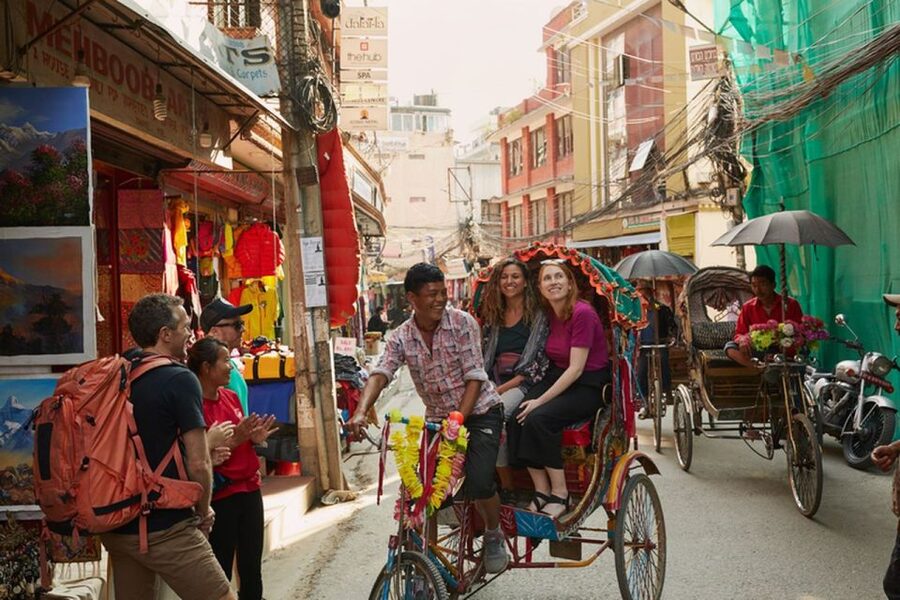
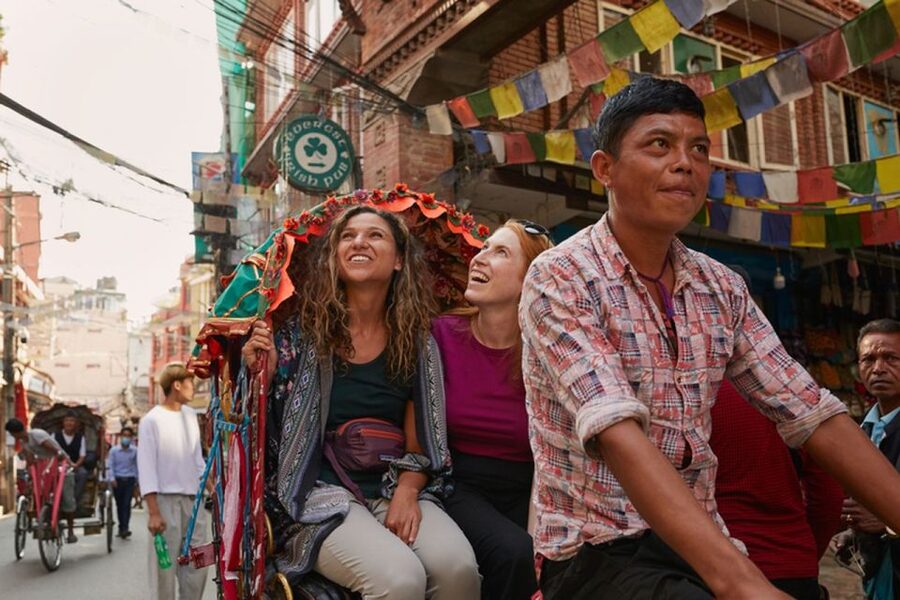
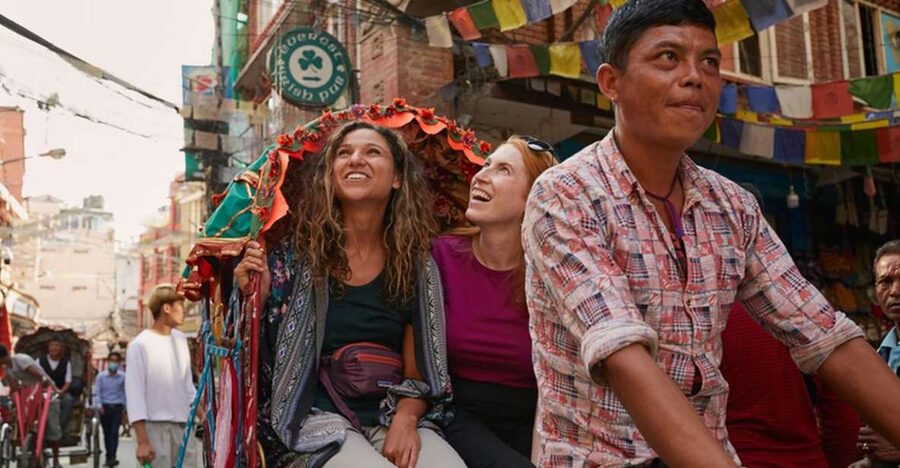
Kathmandu shows its best evening face from the seat of a rickshaw. You roll through Thamel’s backstreets, stop at a quiet Buddhist shrine, then reach Asan and Durbar Square as chai stalls, temple bells, pigeons, and evening chores fill the streets. I like the direct support this gives local rickshaw drivers, and I like that the entrance fee helps preserve Kathmandu Durbar Square.
The English-speaking guide adds useful context at the temples and market, and the small group size, capped at 12, should make questions easy. The main caution is timing: the advertised length is 2.5 to 3 hours, but one verified booking lasted only about 1.5 hours, while another lasted two.
Key points to know before booking
- A sunset rickshaw ride through Thamel: See Kathmandu from street level without making the full route on foot.
- Sigal shrine in a quiet alley: Step away from the city noise for a short visit to a Buddhist shrine.
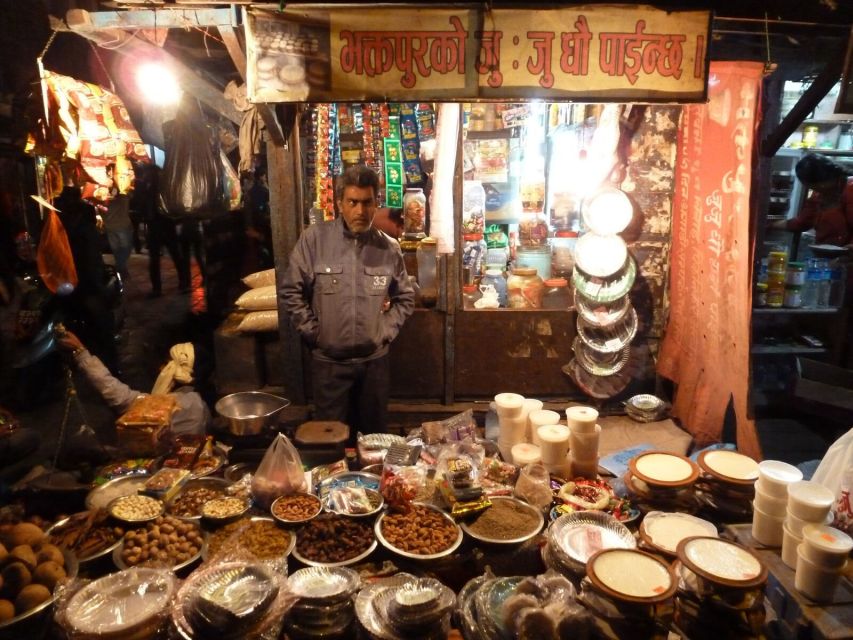
- Asan’s spice and vegetable market: Watch local trade at one of the city’s best-known market areas.
- Kathmandu Durbar Square at evening: Sit in a temple square and watch daily life unfold around a UNESCO World Heritage site.
- Small groups of up to 12: Expect more room for questions than on a large coach tour.
- A few timing questions: The official duration is 2.5 to 3 hours, but past bookings have ended sooner.
Starting at Hotel Marshyangdi in Thamel
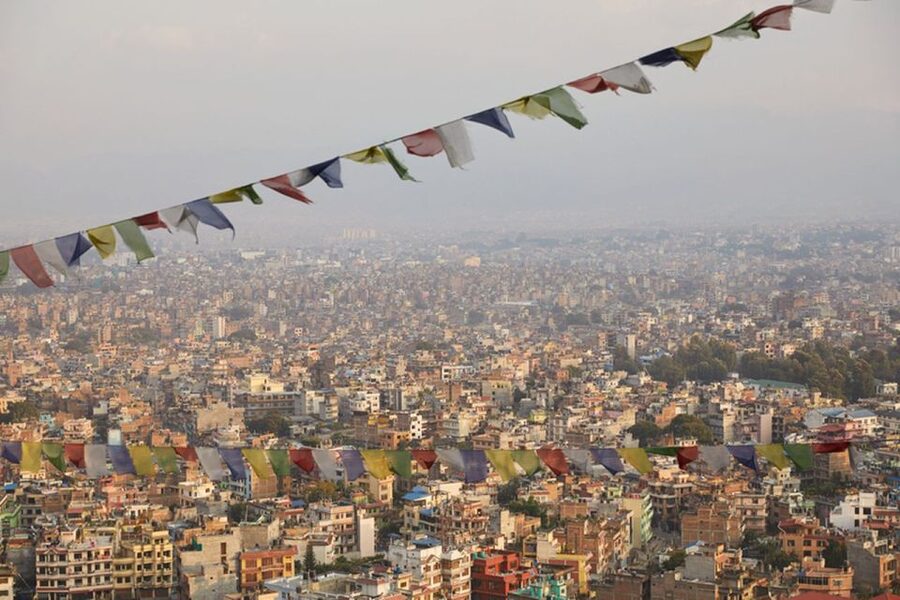
Your meeting point is Hotel Marshyangdi on Chaksibari Marg, in Kathmandu’s Thamel district. This is a handy place to begin because Thamel is already the city’s main visitor quarter, yet its side lanes quickly feel more local and less polished than the main streets.
The tour begins in the late afternoon or around sunset, depending on the available start time. That matters in Kathmandu. The fading light softens the city, while shops, shrines, market stalls, and tea stops remain active.
You should arrive ready for a mix of sitting and walking. The rickshaw covers much of the route, but you get off at Sigal, Asan, and Kathmandu Durbar Square. Comfortable shoes are useful because the experience includes temple areas, market lanes, and uneven urban streets.
The group can be private, or you can join a small group of no more than 12 people. I would choose the private option if you want to linger at a shrine or ask many questions about Hindu and Buddhist customs. The standard small group should still feel personal, especially compared with a large sightseeing bus.
A few more Kathmandu trips to weigh up
- Kathmandu Sunset Tour by Rickshaw Including Durbar Square Visit
★ 5.0 · 73 reviews - 3 Nights 4 Days Chitwan National Park with Tower Night Stay
★ 5.0 · 41 reviews - 3 night 4 Day Yoga & Ayurveda Retreat to Detox the Body & Mind, Nepal
★ 5.0 · 37 reviews
Thamel by rickshaw, with the city at street level
The first ride lasts about an hour according to the planned schedule. That is enough time to make the rickshaw itself part of the experience rather than using it only as a short transfer.
Kathmandu has replaced many traditional rickshaw routes with motorbikes and cars. This ride offers a slower way to see the city, and the rickshaws are hired directly from their drivers. Your fare therefore does more than move you from one stop to another. It gives local drivers business in a city where modern traffic has taken much of their old work.
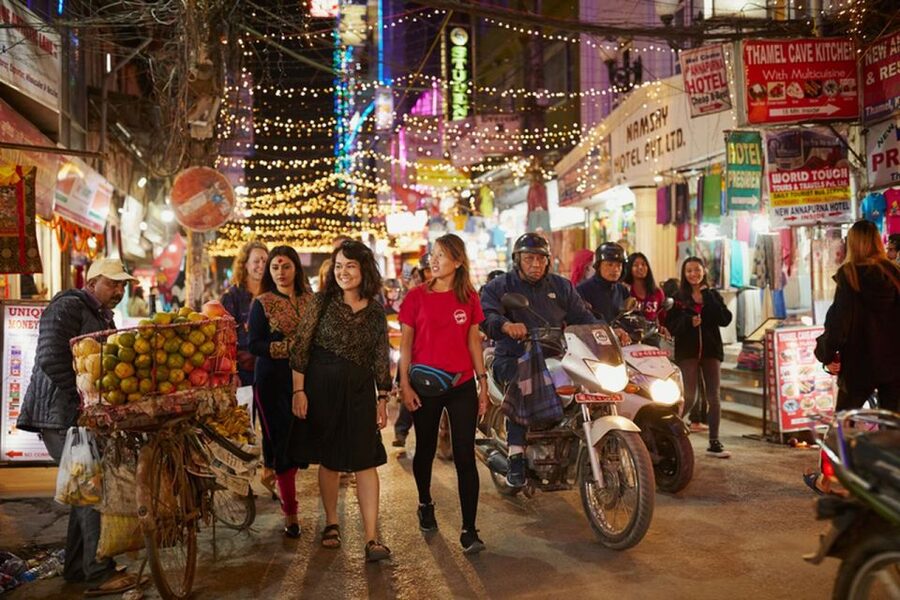
Expect a close view of the streets. You are not looking down from a tour bus or passing through town behind glass. You are near the sounds, smells, and movement of Kathmandu. The route goes through Thamel’s backstreets, where the city’s visitor center gives way to lanes used for ordinary local activity.
This is not a smooth, silent ride. Kathmandu traffic can be crowded, and a rickshaw is a simple vehicle. That is part of its appeal, but you should not book it expecting a polished sightseeing carriage or a fast point-to-point transfer.
The guide speaks English and explains the places along the route. One German customer, Christian, found the guide especially helpful when discussing the temples and market, even though that booking lasted only two hours. That is a useful clue about where this tour earns its price: the guide’s explanations matter as much as the ride itself.
Sigal shrine, a pause in the city noise
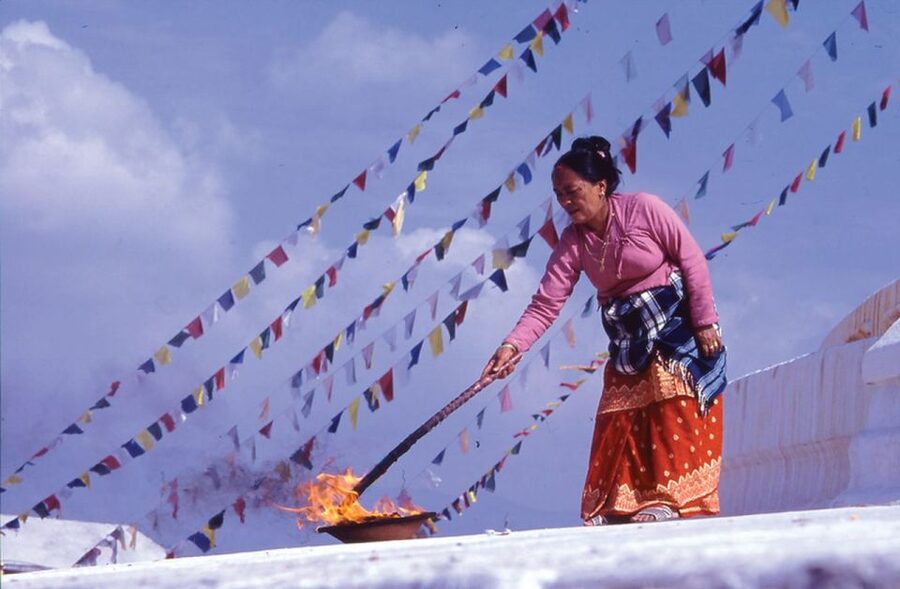
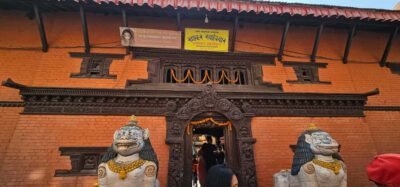
The first walk-off stop is Sigal, a Buddhist shrine tucked a few steps inside an alley. The description presents it as a calm oasis, which gives the tour a welcome change of pace after the street ride.
You do not need a long visit here to understand the point. Kathmandu often rewards you with small sacred spaces hidden just beyond a busy lane. A short turn into an alley can bring you from traffic and shopfronts to a shrine used for quiet prayer.
The stop is included, with no separate shrine fee listed. Your guide can give the visit meaning by explaining what you are seeing and how the shrine fits into the surrounding neighborhood. The information provided does not name the guide, so you should not expect a particular person by name when booking.
This stop may be brief. Sigal is not presented as a large monument or a long guided visit. Think of it as a compact cultural pause that helps you notice how religious places sit within Kathmandu’s ordinary streets.
Asan market, where spices and daily life meet
The route continues toward Asan, one of the most active traditional market areas in central Kathmandu. The stop lasts about an hour in the planned schedule, making it one of the tour’s main visits rather than a quick photo stop.
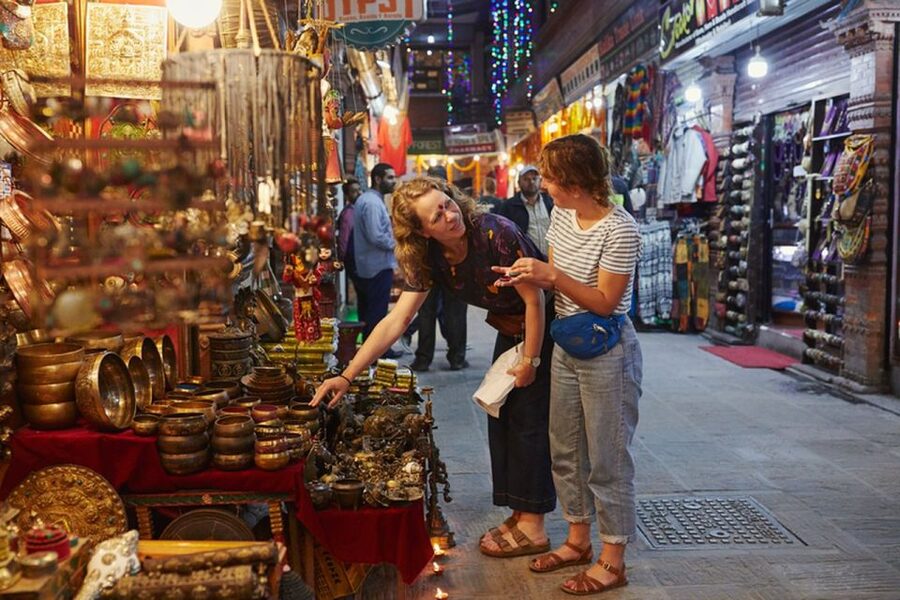
Asan is known for vegetables and spices, with Annapurna Temple overlooking the market. The combination gives you two ways to read the neighborhood. You see the practical side of Kathmandu, with produce and spices moving through the market, and the religious side, with the temple shaping the space around it.
I like this part of the tour because it gives you something more useful than a monument list. You can watch how a market works, notice what people buy, and see how a temple remains part of the scene instead of being separated from daily life.
The guide’s role is important here. A market can seem like a blur of stalls if you do not know what you are looking at. English explanations about the spices, vegetables, temple, and local routines can turn a short walk into a clearer picture of Kathmandu.
Food and drinks are not included. That means any chai, snacks, or market purchases are your responsibility. The schedule specifically mentions locals sipping hot chai, but it does not promise a tasting or include one in the price. If you want to buy something, ask the guide about the timing rather than assuming there will be a formal food stop.
Asan can also be the most crowded and active part of the outing. Keep your belongings secure and stay close enough to hear the guide. The compact group size helps, but a busy market can still split a group if everyone stops at once.
Same mountains, a completely different kind of day:
- Everest Base Camp Trek – 14 Days
★ 5.0 · 1,499 reviews - Private Kathmandu Sightseeing Tour | UNESCO World Heritage sites
★ 5.0 · 756 reviews - Everest Base Camp Helicopter Tour landing at Everest View Hotel
★ 5.0 · 668 reviews - Half day cooking class in Thamel kathmandu
★ 5.0 · 607 reviews
Sitting in Kathmandu Durbar Square at sunset
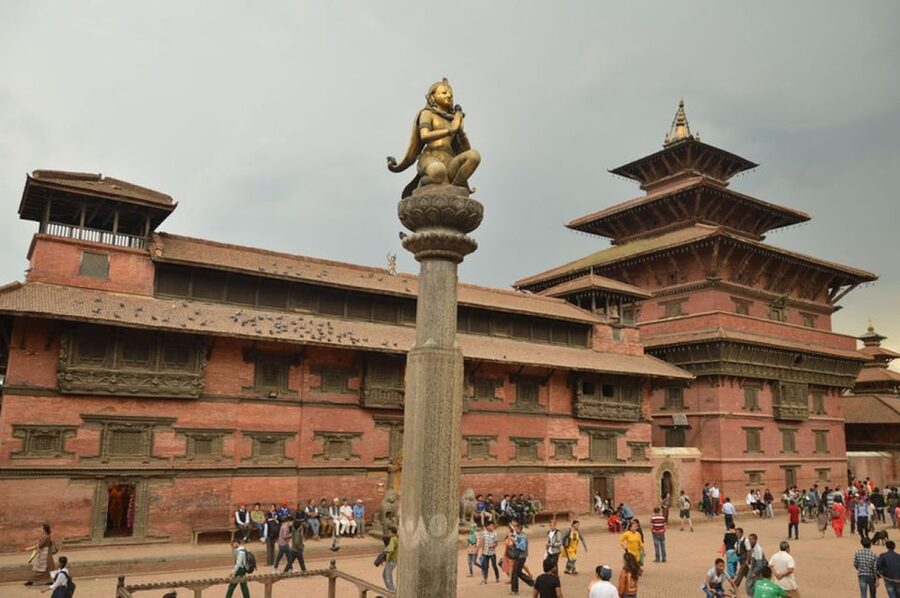
The final major stop is Kathmandu Durbar Square, with about 1.5 hours allowed in the planned schedule. The entrance fee is included, so you do not need to arrange separate admission.
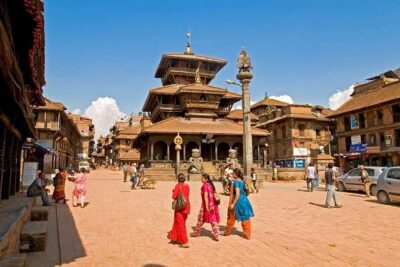
This is the tour’s grandest setting. The square is a UNESCO World Heritage site filled with temples and historic palace buildings, but the most appealing part of this evening visit is not only the architecture. You get time to sit in one of the temple squares and watch Kathmandu continue around you.
You might see people drinking chai, devotees praying, pigeons moving through the square, and residents handling ordinary evening tasks. That pause is valuable. Instead of rushing from one building to the next, you have a chance to notice the rhythm of the place.
The guide can point out the temples and palace areas, then give you space to look around. Christian specifically appreciated explanations about the temples and market, which suggests the commentary is a strong reason to choose this tour rather than simply hiring a rickshaw on your own.
The entrance fee also supports preservation of Kathmandu’s cultural heritage. That makes the included admission more than a convenience. It connects your visit to the care of the site, while still giving you access to one of the city’s most important public spaces.
The square can be atmospheric at sunset, but light levels will change during the visit. If you want detailed architectural photographs, take them early in the stop. Later, the experience becomes more about mood, prayer, movement, and the sounds of the square.
What the timing really means
The stated duration is 2.5 to 3 hours, with the route beginning and ending at Hotel Marshyangdi. The planned stops are listed as roughly one hour on the rickshaw, 15 minutes in Thamel, one hour at Asan, and 1.5 hours in Durbar Square. Those figures do not fit neatly within a 2.5 to 3 hour total, so treat them as rough visit lengths rather than a promise that every stop will receive its full listed time.
This is worth taking seriously. Susanne’s verified booking lasted about 1.5 hours instead of the announced three, while Christian’s lasted two hours. Both still found the experience worthwhile, and Susanne particularly liked her friendly female guide, but the shorter time is a real consideration.
Starting times depend on availability. If the sunset mood is your main reason for booking, check the exact departure time before paying. You want enough daylight for the ride and enough evening light for Durbar Square.
I would also ask at the meeting point how much time is planned at each stop. That simple question can help you set expectations. If you are mainly interested in the rickshaw ride, a shorter version may still work well. If you want a full market visit and extended time in the square, the actual duration matters more.
Is $49 a fair price?
At $49 per person, the price includes the rickshaw, an English-speaking Nepali guide, the visit to Sigal shrine, and admission to Kathmandu Durbar Square. Food and drinks are extra.
I consider that a fair price if you value context and convenience. Hiring a rickshaw alone might give you the ride, but not necessarily an explanation of the temples, market, shrine, and palace square. The included entrance fee also removes one small task and supports site preservation.
The value drops if the outing ends much earlier than expected. A two-hour experience can still cover the main areas, but a 1.5-hour version feels different from a full 2.5 to 3 hour evening. Since the available evidence includes shorter outings, I would book this for the route and guide rather than for a guaranteed number of hours.
The tour is carbon neutral and operated by a B Corp certified company. It also hires rickshaws directly from their drivers. Those choices will matter to you if you want your sightseeing budget to support local work and reduce the impact of the outing.
Who will enjoy this Kathmandu evening?
I think this tour suits first-time visitors who want a quick introduction to central Kathmandu without spending the entire evening walking. The rickshaw provides a fun way to cover ground, while the stops add the cultural detail that a simple ride would miss.
It is also a good fit if you like observing daily life. The market, temple squares, chai drinkers, devotees, and pigeons are not staged attractions. You are given time to watch the city function around you.
The experience may appeal to families with children, but check the age wording carefully. The information says children must be 6 to 11 inclusively, then also says children below 6 are permitted. Those statements conflict, so confirm the current rule before booking for a young child.
You should reconsider it if you want a long architectural tour, a food tour, or a quiet ride away from traffic. Food and drinks are not included, and Kathmandu’s streets are active rather than serene. The tour is strongest as a short, local-style introduction to the city after dark.
Practical details that affect the experience
Wear shoes suited to walking through market and temple areas. The route includes an hour-long ride but also visits at Sigal, Asan, and Durbar Square, so this is not a sit-down activity from start to finish.
Keep your schedule flexible after the tour. The planned return is Hotel Marshyangdi, but past bookings have varied in length. If you have a dinner reservation immediately afterward, allow extra time rather than relying on the advertised minimum.
The standard language is English. A private group is available, which can be useful if your party wants a slower pace or has children. The regular group is limited to 12 people, a reasonable size for hearing a guide in market lanes and temple squares.
Cancellation is free up to 24 hours before departure, and you can reserve now and pay later. Those terms are useful when your Kathmandu plans depend on weather, arrival times, or changes to your wider Nepal route.
Should you book this rickshaw tour?
Book it if you want to see central Kathmandu through street scenes rather than only through major monuments. The best parts are the unusual transport, the small Sigal shrine, the spice and vegetable market at Asan, and the chance to sit in Durbar Square while evening life continues around you.
I would book with one clear expectation: the advertised 2.5 to 3 hours may not always happen. If the shorter past outings concern you, confirm the expected schedule before departure. If you can accept some variation, $49 buys a useful mix of transport, local explanation, market life, and heritage access, with direct support for rickshaw drivers.
FAQ
Where does the tour start and finish?
It starts and returns to Hotel Marshyangdi on Chaksibari Marg in Thamel, Kathmandu.
How long does the experience last?
The stated duration is 2.5 to 3 hours. Past bookings recorded durations of two hours and about 1.5 hours, so the actual length may vary.
What places are included?
The route includes Thamel, Sigal Buddhist shrine, Asan market, and Kathmandu Durbar Square.
Is the rickshaw ride included in the price?
Yes. Rickshaw hire is included.
Is admission to Kathmandu Durbar Square included?
Yes. The entrance fee to Kathmandu Durbar Square is included.
Is a guide provided?
Yes. An English-speaking Nepali guide leads the experience.
Are food and drinks included?
No. Food and drinks are not included.
Can I book a private group?
Yes. A private group option is available. The small group format is limited to 12 people.
Can I cancel or pay later?
You can cancel up to 24 hours in advance for a full refund. You can also reserve now and pay later.
Just added around Kathmandu
- Private Half-Day Tour of Boudhanath and Pashupatinath Temples in Kathmandu★ 4.5 · 9 reviews
- Private Half-Day Tour of Kathmandu Durbar Square and Swayambhunath Temple★ 4.5 · 11 reviews
- Namobuddha Monastery Hiking Day Tour via Panauti from Kathmandu★ 5.0 · 15 reviews
- Private Full-Day Kathmandu City Tour★ 5.0 · 9 reviews
- Private Day Tour in Kathmandu Valley Rim with Bhaktapur Sightseeing★ 5.0 · 3 reviews
- Private Half Day Budhanilkantha Tour★ 5.0 · 6 reviews
- Private Day Tour: Patan and Bhaktapur from Kathmandu★ 4.5 · 6 reviews
- Private Day Tour – Sacred Journey to Namo Buddha★ 5.0 · 5 reviews
City Tours, compared.
Sarangkot Sunrise with Half or Full-Day City Tour
Read our review →
Full Day Kathmandu City Sightseeing Tour of UNESCO Heritage Sites
Read our review →
Browse the lists this tour appears in