
Reviewed · NEPAL
Lumbini: Buddhists Spiritual Exploration
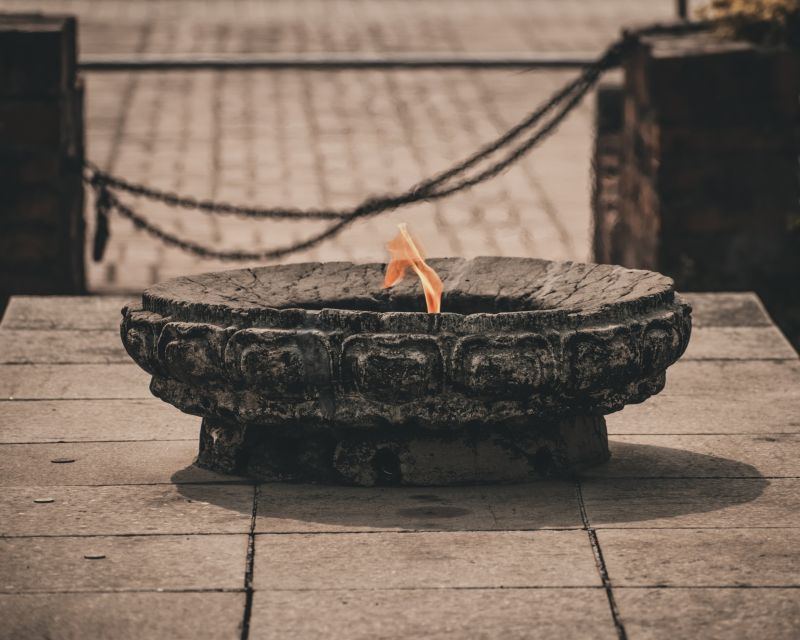
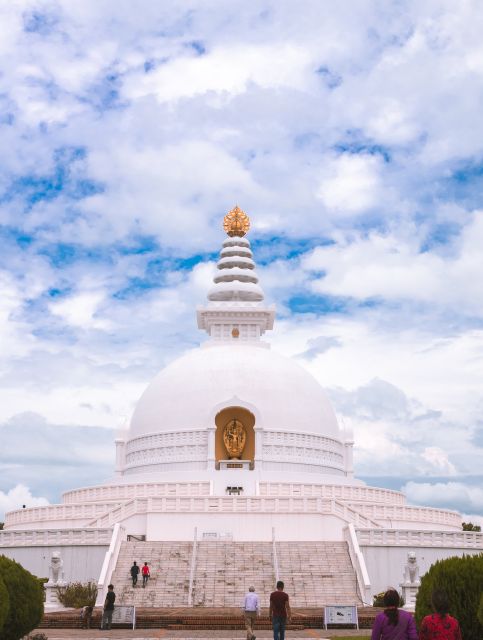
The heart of this day is Maya Devi Temple, the sacred site marking where Siddhartha Gautama, later known as the Buddha, was born. You’ll also visit the marker stone, Queen Maya Devi’s bathing pond, international monasteries, quiet gardens, and the Lumbini Museum, though the museum’s availability needs checking before you book.
I like the private format and the chance to see Lumbini beyond one temple. The guide can explain Buddhist traditions in English or Hindi, while the gardens give you room for meditation rather than a rushed photo stop. The main concern is value: the advertised price is $49 per person, but one booking was charged $78, and the museum was reportedly closed for remodeling at the time.
Key points at a glance
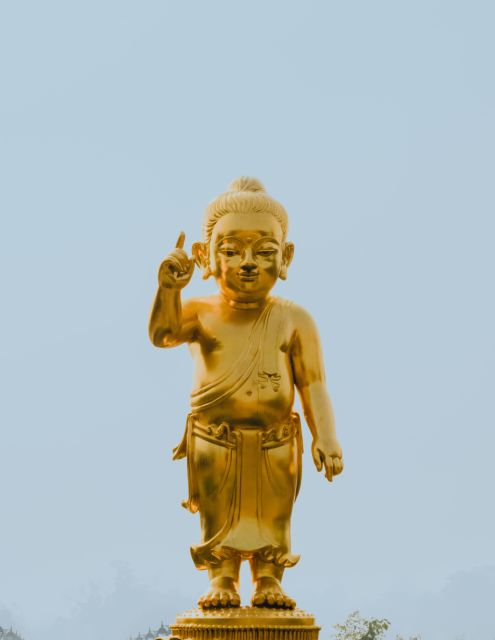
- Maya Devi Temple marks Buddha’s birthplace: See the sacred marker stone and Queen Maya Devi’s bathing pond within the temple complex.
- International monasteries give the day real variety: Compare buildings and Buddhist customs linked to different countries and traditions.
- A private group keeps the pace flexible: Your guide can adjust the day more easily than a large group tour.
- Seven hours allows time for stillness: The gardens are useful for meditation, reflection, and a slower break between visits.
- The $49 price needs checking: Food, drinks, entrance fees, and personal costs are extra, and one booking recorded a higher charge.
- The museum may not be available: Confirm its opening status before relying on it as part of the day.
Why Lumbini feels different from a standard sightseeing stop
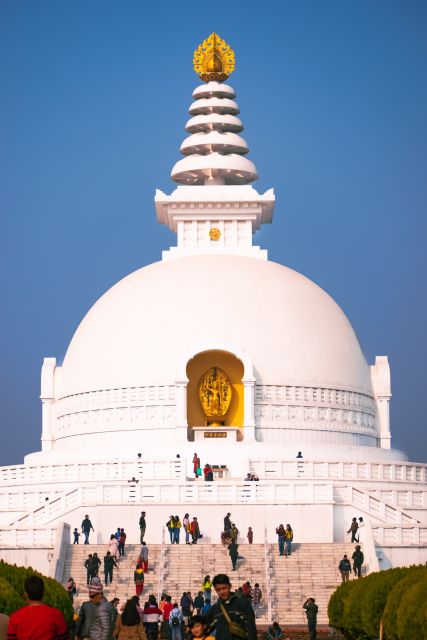
Lumbini is not simply another historic site to tick off in Nepal. It is a place of pilgrimage, study, prayer, and quiet observation. The day works best if you approach it as a spiritual and cultural visit, not as a rapid tour of monuments.
You begin with hotel pickup in Lumbini, usually in the early morning. The supplied details describe the route as heading toward Lumbini in Nepal’s Terai region, south of Butwal, although pickup is included from any hotel in Lumbini. If you are staying elsewhere, confirm transport before paying.
The private group format is useful here. You can ask questions, pause in the gardens, and spend more time at a monastery that catches your interest. The guide speaks English or Hindi, and the tour is designed for a full seven hours. That is long enough to see the major areas without treating every stop like a quick roadside break.
One practical point: wait in your hotel lobby about 10 minutes before pickup. Bring your passport or another form of identification, since that is specifically listed among the items required for the activity.
Other Nepal days worth booking alongside this:
- Everest Base Camp Trek – 14 Days
★ 5.0 · 1,499 reviews - Private Kathmandu Sightseeing Tour | UNESCO World Heritage sites
★ 5.0 · 756 reviews - Everest Base Camp Helicopter Tour landing at Everest View Hotel
★ 5.0 · 668 reviews
Entering Maya Devi Temple, Lumbini’s sacred center
The first major stop is the Maya Devi Temple complex. This is the part of the day with the clearest religious importance, so I would give it your full attention rather than rushing through it for photographs.
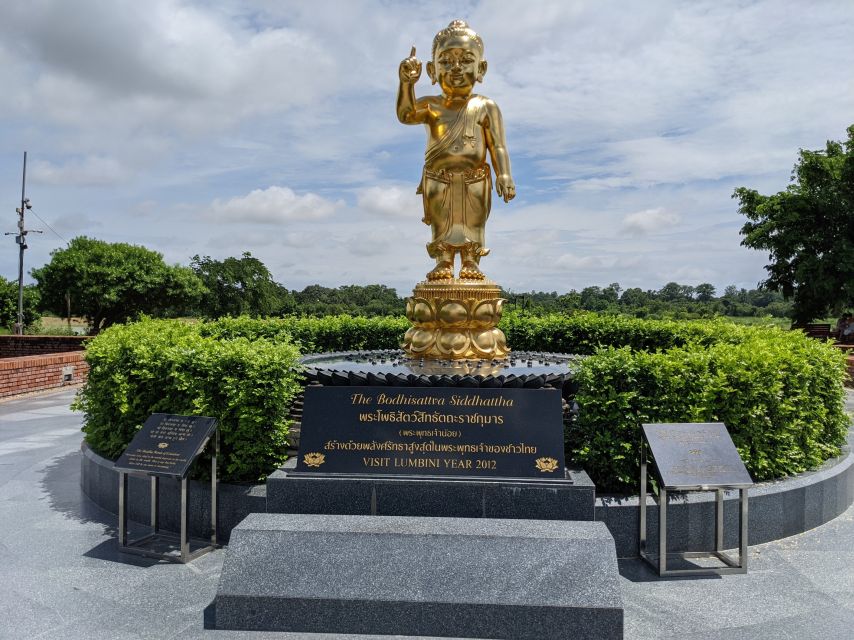
The complex includes the spot identified as Buddha’s birthplace. You will also see the sacred marker stone and Queen Maya Devi’s bathing pond. These features help turn a broad religious tradition into a particular place with physical markers and stories attached to it.
Your guide’s role matters most here. A good explanation can help you understand why the site carries weight for Buddhists and why visitors are expected to behave with care. You may want to ask about the symbolism of the marker stone, the role of Queen Maya Devi, and how the temple area functions for pilgrims.
Dress and conduct should be respectful, even though specific clothing rules are not provided. Keep your voice low, follow local instructions, and allow space for people who are praying or meditating. The point is not only to see the birthplace, but to recognize that it remains a living religious site.
The temple visit can also be emotionally quiet. You might find the most valuable part is not a grand view or a dramatic building, but the pause created by the setting. Lumbini asks you to slow down.
Queen Maya Devi’s pond and the meaning of the site
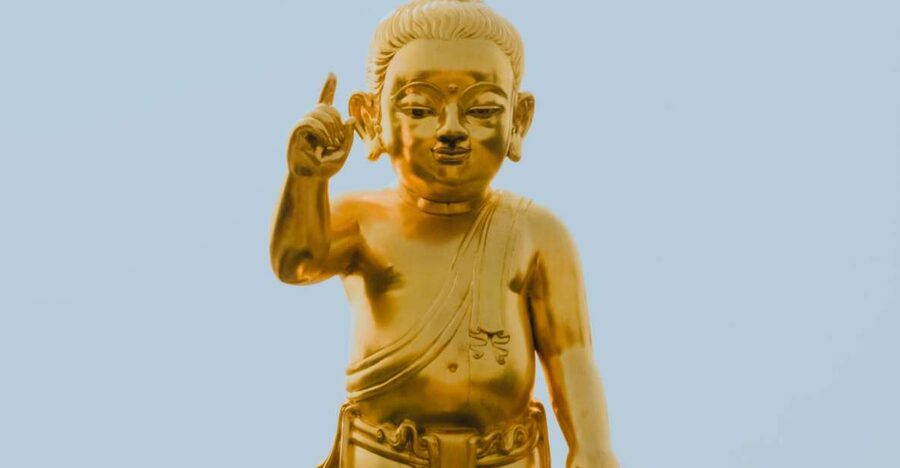
The bathing pond connected with Queen Maya Devi is included in the temple complex. It adds a second layer to the visit, since the area links the birth story with a specific place associated with Maya Devi.
I would listen closely to the guide here, since the value comes from context. Without explanation, a pond and marker can look like separate archaeological features. With a clear account, they become part of the story that gives Lumbini its religious importance.
Do not expect every part of the complex to feel like a museum exhibit. This is a sacred setting, and the atmosphere may matter as much as the objects or structures. Take a little time to look around, then step away from the main path if your guide indicates a suitable place for quiet reflection.
The tour description uses the phrase exact birthplace. In practical terms, you are visiting the temple complex and the identified sacred marker associated with Buddha’s birth. The guide can explain how the site is understood and what you are seeing, which is one reason a guided visit is more useful than arriving without any background.
A Nepali lunch break, with the bill separate
Lunch takes place at a local restaurant, and traditional Nepali food is not included in the tour price. You will need to pay for your own meal and drinks, so carry enough money for this extra cost.
The supplied details do not name the restaurant or specify the menu. That is worth remembering if you have dietary restrictions or are looking for a particular dish. Ask your guide what is available before ordering.
I like that the meal is described as local rather than as a catered tourist lunch. Food can be one of the more grounded parts of a day built around sacred sites. It gives you a break, a chance to speak with your guide, and an opening to ask about daily life in the Terai.
Still, the tour price should not be judged as an all-inclusive figure. Add lunch, drinks, entrance fees, and personal spending to the advertised $49. One booking recorded a charge of $78 and felt the cost was high for what was provided, so confirm the exact amount at checkout and ask what fees apply.
Same mountains, a completely different kind of day:
- ZipFlyer Nepal – The World’s Steepest Zip-line
★ 5.0 · 608 reviews - Half day cooking class in Thamel kathmandu
★ 5.0 · 607 reviews - Everest Base Camp Trekking
★ 5.0 · 485 reviews - Nagarkot Sunrise View and Day Hiking from Kathmandu
★ 5.0 · 471 reviews
Quiet time in Lumbini’s gardens
After the temple and lunch, you have time in Lumbini’s gardens. This is where the day becomes less about collecting sights and more about being present.
The gardens are described as suitable for meditation and self-reflection. You do not need to be an experienced meditator to benefit from that pause. Sit quietly, walk at an easy pace, or use the time to process what you saw at Maya Devi Temple.
This slower section is especially useful because the day includes several major stops. A packed schedule can make a sacred place feel like a checklist. Time in the gardens gives you a chance to reset before the afternoon monastery visits.
The exact meditation format is not specified. You should not expect a formal class or guided spiritual session unless your guide offers one separately. Think of this as quiet personal time in a peaceful setting.
If you prefer constant activity, this portion may feel unstructured. If you appreciate breathing room, it is one of the better reasons to choose a seven-hour private visit instead of a short transfer and photo stop.
Comparing monasteries from different Buddhist traditions
The afternoon continues with visits to monasteries in Lumbini. Their different architectural styles reflect Buddhist traditions from around the world, giving you a useful way to compare how one faith appears in different national and cultural settings.
Look at the buildings as expressions of place, not only as religious structures. Shapes, decoration, colors, layouts, and details can vary widely, and the guide can explain what connects them. The tour does not list each monastery by name, so the exact stops may depend on the day and access.
This part is valuable for visitors who want more than the birthplace itself. Maya Devi Temple anchors the visit in one sacred story, while the monasteries show how Buddhism has developed across borders and communities.
Be aware that access inside individual monasteries can vary. The information provided promises visits to monasteries and temples, but it does not guarantee entry into every interior or contact with resident monks. Follow the guide’s instructions and respect any photography restrictions or quiet areas.
The private format helps here. You can ask why two buildings look different, how practices vary, or which features connect them. Those questions turn a series of buildings into a clearer cultural exchange.
What the Lumbini Museum can add
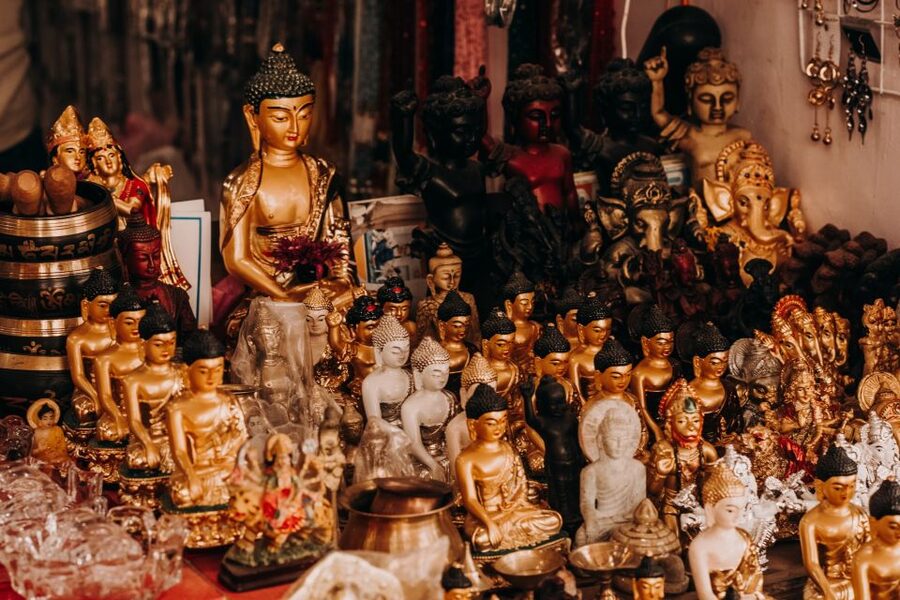
The Lumbini Museum is intended to provide artifacts and context about the development of Buddhism. In theory, it adds the historical frame that the temple and monasteries alone cannot provide.
A museum visit can help you connect the sacred site to archaeology, pilgrimage, art, and the spread of Buddhist ideas. It is a useful change of pace after outdoor visits and religious buildings.
But do not count on this stop without checking first. A booking on May 23, 2024, found the museum closed for remodeling, even though it was part of the planned experience. That is a clear reason to ask about current opening conditions before booking or before setting your expectations for the day.
If the museum is closed, the rest of the itinerary still includes the temple, gardens, monasteries, and time outside the development zone. Yet the closure affects value if you chose the tour mainly for its museum content. Get a direct answer from the operator about whether it is open on your date.
Meeting locals outside the development zone
Later, you can take a leisurely walk outside the Lumbini Development Zone. This shifts the focus from formal religious sites to ordinary local life.
The plan includes opportunities to interact with local people, taste Nepali food, and take part in cultural exchange. The wording does not promise a scheduled cooking class, market visit, or named community activity, so treat this as flexible time with your guide rather than a fixed workshop.
I like this part because Lumbini can feel highly planned around its sacred core. Stepping outside that zone may give you a better sense of the place as a community, not only as a pilgrimage destination.
Keep your expectations simple. The provided details do not name particular shops, dishes, or local hosts. Your experience may depend on timing, your interests, and what is available that day. Tell the guide if you want more conversation, food, or a relaxed walk.
This is also where small personal costs can add up. Food and drinks are separate, and personal expenses such as phone calls, laundry, bar bills, battery charging, extra porters, additional water, and showers are not covered. Most of those items will not matter on a normal day visit, but the policy is worth knowing.
Cost, inclusions, and the value question
The stated price is $49 per person. For a seven-hour private tour with hotel pickup and drop-off, an English- or Hindi-speaking guide, one bottle of water, and visits across Lumbini, that can be fair if the guide provides strong explanations and the full route is available.
The price does not include food, drinks, entrance fees, or personal expenses. You should compare the total cost, not just the headline figure. Lunch and admission charges may be modest, but they still change the final amount.
There is also a pricing warning. One verified booking recorded a payment of $78 and felt the amount was more than twice what a local guide might charge. The same booking appreciated the agency’s flexibility with scheduling but noted gaps in communication and disappointment that the museum closure was not explained in advance.
That does not make the tour poor value for everyone. A private guide, hotel transport, language support, and a full day of visits can be worth paying for if you want structure and interpretation. But you should confirm three things before booking:
- The exact price you will pay per person
- Current entrance fees and what they cover
- Whether the Lumbini Museum is open on your date
The activity offers free cancellation up to 24 hours before departure and lets you reserve now and pay later. Those terms help if your Nepal plans are still shifting, but they do not solve the need to confirm the actual price and museum status.
Who will enjoy this seven-hour private visit
I would recommend this experience most strongly to first-time visitors to Lumbini who want the main sacred sites explained in one day. The guide gives you a useful thread from Buddha’s birthplace to the international monasteries and the wider Buddhist tradition.
It also suits people who prefer a private group rather than a large shared tour. You have more room to ask questions, adjust the pace, and spend time in the gardens.
The tour may appeal to people interested in meditation and spiritual travel, but you should understand what is included. Quiet time for personal reflection is part of the plan. A formal meditation lesson, retreat, or religious ceremony is not specified.
The activity is listed as wheelchair accessible. Since the details do not describe the condition of every path, temple entrance, or monastery interior, confirm the precise access arrangements if that is important for you.
You may want a different plan if you dislike flexible schedules, want a detailed museum visit guaranteed, or are focused mainly on keeping costs low. In those cases, confirm every stop and the final price first, or consider arranging local guiding directly.
Should you book Lumbini Buddhist Spiritual Exploration?
Book it if you want a private, guided day centered on Maya Devi Temple and supported by visits to monasteries, gardens, and local areas. The best parts are the sacred birthplace, the variety of Buddhist architecture, and the chance to slow down rather than rush between stops.
Before committing, contact Himalayan Nomad Treks Pvt. Ltd. and confirm the final charge, entrance fees, lunch arrangements, and museum opening status. The experience can be a meaningful way to understand Lumbini, but its value depends heavily on clear communication and what is actually open on your date.
FAQ
Where does the Lumbini spiritual exploration take place?
The activity takes place in Lumbini in Nepal’s Terai region, in the Western Region of Nepal. The tour includes the Lumbini area, its temples, monasteries, gardens, and the area outside the Lumbini Development Zone.
How long does the experience last?
The activity lasts seven hours. Starting times depend on availability, so check the schedule for your chosen date.
Is hotel pickup included?
Yes. Hotel pickup and drop-off are included from any hotel in Lumbini. You should wait in the hotel lobby 10 minutes before the scheduled pickup time.
Is this a private tour?
Yes. The activity is offered for a private group, rather than as a shared group experience.
What languages does the guide speak?
The live guide is available in English or Hindi.
What is included in the price?
The price includes hotel pickup and drop-off from hotels in Lumbini, an English- or Hindi-speaking guide, one bottle of water, and visits throughout the Lumbini area and its temples.
Are food and drinks included?
No. Food and drinks are not included. Lunch at a local restaurant is planned, but you pay for your own meal and beverages.
Are entrance fees included?
No. Entrance fees are not included in the activity price.
What should I bring?
Bring your passport or another valid identification document. It is also wise to plan for your own meal, drinks, entrance fees, and other personal expenses.
Can I cancel the booking?
You can cancel up to 24 hours in advance for a full refund. The activity also offers a reserve-now, pay-later option.
Just added around Nepal
- Private Half-Day Tour of Boudhanath and Pashupatinath Temples in Kathmandu★ 4.5 · 9 reviews
- Private Half-Day Tour of Kathmandu Durbar Square and Swayambhunath Temple★ 4.5 · 11 reviews
- Namobuddha Monastery Hiking Day Tour via Panauti from Kathmandu★ 5.0 · 15 reviews
- Private Full-Day Kathmandu City Tour★ 5.0 · 9 reviews
- Private Day Tour in Kathmandu Valley Rim with Bhaktapur Sightseeing★ 5.0 · 3 reviews
- Private Half Day Budhanilkantha Tour★ 5.0 · 6 reviews
- Private Day Tour: Patan and Bhaktapur from Kathmandu★ 4.5 · 6 reviews
- Private Day Tour – Sacred Journey to Namo Buddha★ 5.0 · 5 reviews