Reviewed · SAFARI
Kathmandu/Pokhara: Wildlife, Culture and Jungle Safari Tour
Chitwan is Nepal’s best break from temples and mountain roads. This 2 or 3 day trip brings you into Tharu country, where a cultural dance, village visit, local food, and a canoe ride add human detail to the jungle. The main prize is a Jeep safari through Chitwan National Park, with chances to spot rhinos, crocodiles, birds, and, if luck is on your side, a tiger.
I like the sensible mix of wildlife and culture, and I like that meals, park fees, lodging, and transport are bundled into the price. Ranger Ram Babu has earned special praise for his work in the park, while organizer Ramesh has helped guests through difficult travel disruptions. The big caution is transport: the advertised coach journey can take far longer than five or six hours in traffic, and you should confirm the vehicle before paying.
- A full Chitwan sampler: Safari, canoeing, bird watching, jungle walking, village life, and Tharu dance fit into two active days.
- Wildlife with a guide: Ram Babu, a Chitwan ranger, is named as a particularly strong guide for reading the park and explaining its animals.
- Two departure bases: Pickup is available near Thamel in Kathmandu or Baidam and Lakeside Road in Pokhara.
- Food and lodging included: You receive two breakfasts, lunches, and dinners on the three-day plan, with air-conditioned rooms at Chitwan Village Resort or a similar Rainbow Safari property.
- An ethical choice to make: The elephant ride is offered as an option, but serious concerns have been raised about elephant treatment at related facilities. I recommend choosing the Jeep safari.
- Good value if transport runs well: At $120 per person, the package covers many costs, but a slow or uncomfortable bus can weaken the deal.
From Kathmandu or Pokhara to Sauraha
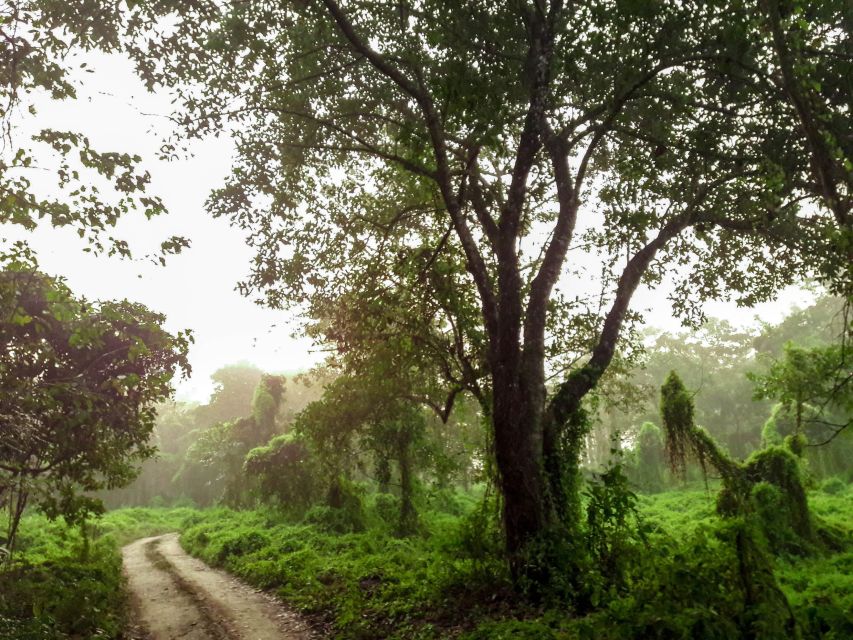
The tour begins with hotel pickup near Thamel, Baidam, or Lakeside Road. You then travel by deluxe tourist air-conditioned coach toward Sauraha, the main base for visiting Chitwan National Park.
The stated drive time is about five to six hours. In practice, Nepal’s road traffic can turn that into a much longer day. One recent account describes journeys from Kathmandu taking about nine hours each way, with a public bus that was dirty and lacked air conditioning. That is a serious point to settle before booking.
Ask the operator directly whether your departure uses the promised deluxe coach or a public bus. A private vehicle is available by direct arrangement, and this may be worth the extra cost if you dislike uncertain road times or want control over stops.
The drive itself can be scenic, but this is not a quick transfer. You will spend a large part of the first and last days sitting in a vehicle. That makes the tour better suited to people who want a compact Chitwan visit than to those with only a short window between flights.
Checking into Chitwan Village Resort
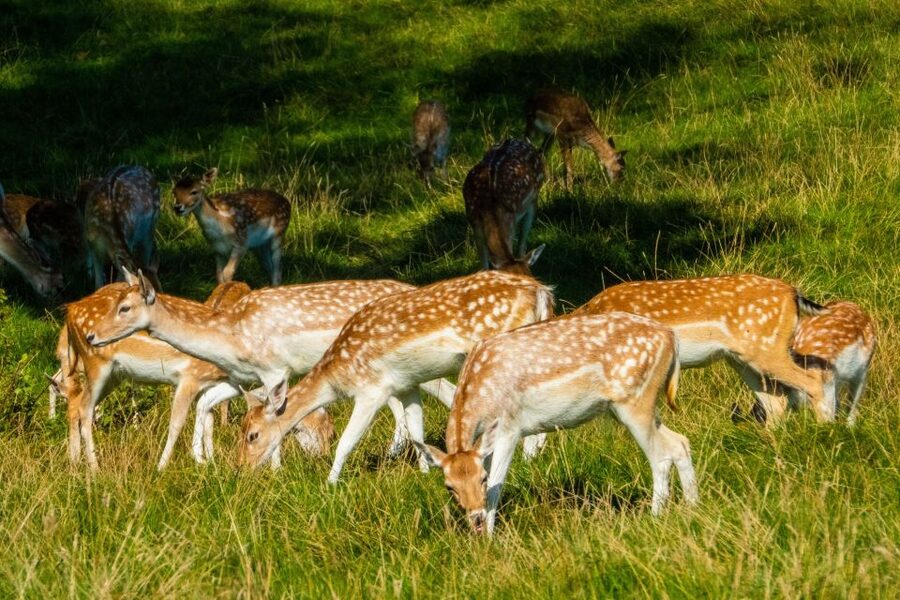
Once you reach Sauraha, you check into an air-conditioned single, twin, or triple room at Chitwan Village Resort or a similar Rainbow Safari resort. A five-star option, Greenpark Resort, is also available if selected during booking.
The accommodation matters here because the days are busy and the heat can be tiring. Having a private room and meals arranged removes much of the usual planning. The food receives particularly strong praise, with a choice of dishes and plenty of Nepali flavors.
The three-day version includes two nights and six meals: two breakfasts, two lunches, and two dinners. The two-day option includes one night and three meals. Drinks are not included, so budget separately for bottled or boiled water, soft drinks, beer, and other personal purchases.
A few more Kathmandu trips to weigh up
- 3-Day Chitwan National Park Jungle Safari Tour Package with Pick Up
★ 5.0 · 184 reviews - From Kathmandu/Pokhara: 3-Day All-Inclusive Chitwan Safari
★ 4.6 · 133 reviews - Kathmandu: 3-Day Chitwan Safari Tour with Hotel Transfers
★ 4.6 · 127 reviews
Tharu dance and dinner on the first evening
Your first evening includes a Tharu cultural dance program at a community hall. This gives you a useful introduction to the people whose villages and farmland surround the park.
The Tharu are an important indigenous community of Nepal’s southern plains. Their music, dance, homes, and daily customs are distinct from what you see in Kathmandu or Pokhara. The performance is designed for visitors, but it still gives the trip a needed local focus rather than treating Chitwan as nothing more than a wildlife park.
Dinner follows, with Nepali or Tharu food included in the package. I like this pairing: the dance offers context, and the meal gives you a taste of the region. Keep your expectations realistic, though. This is a scheduled cultural show, not a long private visit with a local family.
The two-day plan includes the dance along with a local village visit and sunset tour. The three-day plan gives you more time for the full set of activities on the second day.
Jeep safari through Chitwan National Park
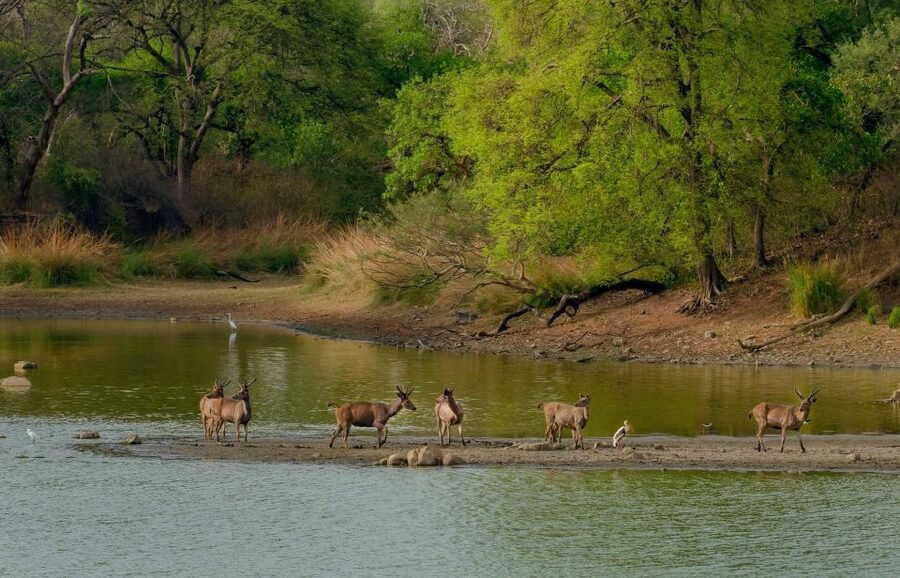
The main event is the safari. You travel through Chitwan National Park by shared Jeep, accompanied by a guide who helps identify animals, birds, and plant life.
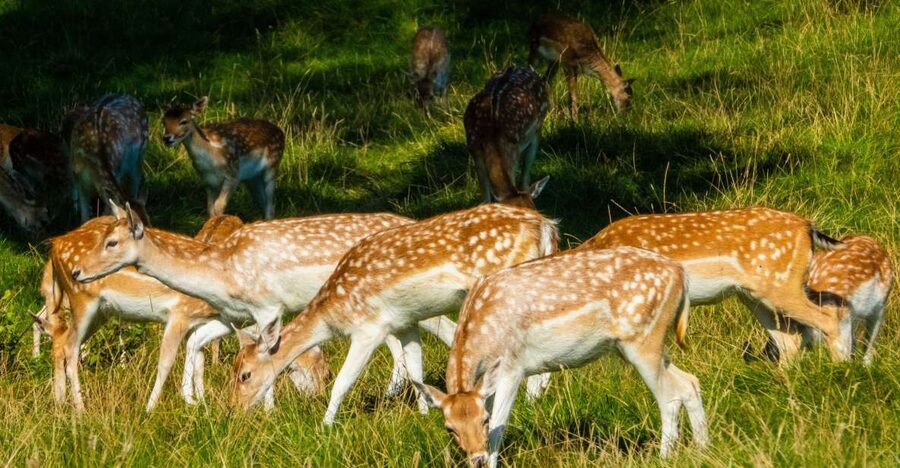
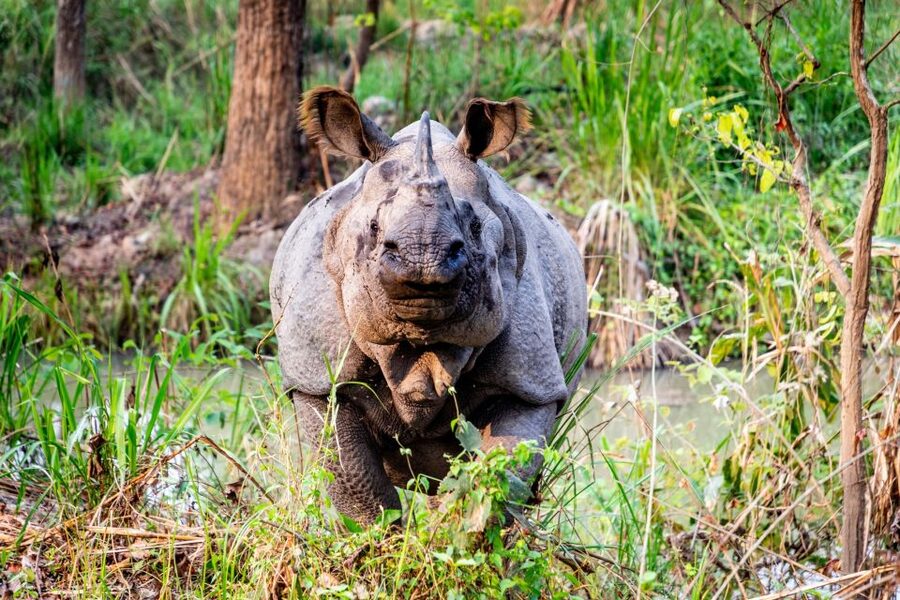
Chitwan is known for one-horned rhinoceroses, crocodiles, elephants, many bird species, and the possibility of Bengal tiger sightings. No guide can promise a tiger. The value of the safari is the chance to watch wild animals in their own setting, not a guaranteed checklist.
A good guide makes a real difference. Ram Babu is specifically noted for explaining the park and spotting wildlife. Bring binoculars and keep your camera ready, but do not let the camera turn the ride into a hunt for photographs. The best moments may be brief: a rhino partly hidden in grass, a crocodile beside the river, or a large bird lifting from the water.
The Jeep ride is shared, so you should expect to sit with other people during this portion even though the overall booking is described as a private group. If you want a fully private vehicle, ask about the private option before departure.
The safari can be dusty, hot, and bumpy. Wear comfortable clothes, a hat, sunglasses, and sunscreen. A towel is useful after outdoor activities, and water is essential. Park entry is included, as are government taxes and service charges.
Why I recommend the Jeep over the elephant ride
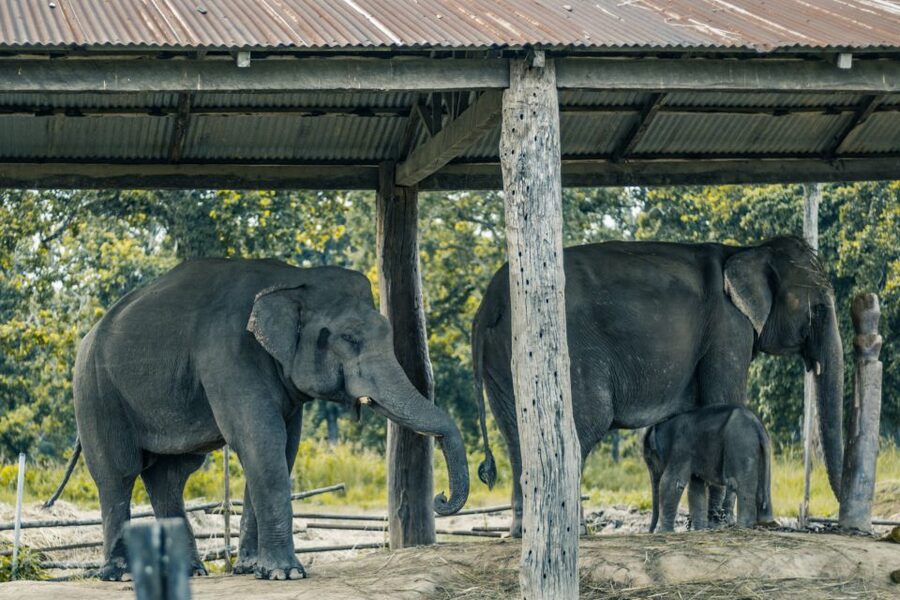
The package presents a choice between a Jeep safari and an elephant ride. I would choose the Jeep.
The schedule also includes a visit to an elephant breeding center, where you can learn about elephants and conservation work. That can be educational, but one serious report describes young elephants being struck, underfed, and kept in chains at facilities connected with elephant activities. I cannot verify every detail of that account, but the concern is serious enough that you should ask exactly which elephant program you are supporting.
You can see elephants from a Jeep, canoe, or walking route without riding them. Choosing the Jeep gives you a strong wildlife experience while avoiding direct participation in elephant rides. If animal welfare matters to you, make this request clearly when you book.
Same mountains, a completely different kind of day:
- Everest Base Camp Trek – 14 Days
★ 5.0 · 1,499 reviews - Private Kathmandu Sightseeing Tour | UNESCO World Heritage sites
★ 5.0 · 756 reviews - Everest Base Camp Helicopter Tour landing at Everest View Hotel
★ 5.0 · 668 reviews - Half day cooking class in Thamel kathmandu
★ 5.0 · 607 reviews
Canoeing on the Rapti River
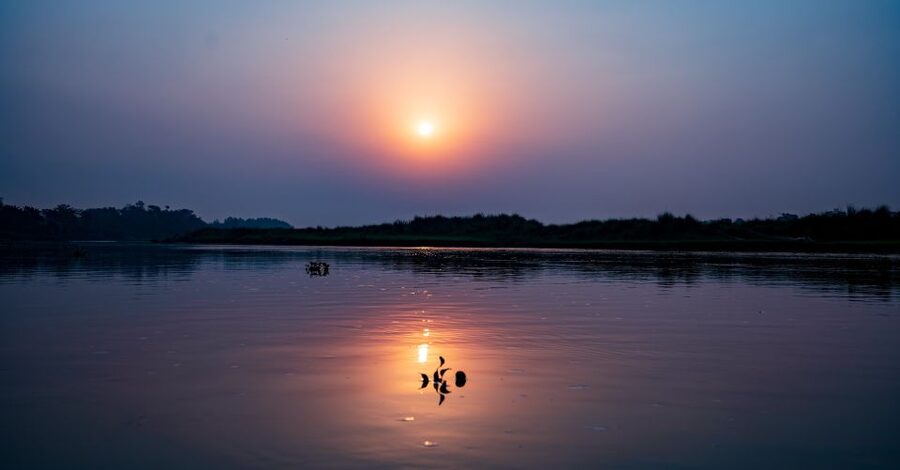
After the safari, the program moves to the Rapti River by canoe. This is a quieter counterpoint to the rougher Jeep ride.
You glide along calm water and look toward the banks for crocodiles, elephants, and birds. The river also gives you a different view of the park. Instead of scanning the forest from a vehicle, you watch the edge of the water, where animals often gather.
Bring a hat, sunscreen, and water. A camera with a secure strap is wise, but keep your hands free and follow the guide’s instructions. The canoe ride is one of the most peaceful parts of the trip, and it gives the busy second day a welcome pause.
Bird watching and the guided jungle walk
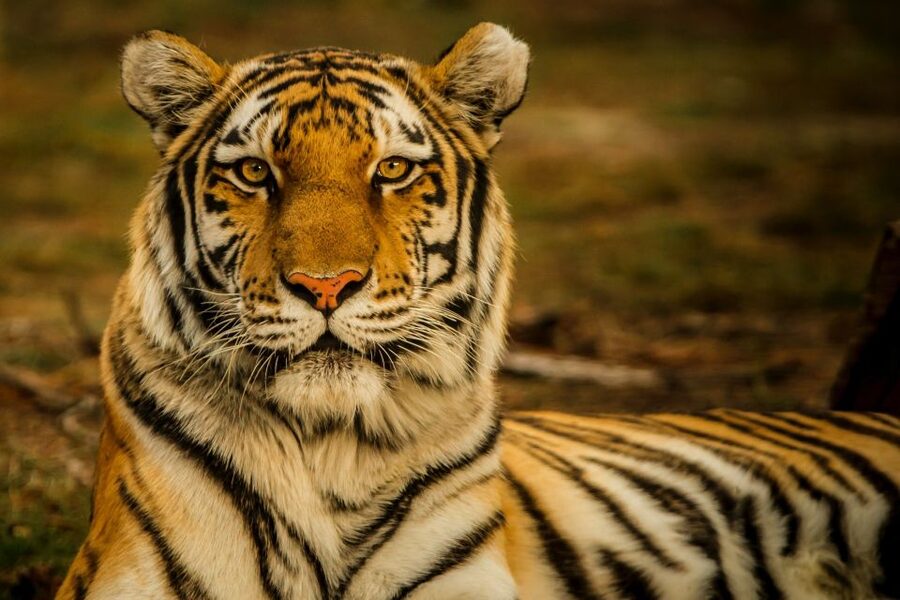
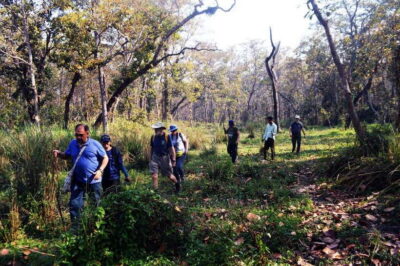
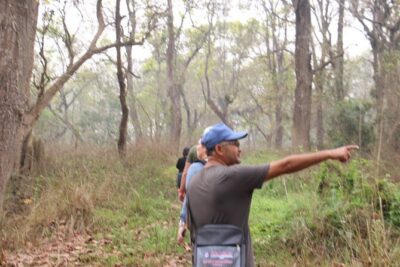
The nature walk takes you along established paths with a guide who points out plants and animals. It is a slower way to experience Chitwan than the Jeep, and it asks you to use your ears as much as your eyes.
Bird watching is included, so binoculars are worth bringing. The supplied information does not promise a particular species, and sightings depend on conditions, timing, and luck. You might find the walk more rewarding for its sounds, plants, and small signs of wildlife than for a dramatic animal encounter.
Wear closed, comfortable footwear and clothes suited to warm weather. A hat and sunscreen help, and a towel can come in handy after a long day outside. You should also follow the guide closely, since this is a wild park rather than a zoo.
The walk is especially useful for you if you want more than a short vehicle ride. A Jeep shows you distance quickly. Walking lets you notice smaller details and gives the guide time to explain what you are seeing.
The elephant breeding center and conservation questions
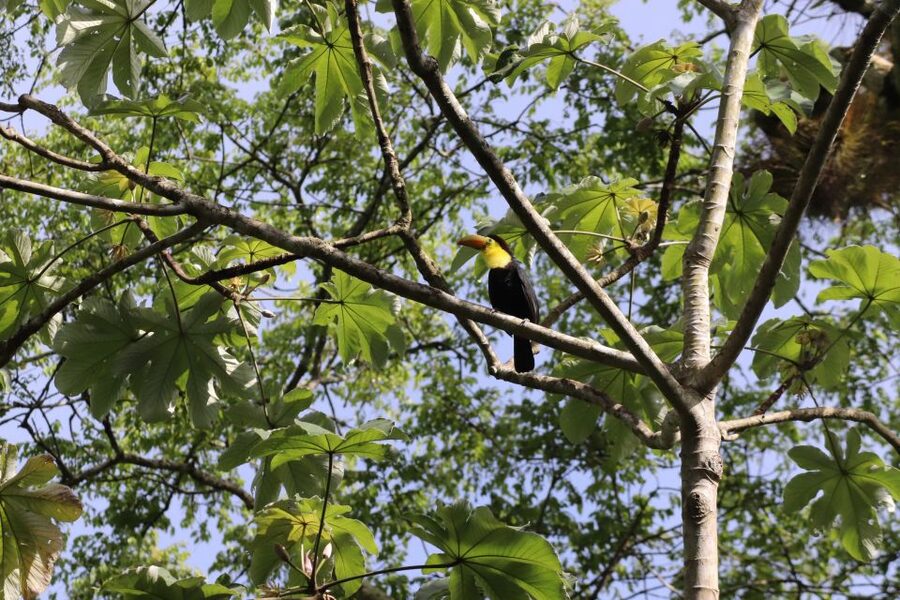
The breeding center is included as an educational stop. You learn about elephants and efforts to protect them, and you may see the animals at close range.
This is the point where I would ask questions rather than accept the visit at face value. Conservation labels can cover very different practices. Ask whether elephants are chained, how young animals are handled, and whether rides are part of the operation.
You can still visit the center and choose not to ride. If the answer to your questions is unclear, skip the elephant activity and focus on the Jeep, canoe, walking, and bird watching portions of the program.
Tharu village life near Sauraha
The village visit adds another layer to the park experience. You see Tharu homes and local architecture, meet people from the community, and learn about customs expressed through art, music, dance, and food.
This stop is valuable because national parks do not exist apart from local people. The Tharu community has its own identity and way of life, and the village visit helps connect the protected forest with the settlements around it.
Keep the visit respectful. Ask before taking photographs, listen when people explain their homes or traditions, and buy local items only if you genuinely want them. The program presents the village as a chance for interaction, but the quality of that interaction depends on the guide and on your own attitude.
The sunset portion of the two-day plan can be a pleasant final look at the area before you leave. The exact viewing conditions are not guaranteed, so treat it as a simple scenic stop rather than a promised spectacle.
Meals, rooms, and what the $120 covers
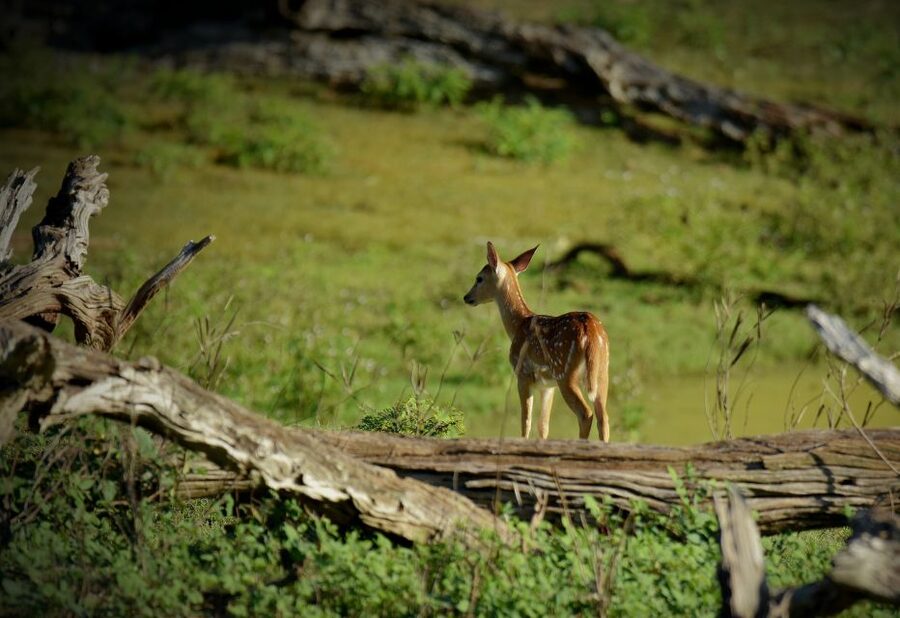
At $120 per person, the price is attractive if the full package operates as described. It covers round-trip coach transport, private air-conditioned accommodation, park entry, a guide, safari, canoeing, jungle walking, bird watching, village visits, cultural dance, and meals.
That is a lot to arrange independently in Nepal. You would otherwise need to coordinate road transport, a room, park fees, guides, a safari vehicle, river activities, and meals. The package also includes taxes and service charges, which helps limit surprise costs.
The value weakens if your bus becomes a nine-hour public-bus ordeal. Transport is not a minor detail here. It takes up much of the first and third days, so confirm the coach standard and ask about the private vehicle price if you want a more reliable ride.
Personal costs remain outside the package. You pay for drinks, laundry, phone calls, bar bills, battery charging, extra porters, bottled or boiled water, showers, and insurance. Lunch and evening meals in Kathmandu or Pokhara are also your responsibility.
Returning to Kathmandu or Pokhara
After breakfast, you leave Sauraha for the same base you used at the start. The return drive is listed at about five to six hours, but traffic can stretch it considerably.
Do not schedule a tight flight or important appointment immediately after the expected arrival time. A road delay can affect the entire day, especially on the Kathmandu route. If you have a flight, build in a generous buffer and discuss your plans with the operator.
The trip works best when you accept that Chitwan is a road-based add-on, not a quick flight connection. The wildlife and village activities are the reason to go. The coach ride is simply the price of reaching them by land.
Who will enjoy this Chitwan tour?
I would recommend this experience to you if you want a straightforward introduction to Chitwan without arranging each piece yourself. It suits couples, families, and small private groups who like a mix of wildlife, food, culture, and gentle outdoor activities.
It is also a good fit if you are staying in Kathmandu or Pokhara and want to add a national park without committing to a longer safari program. English, Hindi, and Nepali guiding are available, and pickup is offered near the main tourist areas.
I would think twice if you have very little time, dislike long bus journeys, or expect luxury at the base price. The accommodation is described as deluxe, with a five-star upgrade available, but the standard package is not a high-end safari lodge experience.
I would also avoid the elephant ride unless the operator gives you clear, satisfactory information about animal care. The Jeep option gives you the stronger ethical choice.
Practical packing advice
Bring your passport or another form of identification, a camera, sunscreen, comfortable clothes, binoculars, a towel, a hat, sunglasses, and water.
Pack for heat, dust, and several outdoor activities. Keep valuables secure during the canoe ride and make sure your camera is ready before the Jeep enters the park. You should wait in your hotel lobby about 10 minutes before pickup.
Cancellation is flexible up to 24 hours before departure for a full refund, and you can reserve now and pay later. Check the available start times because the 2 and 3 day versions may not leave at exactly the same hour.
FAQ
How long is the Chitwan tour?
You can book the experience for either 2 or 3 days. The three-day plan includes two nights in Chitwan, while the two-day plan includes one night.
Where can pickup and drop-off take place?
Pickup and return locations include Thamel in Kathmandu and Baidam or Lakeside Road in Pokhara. Pickup is available from places near those areas.
Is transportation included?
Yes. Round-trip transportation between Kathmandu or Pokhara and Sauraha is included by deluxe tourist air-conditioned coach. A private vehicle may also be arranged directly with the provider.
What meals are included?
The three-day option includes two breakfasts, two lunches, and two dinners. The two-day option includes one breakfast, one lunch, and one dinner. Drinks and meals outside the tour are not included.
Is the safari by Jeep or elephant?
The package offers a shared Jeep safari or an elephant ride as an option. You should confirm your preferred choice when booking. A private vehicle can be arranged separately.
Which languages can the guide speak?
Guides are available in English, Hindi, and Nepali. The tour includes an authorized English-speaking guide.
What is included in the park visit?
The program includes Chitwan National Park entrance fees, a wildlife safari, canoeing, bird watching, a jungle walk, a Tharu village tour, and a cultural dance program.
Should you book it?
Book this tour if you want Chitwan’s main experiences in one organized package and can allow a full travel day on each end. The combination of a Jeep safari, Rapti River canoe ride, jungle walk, Tharu village visit, dance, and local meals gives you a satisfying introduction to southern Nepal.
Before paying, confirm three things: the actual bus type, the expected road time, and the animal-welfare standards of any elephant activity. If the operator confirms a proper air-conditioned coach and you choose the Jeep safari, $120 is a fair price for the amount included.
Just added around Kathmandu
- Private Half-Day Tour of Boudhanath and Pashupatinath Temples in Kathmandu★ 4.5 · 9 reviews
- Private Half-Day Tour of Kathmandu Durbar Square and Swayambhunath Temple★ 4.5 · 11 reviews
- Namobuddha Monastery Hiking Day Tour via Panauti from Kathmandu★ 5.0 · 15 reviews
- Private Full-Day Kathmandu City Tour★ 5.0 · 9 reviews
- Private Day Tour in Kathmandu Valley Rim with Bhaktapur Sightseeing★ 5.0 · 3 reviews
- Private Half Day Budhanilkantha Tour★ 5.0 · 6 reviews
- Private Day Tour: Patan and Bhaktapur from Kathmandu★ 4.5 · 6 reviews
- Private Day Tour – Sacred Journey to Namo Buddha★ 5.0 · 5 reviews
Safari, compared.
3-Day Chitwan National Park Jungle Safari Tour Package with Pick Up
Read our review →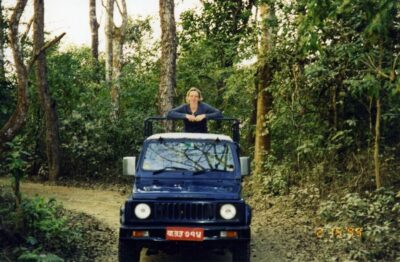
From Kathmandu/Pokhara: 3-Day All-Inclusive Chitwan Safari
Read our review →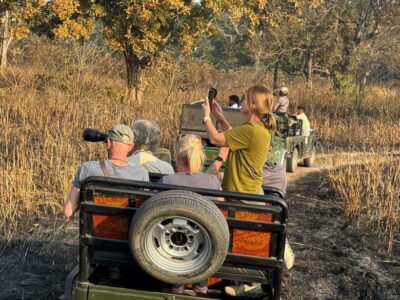
3-Day Chitwan Safari Tour with Hotel Transfers
Read our review →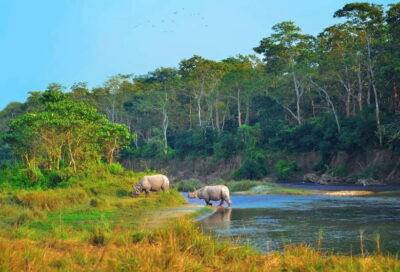
Kathmandu/Pokhara: 3 Day Chitwan Jungle Safari Tour
Read our review →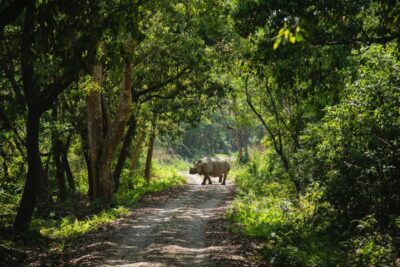
From Kathmandu/Pokhara: Private 3-Day Chitwan Safari Tour
Read our review →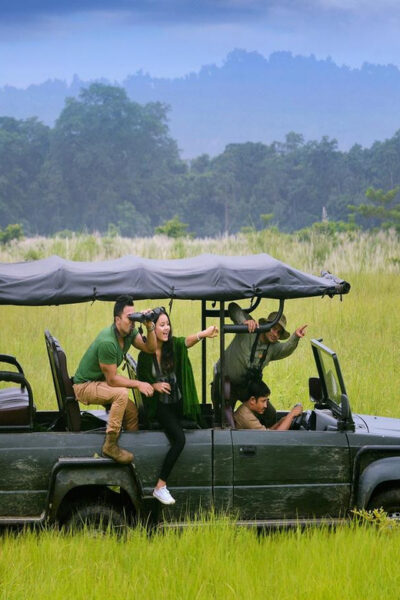
2 Days Chitwan Jungle Safari Tour from Pokhara/Kathmandu
Read our review →