
Reviewed · CHITWAN JUNGLE SAFARIS
8 Days Tour in Nepal – Kathmandu, Chitwan & Pokhara (3 & 4 Star)
Kathmandu’s sacred temples, Chitwan’s jungle, and Pokhara’s mountain-fed lake make a fine three-part introduction to Nepal. This eight-day route gives you culture, wildlife, and quiet lakeside time without asking you to plan every transfer yourself.
I like the variety: one day you are turning Buddhist prayer wheels at Boudhanath, and a few days later you are watching for wildlife in Chitwan. I also like the practical support, including airport pickup, an English-speaking guide, hotel stays, and a driver who handles Nepal’s famously slow, winding roads.
The main drawback is the road travel. Kathmandu to Chitwan, Chitwan to Pokhara, and Pokhara back to Kathmandu can take much of a day and may be bumpy. If you value time more than cost, ask about replacing road legs with flights or private transport before booking.
Key points to know before you book
- Three very different sides of Nepal: Kathmandu supplies temples and old royal cities, Chitwan brings jungle activities, and Pokhara adds a slower lakeside setting.
- Road travel is part of the experience: The route uses a tourist bus, with long drives through terraced hills, river valleys, and villages.
- Chitwan includes full-board lodging: Breakfast, lunch, and dinner are included there, unlike in Kathmandu and Pokhara.
- The cultural touring is well packed: Swayambhunath, Pashupatinath, Boudhanath, and Patan Durbar Square fit into one substantial Kathmandu sightseeing day.
- Personal service is a strong feature: The team may include guides such as Ram in Kathmandu, Hari in Chitwan, Pradip in Kathmandu or elsewhere, coordinator Resham, and driver Biren, depending on the booking.
- The $299 price has limits: Hotels, breakfast, transport, guided sightseeing, jungle activities, taxes, and a farewell dinner are included, but visa fees, monument tickets, most city meals, insurance, and flights are not.
What this eight-day Nepal route gets right
I see this as an efficient first visit rather than a slow, highly tailored Nepal holiday. You get four nights split between Kathmandu and the return to the capital, one full Chitwan day, and time in Pokhara, all with the basic framework handled.
The tour uses 3-star or 4-star hotels, so the exact level of comfort can vary. That range matters. A 4-star stay may feel polished, while a 3-star property may be simpler. Previous arrangements included clean, comfortable hotels and, in one case, a pool in Chitwan, but you should ask for the actual hotel names and room category before paying.
The tour is private, meaning only your own group takes part. That is useful if you want to adjust the pace or make a reasonable change. Ram in Kathmandu has been especially flexible with schedule changes, while Resham has handled trip planning and communication. Biren, one of the named drivers, has been praised for managing traffic and getting groups safely between destinations.
Those names are useful, but they are not a guarantee that every booking receives the same staff. Ask who will guide each section of your departure.
More Chitwan Jungle Safaris in Kathmandu
- 3-Day Chitwan National Park Jungle Safari Tour Package with Pick Up
★ 5.0 · 184 reviews - From Kathmandu/Pokhara: 3-Day All-Inclusive Chitwan Safari
★ 4.6 · 133 reviews - Kathmandu: 3-Day Chitwan Safari Tour with Hotel Transfers
★ 4.6 · 127 reviews
Day 1: Arriving at Tribhuvan International Airport
Your first day begins at Tribhuvan International Airport, with the stated meeting time at 10:00 a.m. After landing, you handle the Nepal visa-on-arrival process before meeting the pickup representative.
Bring a passport valid for at least six months. The Nepal entry visa is not included. The supplied information gives a cost of $30 per person for the visa, obtained at the airport, so keep this separate from the tour price.
Airport pickup is included by private vehicle, which is a welcome touch after an international flight. Kathmandu traffic can be confusing, and having someone meet you removes the need to bargain for a taxi while tired.
The first day is otherwise light on scheduled sightseeing. The listed duration is about 12 hours because it covers arrival and hotel arrangements rather than twelve hours of touring. Depending on your flight, you may have time to rest or take a short walk near the hotel.
Day 2: Four major Kathmandu sights in one day
This is the cultural heart of the trip. You visit Swayambhunath, Pashupatinath, Boudhanath, and Patan Durbar Square with an English-speaking guide.
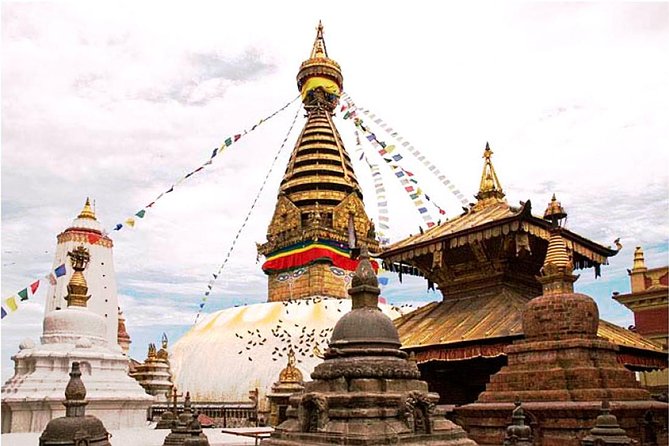
Swayambhunath and the view across Kathmandu
Swayambhunath sits on a hill west of the city and is also known as the Monkey Temple. The hilltop position gives you a broad view over Kathmandu Valley, while the religious complex brings together Buddhist images, prayer activity, and the ever-present monkeys.
Allow about two hours here. Wear shoes with a decent grip because hilltop temple areas include steps and uneven surfaces. The monkeys are part of the setting, but keep food and loose items secure.
This is a good opening sight because it gives you a physical sense of Kathmandu. You see the city spread below before spending the rest of the day among temples and historic squares.
Same mountains, a completely different kind of day:
- Everest Base Camp Trek – 14 Days
★ 5.0 · 1,499 reviews - Private Kathmandu Sightseeing Tour | UNESCO World Heritage sites
★ 5.0 · 756 reviews - Everest Base Camp Helicopter Tour landing at Everest View Hotel
★ 5.0 · 668 reviews - Half day cooking class in Thamel kathmandu
★ 5.0 · 607 reviews
Pashupatinath beside the Bagmati River
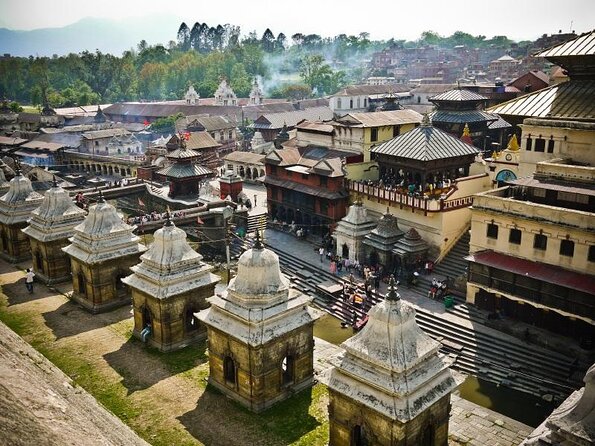
Pashupatinath is Nepal’s major temple dedicated to Shiva and one of the most important Hindu religious sites in the country. It sits beside the Bagmati River on Kathmandu’s eastern side.
The scheduled visit lasts about an hour. This is an active religious place, not a museum designed only for sightseeing. Your guide can help explain what you are seeing and where visitors may go. Dress with respect and follow local instructions.
The short visit means you will receive an introduction rather than an exhaustive study. That is typical of this packed day, but it gives you a chance to see a sacred site that is central to Nepalese religious life.
Boudhanath and its watchful eyes
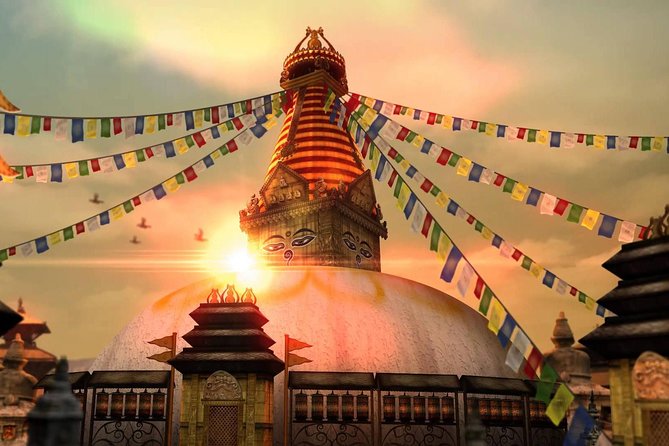
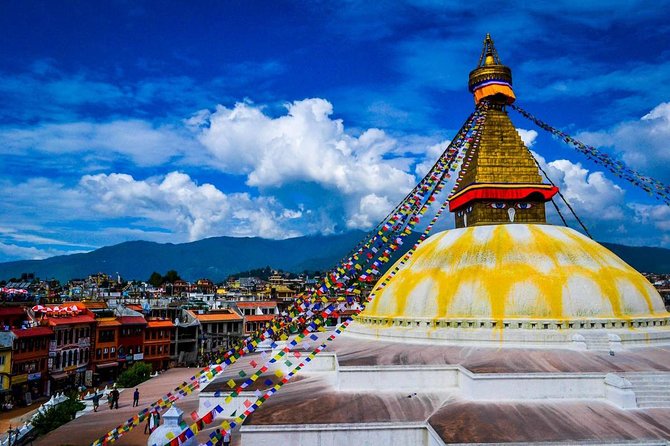
Boudhanath is a large Buddhist stupa with four pairs of Buddha’s eyes facing the cardinal directions. The site is described as dating back 2,500 years, with the present stupa tradition linked to the fifth century.
You have about an hour here. Walk around the stupa in the customary direction, taking in the prayer wheels and surrounding religious activity. The visit is not just about taking a photograph of the dome. It is a chance to notice how worship and everyday city life share the same space.
Boudhanath also changes the mood of the day. After the Hindu temple at Pashupatinath, this Buddhist center shows the religious mix that gives Kathmandu its character.
Patan Durbar Square and Newari design
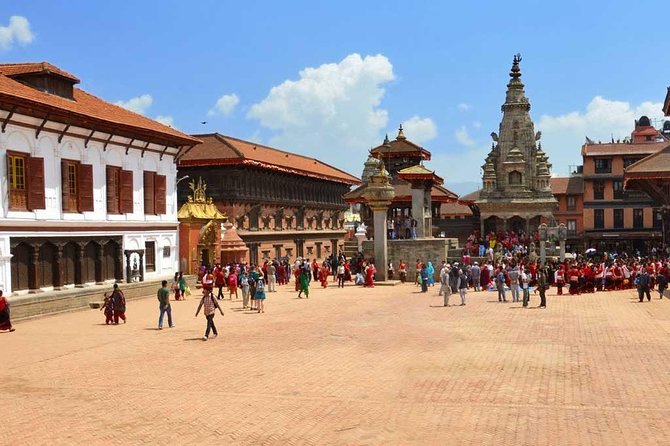
Patan Durbar Square lies in Lalitpur, the city adjoining Kathmandu. Its buildings show the Newari architectural style that reached a high point under the Malla kings, who supported elaborate temples and artistic work.
One hour is enough for a guided introduction, but you may wish you had more time if you care about architecture. Ask your guide to point out carved windows, brickwork, and the layout of the square rather than simply moving from one photo stop to another.
The full day is productive, but it is not relaxed. Four major sites, city traffic, and walking can leave you tired. I would wear comfortable shoes, carry water, and treat this as a broad introduction to Kathmandu rather than the final word on its culture.
Day 3: The long road from Kathmandu to Chitwan
After breakfast, you leave the capital by tourist bus for Chitwan. The drive takes about 12 hours according to the schedule, with views of rivers, terraced hillsides, and traditional villages along the way.
This is one of the tour’s biggest trade-offs. The road lets you see rural Nepal at ground level, but the day is long. Traffic and road conditions can make the journey slower and less comfortable than the map suggests.
A private vehicle may give your group more flexibility, but private transport is not included in the standard package. Domestic flights are also not part of the included tourist-bus plan. If you dislike long road journeys, ask about alternatives before departure.
After arriving, you check into the hotel or resort and settle in. Chitwan includes full board, which means the arrangement covers breakfast, lunch, and dinner. That makes this section easier than Kathmandu and Pokhara, where lunch and dinner are your responsibility.
Day 4: A full day of Chitwan National Park
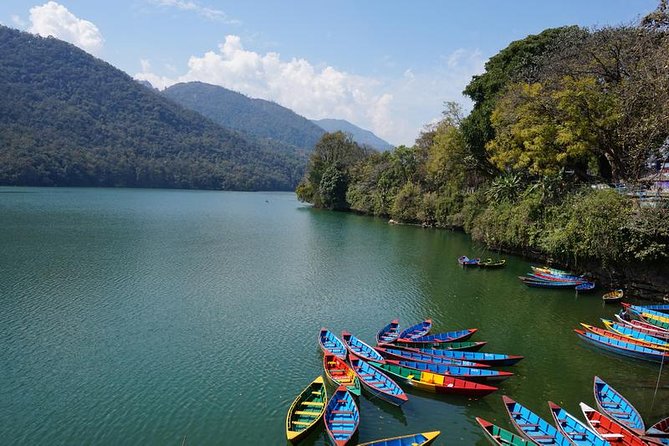
Chitwan National Park is a UNESCO World Heritage Site known for its wildlife. The planned day includes a jungle safari by jeep or elephant-back, along with other jungle activities.
The exact activity mix can depend on park conditions and local arrangements, so ask what is included in your departure. A jeep safari covers more ground and is the practical choice for many people. Elephant-back sightseeing is listed as an option, but you should confirm availability and current operating details.
Set your expectations correctly. This is wildlife viewing, not a guaranteed animal show. You may see birds, forest scenery, and signs of animals, while larger sightings depend on luck, timing, and the conditions that day.
Chitwan is valuable because it changes the pace completely. Kathmandu is dense with monuments and traffic. Here, your attention shifts to river edges, forest, and the possibility of wildlife. The full day gives this section enough room to feel like more than a quick stop.
The included meals also add value. Food costs can quietly increase on a multi-day trip, and having full board in Chitwan removes that concern while you are focused on the park.
Day 5: From Chitwan to Pokhara by road
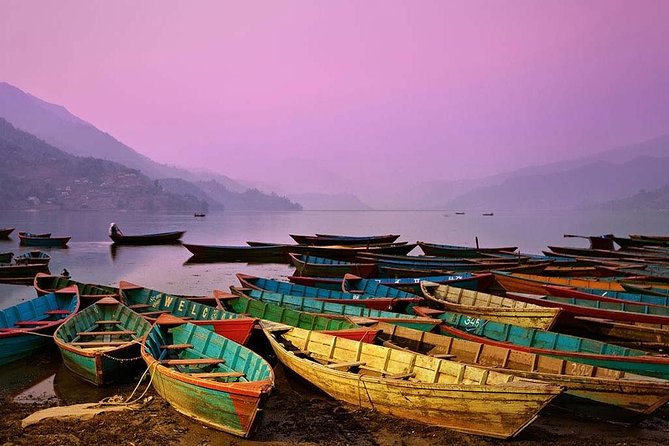
After breakfast, you continue to Pokhara, with another listed travel day of about 12 hours. The route passes hills, rivers, and villages before reaching the city beside Phewa Lake.
Pokhara is often the most restful part of this program, but reaching it takes patience. If your group is comfortable with long bus rides, the changing scenery makes the day worthwhile. If you want more time beside the lake, consider paying for a flight or private transfer if available for your dates.
The tour places you in the Lakeside area, a useful base for walking and for reaching the next day’s sights. The schedule does not promise a free evening program, so use any arrival time for a simple stroll or a quiet meal.
Meals in Pokhara are not included apart from breakfast. Budget for lunch, dinner, drinks, and personal expenses such as laundry.
Day 6: Waterfalls, caves, temples, and Phewa Lake
Pokhara sightseeing is compact but varied. You visit Bindhyabasini Temple, Devi’s Fall, Gupteshwor Mahadev Cave, Phewa Tal, and the Seti River Gorge.
Bindhyabasini Temple
Bindhyabasini Temple sits in the center of the old bazaar and is dedicated to Bhagwati, a form of Shakti. The visit lasts about 30 minutes.
The grounds also offer a place to pause, picnic, or relax. The short stop works well as a glimpse of local religious life, though anyone wanting a quiet temple visit may find the schedule brisk.
Devi’s Fall and Gupteshwor Mahadev Cave
At Devi’s Fall, water from Phewa Lake drops through rock into a deep gorge. The place is locally called Patale Chhango. You have about 30 minutes, so expect a quick visit for photographs and a look at the force of the water.
Gupteshwor Mahadev Cave is directly across from the waterfall. The cave is described as almost three kilometers long, with large chambers and narrow passages, though the tour allows about one hour. Wear shoes suitable for damp or uneven ground and be ready for a more physical stop than the timetable may suggest.
These two sights pair naturally. The waterfall gives you open space and rushing water; the cave takes you underground. Together, they make the morning or afternoon feel more varied than a string of temples.
Phewa Tal and the Barahi Island Temple
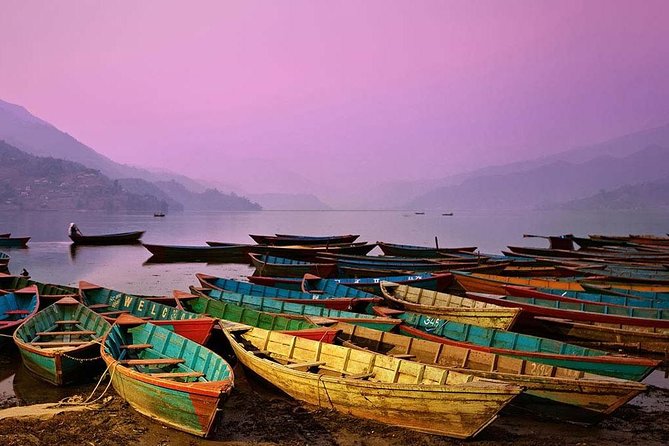
Phewa Tal, also called Phewa Lake, is the calm center of Pokhara. The lake sits about 800 meters above sea level and includes the Barahi Island Temple, an important religious site in the water.
The listed visit lasts one hour. You should have time to enjoy the lakeside setting, but the schedule does not state that a boat ride is included. Do not assume boating is part of the package unless your operator confirms it.
This is the point where the tour earns its Lakeside Charm title. After several long drives and busy cultural stops, the lake offers a slower hour and a chance to take in Pokhara’s setting below the Annapurna range.
Seti River Gorge
The Seti River Gorge is carved by the Seti-Gandaki River. Bridges at K.I. Singh, Bagar, Mahendrapool, and near the bus park provide viewpoints over the narrow channel and rushing water.
The scheduled stop is only 30 minutes. That is enough for a look from a bridge, not a long walk or geological study. It is a useful final stop because it shows another side of Pokhara’s natural setting without requiring a major excursion.
Day 7: Returning to Kathmandu
After breakfast, you drive back to Kathmandu. The return journey is listed at about six hours, with riverside villages and terraced hills along the way.
That timing is more manageable than the two earlier road days, though traffic can still change the arrival time. The day is mainly transport, so I would not plan a major Kathmandu activity around a precise arrival hour.
You check into your Kathmandu hotel on arrival. Depending on your schedule, the evening may be suitable for shopping or resting. A farewell dinner is included, giving the trip a defined final meal.
Day 8: A flexible departure morning
The last day includes breakfast and free time based on your flight schedule. If you leave later, you may visit nearby markets for souvenirs or relax at the hotel before your airport transfer.
Airport transfer by private vehicle is included. Because international departure procedures take time, keep your schedule simple and confirm the pickup time with the local team.
The flexibility is useful, but it is not a full sightseeing day. Book this tour for the seven nights of travel and the main visits, not for a final day packed with attractions.
Is $299 good value for this Nepal itinerary?
At $299 per person, the package offers a lot for a short trip: airport transfers, tourist-bus transport between three destinations, 3-star or 4-star accommodation, daily breakfast, full board in Chitwan, guided sightseeing in Kathmandu and Pokhara, jungle activities, taxes, official expenses, and a farewell dinner.
The price looks strongest for someone who wants help with the difficult pieces. Nepal’s road transfers, airport arrival, hotel changes, and Chitwan arrangements can take work to organize independently. Having a coordinator and local driver may be worth more to you than squeezing every dollar from the trip.
Still, $299 is not an all-inclusive total. Add the $30 Nepal visa, monument entrance fees, travel insurance, city lunches and dinners, drinks, laundry, and personal spending. International airfare is excluded, and private transport or domestic flights require extra payment.
I would also ask exactly which monuments have entrance fees and how much they are. The tour includes official expenses but specifically excludes monument tickets, so this can affect your final budget.
Who will enjoy this tour most?
I would choose this program if you are visiting Nepal for the first time and want a broad introduction in eight days. It suits people who like having a guide and organized transport but still want a private trip for their own group.
It also suits families and mixed-age groups, provided everyone can manage long road journeys and a full Kathmandu sightseeing day. One family group praised the balance between active days and time to relax, while vegetarian meals were handled well in one arrangement.
You may prefer a different plan if your main goal is trekking, mountain flights, or slow cultural travel. Everest flights, domestic flights, and private transport are not part of the basic package. The route gives you a taste of Nepal’s range, but it does not leave much spare time for a trek or major detour.
The team has also handled customized trips, including additions such as an Everest helicopter view, paragliding, rafting, and ziplining in other arrangements. Those are not standard parts of this eight-day program, so treat them as possible add-ons only after receiving a clear price and schedule.
Should you book the Kathmandu, Chitwan, and Pokhara tour?
Book it if you want three strong first impressions of Nepal and prefer local staff to handle the main logistics. The best reasons are the cultural variety, full Chitwan day, private group format, and practical support from coordinators, guides, and drivers.
Think twice if long bus journeys drain your energy. Paying extra to fly between cities may improve the trip, but it changes the value calculation. Before booking, confirm the hotel names, guide assignments, jungle activities, monument costs, and the price of any flights.
For a short first visit, I find the route sensible and well balanced. It moves quickly, but it gives you enough time to understand why Kathmandu, Chitwan, and Pokhara feel like three different Nepals.
FAQ
How long is the tour?
The tour lasts approximately eight days.
Where does the tour begin?
It begins at Tribhuvan International Airport in Kathmandu, Nepal.
What is the stated start time?
The stated start time is 10:00 a.m.
Is airport pickup included?
Yes. Airport transfers by private vehicle are included.
How do I travel between Kathmandu, Chitwan, and Pokhara?
The standard arrangement uses tourist bus transportation for Kathmandu to Chitwan, Chitwan to Pokhara, and Pokhara to Kathmandu.
Are domestic flights included?
No. Domestic flights are not included in the standard package. Private transport and domestic flights require an additional charge.
What type of accommodation is provided?
Accommodation is provided in 3-star or 4-star hotels.
Which meals are included?
Daily breakfast, full board in Chitwan, and a farewell dinner are included. Lunch and dinner in Kathmandu and Pokhara are not included.
Is the Nepal visa included?
No. The Nepal entry visa is paid separately at the airport. The stated cost is $30 per person.
Are monument entrance fees included?
No. Monument entrance fees are excluded. Travel insurance, international airfare, drinks, laundry, and other personal expenses are also excluded.
Is this a private tour?
Yes. Only your own group participates in the activity.
Just added around Kathmandu
- Private Half-Day Tour of Boudhanath and Pashupatinath Temples in Kathmandu★ 4.5 · 9 reviews
- Private Half-Day Tour of Kathmandu Durbar Square and Swayambhunath Temple★ 4.5 · 11 reviews
- Namobuddha Monastery Hiking Day Tour via Panauti from Kathmandu★ 5.0 · 15 reviews
- Private Half Day Budhanilkantha Tour★ 5.0 · 6 reviews
- Private Full-Day Kathmandu City Tour★ 5.0 · 9 reviews
- Private Day Tour in Kathmandu Valley Rim with Bhaktapur Sightseeing★ 5.0 · 3 reviews
- Private Day Tour: Patan and Bhaktapur from Kathmandu★ 4.5 · 6 reviews
- Private Day Tour – Sacred Journey to Namo Buddha★ 5.0 · 5 reviews
Chitwan Jungle Safaris, compared.
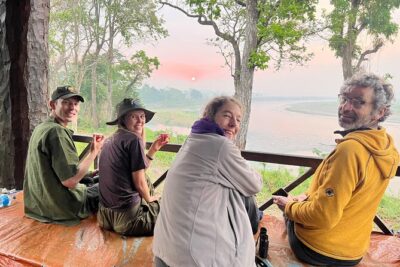
Jungle Towernight Stay In Chitwan National Park ,nepal-2 Nights 3 Days Package
Read our review →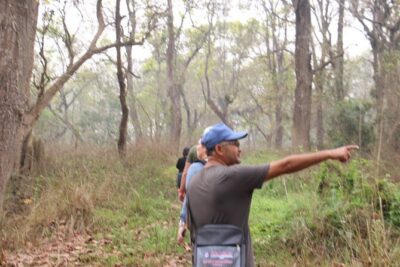
3-Day Chitwan National Park Jungle Safari Tour Package with Pick Up
Read our review →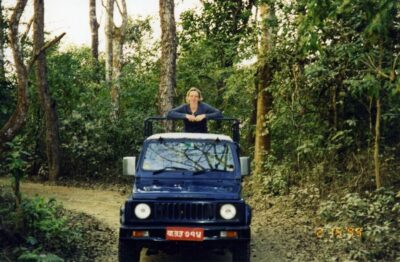
From Kathmandu/Pokhara: 3-Day All-Inclusive Chitwan Safari
Read our review →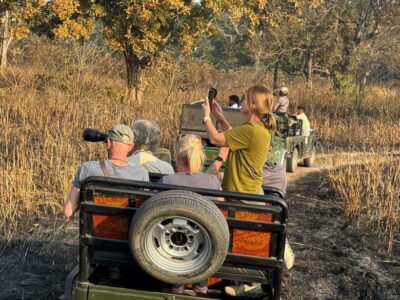
3-Day Chitwan Safari Tour with Hotel Transfers
Read our review →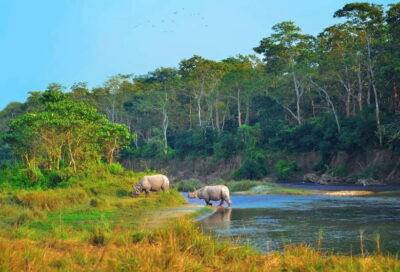
Kathmandu/Pokhara: 3 Day Chitwan Jungle Safari Tour
Read our review →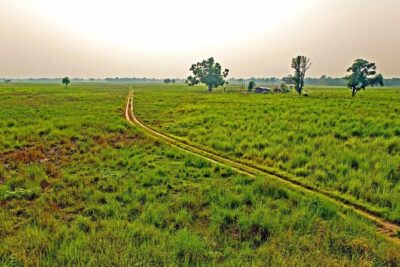
3 Nights 4 Days Chitwan National Park with Tower Night Stay
Read our review →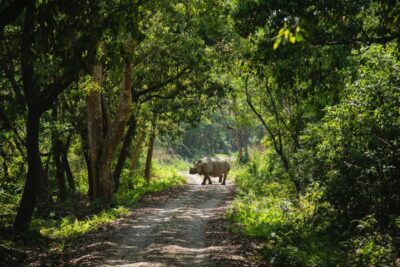
From Kathmandu/Pokhara: Private 3-Day Chitwan Safari Tour
Read our review →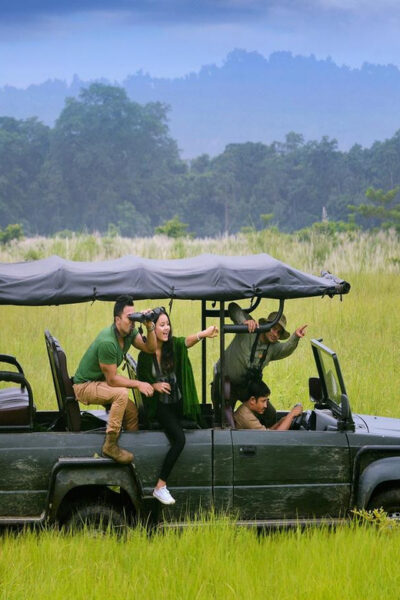
2 Days Chitwan Jungle Safari Tour from Pokhara/Kathmandu
Read our review →Browse the lists this tour appears in